Introduction
Maintaining your bamboo cutting board is essential for its longevity, food safety, and top-notch kitchen performance. The process of oiling your board goes beyond mere appearances—it prevents splits, stops stains, and even helps banish lingering odors. With the right care routine, your bamboo cutting board can serve you reliably for years, always ready for your next meal prep session.
Why Bamboo Cutting Boards Need Oiling
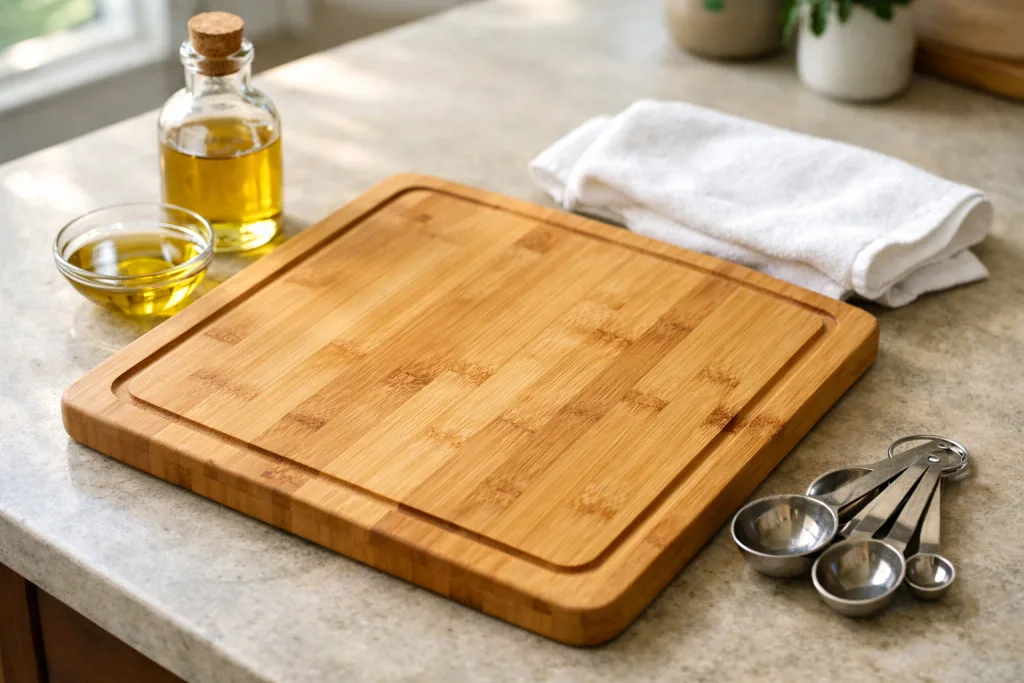
Bamboo is a resilient, sustainable material, but it is not immune to wear and tear. Over time, exposure to water, food acids, and repeated knife contact can dry out bamboo, opening the door for cracks, warping, and bacterial absorption. Oiling is an easy yet powerful ritual that:
- Prevents unsightly cracking and unwanted warping
- Guards against moisture and bacterial intrusion
- Renews bamboo’s attractive, golden appearance
This simple preventive action is a cornerstone of effective cutting board maintenance for both home cooks and food industry professionals.
Best Oils for Bamboo Cutting Boards
Different oils offer unique benefits and drawbacks for treating bamboo cutting boards. Here’s what seasoned chefs and manufacturers agree on:
- Food-Grade Mineral Oil – Universally recommended for its neutral scent, safety, and availability. Mineral oil penetrates bamboo fibers, forming a moisture barrier that keeps your board workable and fresh.
- Fractionated Coconut Oil – Unlike regular coconut oil, fractionated versions are refined not to go rancid. This oil is easy to apply and loved for its long-lasting results and allergen-friendly profile.
- Beeswax Blends – Combining food-safe mineral oil with natural beeswax adds extra water resistance and a pleasing sheen. These blends also act as a mild wood conditioner, helping seal knife marks.
- Specialized Butcher Block Oils – Products labeled for butcher blocks or bamboo boards are carefully formulated and safe. Many contain a mix of mineral oil, beeswax, or carnauba wax for a durable finish.
For a detailed step-by-step demonstration, see How to Oil a Bamboo Cutting Board: A Step-by-Step Guide.
Comparison Table: Bamboo Cutting Board Oils
| Oil Type | Food-Safe | Rancid Risk | Finish | Ease of Application |
|---|---|---|---|---|
| Mineral Oil | Yes | No | Natural, slight sheen | Easy |
| Fractionated Coconut Oil | Yes | No | Satin | Very easy |
| Beeswax Blends | Yes | No | Glossy, protective | Medium (requires warming) |
| Vegetable/Olive Oil | Yes | High | Sticky, unpleasant | Easy (but not recommended) |
Oils to Avoid
Not all household oils are created equal when it comes to bamboo cutting board care. These are best avoided:
- Vegetable oils (like olive, canola, or corn) – Prone to spoiling, these can leave your board sticky and smelling rancid over time.
- Non-food-grade or synthetic oils – May contain harmful chemicals not suitable for kitchenware.
- Petroleum-based products – Unsafe for surfaces that come into contact with food.
As a seasoned craftsman at Bamboo Wood Art, I’ve seen boards permanently stained or damaged by unsuitable oils—stick with the safe standards for peace of mind.
Benefits of Proper Bamboo Board Oiling
- Improves water resistance and slows down absorption
- Reduces knife mark visibility and drag
- Boosts board hygiene by sealing tiny pores
- Prolongs board service life
Risks of Using the Wrong Oil
- Oils that go rancid attract odors and bacteria
- Sticky residue makes cleaning difficult
- Chemical or non-food oils pose health risks
How to Apply Oil to Bamboo Cutting Boards
- Thoroughly clean and dry your bamboo cutting board. Never oil a wet or recently washed board—a two-hour dry is recommended.
- Pour a generous layer of oil onto the surface. Food-grade mineral oil works best, but any recommended product from above will do.
- Using a lint-free cloth or kitchen towel, rub the oil into the board in gentle circular motions, covering every edge and corner.
- Allow the oil to fully absorb for at least a few hours, or ideally overnight for deeply dry boards.
- Wipe off any excess oil before using the board. A lightly oiled finish should not feel greasy to the touch.
Get an expert walkthrough at How to Oil a Bamboo Cutting Board: A Step-by-Step Guide.
Signs Your Bamboo Board Needs Oiling
- Color appears faded or surface feels rough
- Water no longer beads on the surface
- Board shows visible cracking or slight warping
How Often Should You Oil?
- Once a month is standard for most home cooks
- More frequent oiling (biweekly) extends life for heavy daily use
- Always oil immediately after deep cleaning or sanitizing
Does Board Construction Affect Oil Absorption?
Yes—vertical grain bamboo absorbs oil slightly slower but retains it longer, while horizontal grain styles may require more frequent oiling, especially after repeated washing cycles.
How Manufacturers Prepare New Boards
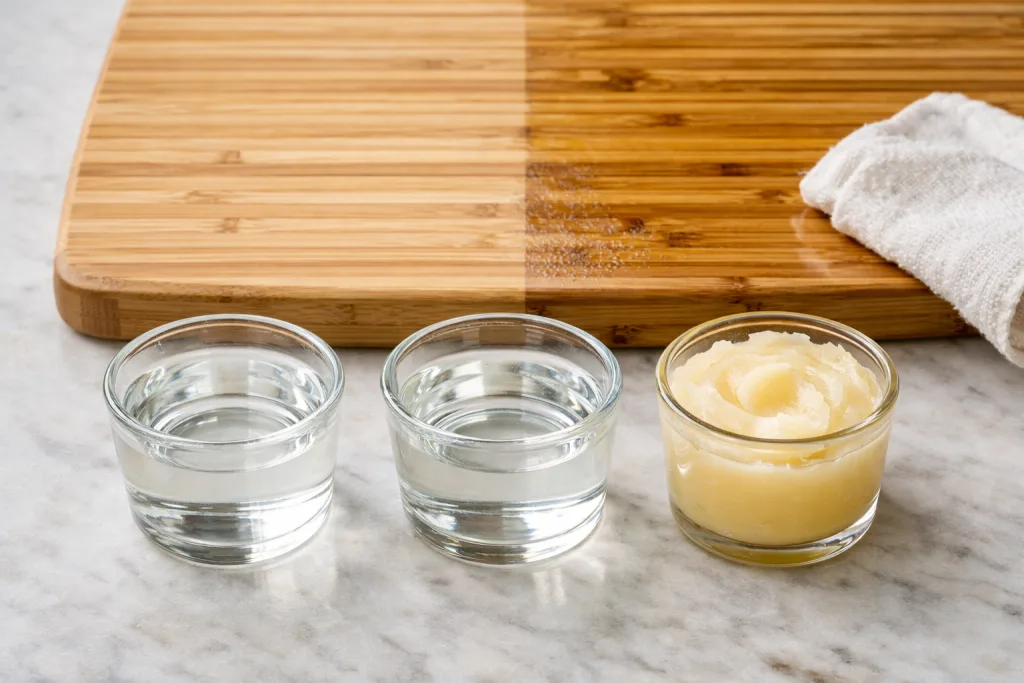
Reliable manufacturers, like Bamboo Wood Art, employ kiln-drying techniques to stabilize moisture content before assembly. Post-production, boards often receive a first-oil treatment of food-safe mineral oil or an oil-wax blend to ensure customers receive a conditioned product straight out of the box.
Safe Food-Contact Finishes
Besides pure oils, some boards come with a professional finish such as an oil-wax blend or water-based lacquer. To learn more, visit Food-Safe Finishes for Wood Explained.
Bamboo Versus Wood: Oil Compatibility
Compared to hardwoods like acacia or maple, bamboo’s density and cellular structure mean it absorbs oil at a moderate pace. Oils suited to wood (like mineral oil or beeswax blends) are ideal for bamboo, but vegetable-based solutions should be avoided for both materials equally.
DIY Bamboo Board Conditioning Paste
- Melt 1 part food-grade beeswax
- Add 4 parts mineral oil
- Stir until blended, let cool
- Apply in the same manner as outlined above for enhanced water resistance and a lustrous finish
What to Avoid When Caring for Bamboo Cutting Boards
- Submerging for long periods—the board can swell and warp
- Washing in the dishwasher—heat and detergents break down fibers and strip oils
- Using abrasive scrubbers—these scratch and degrade the oiled finish
Essential Cleaning Tips
- Clean with gentle soap, warm water, and a soft sponge
- Dry thoroughly after each wash to avoid mold or mildew
- For stubborn stains or lingering odors, sprinkle baking soda or use half a lemon for a natural refresh
Oiling Other Bamboo Kitchenware
Nightly or weekly oiling routines can extend to other bamboo utensils, trays, and even bamboo personal care items for the same benefits of protection and improved hygiene. Learn more at Bamboo Personal Care.
How to Store Your Oiled Board
- Stand upright, if possible, to allow air circulation
- Keep out of direct sunlight and away from heat sources
- Avoid enclosed damp areas that can encourage mildew
Board Refresh: When to Sand and Re-Oil
If your bamboo cutting board feels rough or deep grooves have formed, lightly sand the surface with fine-grit sandpaper, then wipe clean and repeat the oiling process for a like-new finish.
Bamboo Cutting Board Oil: FAQ Recap
- Avoid any oil that can go rancid
- Quick absorption and a non-greasy finish signal appropriate application
- Bamboo cutting board oil maintenance is a minor habit with major payoffs for food safety and aesthetics
Conclusion
Choosing the best oil for your bamboo cutting board—and knowing what to avoid—is the foundation of effective kitchen maintenance. Trust in proven, food-safe oils and skip anything prone to rancidity or unsafe for food contact. Proper care means your bamboo board will remain beautiful and hygienic for years, preserving both your investment and peace of mind. Happy chopping!
Frequently Asked Questions
Can I use olive oil on my bamboo cutting board?
No. Olive oil can go rancid, attracting smells and bacteria. Stick to food-grade mineral oil or fractionated coconut oil.
How can I tell if my board needs oiling?
If your bamboo board looks dry, feels rough, or doesn’t repel water, it’s time to reapply oil.
Are specialized bamboo board oils worth buying?
Yes. These blends are tailored for bamboo’s structure and offer longer-lasting protection and shine.
How do I remove excess oil from my board?
After letting the oil soak in, wipe off any surplus with a clean, lint-free towel before kitchen use.
What is the safest oil for anyone with allergies?
Food-grade mineral oil is hypoallergenic. Fractionated coconut oil is also safe for most people with nut allergies.
How often should commercial kitchens oil bamboo boards?
Commercial settings with heavy use should oil boards weekly for durability and maximum hygiene.