Introduction to MOQ in Bamboo Manufacturing
MOQ (Minimum Order Quantity) is a crucial term in the world of bamboo manufacturing. It defines the lowest number of units a manufacturer is willing to produce or sell per order. In bamboo product supply chains, understanding MOQ is essential for buyers and suppliers alike. It helps balance production costs, resource management, and market demand. For new buyers or businesses venturing into bamboo manufacturing, MOQ can influence budgeting, packaging decisions, and long-term growth strategies.
- Definition of MOQ
MOQ refers to the minimum quantity of bamboo products you need to order from a manufacturer. Whether ordering bamboo chopsticks, trays, or cutting boards, every product and factory may set its own MOQ based on cost considerations and manufacturing efficiency. - Importance of MOQ in Bamboo Product Supply Chain
MOQs affect logistics, pricing, and how manufacturers plan their workflows. It streamlines raw material purchasing and reduces idle production time, making it a critical element for efficient and sustainable supply chains.
Factors Affecting MOQ in Bamboo Manufacturing
- Type of Bamboo Product
Different bamboo items, from bamboo cutting boards to laptop tables and custom utensils, require varying processes and material input. For example, products with complex shapes or multiple parts may have higher MOQs compared to simple, single-piece designs. - Manufacturing Processes and Capabilities
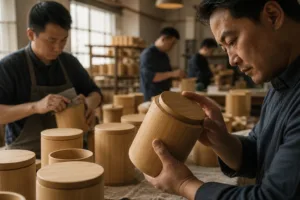
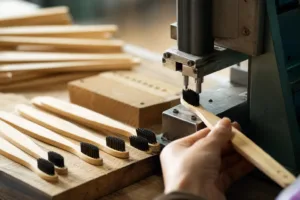
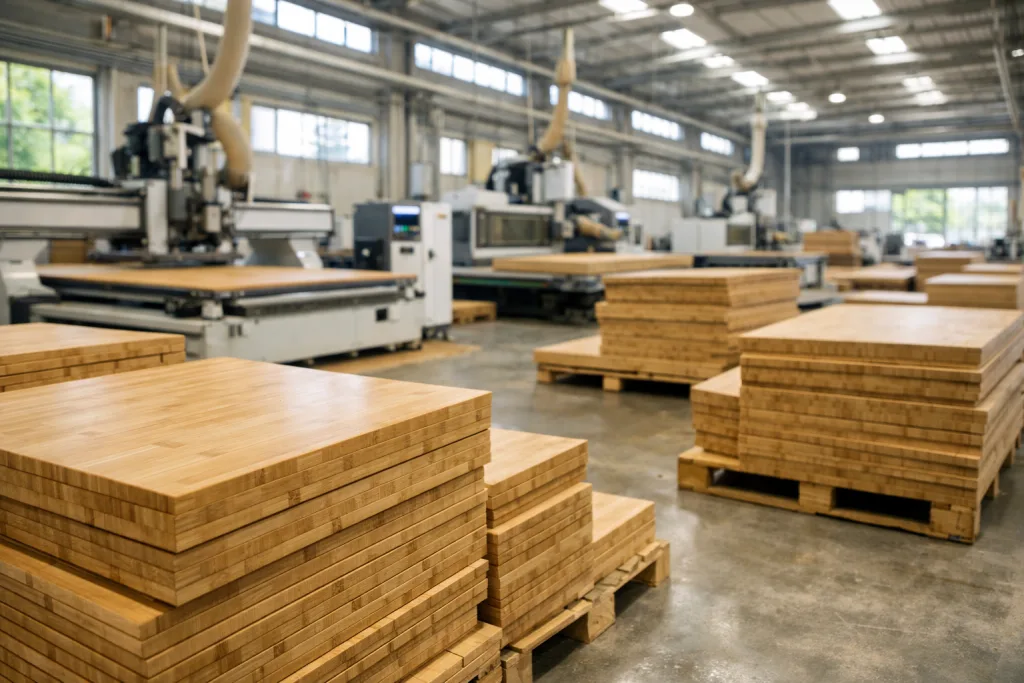
The nature of bamboo manufacturing—machine setup, mold costs, and finishing—heavily influences MOQ. Factories with automated lines may set higher MOQs while those specializing in handmade goods can often accommodate smaller orders. - Material Sourcing and Sustainability
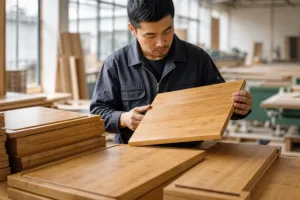
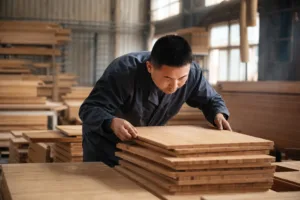
Reliable raw material sourcing is critical. Bamboo Wood Art, for example, emphasizes aging bamboo stalks for durability and food safety. Sustainable harvesting impacts MOQs, as manufacturers plan to use large batches to control costs and minimize waste.
Benefits and Challenges of MOQ in Bamboo Manufacturing
- Cost Efficiency and Production Planning
A higher MOQ allows manufacturers to streamline production and reduce unit costs. Bulk orders mean materials are sourced more efficiently and sessions are scheduled to minimize downtime, benefiting both factories and customers through better pricing. - Inventory Management
Setting an MOQ helps manufacturers manage inventory more effectively, balancing between surplus stock and demand. This is especially relevant for products like bamboo trays where demand can spike due to seasonal trends or promotions. - Impact on Small Businesses and Startups
While MOQs help factories run smoothly, they can be a barrier for startups and small buyers. Sourcing smaller quantities can be challenging, especially if the MOQ is several thousand pieces. However, many manufacturers offer tiered pricing or suggest alternative product options (see FAQs for more).
Strategies for Negotiating MOQ with Bamboo Manufacturers
- Tips for Reducing MOQ
If the MOQ seems high, try negotiating by consolidating orders with similar items or by sharing tooling costs. Manufacturers may also lower MOQ for customers demonstrating long-term business potential or seasonal repeat orders. - Alternatives for Meeting MOQ Requirements
Consider joining bulk or wholesale programs, collaborating with other buyers, or choosing standard sizes and finishes. Tailoring product specifications can sometimes reduce manufacturing complexity and unlock a lower MOQ. For example, Bamboo Wood Art often recommends standard designs to streamline production. - Case Studies and Practical Examples
A café needed custom trays but couldn’t meet the factory’s default MOQ. By opting for a stock model and sharing their tray order with another café, they met the MOQ and secured a better price. Another solution is to join a bulk & wholesale program, which pools small buyers for aggregate demand.
Conclusion
- Summary of Key Points
Understanding MOQ in bamboo manufacturing is vital for cost management, supply chain optimization, and sourcing the right products for your market. Both buyers and manufacturers benefit from transparent MOQ discussions. - Future Trends in MOQ for Bamboo Manufacturing
The rise of sustainable sourcing and digital marketplaces is gradually lowering MOQs, making customized bamboo products more accessible to small businesses. Expect continued innovation in flexible production and supply chain technology.
Frequently Asked Questions

What does MOQ mean in bamboo manufacturing?
MOQ stands for Minimum Order Quantity, defining the smallest number of bamboo items a manufacturer will produce per order.
Why do manufacturers set MOQs?
MOQs help ensure efficient production, control costs, and minimize waste by aligning manufacturing batches with logistical needs.
Can small businesses negotiate lower MOQs?
Yes, small businesses can often negotiate lower MOQs by consolidating orders, opting for standard products, or joining wholesale programs.
What factors determine MOQ for bamboo products?
Product complexity, raw material availability, manufacturing processes, and sustainability policies all affect the MOQ a factory sets.
Are there alternatives if I can’t meet the MOQ?
You can explore bulk programs, collaborate with other buyers, or select different product options to help meet MOQ requirements.
Is there a difference between MOQs for handmade and machine-made bamboo products?
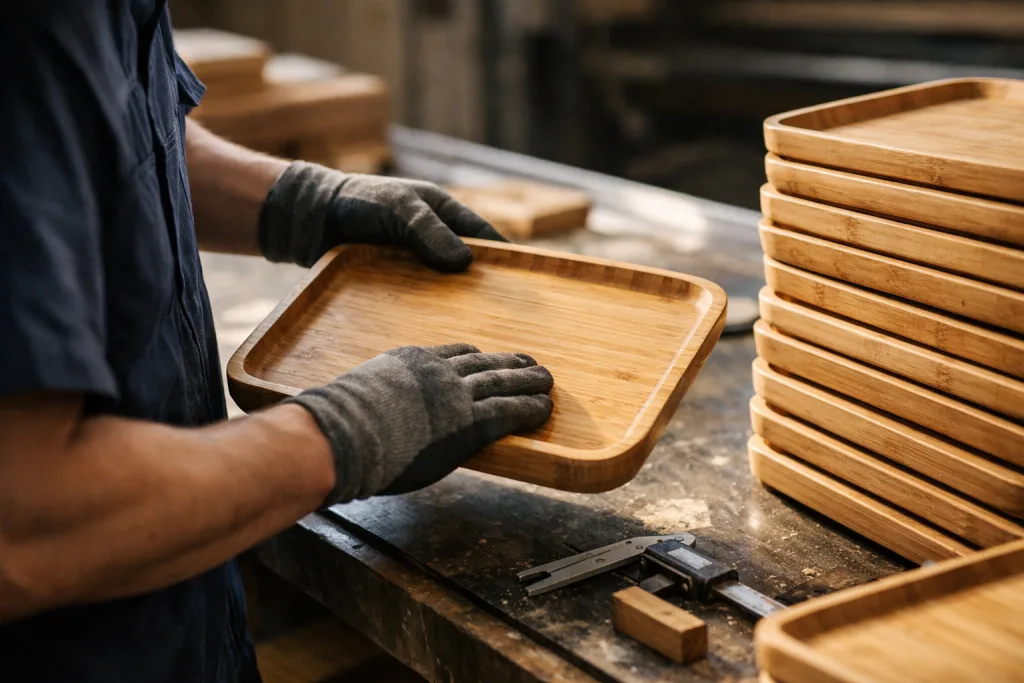
Handmade products may allow for lower MOQs since setup costs are lower, while machine-made items usually require larger batches.