Introduction
In the world of sustainable oral care, bamboo toothbrushes have caught the attention of environmentally conscious consumers everywhere. People are searching for alternatives to daily-use plastic items as awareness of microplastics and landfill issues rises. But why are bamboo toothbrushes suddenly popular? Is their rise just a trend, or does it have deeper environmental roots? Let’s dive into the facts behind this switch, why so many are making it, and whether bamboo options truly offer a greener solution compared to traditional alternatives.
What Makes Bamboo Toothbrushes Different?
Materials Used: Bamboo vs. Plastic
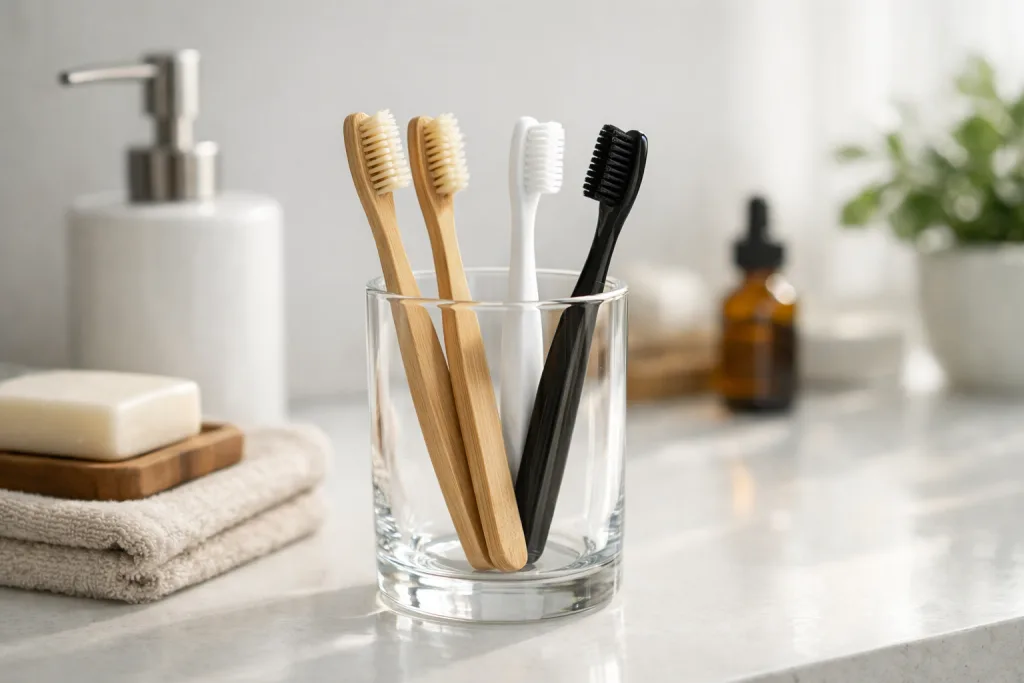
Traditional toothbrushes typically use polypropylene plastic handles and nylon bristles. These materials are derived from fossil fuels, last hundreds of years in landfills, and contribute to the ongoing plastic pollution crisis. In contrast, bamboo toothbrushes swap plastic handles with naturally grown bamboo, a renewable material that grows rapidly and requires few chemicals or pesticides. This change drastically alters the product’s environmental footprint.
Biodegradability and Composting
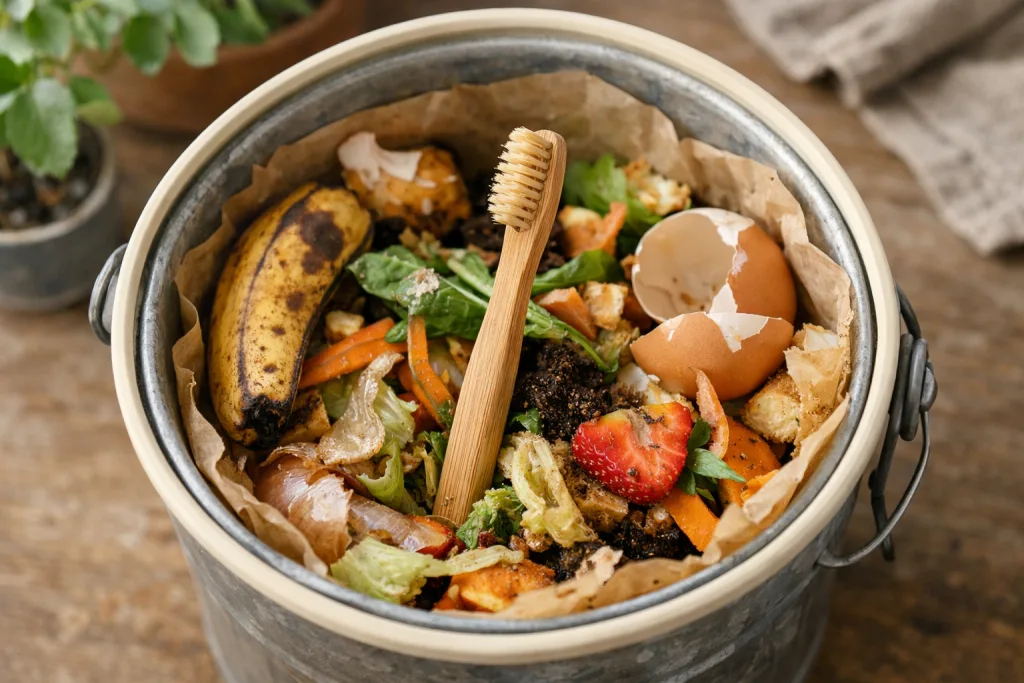
One of bamboo’s greatest advantages is its biodegradability. The handle of a bamboo toothbrush can break down in a home compost under the right conditions, returning to the earth in a matter of months. By comparison, traditional plastic handles rarely, if ever, decompose naturally. Keep in mind, though, that even bamboo toothbrushes often use nylon bristles, which must be removed before composting for a fully biodegradable result.
Bamboo Sourcing and Its Environmental Impact
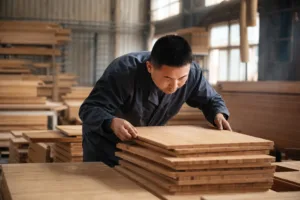
Responsible sourcing matters. Bamboo can be an eco-winner if grown and harvested sustainably. Native to Asia, it’s prized for rapid regrowth after harvesting, low water requirements, and its ability to renew soil. Manufacturers like Bamboo Wood Art carefully select mature stalks and utilize low-impact harvest methods to maintain healthy forests. However, not all producers follow best practices, so third-party certifications, such as FSC, can help shoppers identify truly sustainable bamboo goods.
Are Bamboo Toothbrushes Really Eco-Friendly?
Analysis of Carbon Footprint
Bamboo absorbs more carbon dioxide and releases more oxygen than many tree species. Manufacturing bamboo toothbrushes generally produces fewer emissions than plastic toothbrushes, especially when local or regional sourcing reduces shipping distances. However, if bamboo is transported internationally without eco-friendly logistics, some sustainability gains are lost.
Manufacturing Processes
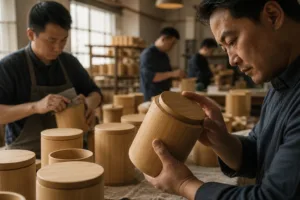
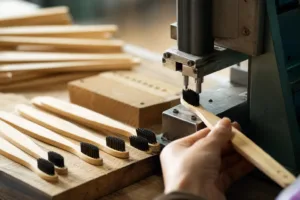
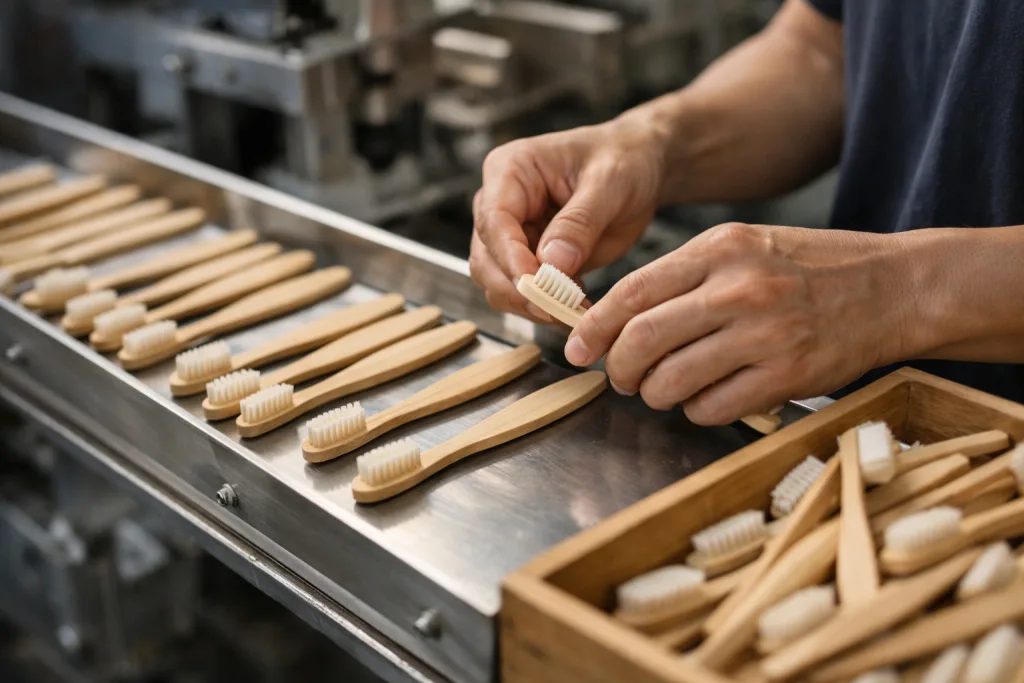
Bamboo’s hardness requires specialized cutting and shaping equipment. Energy inputs are needed, though the absence of fossil-fuel-derived resins and new plastics lessens the overall environmental impact. High-quality bamboo toothbrush producers often implement food-safe adhesives and thorough sanding for safety and hygiene, as seen in bamboo toothbrushes manufacturing.
Packaging Considerations
Eco-credentials of a bamboo toothbrush hinge not just on the handle, but also on its packaging. Many brands package their brushes in recycled paper boxes or plastic-lite wrappers, further cutting landfill waste. For those interested in broader packaging innovations, see the guide on plastic-lite options for packaging.
Comparing Bamboo Toothbrushes to Conventional Options
Lifespan and Durability
Both bamboo and conventional plastic toothbrushes are designed to last about three months—the period dentists recommend for hygiene reasons. With careful use and proper drying, bamboo handles resist mold and cracking during normal use. Modern manufacturing, including kiln-drying methods, can help extend the lifespan of bamboo products even in humid bathrooms.
Health and Hygiene Factors
Bamboo contains natural antimicrobial properties, providing an added level of hygiene. Plastic options, while easy to clean, do not have inherent antibacterial benefits, and may harbor bacteria in scratches over time. With all toothbrush types, regular replacement is key for oral care and safety.
Cost Effectiveness
While bamboo toothbrushes can be slightly pricier upfront, bulk and wholesale programs make them more affordable—especially as demand grows and production scales increase. Over time, as sustainable oral care becomes more common, prices are expected to drop further.
Potential Drawbacks and Challenges
Recycling Limitations
While bamboo handles are biodegradable, most bristles are made from nylon or other petroleum-based plastics that cannot be composted. This creates a minor recycling hurdle—users must pluck out bristles for proper disposal. Fully plant-based bristles are available but may not offer the same cleaning performance or durability yet.
Market Accessibility
In some regions, bamboo toothbrushes remain a specialty item. They may not be as readily available as traditional options in local stores or supermarkets, but online retailers and bulk order programs are helping to close this gap. Larger buyers can benefit from bulk & wholesale programs which bring down costs and improve access.
Vegan and Cruelty-Free Aspects
Most bamboo toothbrushes are marketed as vegan, meaning no animal by-products or animal testing are involved in production. However, not every brand offers transparency, so eco-conscious consumers should check product details or certifications for verification. The push for cruelty-free, ethical oral care is growing alongside the sustainable oral care movement.
Are Bamboo Toothbrushes Really Better for the Environment?
After weighing the evidence, bamboo toothbrushes stand out as a substantially greener alternative to conventional plastic brushes. Their compostable handles, renewable raw materials, and lower manufacturing emissions back up eco-friendly claims. For consumers willing to accept minor drawbacks—such as removing nylon bristles and slightly higher costs—bamboo toothbrushes are indeed a meaningful step towards sustainable oral care. When paired with responsible sourcing and minimal packaging, these brushes help cut down on plastic waste and encourage ongoing innovation in the personal care industry.
Frequently Asked Questions
How long does a bamboo toothbrush last?
On average, a bamboo toothbrush lasts about three months, similar to a plastic toothbrush. Replace when bristles fray or every season as dentists suggest for optimal oral health.
How should I dispose of a bamboo toothbrush?
Remove the nylon bristles with pliers and compost the bamboo handle. If composting isn’t available, dispose of the handle with green waste for more eco-friendly breakdown.
Are bamboo toothbrushes mold-resistant?
Bamboo is naturally antimicrobial, but to prevent mold, always stand your brush upright and allow it to air dry between uses—especially in humid bathrooms.
Can bamboo toothbrushes be used by children?
Yes. Children’s sizes are available, and the smooth, natural handle is safe when used properly. Make sure to select the correct size and supervise brushing as you would with any toothbrush.
Are all bamboo toothbrushes vegan?
Most are vegan, using plant-based materials and avoiding animal testing. However, check product specs or brand certifications to confirm individual products are fully vegan.
Are bamboo toothbrush bristles eco-friendly?
Most bristles are nylon, which is not biodegradable. Seek plant-based bristle options for greater sustainability, though these may have different performance qualities.