Introduction
Teaching kids how to use chopsticks is more than just a fun cultural activity—it provides meaningful opportunities for growth. With the rise of Asian cuisine internationally, children using chopsticks not only gain practical eating skills but also develop fine motor coordination, patience, and cultural awareness. For families and educators interested in fostering independence and global understanding, learning with kids’ chopsticks is a rich hands-on journey that begins at the dinner table.
- Importance of teaching kids how to use chopsticks
- Benefits for fine motor skills and cultural understanding
When Should Kids Start Learning to Use Chopsticks?
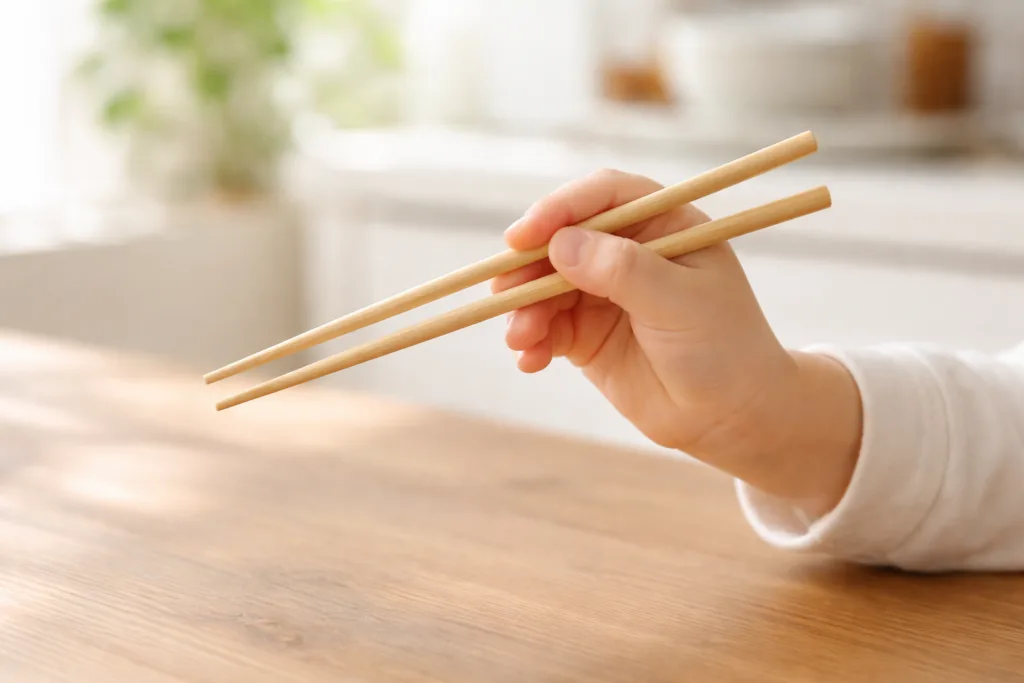
Experts generally recommend that children can start learning to use chopsticks between the ages of 3 and 5. However, readiness varies: some children show curiosity and dexterity earlier, while others may benefit from waiting until their grip strength and hand-eye coordination mature a bit more. Look for signs such as an interest in mimicking adults, ability to manipulate crayons or small blocks, and a willingness to focus on a new task. Patience and encouragement go a long way—each child’s development is unique.
- Recommended age to begin
- Signs of readiness in children
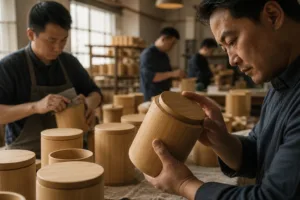
If you’re seeking high-quality options, consider Bamboo Wood Art as your bamboo chopsticks manufacturer for custom or bulk needs.
Choosing the Right Chopsticks for Kids
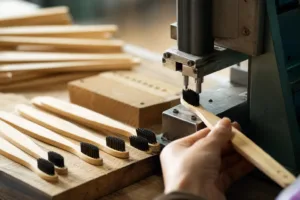
Not all chopsticks are created equal—especially for the little hands of beginners. Natural materials like bamboo and wood are widely considered the best for kids because they’re lightweight, non-slip, and gentle on the mouth. Bamboo chopsticks, in particular, provide a good balance of durability and comfort. Wooden chopsticks, often crafted from birch or beech, share similar benefits and are readily available. In contrast, plastic versions, though colorful and fun, can sometimes be slippery or less eco-friendly.
When comparing bamboo versus wooden chopsticks, remember that bamboo is naturally antimicrobial and more resistant to staining, making them a great sustainable choice. Some parents choose beginner-friendly models, such as connected pairs, that make initial practice less daunting.
- Why bamboo and wooden chopsticks are suitable choices
- Comparing materials: bamboo vs wood vs plastic
Step-by-Step Guide to Teaching Kids Chopstick Skills
Helping your child master chopsticks can be simple and fun. Here’s a practical approach:
- Start with trainer chopsticks: These are chopsticks joined at the top by a hinge or elastic, making it easier to grasp and practice the right movement.
- Use large, easy-to-pick-up foods: Items like cheese cubes, chunks of cooked vegetables, or bread pieces are perfect early practice foods.
- Break it into steps: Begin with just picking up and moving objects; later, practice picking up actual food at mealtime.
- Introduce fun games: Activities like picking up small toys, marbles, or grains of rice can strengthen control and coordination.
- Encourage patience and celebrate effort: Progress may be slow at first—remind children that learning a new skill takes time!
Parents should avoid common mistakes such as pushing kids to use adult-sized, lacquered chopsticks or expecting perfect technique overnight. Small, child-sized bamboo or wooden chopsticks are ideal, and positive encouragement makes a big difference. Remember: messy moments are part of the fun and learning process.
- Fun games and activities
- Tips for parents and caregivers
- Common mistakes to avoid
Safety and Hygiene Tips
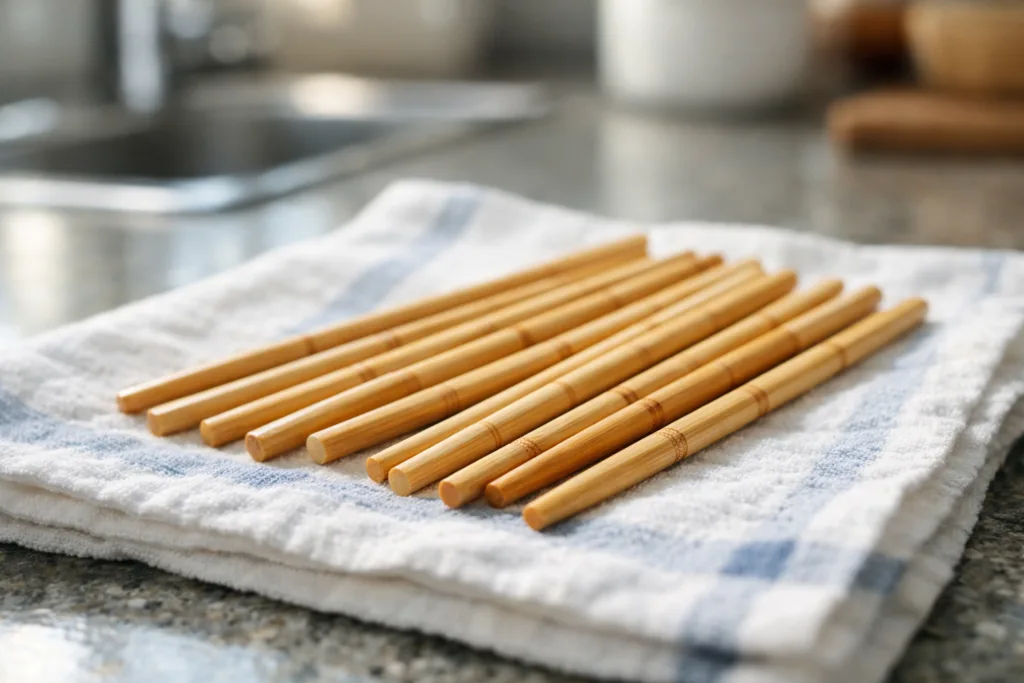
Ensuring safety and cleanliness is critical, especially when introducing eating utensils to young children. Bamboo and wooden chopsticks should be washed gently with warm water and mild soap—avoid soaking for long periods to prevent warping or mold growth. Dry them thoroughly before storing. Check for splinters and sand down any rough ends before giving them to kids.
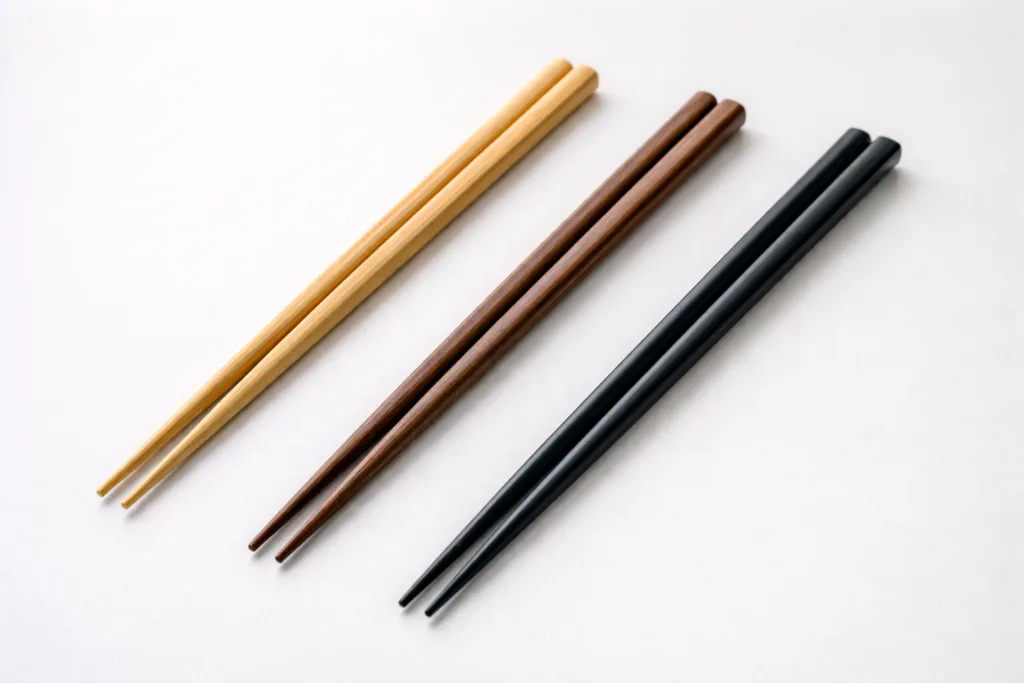
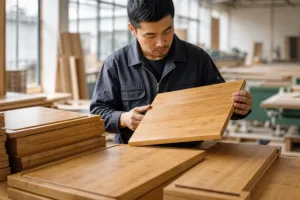
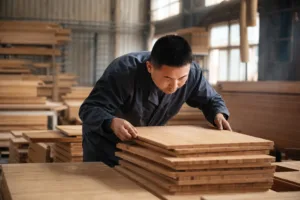
Bamboo and wooden chopsticks are generally safe, but always supervise young children during meals. Replace chopsticks if they show signs of damage or excessive wear. Manufacturers like Bamboo Wood Art typically kiln-dry their chopsticks and conduct sanding quality checks to enhance durability and safety, using food-safe finishes where required.
- Cleaning bamboo and wooden chopsticks
- Ensuring safe use by young children
Kids’ Chopsticks: When and How to Start Teaching
Introducing kids to chopsticks opens a window to new cultural experiences and personal growth. The right approach involves timely readiness, selecting user-friendly bamboo or wooden chopsticks, and supporting learning with patience and play. Whether at home or in the classroom, chopsticks empower kids to engage in global traditions while building confidence, fine motor skills, and healthy eating habits.
Conclusion
Learning to use chopsticks is more than a culinary milestone—it fosters independence and expands cultural appreciation. Encourage regular practice, and keep mealtimes fun and stress-free. For parents looking for further guidance, books, videos, and even international cooking experiences can solidify these life-long skills. And when choosing utensils, select safe, well-crafted options to ensure both success and safety.
Frequently Asked Questions
What age can kids start using chopsticks?
Most children can begin practicing with chopsticks between ages 3 and 5, depending on motor skills and interest. Trainer chopsticks are useful for early beginners.
Which chopsticks are safest for kids?
Bamboo and wooden chopsticks are typically the safest because they’re lightweight, easy to grip, and non-toxic. Always check for splinters and finish quality.
How do I clean bamboo or wooden chopsticks?
Hand wash with mild soap and warm water, dry thoroughly, and avoid long soaking. Replace if splintering occurs for continued safety.
Are there fun ways to help kids practice chopsticks?
Definitely—try games using small toys or snack foods, and introduce challenges like sorting or stacking, making learning playful and engaging.
Can I use adult chopsticks for my child?
It’s better to use child-sized chopsticks, as adult versions may be too long or slippery. Trainer chopsticks or small bamboo models work best for beginners.
What are the main benefits of kids learning chopsticks?
They develop fine motor skills, patience, and cultural awareness, while building confidence around self-feeding and global traditions.