Introduction
Bamboo products have become increasingly popular due to their natural appeal, sustainability, and versatility. Whether it’s kitchenware, home decor, personal care items, or furniture, bamboo strikes a unique balance between eco-friendliness and durability. For businesses and entrepreneurs thinking about entering this industry or those looking to optimize their current operation, understanding the cost breakdown of manufacturing bamboo products is crucial. A clear knowledge of costs not only helps with pricing and profitability but also with supply planning and scaling production efficiently.
In this article, we’ll break down each major cost driver you’ll encounter when manufacturing bamboo products, highlighting real-world considerations that matter to factories, buyers, and brands alike.
Raw Material Costs
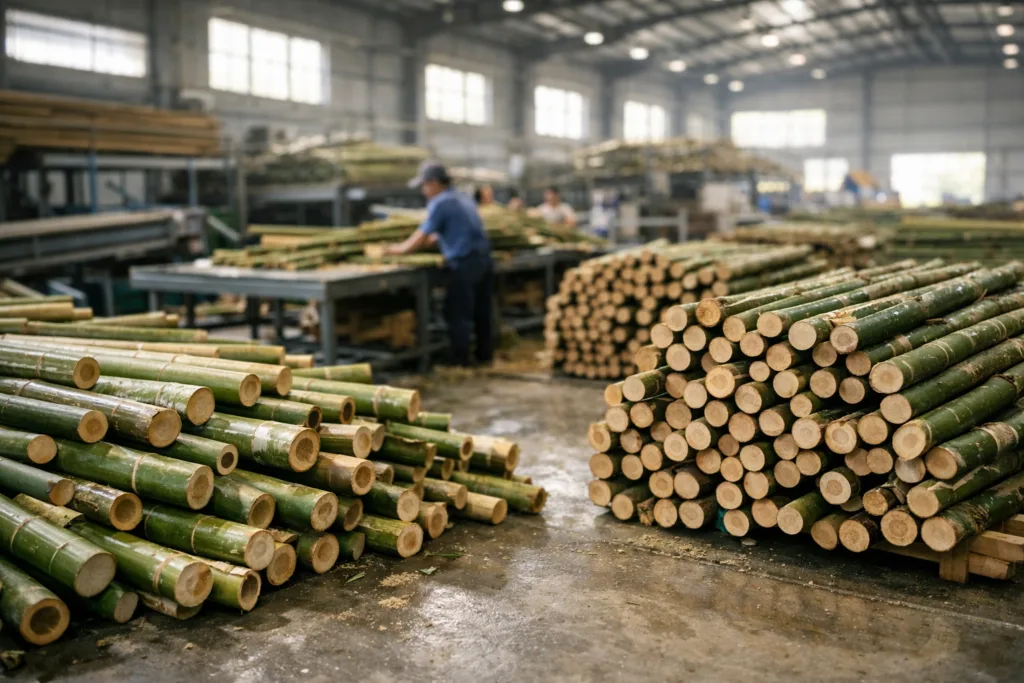
Bamboo is renowned for its rapid growth and renewability, making it cost-effective in the long run, but the reality of raw material expenses depends on several factors:
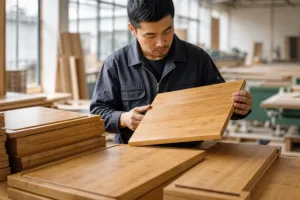
- Bamboo versus Wood: The cost of bamboo culms may seem lower than that of hardwood, but not all bamboo is created equal. Moso bamboo, for example, is a preferred species for commercial production due to its strength, straight growth, and uniformity. Prices fluctuate with seasonal cycles and weather, impacting supply and cost stability.
- Sourcing: Sourcing quality bamboo from certified plantations reduces the risks of pests and inconsistent moisture. Sourcing from reputable regions typically comes with a premium. Responsible sourcing practices also dictate the long-term viability of the product line.
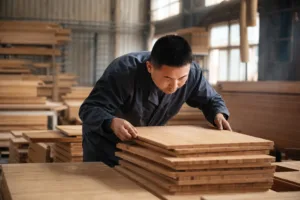
- Transportation: Moving raw bamboo from rural groves to processing factories adds variable costs, dependent on fuel prices, distance, and terrain. Bulk shipments may reduce per-unit costs but increase storage requirements.
If you’re interested in custom bamboo solutions or want to start a private label line, explore our bamboo products manufacturer options for tailored manufacturing and bespoke branding.
Labor and Production Expenses
Producing quality bamboo products isn’t just about raw materials. The hands that craft and assemble each item play a pivotal role:
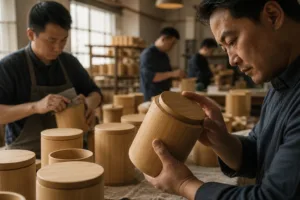
- Skilled Workforce: Bamboo crafting requires training. Workers must know how to select, split, treat, and assemble bamboo pieces without damaging the fibers. Skilled labor is often paid a premium but reduces waste and boosts product quality.
- Wages and Benefits: Manufacturing in regions with higher wage standards will naturally inflate labor costs. In addition, benefits and overtime regulations must be accounted for. Labor-intensive products, like handwoven baskets or detailed joinery, see more pronounced effects from labor rates.
Machinery and Equipment
Bamboo processing uses specialized machinery optimized for splitting, planing, sanding, and assembly:
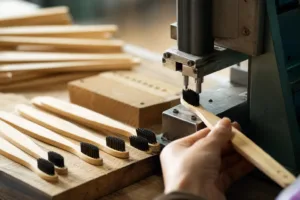
- Investment: Initial outlay for machines—such as splitters, presses, CNC routers, and finishers—may be steep. However, automating parts of the process can reduce per-unit labor costs and increase consistency.
- Maintenance: Regular maintenance and replacement of blades and sanding belts are ongoing costs. Moisture in fresh bamboo can cause machine wear or corrosion, so protective measures are critical for longevity.
- Operational Costs: Electricity, water, and sometimes additional drying equipment factor into ongoing expenses.
Finishing and Packaging
The final look and durability of a bamboo product often hinge on finishing processes:
- Surface Treatments: Sanding and polishing eliminate splinters, while food-safe oils, lacquers, or carbonization enhance durability. Customized engravings or branding add to finishing time and cost.
- Packaging: Packaging costs vary based on presentation standards and sustainability goals. Corrugated cardboard, recycled paper, or plastic-free options may cost more initially but align with eco-minded markets. Plastic-lite packaging options are trending for reducing ocean-bound waste.
- Logistics: Carton packing, palletization, and labeling for export are critical. International shipments can add customs and documentation charges.
Environmental and Regulatory Fees
As bamboo manufacturing grows, so does the need to adhere to environmental standards:
- Certifications: Certifications such as FSC or PEFC confirm that raw materials are responsibly sourced. While these guarantee quality and legitimacy for customers, they often come with annual fees and audit costs.
- Compliance: Local and international standards regarding emissions, formaldehyde content, labeling, and recycling add administrative or engineering requirements. Some regions levy environmental taxes or require specific waste disposal processes.
- Documentation: Exporting bamboo and wooden goods sometimes requires special customs codes and documentation, ensuring compliance with global phytosanitary standards.
Cost Reduction Strategies
Manufacturers seeking to remain competitive must seek ways to optimize every stage:
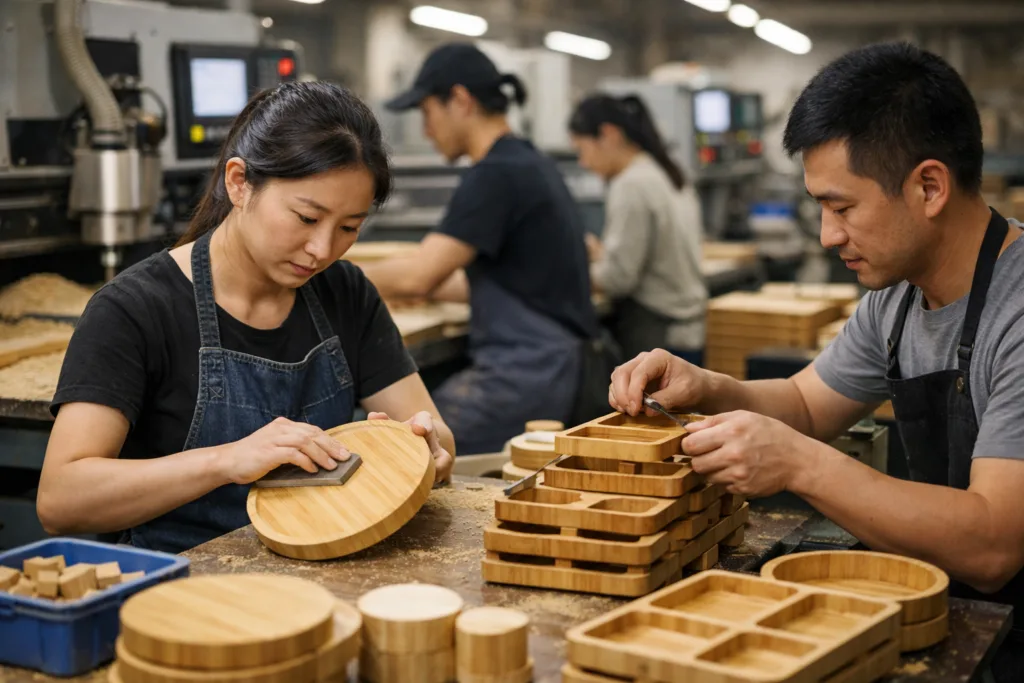
- Resource Management: Controlling inventory and reducing waste can save material costs. For example, using offcuts for smaller items minimizes scrap.
- Process Innovations: Introducing automation in finishing, or adopting faster-drying adhesives and kiln-drying methods, improves efficiency. At Bamboo Wood Art, we’ve found that pre-seasoned Moso bamboo offers optimal stability for cutting boards, slashing waste from warping or splitting.
- Bulk Sourcing: Partnering with material suppliers for larger orders can yield cost breaks. Incorporating locally sourced packaging further reduces transportation costs.
The Cost Breakdown of Manufacturing Bamboo Products
Let’s synthesize what contributes to the final price tag of a bamboo product. Here’s a simplified table, though each factory’s numbers may differ due to scale, location, or market segment:
| Cost Component | Typical % of Total | Notes |
|---|---|---|
| Raw Material (Bamboo & Wood) | 25-40% | Varies with grade and source |
| Labor | 20-30% | Higher with handcrafted or woven items |
| Machinery & Maintenance | 10-18% | Depreciates over machine lifetime |
| Finishing & Packaging | 12-20% | Premium packaging can push this higher |
| Certifications & Compliance | 3-7% | Required for exports, not always domestically |
| Overhead (Utilities, Admin, Rent) | 5-10% | Depends heavily on operation size |
Understanding the full breakdown helps buyers and sellers negotiate transparently, manage expectations, and build lasting partnerships.
Conclusion
The biggest costs in manufacturing bamboo products stem from skilled labor, quality raw bamboo, equipment investments, and increasingly, the cost of regulatory compliance and eco-friendly packaging. Companies that optimize waste reduction, invest in skilled labor, and adapt to new processing technologies can lower unit costs over time. For buyers, partnering with transparent manufacturers leads to better value and long-term success.
Whether you’re launching a small line of bamboo trays or scaling up kitchen product exports, knowing where your money goes makes every dollar smarter and more sustainable.
Frequently Asked Questions

What factors most affect bamboo manufacturing costs?
The main factors are raw bamboo quality, labor intensity, processing equipment type, finishing methods, packaging, and compliance with regulations and sustainability standards.
Is bamboo really cheaper to produce than wood?
While bamboo grows faster and is often less expensive as a raw material, processing and finishing can cost as much as or more than wood due to specialized labor and treatments.
How do sustainability certifications impact costs?
Certifications like FSC or PEFC add annual fees, audit expenses, and stricter sourcing requirements, but also enhance market credibility and export access.
Are labor costs higher for handwoven bamboo items?
Yes, handcrafted or handwoven bamboo items are much more labor-intensive, resulting in higher wages and longer production times, raising overall costs.
Can manufacturers reduce costs with automation?
Automation reduces repetitive labor expenses, improves consistency, and may lower costs in large-scale manufacturing, especially for cutting and shaping processes.
What are the hidden costs in bamboo production?
Hidden costs include equipment maintenance, seasonal material fluctuations, environmental fees, waste disposal, and export compliance paperwork.