Introduction to Bamboo Grain Orientation
Bamboo has rapidly grown in popularity as an eco-friendly alternative to traditional hardwoods in both construction and product design. Its remarkable growth rate, renewability, and versatile appearance make it an attractive option for businesses and homeowners alike. The way bamboo is processed—particularly the direction of its grain—greatly impacts its final look, feel, and performance. To get the most from this unique material, it’s essential to understand bamboo grain orientation and how it shapes the qualities of bamboo wood products.
What is Bamboo Grain?
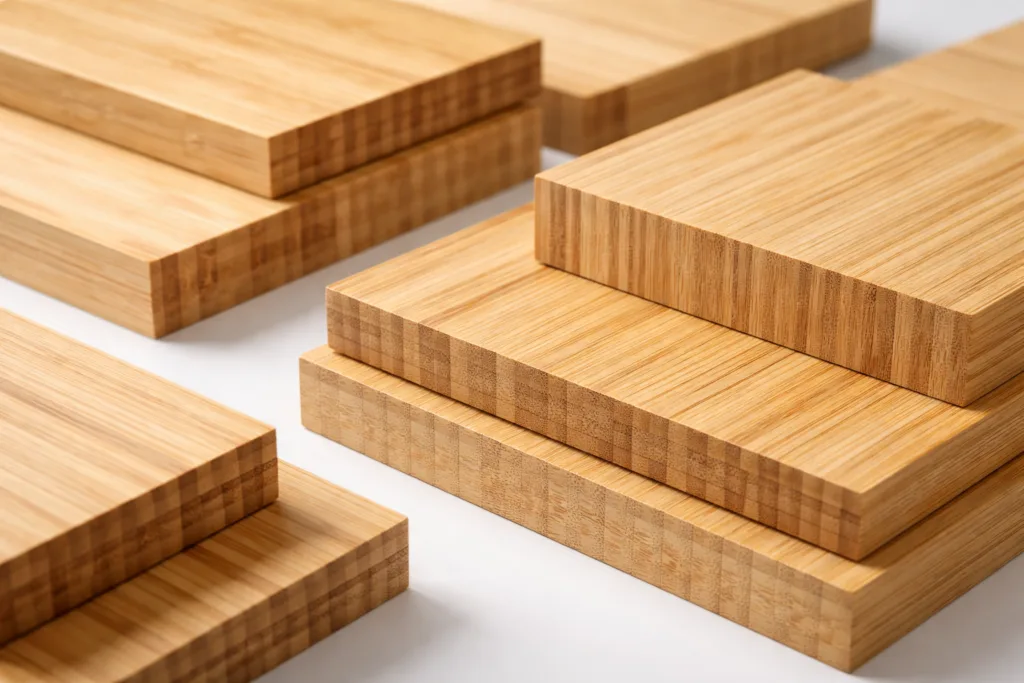
Bamboo grain refers to the distinct lines and patterns visible on bamboo wood surfaces, determined by the direction in which the raw stalks are cut and assembled. Unlike trees, bamboo is a grass, featuring hollow, segmented culms with strong, fibrous walls running vertically from root to tip. During processing, manufacturers slice or split bamboo into thin strips, which are then arranged either vertically or horizontally before being bonded under high pressure. This choice of orientation produces either vertical or horizontal bamboo grain, each offering unique characteristics in the finished product.
For businesses seeking consistent quality, partnering directly with a bamboo products manufacturer ensures factory-direct prices and diverse customization options.
Vertical Bamboo Grain
Definition and Manufacturing Process
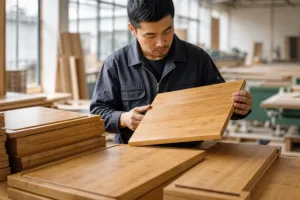
Vertical bamboo grain is achieved by aligning narrow bamboo strips on their edges so that the natural grain runs lengthwise, perpendicular to the width of each panel or board. These strips are pressed closely together and glued side-by-side using safe adhesives, resulting in solid sheets or planks. Bamboo Wood Art, for example, employs kiln drying and careful adhesive application to optimize stability and minimize risk of warping or separation during use.
Visual Appearance and Texture
Vertical grain bamboo features a fine-lined, uniform look, where the pattern is subtle and linear. The texture tends to be smoother, with less pronounced nodal markings (those visible lines or marks from the natural bamboo joints). This streamlined appearance suits minimalist designs and modern aesthetics, providing a refined backdrop for both furniture and flooring.
Key Benefits and Common Applications
- Strength: Vertical orientation concentrates the natural bamboo fibers, offering excellent resistance to repetitive pressure—ideal for flooring and demanding surfaces.
- Stability: The edge-grain structure limits expansion and contraction due to humidity or temperature changes.
- Uses: Vertical bamboo grain is frequently used in commercial flooring, kitchenware, desktops, cabinetry, and surfaces requiring consistent texture and color.
Horizontal Bamboo Grain
Definition and Manufacturing Process
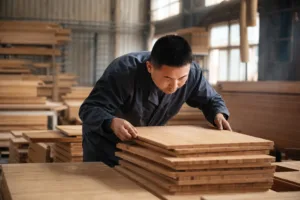
Horizontal bamboo grain is produced by laying wider bamboo strips flat, so their broad face forms the surface of the board or sheet. When pressed together, these strips retain the signature banding and “knuckle” details from the bamboo’s naturally spaced nodes. Adhesives are applied along the edges, and the resulting panels are sanded and optionally carbonized for color adjustment.
Visual Appearance and Texture
Horizontal grain showcases bamboo’s distinctive structure—broad bands, visible nodes, and a varied, organic pattern. This natural appeal is prized for designs prioritizing warmth and authenticity. Texture is often less even than vertical grain products, but highly tactile and visually dynamic, making it a favorite for statement pieces and accent features.
Key Benefits and Common Applications
- Natural Aesthetics: The surface clearly reflects real bamboo, helping spaces feel inviting and handcrafted.
- Traditional Strength: While slightly less hard than vertical grain, horizontal panels generally offer robust performance for furniture and wall cladding.
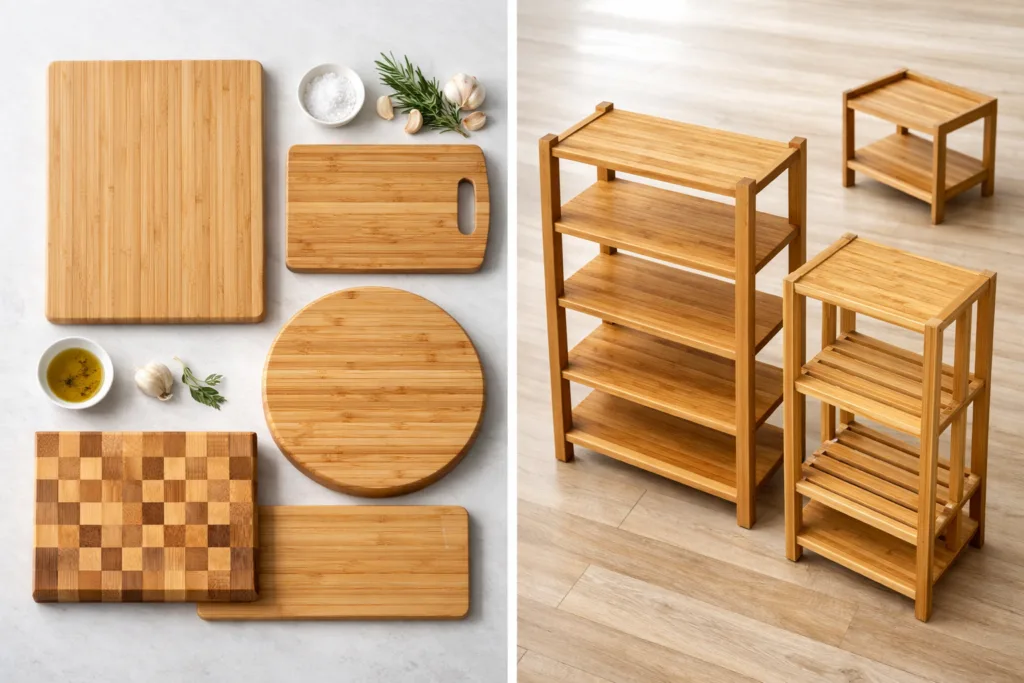
- Uses: Horizontal bamboo is popular for cutting boards, shelving, cabinetry, feature walls, and product applications where appearance is paramount.
Comparison: Vertical vs. Horizontal Bamboo Grain
| Feature | Vertical Bamboo Grain | Horizontal Bamboo Grain |
|---|---|---|
| Strength | Generally harder and more stable for heavy traffic surfaces | Solid strength, slightly softer and more prone to impressions |
| Durability | Excellent for flooring, tables, and kitchen tools | Great for shelves, décor, cabinetry, less for high-wear flooring |
| Visual | Sleek, fine lines, subtle grain | Natural, shows nodes/knuckles, organic look |
| Cost | Slightly higher (extra processing/precision) | Usually lower—simpler assembly |
| Best Use Cases | Commercial floors, countertops, minimalist design | Home décor, visible furniture surfaces, accent walls |
Choosing the Right Bamboo Grain for Your Project
When selecting a bamboo wood product, ask yourself how the item will be used, what kind of wear it will encounter, and what aesthetics are desired. For areas expecting heavy foot traffic or ongoing impacts, such as commercial flooring or worktops, vertical grain bamboo is usually preferred for its enhanced hardness and stability. If visual warmth and prominent natural patterns are most important—say, for accent panels, bookshelves, or kitchen accessories—horizontal bamboo grain might be a better fit.
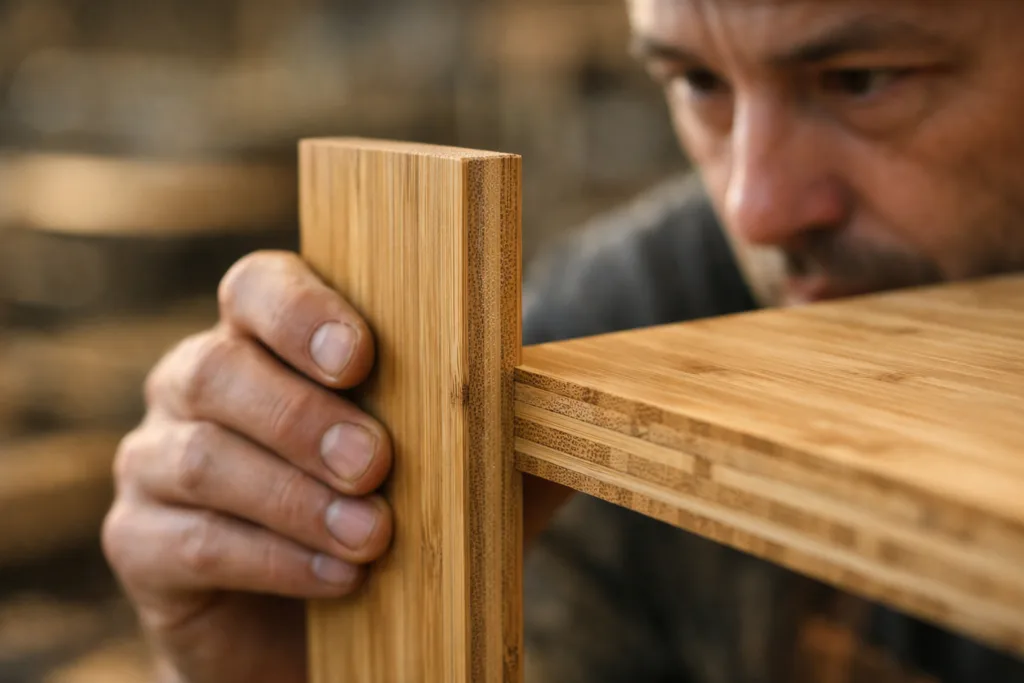
It’s also wise to consider how the product will be finished and maintained. Vertical grain surfaces may mask minor scratches better, while the identifiable bands of horizontal grain can sometimes draw more attention to dents or wear marks. Always communicate with your bamboo supplier about adhesive safety, panel construction, and finish treatments to ensure the material meets your needs.
Understanding Vertical vs. Horizontal Bamboo Grain
Bamboo’s flexibility as an engineered material is rooted in how it is assembled and finished. By understanding the differences between vertical and horizontal bamboo grain, you can make informed choices about what fits your project’s function, visual goals, and environmental requirements. Whether you prioritize sleek modernism or natural charm, bamboo grain orientation has a direct effect on your result.
Conclusion
Choosing between vertical and horizontal bamboo grain comes down to performance needs, style preferences, and budget goals. Vertical bamboo grain offers a refined, strong, and consistent panel suited to high-wear areas, while horizontal grain delivers unbeatable visual authenticity and warmth. Knowing when and where to apply each option ensures your flooring, furniture, or specialty projects both look the part and stand up to daily use.
Frequently Asked Questions
Which bamboo grain is better for flooring?
Vertical bamboo grain is typically preferred for flooring because it provides higher strength and stability, especially in high-traffic areas.
Does bamboo grain affect the durability of kitchen products?
Yes, vertical grain often resists cuts and warping better, while horizontal grain may show more wear but offers a distinct natural appearance.
What grain is best for visible shelving or cabinets?
Horizontal bamboo grain excels for visible shelving or cabinets due to its organic lines, knots, and natural warmth—ideal for display and accent pieces.
Are vertical and horizontal bamboo grains equally sustainable?
Both utilize bamboo efficiently, with the main differences being visual. Sustainability largely depends on harvesting methods and adhesive safety.
Can vertical and horizontal bamboo be used together?
Yes, mixing grain orientations can enhance interior design; just ensure each is used according to its strengths (surface, accent, supporting structure).
Is there a price difference between vertical and horizontal bamboo grain?
Vertical bamboo grain panels are often slightly more expensive due to extra processing, but both are cost-effective compared to hardwoods.