Introduction
Bread is a staple in many kitchens, but storing it properly can be tricky. With more people looking for natural and sustainable storage, the bread box, bamboo options—and their classic metal counterparts—are gaining popularity. In this article, we break down the advantages and trade-offs between bamboo and metal bread boxes to help you keep your bread fresher for longer—and make a choice that fits your kitchen style and values.
Why Use a Bread Box?
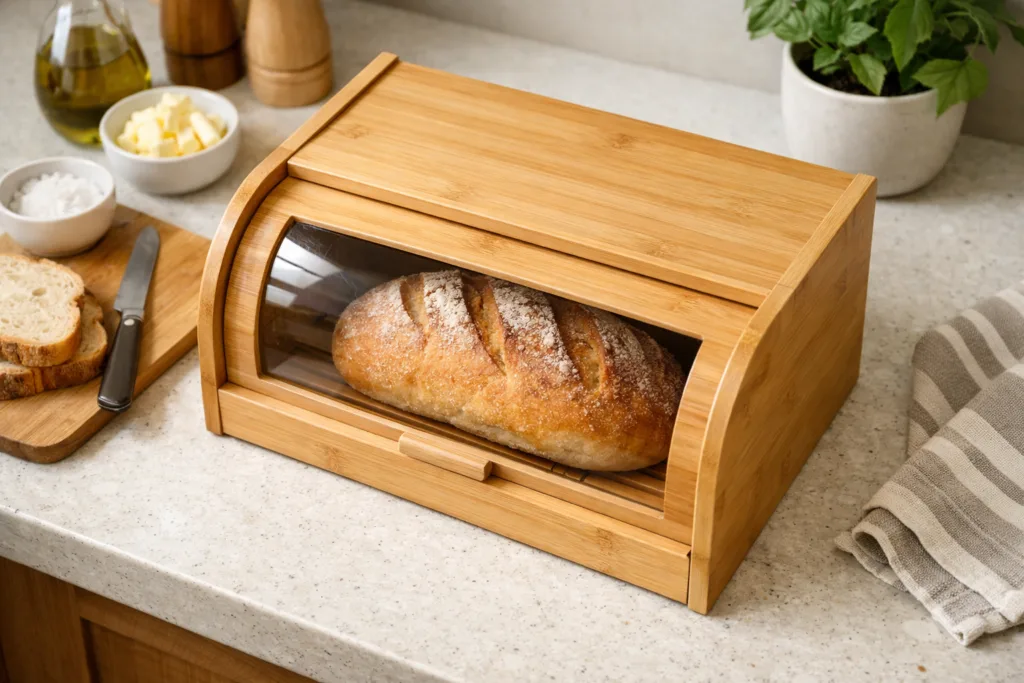
Bread boxes are designed to do more than just sit prettily on your countertop. Their main job is to reduce how quickly bread dries out or gets moldy. By controlling air flow, bread boxes slow down staling, especially compared to plastic bags, which trap excess moisture, or leaving loaves uncovered, which dries them out fast.
- Prolongs Freshness: Proper storage keeps bread soft, moist, and flavorful for several days.
- Reduces Mold Risk: Balanced humidity discourages mold growth, common in humid climates.
- Minimizes Waste: Fresher bread means fewer stale slices tossed into the bin.
Whether you bake at home or prefer artisan loaves, the right bread box can make a noticeable difference in taste and texture.
If you’re searching for a manufacturer specializing in bamboo bread boxes, explore our custom options at bamboo products manufacturer—we offer flexible designs and finishes for your unique business needs.
Bamboo Bread Boxes: Natural Freshness
Bamboo bread boxes are gaining fans as people choose more eco-friendly kitchenware. Let’s dive into their key qualities.
Eco-Friendly Material
Bamboo is a fast-growing, sustainable crop. Harvesting it doesn’t destroy root systems, making it an eco-conscious alternative to hardwoods or plastics. Bamboo bread boxes are biodegradable at end of life and have a lower carbon footprint compared to metal production.
Moisture Control and Breathability
Bamboo has natural breathability, allowing for gentle air exchange inside the box. This subtle ventilation can help regulate humidity—keeping your bread from going stale too quickly but not locking in too much moisture that promotes mold. If you live in a humid climate, be sure to keep your bamboo box dry and wipe it occasionally to avoid mildew.
Design Aesthetics and Kitchen Compatibility
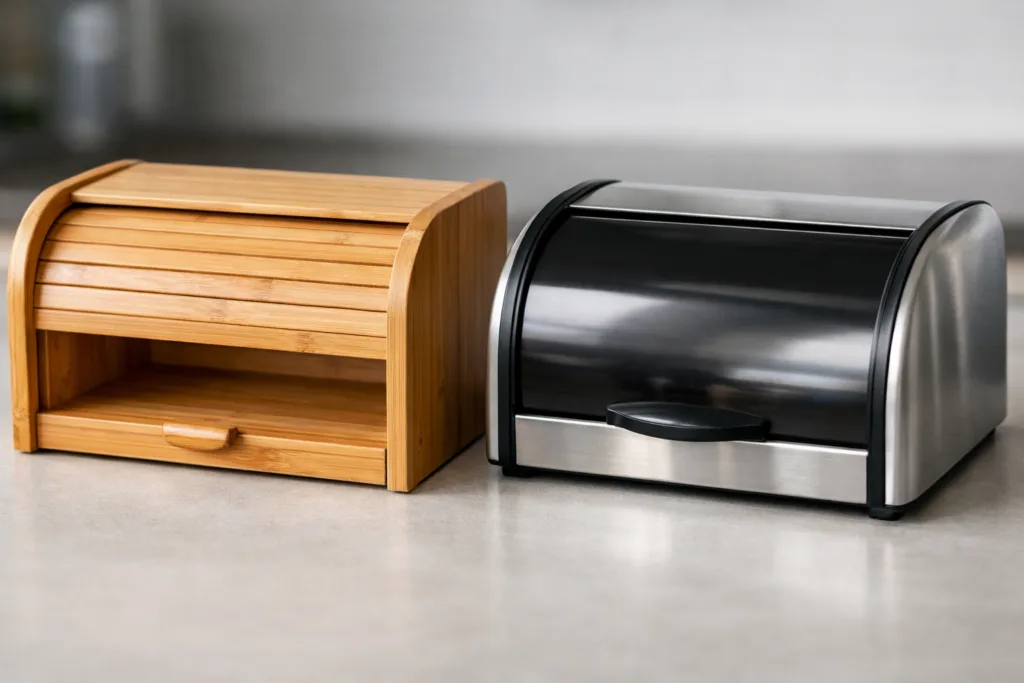
The warm tones and organic grain of bamboo suit minimal, rustic, or modern kitchens. Bamboo can be carved or shaped into sleek, smooth boxes or more traditional designs. Unlike metal, it doesn’t get hot to the touch and is naturally quiet when opening and closing.
Practical Manufacturing Insights
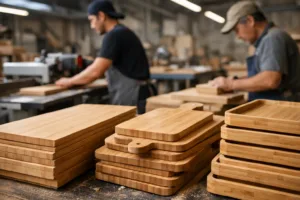
At Bamboo Wood Art, bread boxes are made using vertical grain construction and careful kiln drying for moisture control. This process reduces warping and extends the life of the product. Food-safe finishing oils are used to keep the box hygienic while showcasing the natural bamboo grain. Proper joinery ensures that hinges and handles hold up to daily use.
Metal Bread Boxes: Durable and Classic
Metal bread boxes have been a staple in kitchens for generations. Their resilience and timeless look keep them popular, especially in retro-themed and industrial-inspired spaces. Here are their major characteristics.
Durability and Sturdy Construction
Made from stainless steel, tin, or aluminum, metal bread boxes are highly durable. They don’t crack, warp, or absorb odors. Most are powder-coated or painted, giving them a long-lasting, easy-to-clean surface.
Sealing Properties and Freshness Retention
Many metal boxes seal more tightly than bamboo or wood counterparts, which can preserve moisture inside—good for crusty European breads that need a bit of humidity to prevent drying out. However, in humid kitchens, this tight seal might trap excess moisture, increasing mold risk.
Maintenance and Cleaning Tips
Metal bread boxes wipe clean with a damp cloth and don’t need special treatments. They’re generally less prone to staining or odor issues, though dents or scratches can occur with heavy use. To prevent rust, always dry thoroughly after cleaning, especially with tin or uncoated steel versions.
Bamboo vs. Metal: Which Keeps Bread Fresher?
Choosing between bamboo and metal bread boxes depends on a handful of practical factors. Let’s cover how each performs in head-to-head freshness tests and what to consider for different kitchens and lifestyles.
| Feature | Bamboo Bread Box | Metal Bread Box |
|---|---|---|
| Air Flow | Gentle breathability; slows drying & mold | Tight seal in most models; locks in moisture |
| Moisture Regulation | Good for moderately humid or variable climates | Best for dry areas; may trap moisture in humid zones |
| Durability | Resistant to cracking/deformation; needs dry care | Highly durable; prone to dents but not warping |
| Maintenance | Handwash, dry promptly; oil occasionally | Wipe clean; check for rust or scratches |
| Design Fit | Natural, organic aesthetic | Classic, retro, or industrial look |
Climate, Bread Types, and User Habits
If you bake often and prefer artisan sourdough or crusty loaves, a metal box may keep crusts crisp if the seal isn’t overly tight. For soft sandwich breads or kitchens with fluctuating humidity, bamboo’s gentle ventilation keeps bread flavorful and slows molding. Your choice also depends on local conditions—drier homes might like the extra moisture retention of metal, while humid climates benefit from bamboo’s breathability.
Making Your Choice
Weighing the pros and cons can make your decision easier. Here’s a quick summary:
- Bamboo Pros: Sustainable, attractive, balances air flow, lightweight
- Bamboo Cons: Needs periodic oiling, avoid soaking, watch humidity
- Metal Pros: Extremely durable, easy clean, retro appeal
- Metal Cons: May dent, can trap excessive moisture, can be noisy
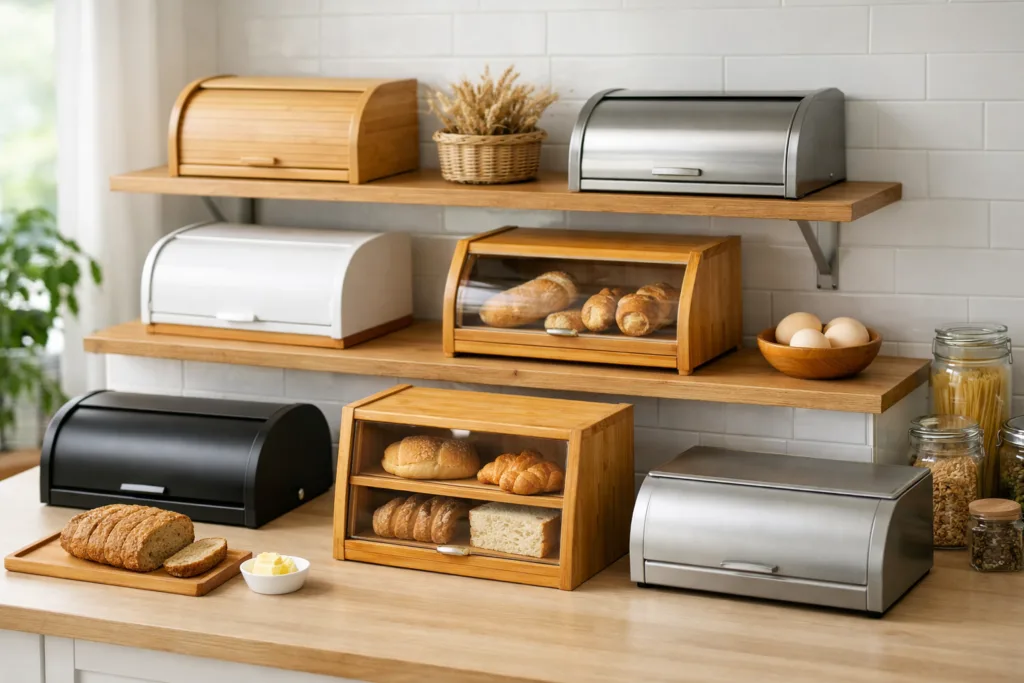
Match your choice to your kitchen’s vibe, local weather, and bread habits. If design matters, bamboo fits naturally with everything from boho to Scandinavian, while metal makes a statement in vintage or modern settings.
Bread Box Battles: Bamboo vs. Metal for Freshness
The core question: does bamboo or metal keep bread fresher? Real-world use shows that both work well but excel in different areas. Bamboo minimizes mold with its naturally breathable structure—an advantage in humid kitchens or if you’re forgetful about wiping condensation. Metal, with its solid seal, shines in dry homes or when you want to maximize softness but requires attention to airflow or you risk a mushy crust. Ultimately, it’s a question of which feature you value most: all-natural aesthetics and eco-friendliness, or industrial strength and retro style.
Conclusion
Whether you choose bamboo or metal, your bread box can cut down on waste and boost every slice with better flavor and texture. Think about your kitchen environment, bread style, and the kind of upkeep you’re willing to do. Prioritize airflow for humid climates or sealed freshness for arid ones—and you’ll find bread storage that lasts and impresses.
Frequently Asked Questions
How do I clean a bamboo bread box?
Wipe it with a damp cloth, let it dry fully, and oil it occasionally with food-grade mineral oil to prevent cracking.
Does a metal bread box keep bread from molding?
Metal bread boxes reduce drying but may hold moisture, so it’s important to ventilate them sometimes in humid environments.
Is bamboo better for the environment than metal?
Bamboo is renewable and biodegradable, making it a greener choice, while metal is recyclable but requires more energy to produce.
Do bamboo bread boxes attract pests?
Properly finished bamboo doesn’t attract pests, but keep your bread box dry and clean to avoid crumbs drawing insects.
What size bread box should I get?
Choose one that comfortably fits your typical bread size plus a little extra room for airflow; larger families may need a bigger box.
Can I use a bread box for other baked goods?
Yes, you can store rolls, bagels, or pastries, but avoid very moist cakes as they may spoil faster in enclosed spaces.