Introduction
From ancient twig chewers to cutting-edge bamboo handles, toothbrush evolution is a story of ingenuity and shifting materials. Today, there’s renewed interest in wooden toothbrushes, driven by modern eco-friendly oral care needs. This article explores the history of the toothbrush, why wood has made a comeback, and how these changes are impacting sustainability.
Early Toothbrush Materials
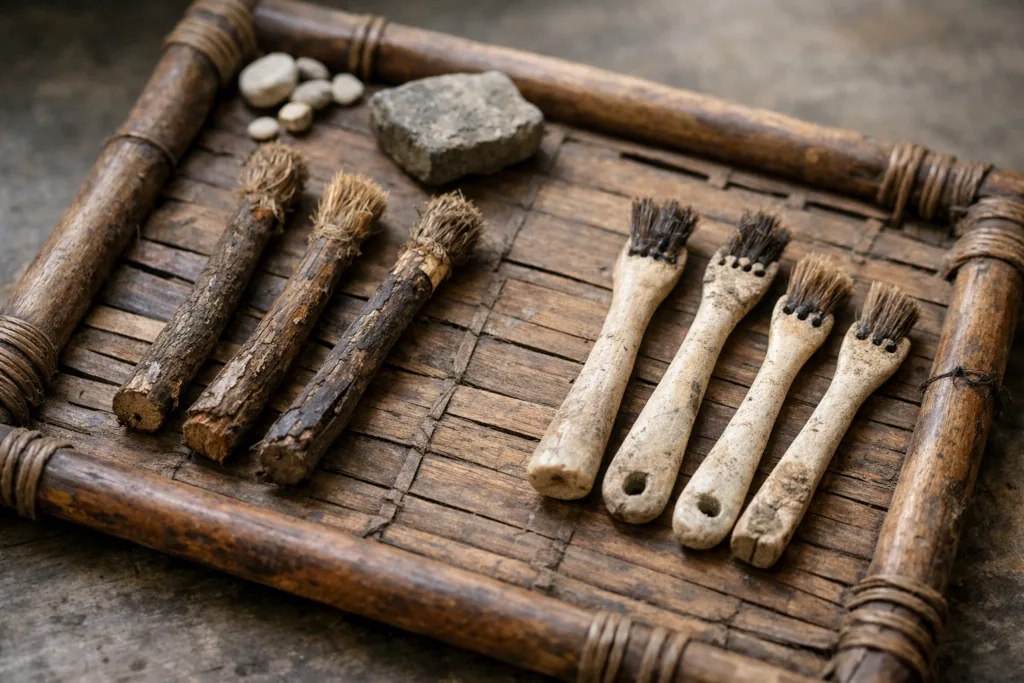
- Twigs, bark, and chewing sticks formed the foundation of early dental hygiene. Ancient civilizations like the Babylonians used frayed twigs around 3500 BC, while the Chinese developed the first bristle toothbrushes by the 15th century, using hairs from pigs attached to bone or bamboo handles.
- As oral care advanced, craftsmen replaced twigs with bone, ivory, and later wood handles. Animal bristles remained the most common brushing material for centuries, though many early designs prioritized practicality over comfort or hygiene.
Looking to start your own custom line of wooden toothbrushes? Discover your options with our bamboo toothbrushes manufacturer.
Modern Toothbrush Developments
- The 20th century marked a turning point: plastics replaced wood and bone, offering durability and mass manufacturing. Nylon bristles, invented in 1938, rapidly overtook animal hair due to their resilience and performance.
- The convenience of plastic drove widespread adoption, but also led to considerable environmental consequences. Each year, billions of plastic toothbrushes end up in landfills or oceans, where they can persist for hundreds of years and contribute to microplastics pollution.
The Return to Wood
- Rising environmental awareness has prompted a new generation to revisit natural materials. The comeback of wooden toothbrushes is powered by eco-conscious consumers, innovative manufacturers, and worldwide concern over plastic waste.
- Bamboo stands out as a leading material: it is technically a grass, yet its durability rivals hardwoods. Bamboo grows rapidly, requires minimal pesticides and fertilizers, and releases more oxygen than many trees. Maple, beech, and birch are also popular for their longevity and closed grains that resist moisture.
- Comparing bamboo toothbrushes to other wooden alternatives shows subtle but important distinctions. Bamboo handles typically resist water better, which minimizes mold risk. Some woods offer aesthetic diversity and ergonomic shapes, but all share the advantage of biodegradability over plastic. For a deeper look, read Bamboo vs. Bioplastic Toothbrushes: Which is Greener? and see how these choices compare from an environmental standpoint.
Eco-Friendly Oral Care Trends
- Consumers now demand more than just clean teeth—they seek products that align with their values. Biodegradable and renewable resources are increasingly central to purchasing decisions, especially for those pursuing zero-waste lifestyles.
- Wooden toothbrushes fit squarely within the zero-waste movement. They reduce landfill burden, simplify recycling and composting, and contribute to healthier supply chains. According to Bamboo Wood Art manufacturing insights, sustainable sourcing involves careful selection of aged bamboo, kiln drying, and food-safe adhesives for both lasting performance and responsible forestry.
History of the Toothbrush: The Return to Wood
Looking back, dental hygiene innovations reflect both changing technology and evolving priorities. As societies became aware of plastic’s environmental toll, returning to wood signifies a shift toward conscious oral care. Wooden toothbrushes aren’t just nostalgic; they’re practical solutions that connect tradition and modern green living.
Comparing Wooden and Bamboo Toothbrushes
| Material | Durability | Mold Resistance | Eco Factor |
|---|---|---|---|
| Bamboo | Excellent | Very high | Renewable, compostable |
| Maple/Beech | Good | Moderate | Biodegradable, less rapid growth |
| Plastic | Very high | High | Non-biodegradable, landfill |
The Role of Wooden Toothbrushes in Zero-Waste Movements
For zero-waste enthusiasts, switching to wooden toothbrushes is a tangible step toward reducing plastic consumption. These brushes often pair with compostable packaging and recycled bristles, further cutting down on waste. For example, disposal of a bamboo toothbrush correctly ensures you maximize their environmental benefit.
Challenges and Considerations
While wooden toothbrushes provide many advantages, they do require careful care to avoid mold and extend their life. It’s crucial to store them in a dry, well-ventilated space, and select bristle materials that match oral health needs. You can find tips for how to keep your bamboo toothbrush from molding, helping ensure lasting, hygienic use.
Industry Insights: Crafting a Sustainable Toothbrush
Manufacturing wooden toothbrushes is as much art as science. Rain Chen of Bamboo Wood Art notes that longevity depends on proper drying, avoiding toxic glues, and precision shaping of wooden handles for comfort. Manufacturing practices are evolving to support both business and sustainability, providing modern consumers with custom, eco-friendly oral care options.
The Future of Oral Hygiene
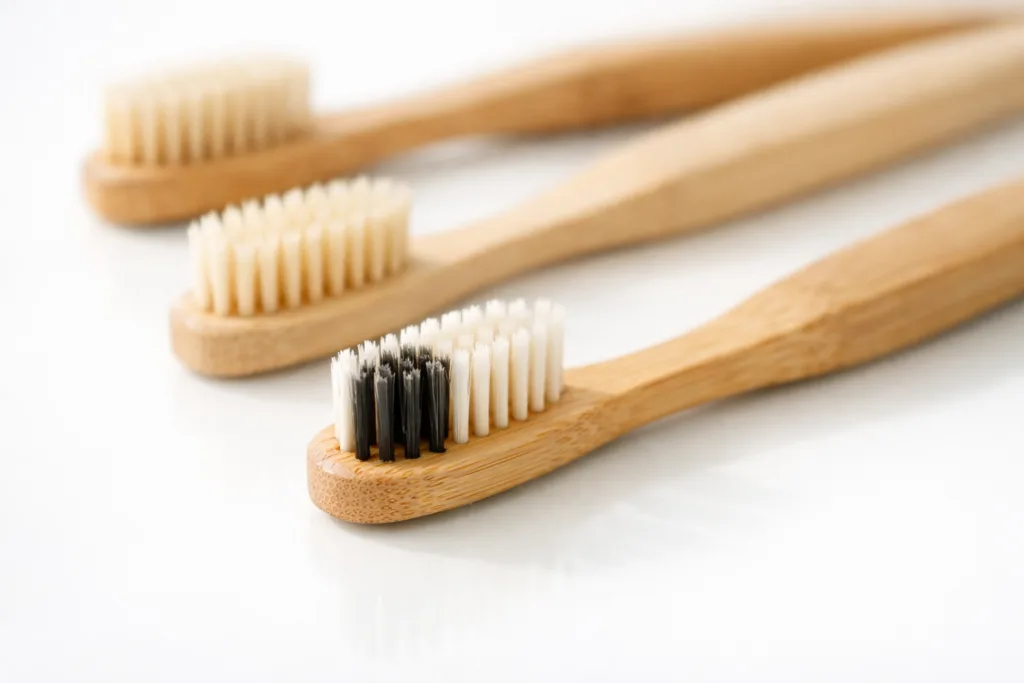
As oral hygiene continues to evolve, wood and bamboo toothbrushes are likely to play an increasing role. These materials offer a blend of tradition, sustainability, and practical performance. By choosing eco-friendly oral care tools, individuals and businesses support healthier communities and more responsible manufacturing. With ongoing innovation, the toothbrush’s journey from twig to wood continues to shape a greener, cleaner future.
Frequently Asked Questions
What are the main benefits of wooden toothbrushes?
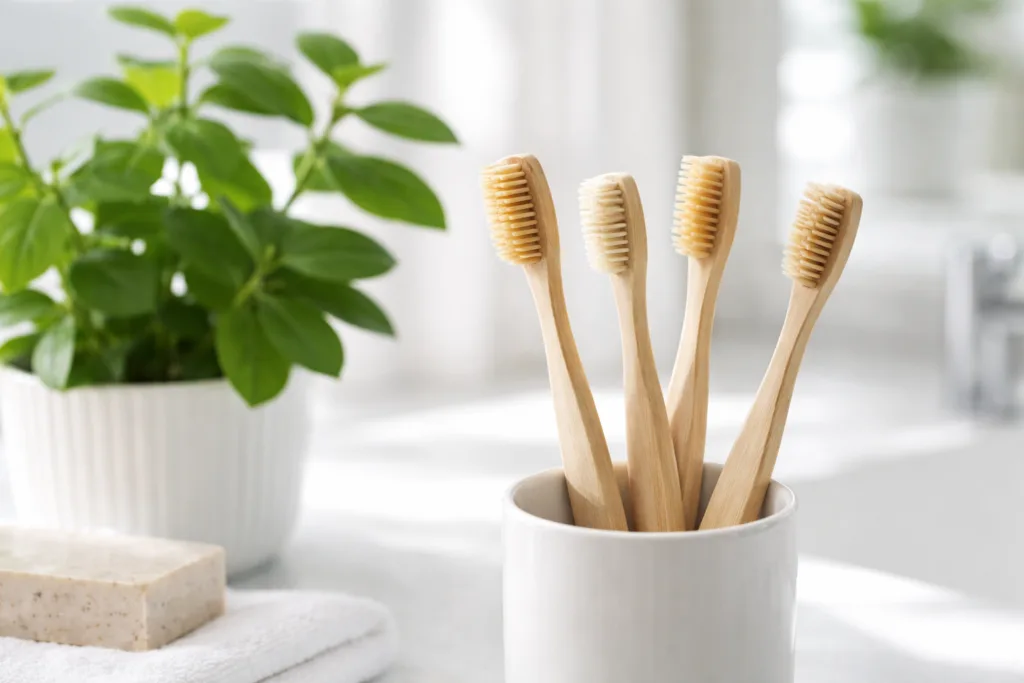
Wooden toothbrushes are biodegradable, reduce plastic waste, and are often crafted from renewable materials like bamboo or maple. They offer an eco-friendly alternative with comparable performance to conventional brushes.
Are bamboo toothbrushes better than regular wooden toothbrushes?
Bamboo excels at resisting moisture and mold, grows rapidly, and is generally more sustainable. However, both bamboo and other woods provide eco-friendly oral care; personal preference and local resources guide the best choice.
How should I care for a wooden toothbrush?
Store your toothbrush upright, allow it to dry completely after use, and avoid leaving it in damp environments. This will extend its lifespan and keep it hygienic.
Can I compost my wooden toothbrush?
Yes, most wooden toothbrush handles are fully compostable. Remove the bristles first, unless they’re made from plant-based materials, then compost the handle as you would yard waste.
Do wooden toothbrushes work as well as plastic ones?
Wooden toothbrushes clean teeth just as efficiently as plastic models. Bristle softness, brush head shape, and personal technique matter more than handle material.
Are wooden toothbrushes safe for kids?
Many wooden toothbrushes are specifically designed for kids with comfortable handles and gentle bristles. Just be sure to supervise brushing and choose age-appropriate sizes.