Introduction
For businesses in the bamboo and wood products industry, mastering lead time planning is more than just a smart strategy—it’s a necessity. Peak seasons can bring both exciting opportunities and serious headaches if your inventory can’t keep up with soaring demand. Effective scheduling, precise supplier management, and careful forecasting help prevent costly stock-outs and missed sales. If you want your business to thrive when everyone else is scrambling, understanding and optimizing lead times for bamboo and wood products should top your priority list.
What is Lead Time?
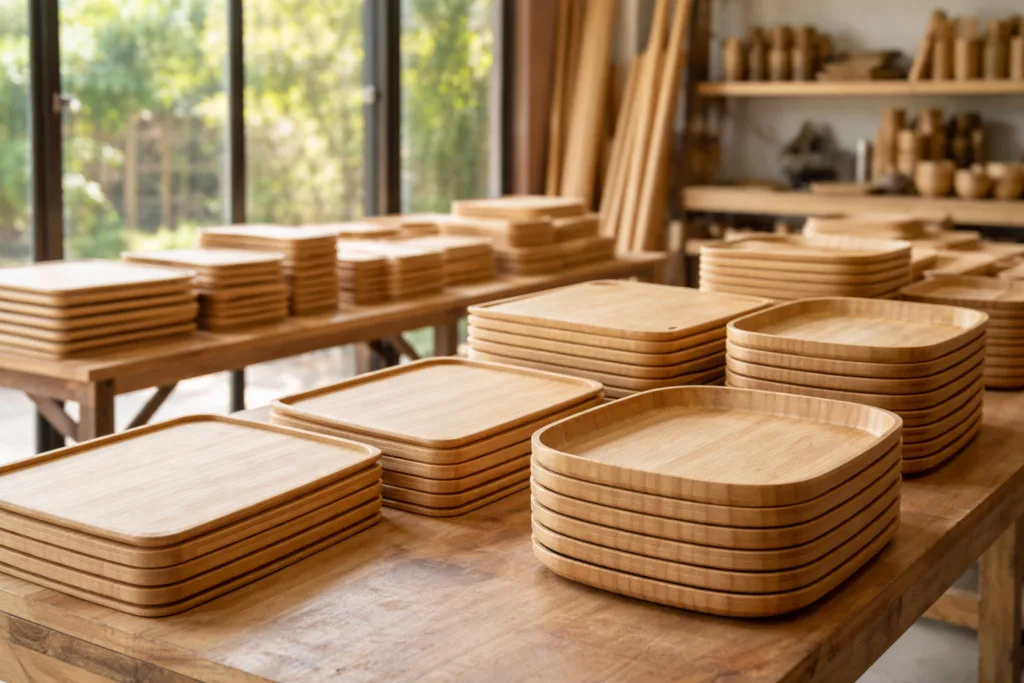
Lead time refers to the period between ordering new inventory and having it available for sale or use. In practical terms, it’s the wait from when you place an order with your bamboo or wood supplier until you receive finished, ready-to-ship products. Lead time planning matters because it directly affects your ability to fulfill orders during busy periods, like the holidays or seasonal sales. If your lead time forecasts are off—even by a week—you might miss major opportunities or end up with costly overstock.
- Definition and relevance to inventory management: Lead time shapes your reorder schedules, safety stock levels, and how quickly you can respond to surges in customer demand. For businesses dealing with renewable materials like bamboo, lead time can also affect your sustainability goals and reputation for reliability.
- Factors influencing lead times in the bamboo and wood industry: Harvest cycles, weather conditions, curing and drying times, and quality inspections all play key roles. Bamboo, for example, may require specific aged culms and careful carbonization, further impacting timelines.
Looking for a reliable manufacturer with custom options to match your business needs? Explore our bamboo products manufacturer services for tailored solutions.
Challenges of Inventory Planning for Peak Season
While fast-moving consumer goods may be easy to restock, natural-material products face unique hurdles during high-demand periods.
- Anticipating demand fluctuations: Seasonal spikes, changing trends, and new product launches make forecasting tricky. A single miscalculation can lead to empty shelves—or piles of unsold goods.
- Supply chain complexities with natural materials: Sourcing bamboo and wood products involves multiple steps: raw material procurement, manufacturing, quality checks, and global logistics. Weather delays, customs issues, or port congestion can stretch lead times far beyond initial expectations.
Best Practices for Optimizing Lead Times
- Supplier partnerships and timelines: Building trust with your bamboo and wood suppliers is crucial. Sharing projected demand and understanding each other’s production schedules helps prevent last-minute surprises. For instance, having a transparent relationship can speed up custom orders or adapt to sudden market changes.
- Forecasting demand for bamboo and wood products: Use sales history, upcoming market events, and even trend reports to anticipate peak times. Smart forecasting ensures that your orders are not just timely but also adequately sized.
- Setting reorder points and safety stock levels: Establish clear minimums (reorder points) so you never dip below critical stock. Safety stock acts as your backup supply—especially handy if a shipment is late or demand exceeds your best guesses.
Case Study: Bamboo & Wood Product Retailer
Let’s spotlight a real example: A mid-sized retailer that sources custom bamboo trays saw demand skyrocket ahead of Mother’s Day. They relied on historical sales data to forecast a 40% jump, arranged early production with their supplier, and set their reorder point 15 days earlier than previous years. When a shipping container was delayed at port, their safety stock buffer kept shelves full, avoiding lost revenue. In their post-season review, the retailer noted that early negotiations and trust-based communication with suppliers were their key advantages—a finding echoed throughout the bamboo industry.
Tips for Successful Inventory Planning
- Early negotiation with bamboo and wood suppliers: The sooner you coordinate specs and production slots, the greater your leverage. Early birds secure priority manufacturing and sometimes favorable pricing.
- Use of inventory management software: Automation helps track orders, monitor trends, and trigger timely purchase orders—no more spreadsheet guesswork. Modern systems even integrate with supplier platforms for real-time updates.
- Regular review and adjustment of stock levels: Adjust reorder points as you spot new patterns. After each peak season, review what worked and what didn’t for continuous improvement.
Lead Times: Planning Your Inventory for Peak Season
During busy seasons, minimizing lead times for bamboo and wood products is vital. Review supplier contracts for clear delivery windows, consider dual sourcing certain items, and calculate safety stock based on worst-case lead time delays. Don’t forget the impact of shipping routes and customs clearance—especially for global shipments. Rain Chen from Bamboo Wood Art recommends using matured bamboo culms for production because they cure faster and yield fewer manufacturing defects, helping businesses stay on schedule during rush periods. Precision in production planning reduces not only costs, but also operational headaches.

Conclusion
Managing lead times isn’t just about speed—it’s about predictability and resilience. By understanding what shapes lead times for bamboo and wood products, forging strong supplier partnerships, and fine-tuning your inventory planning, you’ll be well-positioned to seize every seasonal sales surge instead of scrambling to catch up. Stay proactive, review your data, and keep adapting: peak seasons reward those who truly plan ahead.
Frequently Asked Questions

How far in advance should I order bamboo products for peak season?
Order at least 2–4 months ahead to ensure production, transit, and customs are covered, especially for large or custom bamboo and wood product orders.
What causes unexpected lead time delays for bamboo goods?
Weather disruptions, raw material shortages, and port congestion are common. Quality inspection failures and holiday slowdowns can also add delays.
How can I reduce lead time risks without overstocking?
Use safety stock calculations, maintain strong supplier relations, and implement inventory management software to monitor real-time changes and adjust orders quickly.
What’s the difference between lead time and order cycle?
Lead time is the wait for one order’s delivery, while order cycle measures the interval between each order you place to keep inventory at efficient levels.
Can customization impact lead times for bamboo items?
Yes, adding custom engraving or special construction (such as vertical or horizontal grain) may require extra processing and extend lead times, so plan accordingly.
Are there benefits to local versus overseas sourcing for bamboo wood products?
Local sourcing can reduce transit time and improve flexibility, but sometimes costs are higher. Overseas suppliers offer broader options, but transit risks and lead times increase.