Understanding Wood Choice for Cutting Boards
Kitchen professionals and home cooks alike want boards that withstand heavy use, resist stains, and avoid lingering food odors. Teak, acacia, and maple stand out among hardwoods, especially when choosing the best water-resistant wood board for busy kitchens. Each offers unique strengths and a few drawbacks—especially when it comes to oil content and water behavior, stain resistance against foods like beetroot and vinegar, and how to keep boards fresh-smelling.
Why Stain & Odor Resistance Matters
Red onion, beets, garlic, and vinegar can quickly leave marks or smells. If your board soaks up liquids or food pigments, it will look worn and could even affect taste or hygiene. Boards with higher natural oil content, like teak, often repel water and stains better.
Material Fundamentals: Teak, Acacia, and Maple
Let’s break down their properties before exploring real-life stain and odor tests.
- Teak: Dense, oily hardwood famous for water resistance and low maintenance. Rich brown grain, widely used in tropical climates. Natural silica content helps with durability.
- Acacia: Moderately hard, with bold grain patterns and some natural oils. Slightly more affordable, available in many finishes.
- Maple: Classic kitchen board staple. Light color, fine grain, lower oil content but tight fibers. Often favored for its neutral look.
The Role of Natural Oils in Water Resistance
Natural oils act like a built-in shield. Teak contains about 0.5–1% oil by weight, which slows down water absorption and keeps board surfaces from swelling or warping. Acacia also holds oil but at a lower level, while maple barely has any, making it more prone to water stains unless properly sealed.
Manufacturing Insight
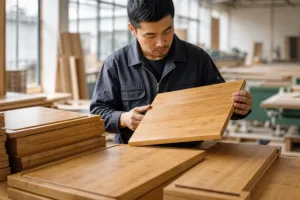
Wood boards from Bamboo Wood Art and similar manufacturers go through kiln drying to reach a moisture content of 8–12%. This helps control warping and prepares the boards for precision machining. Teak slats are sorted for density before lamination and hot pressing. Acacia and maple often use finger-jointing for stability. Sanding starts at 180 grit, moves to 240, and ends at 320 grit for a silky finish. Most boards receive a food-grade oil or water-based varnish, especially at export. FSC or PEFC certification ensures the wood is responsibly sourced.
Teak vs Acacia vs Maple: Stain & Odor Resistance
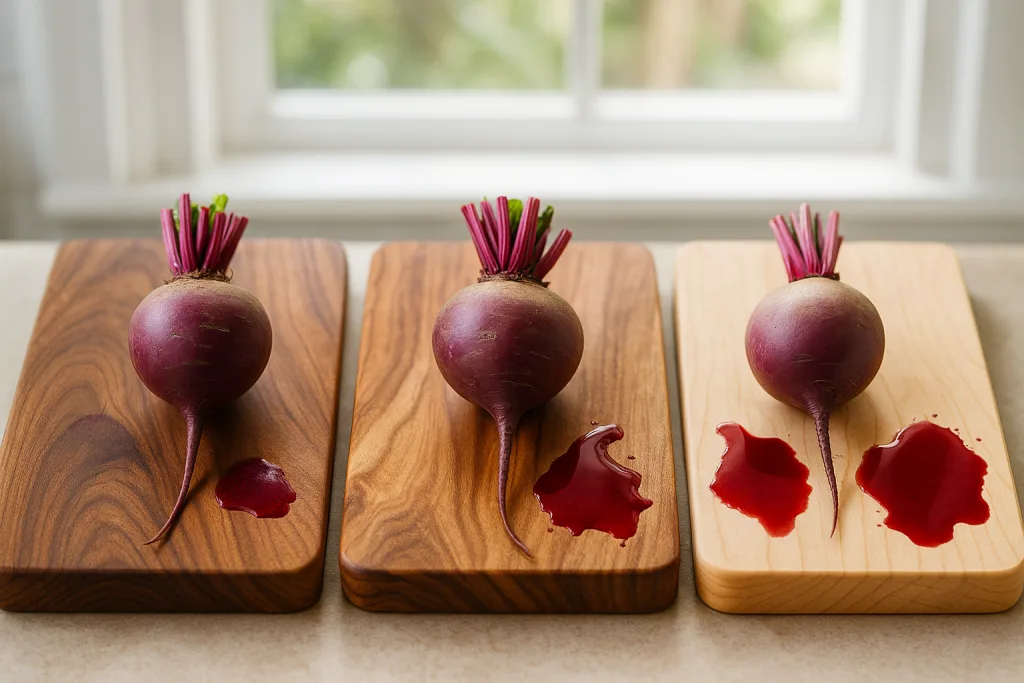
Stain and odor resistance are major factors in choosing cutting boards for kitchen use—especially for restaurant or hospitality supply. To truly compare teak, acacia, and maple, we ran simple kitchen tests: beetroot stains, vinegar challenges, and odor removal methods. Here are the results.
Visual Stain Test: Beetroot & Vinegar
We rubbed fresh beet on one half of each board, let it sit for 20 minutes, and cleaned with warm water and a soft sponge. We then poured vinegar along the opposite edge. Photos reveal the differences:
- Teak cutting board: Beetroot stain rinsed away with light scrubbing; no visible pinkness. Vinegar left minimal marks and evaporated quickly—teak’s oil content formed a natural barrier.
- Acacia board: Beetroot left a faint pink shadow, which faded after a second wash. Vinegar produced a slight dull spot before it dried, but no lasting stain.
- Maple board: Absorbed the beet color more noticeably. Even after two rinses, a mild pink hue remained. Vinegar darkened the grain slightly, though marks disappeared after overnight drying.
Odor Resistance in Daily Use
We chopped garlic, onions, and fish on each board separately, letting the food sit for ten minutes. Afterwards, we cleaned with mild detergent and checked for lingering odors. Teak showed almost no trace. Acacia carried a faint smell, which vanished after vinegar wiping. Maple retained food odors more strongly and needed deep cleaning—lemon scrub followed by sun drying—before freshening.
Comparative Table: Properties & Application
| Wood Type | Oil Content | Water/Stain Resistance | Odor Absorption | Best Use Case |
|---|---|---|---|---|
| Teak | High | Excellent | Low | Heavy-duty, professional kitchens, wet prep |
| Acacia | Moderate | Very Good | Moderate | General kitchen, serving trays, display |
| Maple | Low | Good (if sealed) | High | Bread/cheese boards, dry ingredients, light use |
Choosing by Application: Kitchen, Bar & Hospitality
- For high-moisture prepping: Teak is best. It shrugs off water, food acids, and odors. Use for fish, fruits, and juicy vegetables.
- For versatile home kitchens: Acacia delivers balance—affordable yet resilient. Ideal for slicing bread, cheese, or light vegetables. Regular oiling protects the surface.
- For dry-use boards: Maple excels at serving cheese, charcuterie, or cutting dry goods. Keep it well sealed and avoid soaking.
Oil Content & Water Behavior Explained
The science behind teak’s dominance in water resistance comes down to its natural oils and tight grain structure. When water lands on the surface, instead of soaking in immediately, droplets bead up—much like on a waxed car. Acacia offers this effect to a lesser degree, and maple absorbs water faster unless protected by oil or varnish.
Finish Options for Maximum Protection
Professional board manufacturers (such as Bamboo Wood Art) use finishes like pure food-grade mineral oil, water-based varnish, or plant oils (tung, linseed). For food-contact uses, low-VOC coatings and E0-E1 adhesives ensure safety. Boards are often refinished after export to meet FDA and LFGB standards. A well-oiled or varnished surface not only blocks stains but makes odor removal easier.
Kiln Drying & Dimensional Stability
Boards are kiln dried to a moisture range of 8–12%, which prevents cracking and warping. In humid climates and commercial kitchens, this is critical for long life. Teak’s slow water uptake and acacia’s moderate stability both outpace maple, which needs careful maintenance to stay flat and smooth.
Stain Resistance: Real-World Kitchen Tests
Beetroot and vinegar aren’t the only troublemakers. Soy sauce, turmeric, and tomatoes can all leave marks. In controlled tests, teak typically outperforms, with stains either rinsing away or disappearing after a vinegar wipe. Acacia fares well, although deep stains can appear if not cleaned quickly. Maple is the most likely to show lasting marks—its pale color and open grain make stains visible unless promptly washed.
Maintenance Strategies: Preventing Stains
- Wipe up spills immediately. Do not let colorful juices linger.
- Regularly oil your board. Teak requires little; acacia and maple need monthly attention.
- Never soak boards. Brief washing, then quick drying is best.
- Occasional sanding (320 grit) keeps surfaces smooth for seasoning.
Expert Tip
“A well-oiled teak cutting board shrugs off even beetroot. Apply a thin layer of food-grade mineral oil each month for optimum stain and odor resistance.”
Odor Removal: Techniques and Results
Chopping garlic, fish, or strong cheeses can turn any board smelly. Fortunately, there are tried-and-true methods to keep boards odor-free:
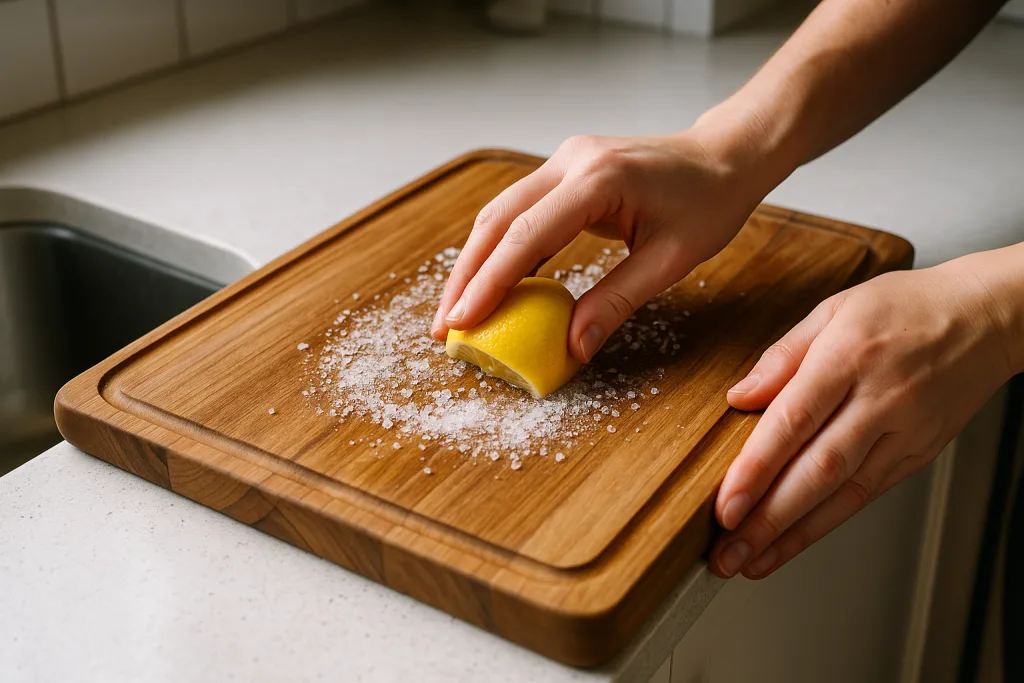
- Lemon and Salt Scrub: Sprinkle coarse salt, then scrub with half a lemon. Rinse and air dry.
- White Vinegar Wipe: Swab the surface with diluted vinegar, wait five minutes, rinse thoroughly.
- Baking Soda Paste: Mix baking soda and water, spread on the board, scrub gently, rinse off.
- Sun Drying: Place board under sunlight for a couple of hours; UV light helps neutralize odors.
Teak boards usually need nothing beyond routine rinsing and a twice-yearly oil application. Acacia benefits from lemon or vinegar washes. Maple, with its higher odor absorption, often needs extra steps and deep cleaning, especially after cutting onions or meat.
Long-Term Freshness: Hospitality Tips
For hotel or restaurant settings, maintain a board rotation. Use separate boards for raw proteins and produce. Ensure finishing meets food safety standards. Robust packaging during export keeps boards protected—even after months in transit.
Durability and Cost Considerations
Teak boards cost more upfront, reflecting their durability and superior resistance to water, stains, and odors. Acacia provides an affordable balance, especially for high-volume service. Maple is cost-effective for low-moisture tasks but can lose its appearance if misused. When weighing minimum order quantities (MOQs) and lead times, bamboo, teak, and acacia all offer reliable supply chains, especially from seasoned manufacturers like Bamboo Wood Art.
Environmental and Compliance Notes
Quality boards must balance sustainability, safety, and performance. FSC- or PEFC-certified wood, low-VOC finishes, and adherence to FDA or LFGB food-contact standards are essential for business buyers. Bamboo Wood Art, for instance, combines precision joinery and robust edge profiling for lasting results.
Recommendations by Kitchen Use

Choosing the right board means knowing your kitchen’s demands.
- Teak: Best for chefs, professional kitchens, and any wet or heavy-duty use.
- Acacia: Great for home cooks, display trays, and light commercial prep.
- Maple: Suited for dry slicing or cheese-serving stations—provided you seal it well and avoid soaking.
Maintenance matters. Regular oiling and careful cleaning keep performance high and boards beautiful. For customized sizes, branding, or export packaging, partners like Bamboo Wood Art can support any hospitality or retail project with precision and sustainable sourcing.
Frequently Asked Questions
Which wood cutting board is best for resisting water damage?
Teak boards are the top choice for water resistance. Their high natural oil content prevents swelling or cracking when exposed to moisture.
How do I remove beet or tomato stains from my cutting board?
Quickly wipe stains, then scrub with lemon and salt. Teak usually releases stains easily, while maple needs more thorough cleansing.
What’s the safest finish for food-contact wood boards?
Food-grade mineral oil and water-based varnishes are the safest. Look for LFGB or FDA-certified coatings to guarantee safety in kitchen use.
Will garlic or fish odors linger on my board?
Teak resists odors best. For acacia and maple, use a vinegar wipe or baking soda paste. Lemon scrubs and sun drying help too.
How often should I oil my wood board?
Teak needs little oiling. For acacia and maple, oil monthly with food-grade mineral oil to maintain resistance and appearance.
Are these woods sustainably sourced?
All three woods can be FSC or PEFC certified, ensuring responsible forestry and eco-friendly sourcing. Bamboo Wood Art offers full traceability and compliance.