Why the First-Oil Ritual Matters
The first-oil ritual is crucial for every owner of wooden cutting boards, trays, or charcuterie platters. Without proper seasoning, wood dries out fast, develops rough spots, and may even crack or warp. Applying the right oil protects your board, deepens the grain’s color, and shields the surface from stains and moisture. Whether you purchased your board as a custom hospitality piece or a home essential, mastering this first step sets the stage for years of reliable use.
Choosing Your Wood: Bamboo vs Solid Hardwoods
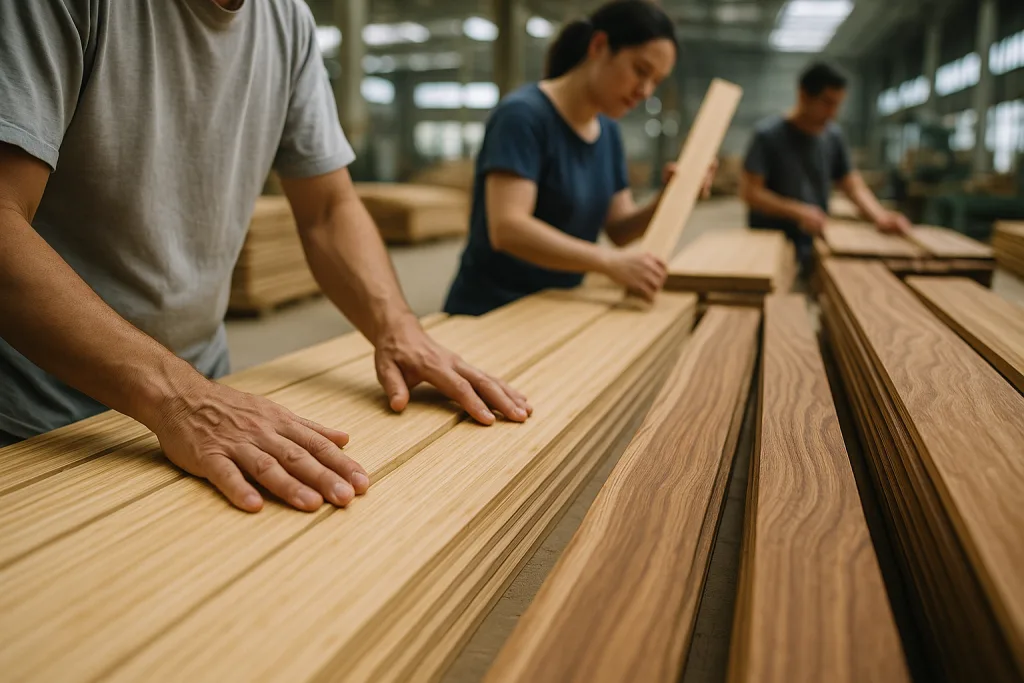
Not all boards are the same. Manufacturers like Bamboo Wood Art use premium Moso bamboo, oak, walnut, beech, or ash for both kitchen and décor boards. Bamboo features tight, dense fibers, making it highly resistant to water. Hardwoods offer classic warmth and durability. Both types must be factory-dried to 8–12% moisture and sanded smooth before oiling. Here’s how key materials compare:
| Material | Durability | Moisture Resistance | Best Use |
|---|---|---|---|
| Moso Bamboo | High | Excellent | Kitchen boards, hospitality trays |
| Oak | Very High | Good | Chopping, breadboards |
| Walnut | High | Moderate | Serving, premium gifting |
| Beech | Good | Moderate | General use boards |
| Ash | Good | Good | Boards, panels |
First-Oil Ritual for Wooden Boards
Seasoning a wooden board transforms a piece of raw wood into a kitchen workhorse. Follow these steps for perfection:
- Inspect the board for rough patches or splinters.
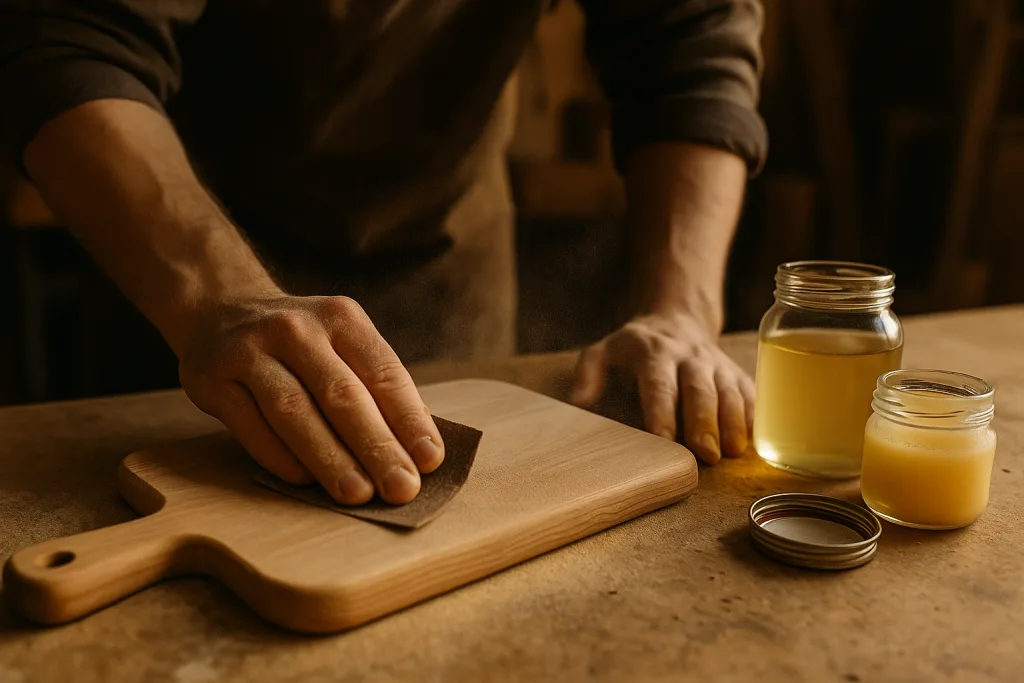
- Sand any uneven spots using 180, 240, then 320 grit sandpaper. Wipe away dust with a clean cloth.
- Choose your oil—food-grade mineral oil is a standard pick. For extra richness, mix equal parts mineral oil and melted beeswax.
- Pour a generous line of oil down the center of the board. Spread with a lint-free cloth, moving in the direction of the grain.
- Allow the oil to soak for 4–12 hours. For maximum protection, repeat the process two or three times, letting each coat cure overnight.
- Buff the surface gently to remove any excess and reveal a soft sheen.
Bamboo boards often need less oil than porous hardwoods but benefit from two coats. The right film build helps block moisture and prevents warping. Seasoning once a month—more often for heavy use—keeps your board healthy.
Oil Types Explained: Mineral Oil & Beeswax
Seasoning oils matter. Most experts use USP-grade mineral oil for cutting boards because it is colorless, odorless, and safe for food contact. Mineral oil penetrates deeply, protecting wood fibers from drying out. Beeswax adds a natural layer of water resistance and a soft polish. Avoid vegetable oils, as they go rancid and attract bacteria.
- Mineral Oil: Budget-friendly, widely available, excellent penetration.
- Mineral Oil + Beeswax: Extra barrier, richer finish, smoother touch.
- Plant Oils (Tung, Linseed): Durable, but can yellow wood; best for décor boards, not food surfaces.
How to Mix Mineral Oil and Beeswax
To blend your own seasoning mix, gently heat one part beeswax with four parts mineral oil until fully melted. Stir thoroughly. Pour into a glass jar for future use. Always test on a small area before coating the entire board.
Sanding, Film Build, and Cure Times
Board preparation makes all the difference. Manufacturers like Bamboo Wood Art sand with increasing grits—180, 240, and 320—to create a lively, splinter-free surface. A quality finish relies on film build: the thicker the oil film, the better the moisture barrier. But more is not always better; too much oil prevents proper curing and can leave the board tacky.
- One heavy coat: basic protection; soak for 4–6 hours.
- Two or three thin coats: best durability; cure 8–12 hours per coat.
- Wax finish: apply last; buff well for a matte shine.
Boards need time for oil to work into the fibers. Rushing the process—using too much oil or skipping cure time—results in sticky finishes and uneven protection.
Common Mistakes in Oiling Wooden Cutting Boards
Even seasoned users can make mistakes that ruin a board’s lifespan. Here are the most frequent pitfalls:
- Using olive or vegetable oil, which turns rancid and sticky.
- Skipping sanding. Rough surfaces absorb oil unevenly and can leave splinters.
- Not curing the oil fully before first use.
- Applying oil only to one side; boards warp if not treated evenly.
- Neglecting regular reseasoning, especially after intense washing.
Avoiding these mistakes ensures both beauty and safety for your wooden board. For commercial kitchens or hospitality settings, proper care also maintains hygiene standards and reduces replacement rates.
Printable 1-Page Care Card for Wood Boards
Download and print this care card for staff training, in-store retail, or customer gifting. Place near your sink or prep station as a reminder.
- Weekly: Wipe board after use, dry thoroughly before storage.
- Monthly: Light sanding, then apply a fresh coat of mineral oil or mineral oil/beeswax blend.
- Never: Soak board in water or put in dishwasher.
- First-Foil Ritual: Sand, prep, and oil all sides before first use.
- Disclosure: Use only food-grade oils to season board.
Bamboo Wood Art recommends reseasoning after every deep clean or intense use. For B2B buyers and chefs, these routines deliver lasting surfaces for high-volume service.
Advanced Manufacturing: Techniques Behind Premium Boards
Creating smooth, warp-resistant boards begins at the factory. After kiln drying to 8–12% moisture, wood is sorted and planed. Bamboo boards use cross-laminated slats pressed under heat for perfect flatness. CNC routers shape edges, and laser engravers add branding. Adhesives meet E0/E1 standards and all food surfaces comply with FDA/LFGB food-contact rules. Each piece is sanded three-step before final oiling or beeswax finish. Quality control checks for flatness, adhesion, and surface gloss. Packaging uses robust, moisture-resistant materials for safe export.
How to Season Wood Board: Simple Steps for Home & Hospitality
If you want your wooden cutting board to last through daily prep and entertaining, make seasoning a habit. Start with clean, dry wood. Sand any flaws with fine paper. Apply food-grade mineral oil or a mineral oil/beeswax mix evenly over every side and edge. Let the board rest overnight so oil seeps in. Buff with a dry cloth for a matte shine. Repeat monthly for heavy use. This step-by-step care prevents warping and dulling, especially for boards supplied to hotels, restaurants, or gift programs.
Business Benefits: Seasoning at Scale for Hospitality & Retail
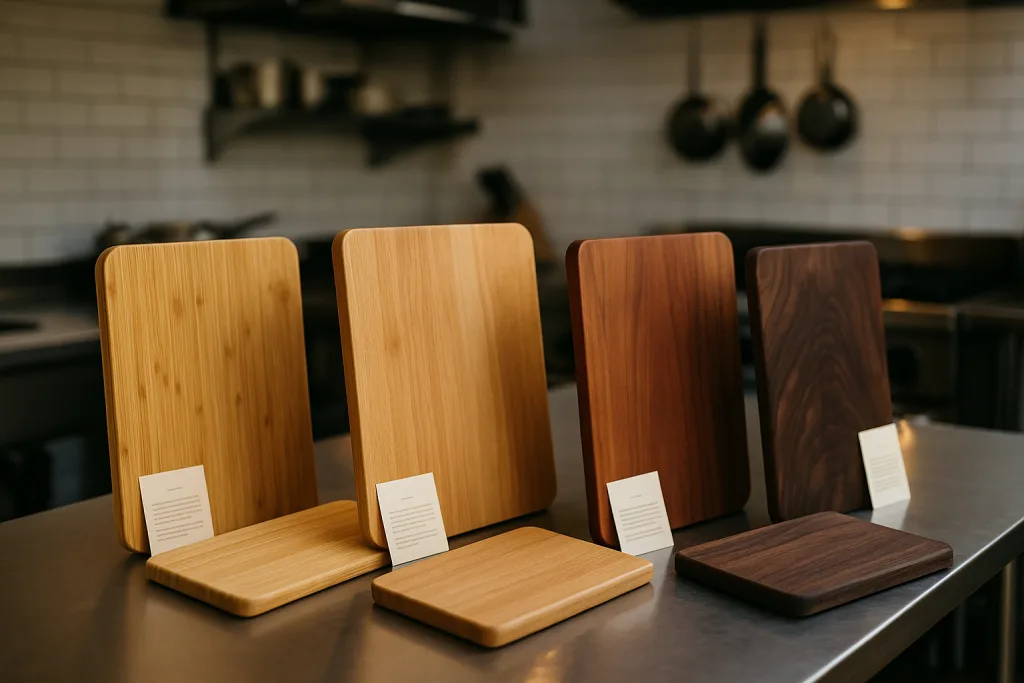
For commercial buyers and B2B partners, seasoning routines protect investments in bulk woodware. Boards that are correctly conditioned have lower breakage rates, stay hygienic, and maintain their appearance during frequent use. Bamboo Wood Art delivers boards pre-sanded and pre-seasoned, but periodic oiling remains essential for high-traffic applications. Bulk care guides and training cards help teams preserve both branded luxury and practical longevity. This translates to reduced operating costs and greater customer satisfaction.
Frequently Asked Questions
What oil is best for seasoning wooden cutting boards?
Food-grade mineral oil is best. It is safe, odorless, and does not go rancid. Mixing with beeswax adds extra moisture resistance.
How often should I oil my wood board?
Oil your board once a month for regular use, and after any deep cleaning. Heavy-use boards may need more frequent seasoning.
Is sanding necessary before the first oiling?
Yes. Sanding with fine paper removes rough spots and opens up wood fibers so oil penetrates evenly and fully.
Can I use vegetable oil or olive oil to season my board?
No. Vegetable oils turn sticky and rancid over time, attracting bacteria and bad odors. Stick with mineral oil or wax blends.
Do bamboo and hardwood boards need different oiling routines?
Bamboo is less porous, so use thinner coats and fewer applications. Hardwoods need more oil and careful sanding for full protection.
How long should I let the oil cure on the board?
Let cure at least 4–12 hours per coat. For best results, leave each layer to soak overnight before using the board again.