The Rise of Restaurant-Grade Bamboo Trays
Bamboo serving trays have become a favorite in restaurants, cafes, and hotels. They blend natural beauty with lasting strength, offering stylish solutions for food presentation and daily service. Operators searching for food-safe bamboo coating need more than looks—they need performance and compliance. Compared to plastic and metal, bamboo trays are lighter, eco-friendly, and add a warm touch to any setting.
Restaurant-Grade Bamboo Trays: Coatings & Cleaning
Choosing the right coating for bamboo serving trays is vital to meet hygiene, durability, and local regulations. A proper finish resists stains, maintains appearance, and ensures food safety. Two main types lead the market: water-based lacquers and oil-wax finishes. This guide covers their pros and cons, presents real-world test results, and walks you through care and cleaning for high-turnover foodservice.
Bamboo Serving Tray Materials: What Makes Them Restaurant-Grade?
- Moso bamboo: Dense, hard, ideal for serviceware.
- Moisture content: 8–12% after kiln drying ensures stability.
- Cross-laminated cores: Control warping under heavy use.
- Finger-jointed edges: Prevent cracking and splits.
- FSC-certified sources for sustainability.
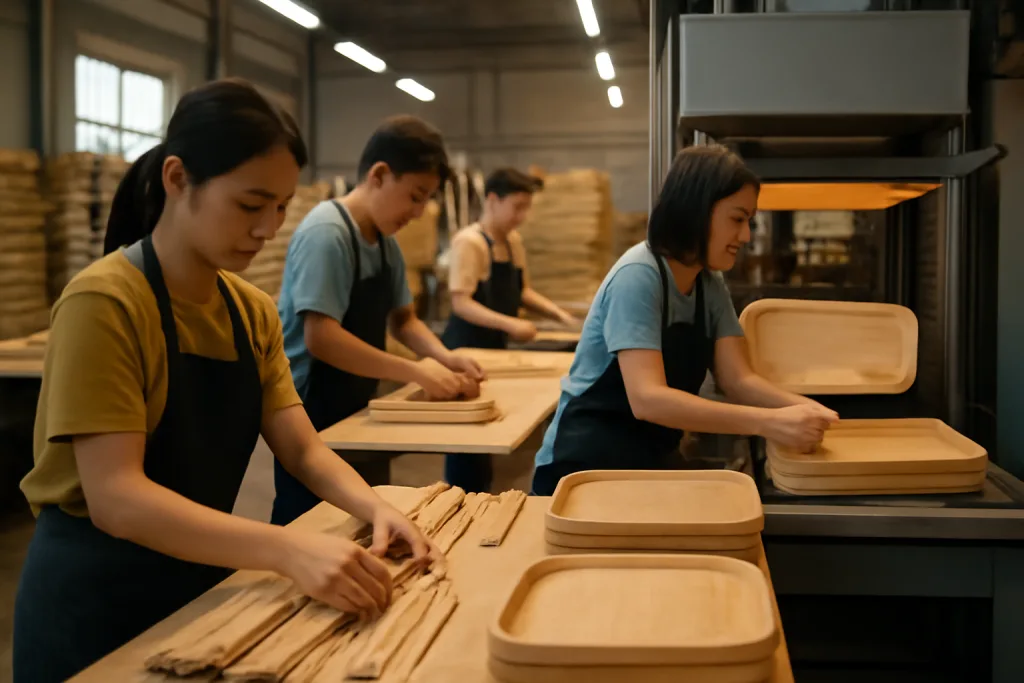
How Are Bamboo Trays Made?
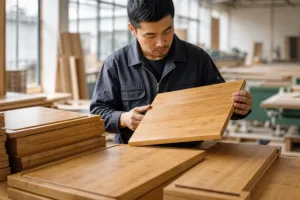
- Slats sorted for consistency and grain.
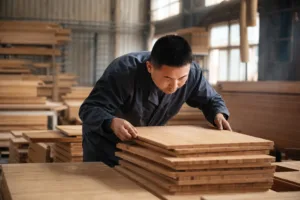
- Hot-pressed lamination joins layers for strength.
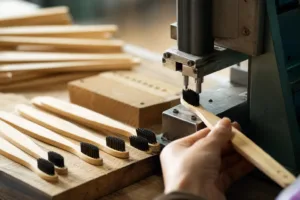
- CNC machines cut trays to size (±0.5mm tolerances).
- Sanding in grades (180→240→320 grit) polishes the surface.
- Edges shaped—beveled for easy gripping.
- Food-safe coatings applied and cured.
Water-Based Lacquer vs. Oil-Wax: Finish Showdown
For restaurant-grade bamboo serving trays, finish determines resilience and food-contact safety. Let’s compare two preferred options: water-based lacquer and oil-wax.
Food-Safe Bamboo Coating: Key Features
| Finish | Appearance | Protection Level | Food Contact Safety | Best-Use Scenarios |
|---|---|---|---|---|
| Water-Based Lacquer | Gloss/semi-matte; transparent | Excellent—resists stains & scratches | Tested to FDA/LFGB standards | Busy restaurants/cafés; high turnover |
| Oil-Wax (Tung/Linseed) | Natural matte; deepens bamboo tone | Good—water-repellent, less scratch-resistant | Pure plant oils for direct contact | Artisan cafés; boutique hotels |
Water-Based Lacquer Explained
This finish uses non-toxic resin suspended in water. After curing, it forms a tough, clear film that prevents moisture, stains, and heat from harming the tray’s surface. Top manufacturers, including Bamboo Wood Art, use E0 or E1 grade lacquers with very low VOC (volatile organic compound) emissions, supporting indoor air quality and food safety.
Oil-Wax Finishing: Pure & Simple
Oil-wax finishes blend tung or linseed oil with wax. They soak into bamboo fibers, enhancing grain and adding a soft sheen. While eco-friendly, they’re best for venues wanting organic looks over heavy-duty resilience. They need reapplication every few months, especially after intensive cleaning cycles.
Stain & Scratch Resistance: Putting Coatings to the Test
Real-World Testing Protocols
- Stain Test: Coffee, red wine, curry—applied for 2 hours, then wiped.
- Scratch Test: Fork and knife edges dragged with moderate pressure.
- Cleaning Cycles: 2500 washes (industrial SOP) to simulate 1-year restaurant use.
Test Results: Lacquer vs. Oil-Wax
Water-based lacquer trays stayed spotless after stain tests. No residue remained even after spicy sauces. Surface barely showed fine scratches. After repeated washes, lacquered trays kept their glossy look and shape. Oil-wax finishes protected against water, but lighter stains sometimes remained. Scratches were more visible, and frequent cleaning dulled their matte sheen—a concern for busy operators.
Café Case Gallery: Bamboo Trays in Action
Photos from Real Cafés & Restaurants
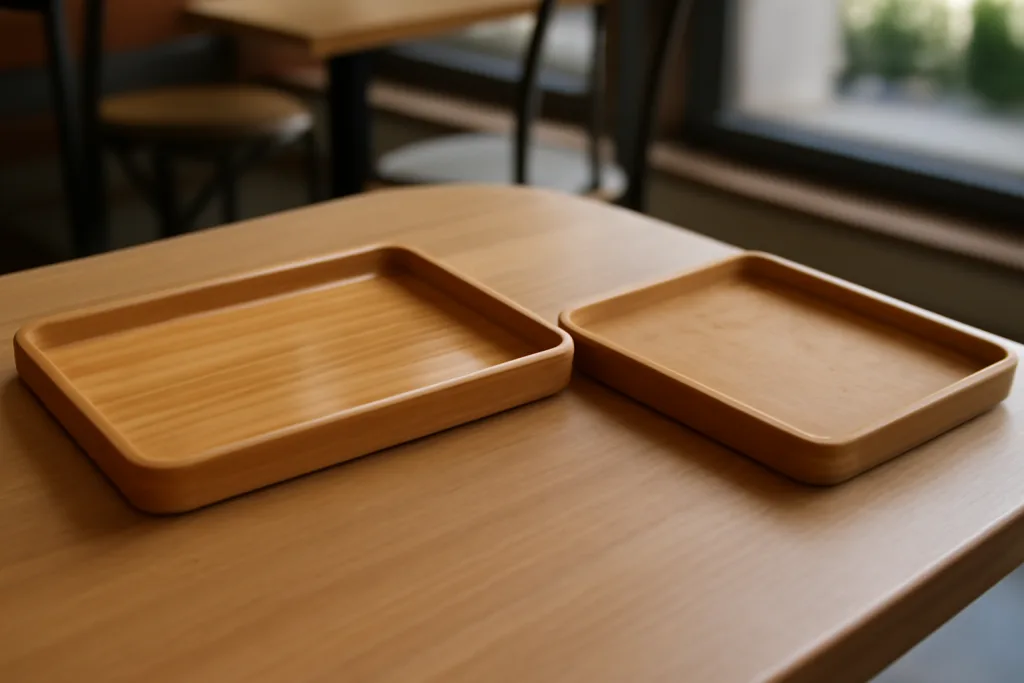
Modern cafés, including those supplied by Bamboo Wood Art, use lacquered bamboo serving trays for everything from breakfast spreads to cocktail service. The natural look of the bamboo adds warmth. Trays remain bright and chip-free through months of use.
Design Flexibility for Branding
- CNC-engraved logos for custom orders
- Laser-carved patterns for upscale dining
- Paint-free surface maintains food safety
Proper Cleaning & Care for Bamboo Serving Trays
Hygiene SOPs for Foodservice Operators
- Clear leftover food debris.
- Hand wash using mild soap and warm water. Avoid soaking or harsh chemicals.
- Sanitize with a food-safe solution; air dry upright.
- For lacquered trays, dry promptly to prevent clouding.
- For oil-wax trays, apply fresh oil every 2–3 months.
- Never use commercial dishwashers—the high heat and jets may stress the joints and finish.
Tray Storage & Handling Tips
- Stack vertically to avoid warping.
- Keep away from direct heat or sunlight.
- Inspect regularly for chips or cracks before use.
Bamboo Tray Sizing Reference Chart
| Size (cm) | Capacity | Common Uses |
|---|---|---|
| 25 x 15 | Appetizers, drinks | Small side plates, tea service |
| 33 x 23 | Breakfast sets | Café brunch, hotel in-room dining |
| 40 x 28 | Mains, shared platters | Family-style or catering |
| Custom | Logo branding, displays | Corporate, premium hospitality |
How Bamboo Wood Art Delivers OEM/ODM Precision
Bamboo Wood Art offers custom bamboo serving trays for foodservice clients. Their trays meet strict dimensional, food-contact, and aesthetic standards. Advanced lamination, CNC routing, and finish testing ensure every tray aligns with brand and operational needs. Sustainable sourcing and robust packaging make them reliable for global export and hospitality supply.
Order Guidance for Restaurants & Hospitality Businesses
Key Factors to Consider
- Preferred coating: lacquer for durability, oil-wax for natural style
- Custom branding: logo engraving, edge finishes
- Minimum order quantities (MOQs) and lead times
- Compliance: FDA/LFGB standards, environmental certifications
- Long-term care plan: cleaning SOPs, maintenance cycles
Connect with experienced manufacturers to align tray specs with service style, volume, and branding needs. For high-turnover environments, lacquered finishes offer best returns in maintenance and longevity.
Frequently Asked Questions
Are water-based lacquer coatings food-safe for bamboo serving trays?
Yes. Quality water-based lacquer meets FDA and LFGB food-contact standards, making it safe for serving food and drinks.
How do oil-wax coated bamboo trays compare in durability to lacquered trays?
Oil-wax finishes look natural but can show stains and scratches more easily. Lacquered trays offer stronger, longer-lasting resistance to damage.
What is the best way to clean restaurant-grade bamboo trays?
Hand wash with mild soap, sanitize, and air dry promptly. Avoid soaking and do not use commercial dishwashers to protect the finish and structure.
Can bamboo trays be custom branded for restaurants and hotels?
Yes. Options include CNC-machined engraving and laser-carved designs, all maintaining food safety and durability standards.
How often do oil-wax bamboo trays need refinishing in a foodservice setting?
Trays should be re-oiled every 2–3 months, depending on usage and cleaning cycles, to maintain water resistance and appearance.
What tray sizes work best for different types of restaurant service?
Smaller trays suit drinks and appetizers; medium trays are good for breakfasts; large trays hold mains and sharing platters. Custom sizes are also available.