Frames & Shadow Boxes: Glass vs Acrylic
Choosing between glass and acrylic is the first big step when selecting frames or shadow boxes. Whether you’re showcasing a cherished photograph, artwork, or memorabilia, the type of front panel matters. Glass and acrylic each bring unique strengths, but their differences shape not only looks and durability, but also how the display performs in everyday use.
Understanding the Essentials: Function and Form
Frames come in all shapes—classic picture frames, wooden photo frames, deep shadow boxes, and creative custom displays. Shadow boxes are ideal for three-dimensional objects, while classic frames flatter flat artwork and photography. Front options like glass and acrylic determine protection and clarity. Let’s break down each choice.
Glass Fronts: Clarity and Tradition
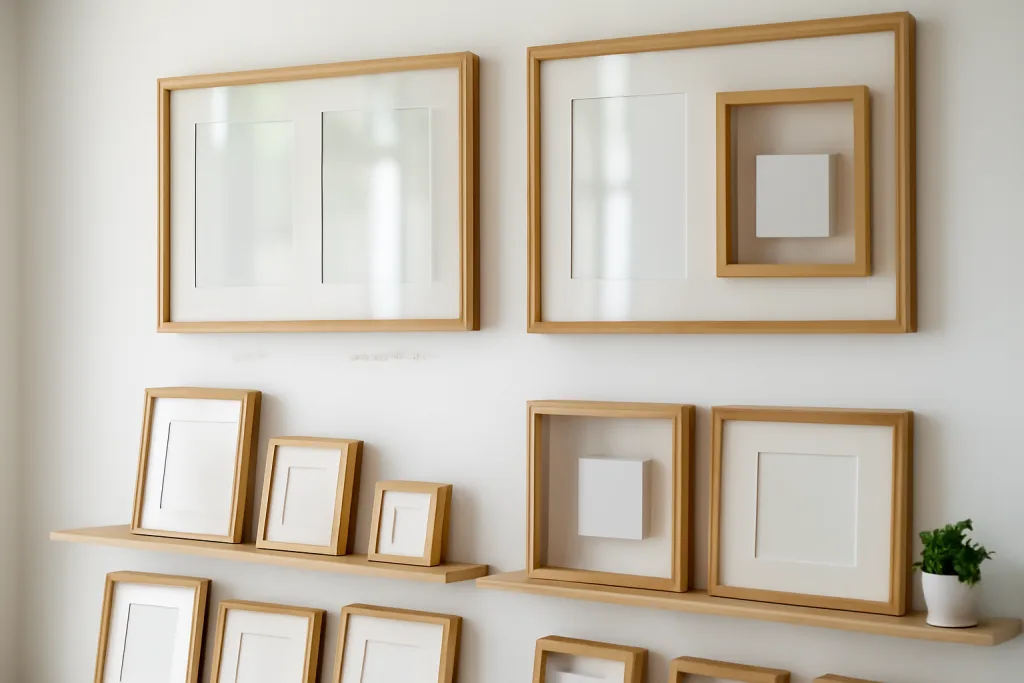
Glass has long been the go-to for its crystal-clear appearance. Conventional soda-lime glass delivers strong clarity and resists scratches. Many museum-quality frames use anti-reflective glass, which reduces glare and protects art from fading. Thicker glass offers added rigidity, but increases weight. It’s important to know that glass is brittle and can crack during transit or under pressure.
Anti-Reflective Glass vs Standard Glass
Standard glass gives crisp visibility but can produce harsh reflections under bright lights. Anti-reflective glass (sometimes called museum glass) features a light coating that cuts glare, making details stand out even in sunlit rooms. This upgrade often comes at a higher price, but businesses and collectors swear by its true-to-life viewing. If you’re placing frames in galleries, retail showrooms, or high-traffic hospitality settings, anti-reflective glass gives a premium touch.
Strength and Safety
Tempered glass passes through a heat-treatment process, toughening it for bumps and handling. This method, used by Bamboo Wood Art in select hospitality products, ensures better safety standards than regular glass. Tempered panels break into blunt chunks rather than sharp shards—an important safety detail for public spaces.
Glass Thickness Choices
- Single-strength glass (around 2mm): Lightweight, best for small frames.
- Double-strength glass (3mm+): Safer for larger formats and shadow boxes.
- Specialty glass (UV, AR coatings): Ideal for archival and high-value art.
Acrylic Fronts: Lightweight Performance
Acrylic, also known as plexiglass, is a flexible alternative to glass. At less than half the weight, acrylic fronts resist shattering—making them perfect for large frames, schools, children’s rooms, and hospitality venues where safety matters. The clarity rivals glass, but acrylic can scratch more easily if not handled properly. High-grade acrylic, like the ones sourced for Bamboo Wood Art’s custom wooden photo frames, has UV protection and optically clear surfaces.
Anti-Reflective Acrylic: Glare Gone
Premium acrylic panels are available with anti-reflective coatings, reducing shine and boosting visibility. Museum-grade acrylic protects against both light reflections and damaging UV rays, a must for valuable photos and memorabilia. Although it costs more, anti-reflective acrylic combines lightweight handling with professional clarity.
Scratch Resistance and Cleaning
Standard acrylic is less scratch-resistant. Some manufacturers apply a hard-coat layer to guard against everyday wear. Always use a microfiber cloth for cleaning to avoid haze or scratches.
Comparing Glass vs Acrylic: A Practical Table
| Front Material | Properties | Best Use Scenarios |
|---|---|---|
| Standard Glass | Sharp clarity, heavier, scratch-resistant, brittle | Small frames, home displays, cost-conscious projects |
| Anti-Reflective Glass | Low glare, museum grade, UV protection, expensive | Art galleries, high-value photography, retail showrooms |
| Standard Acrylic | Lightweight, shatterproof, easily scratched | Large frames, children’s spaces, export/retail |
| Anti-Reflective Acrylic | Low glare, UV coated, lightweight, high cost | Hospitality, custom displays, archival boxes |
| Tempered Glass | High strength, safety break, heavy | Hotels, restaurants, public installations |
Wooden Photo Frames: Craft and Customization
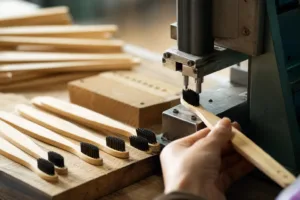
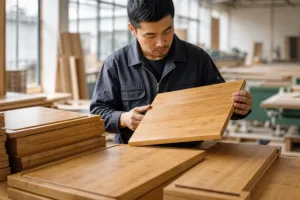
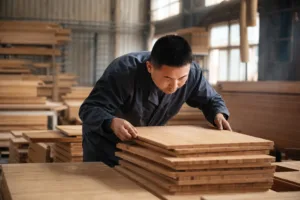
Wooden photo frames create a natural outline for images, art, or certificates. Bamboo, oak, ash, or beech are popular choices for their durability, fine grain, and sustainable sourcing. At Bamboo Wood Art, solid wood frames undergo kiln drying to reach optimal moisture content (usually 8–12%). This minimizes warping and ensures a tight fit for glass or acrylic fronts.
Edge Profiles and Joinery
Clean, mitered corners or decorative finger-jointed edges give a distinct look. CNC machining shapes profiles precisely, while fine sanding (sequence: 180→240→320 grit) ensures a smooth surface. Edges may be straight, beveled, or rounded for style and safety.
Finish Choices: Color, Sheen, Protection
Water-based varnishes or UV finishes protect wood and highlight its grain with a natural sheen. For eco-conscious brands, plant oils like tung or linseed offer a subtle matte finish. These finishes meet low-VOC standards (E0/E1) and food-safe requirements where relevant, keeping display products safe for retail or hospitality settings.
- Natural clear varnish for upscale retail
- Carbonized bamboo finish for darker tones
- Custom stains to match décor themes
Frames are often FSC or PEFC certified, supporting responsible forest management. This is crucial for B2B partners focused on sustainability.
Wooden Shadow Box: Depth, Display, and Protection
A shadow box lets you showcase more than pictures. Medals, badges, keepsakes, and 3D art all find a home in deep wooden frames. Bamboo Wood Art crafts shadow boxes with solid bamboo or select woods, choosing cross-lamination for strength or bamboo ply for lightness. A true shadow box uses spacers and sturdy backing boards to secure items without pressure on the glass or acrylic front.
Backing Boards: Secure and Stable Supports
Backing boards matter for both photo frames and shadow boxes. MDF (medium-density fiberboard), plywood, and acid-free boards provide flat, durable surfaces. Archival-grade backing protects against discoloration and mold, especially for photographs or textiles.
Easy Access and Repositioning
Removable backs with turn-buttons or spring clips speed up swaps between items. Some shadow box designs offer hinged or magnetic backs for convenience.
Depth and Mounting Systems
- Shallow shadow boxes (25–40mm depth) suit coins or medals
- Medium depth (40–70mm) fits ribbons, badges, or model kits
- Deep boxes (70mm+) showcase books, jerseys, or sculptures
Hanging Hardware: Mounting Frames Safely
How you mount a frame affects its security and positioning. Brass sawtooth hangers, steel D-rings, or wall cleats (French cleats) offer reliable attachment for both light and heavy displays. Large or deep wooden shadow boxes often use multiple fixing points for even weight distribution. Pre-installed options streamline B2B assembly for retail or hospitality rollouts.
Wire-hanging for Versatility
Flexible wire systems allow easy leveling and repositioning. Heavy frames should use double wires for stability. Always check hardware weight ratings and wall compatibility before installation.
Safe Packaging for Transit: Preventing Damage
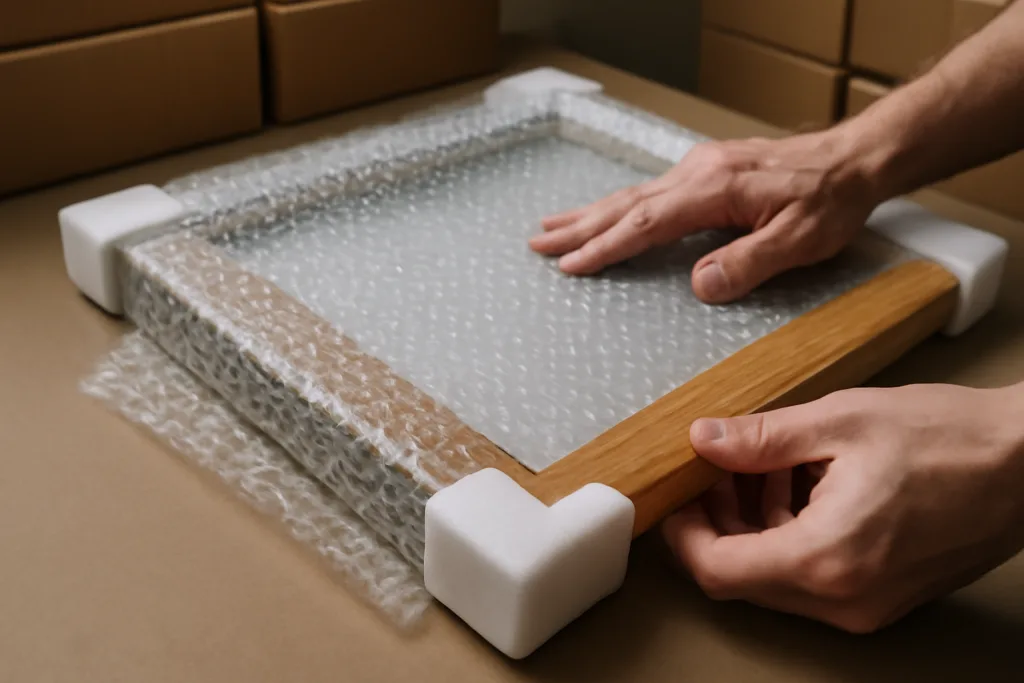
Packaging is crucial, especially for large runs or international exports. Frames and shadow boxes often travel long distances. Proper materials keep glass, acrylic, and wooden edges safe from cracks, scratches, or warping. Bamboo Wood Art uses edge protectors, anti-static wraps for acrylic, and layered foam-die inserts. Cartons meet ISTA drop-test standards, supporting safe delivery in retail and hospitality supply chains. Tamper-evident seals and moisture barriers help prevent dust and humidity damage in transit.
- Corner foam guards for glass or acrylic fronts
- Multi-layer bubble wrap around mounting hardware
- Outer cartons sized to minimize shifting and impact
Retail Display and Planogram Examples
Displaying frames and shadow boxes in stores, showrooms, or galleries requires smart placement. Planograms organize products visually, guiding customers to explore varieties and applications. A well-set display may show wooden photo frames with both glass and acrylic options, illustrating clarity, anti-reflective benefits, thickness, and finishes side-by-side.
Smart Planogram Strategies
- Group by material: glass left, acrylic right for direct comparison
- Tier by finish: natural, stained, carbonized bamboo on separate shelves
- Demo depths for shadow boxes (shallow/medium/deep)
- Highlight anti-reflective panes under strong lighting
- Show packing steps for B2B buyers: edge guards, wraps, robust cartons
Interactive Displays
Retailers and B2B sellers sometimes use demo stations with sample panels. Shoppers can touch test acrylic and glass, view anti-reflective performance, or check backing options. Custom frames by Bamboo Wood Art often feature corporate or hospitality branding, demonstrating OEM precision and sustainable sourcing.
Choosing the Best Option: From Front Panels to Final Presentation
Let’s recap the decision points for selecting frames and shadow boxes. Glass gives unbeatable clarity and tradition, while acrylic delivers lightness and safety. Anti-reflective coatings upgrade both types, elevating showroom and gallery impact. Wooden frames and shadow boxes should match both the artwork and environment, considering sustainable sources, joinery, finishes, and certified backing.
- Define use: home, retail, hospitality, gallery, export
- Choose front panel: glass (standard or AR), acrylic (standard or AR)
- Pick frame: solid wood, bamboo, select grain and finish
- Select backing: archival, acid-free for sensitive items
- Hardware: hangers, wires, cleats for secure mount
- Packaging: foam guards, wrap, robust drop-tested cartons
- Plan layout: visual hierarchy via planograms for sell-through
Expert takeaways: Anti-reflective glass or acrylic enable premium displays, especially in public or brightly lit places. Always pair solid wooden frames with certified backing and protective packaging for reliability and brand value. For businesses, working with experienced manufacturers such as Bamboo Wood Art ensures consistent quality from material choice to hardware and packing.
Frequently Asked Questions
What is the difference between glass and acrylic in frames?
Glass provides crystal clarity and scratch resistance, while acrylic offers lightweight, shatterproof performance. Acrylic is safer for large frames and busy spaces.
Do anti-reflective glass and acrylic protect photos from fading?
Yes, museum-grade anti-reflective glass and acrylic have UV coatings to reduce glare and block sunlight, helping preserve photos and artwork for longer.
Which is better for a shadow box: glass or acrylic?
Acrylic is usually safer for deep shadow boxes, especially in high-traffic areas, while anti-reflective glass works well for premium or archival displays.
How do backing boards affect frame longevity?
Quality backing boards—like acid-free or archival MDF—protect items from moisture and dust, preventing warping and yellowing of photos over time.
What should I look for in frame packaging for shipping?
Choose packaging with foam edge guards, multi-layer wraps, moisture barriers, and tested drop protection to prevent damage during transit.
Are bamboo wooden frames sustainable?
Yes, bamboo frames from certified sources offer fast renewability, lower emissions, and strong durability, aligning with eco-friendly business values.