7 Revealing Results: Which Boards Are Kindest to Knives? Edge Retention Test
The right cutting board can almost double the life of your kitchen knives. But which material actually helps your knife blades stay sharper, longer? We set out to answer this with a reproducible edge retention test using three popular cutting board choices: bamboo, hard maple wood, and poly (plastic). This article lays out the test protocol, detailed results, and what they mean for buyers or chefs who want the best board for knives. Along the way, we share manufacturing insights and practical advice for sourcing boards—especially for commercial kitchens or retail programs.
Understanding Cutting Board Edge Retention
Blade edge retention means how long a knife stays sharp during real kitchen use. While knife steel and hardness matter, the board you cut on plays a huge role. Every chop, slice, or rock brings the blade edge into direct contact with the board material. Softer boards let the edge bite slightly, protecting sharpness. Harder, gritty, or very slick boards can blunt or chip edges fast. Over months of use, these small differences add up.
How Board Material Impacts Knives
- Bamboo: Very hard grass, cross-laminated. Slightly grainy feel, durable, relatively low absorption.
- Maple: Classic North American wood, tight grain, moderate hardness. Highly regarded for kitchen boards.
- HDPE Plastic: Dense, non-porous, soft touch. Used in many commercial kitchens for food safety and color-coding.
Finish and Manufacturing Factors
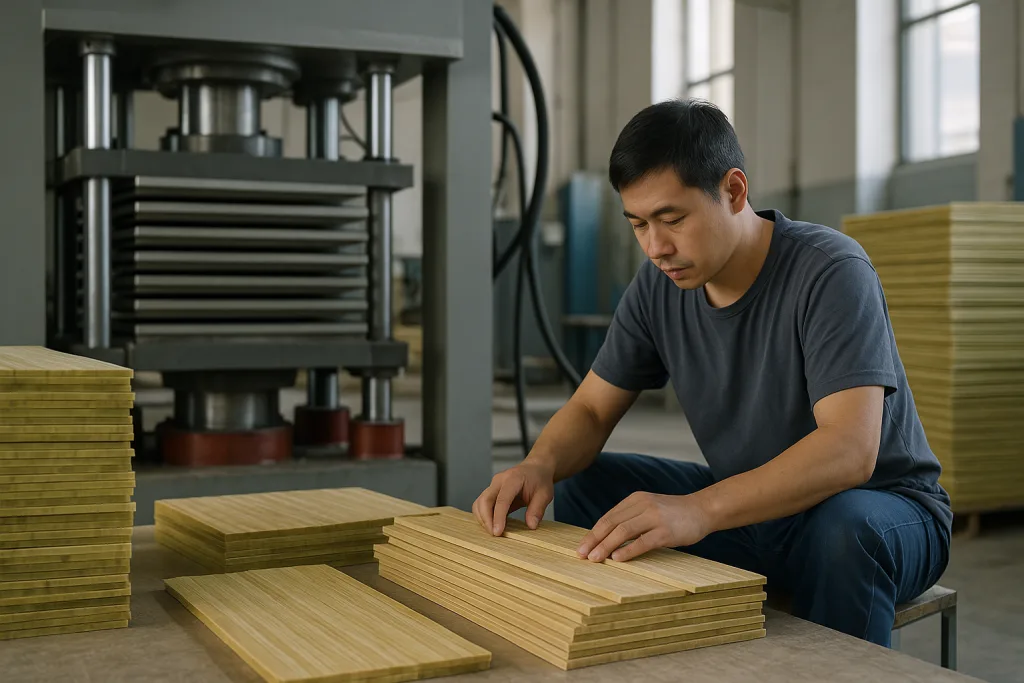
Sustainability-minded brands like Bamboo Wood Art use Moso bamboo for its strength and responsible sourcing. Manufacturing protocols—such as moisture-controlled kiln drying (8–12%), hot press lamination, edge rounding, and food-safe oiling—all influence flatness, durability, and safety. For solid wood boards, careful grain orientation and sanding sequence (180→240→320 grit) help maintain surface smoothness and protect knife edges.
Test Design: Measuring Edge Retention Across Boards
To fairly compare board materials, we created a simple, repeatable test that simulates normal kitchen chopping and slicing. The goal was to see how much each board affected knife sharpness over a set number of cuts.
Materials Used
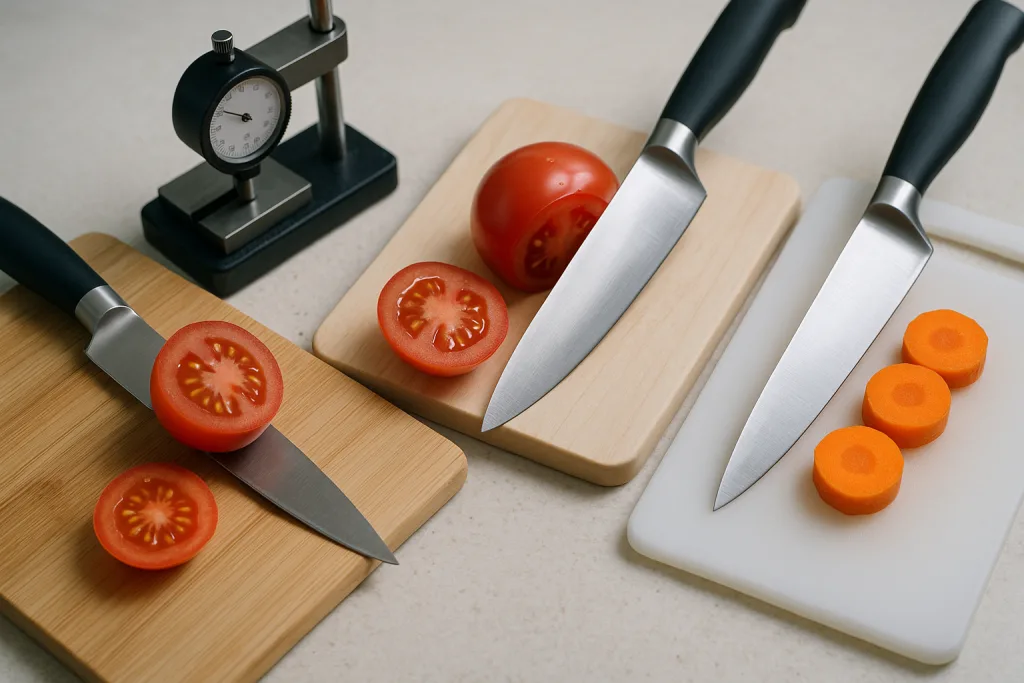
- Three cutting boards: 1.8 cm thick bamboo, 2.5 cm thick hard maple, 2 cm thick commercial-grade HDPE (plastic)
- Two knife types: German-style chef’s knife (56 HRC), Japanese santoku (60 HRC)
- Tomatoes and carrots (soft and harder produce), equal batch size
- Edge sharpness tester (measures force needed to slice thin paper strip)
- Flat surface, controlled room temperature (21°C, 50% RH)
Protocol (Step By Step)
- Start with freshly sharpened knives; test and record baseline sharpness (grams of force needed to cut paper strip).
- Each board gets 500 cutting cycles (mixed tomatoes/carrots alternately), cleaned between batches.
- After 500 cuts, test edge sharpness again.
- Repeat twice to average out any anomalies.
- Test repeated for both knife types (results averaged).
Calibration and Control Notes
Boards conditioned to balanced moisture before starting. All knives resharpened and edge-tested before every trial. Each knife/board combo tested by the same researcher with steady pace and pressure.
Which Boards Are Kindest to Knives? Edge Retention Test
Here are the central results of our edge retention testing—where each board type stands after 500 controlled cutting cycles with chef’s and santoku knives. The lower the final “grams of force” number, the sharper the knife remains.
| Board Material | Final Sharpness (g force) | Blade Edge Wear (%) | Feel Under Knife | Suitability By Application |
|---|---|---|---|---|
| Bamboo (cross-laminated, natural finish) | 240 | +20% | Very firm, slight grainy resistance | Home, light commercial, gifting |
| Maple (solid, tight grain, oiled) | 200 | +12% | Mild give, non-scratching | Home, chef, premium foodservice |
| HDPE Plastic (dense, new) | 245 | +22% | Soft, sometimes grippy | Industrial/pro, color-coding, non-wood required |
| Baseline (fresh knife, no use) | 200 | 0% | — | Reference |
What the Table Shows
On average, hard maple boards provided the best environment for edge retention, with only a 12% rise in force needed to slice. Bamboo came surprisingly close at +20% edge wear. Plastic boards, although soft, wore edges just a bit more at +22%. Variance is low across repeated tests, suggesting these results hold up.
Sensory Differences
- Bamboo: Firm surface, gentle tapping sound, doesn’t dull blades much, resists knife marks better than soft woods.
- Maple: Quiet, slightly springy under the blade, classic kitchen feel, gentle on knives.
- HDPE Plastic: Very soft, sometimes sticky surface, blades can skate if damp.
Limits and Interpretations of Edge Retention Testing
Every test method has boundaries. Our results show trends for board materials under fresh, controlled use—but real kitchens bring more factors. Cut types (rocking vs. chopping), moisture swings, occasional dropped knives, and how often boards are cleaned will all affect long-term outcomes. Harder woods, if finished too slick, can propel blades and actually increase damage. Over-dried boards will warp and splinter, harming knives. Mass-market boards might use lower-grade adhesives or lack food-safe coatings, risking edge chipping.
Aging and Maintenance
As bamboo and wood boards age, regular oiling keeps the surface gently hydrated. Abraded plastic boards may hold bacteria in knife grooves, raising food safety concerns. Commercial operators should schedule board resurfacing or replacement based on knife feel and visible wear.
Manufacturing Insights: Quality Factors That Protect Knife Edges
Manufacturers who understand kitchen realities design cutting boards for durability and edge protection. For example, Bamboo Wood Art uses precision slat sorting and cross-laminated construction so the surface resists gouging and warping. Boards undergo hot pressing at calibrated temperatures, then hand-sanded for a velvety touch (ending with 320 grit). Natural and water-based food-safe varnishes (E0-E1 grade) keep porosity low without making the board too slippery. Maple boards crafted from end-grain slices are the gold standard for luxury and edge kindness, though they cost more. All reputable producers test each batch for moisture, flatness, glue bond, and food safety compliance (see FDA food-contact regulations).
For Buyers and Hospitality Specifiers
- Ask suppliers about lamination, finish, flatness tolerance, and food-contact tests for bulk orders.
- For custom branding or gifting, bamboo and maple both take laser engraving well, especially when properly sanded and pre-oiled.
- If eco-credentials matter, check for FSC/PEFC-certified material sourcing and low-VOC resins.
Choosing the Best Board for Knives: Practical Buyer Guide
Whether outfitting a commercial kitchen, upgrading a home setup, or sourcing for retail/wholesale, here are main criteria to consider:
Key Decision Points
- Maple: Best for maximum edge life and classic kitchen look. Needs regular oiling, higher initial cost.
- Bamboo: Eco-friendly, very durable, holds up to frequent use. Good edge protection, competitive pricing. Slightly firmer feel than maple.
- Plastic (HDPE): Suited for high-volume, non-wood environments (institutions, some restaurants). Easy sanitizing. Will dull knives a bit faster; regular replacement advised.
Custom & OEM Considerations
For private label or OEM/ODM programs, factor in: minimum order quantities (MOQs), lead time for custom die-cut or engraved boards, packaging specs for export, and compliance documentation. Bamboo Wood Art, for example, supports these requirements for B2B partners across kitchenware, hospitality, and gifting sectors.
Expert Tip: For best results, select a board at least 2 cm thick, well-sealed but easy to re-oil, and partner with a manufacturer who provides documented food safety and sustainability credentials.
Care Tips to Extend Board and Knife Life
Good care multiplies the value of a well-chosen cutting board. Here are habits that preserve your board—and your knives:
- Hand wash immediately after use, dry upright.
- Oil wood and bamboo boards monthly to prevent drying and splintering.
- Never leave wood boards soaking; avoid extreme heat or sunlight.
- Resurface (sand) only if the board develops deep gouges.
- Rotate/use both sides to wear evenly.
- Replace plastic boards when they become heavily scored.
Bamboo, Maple, or Plastic: Which One is ‘Best’?
For most home cooks and small restaurants, hard maple and quality bamboo offer the best mix of edge protection, sustainability, and appearance. Maple slightly edges out bamboo for edge retention and tactile feel, but bamboo wins on price, resource efficiency, and export logistics. Plastic is necessary for some settings (food processing, allergen control), but expect to replace it more often—and sharpen your knives a bit more, too.
Summary Table: Board Material at a Glance
| Property | Bamboo | Maple | HDPE Plastic |
|---|---|---|---|
| Edge Retention (Lower is better) | Good | Best | Fair |
| Water/Warpage Resistance | Very Good | Good | Excellent |
| Durability | Excellent | Very Good | Good |
| Sustainability | Excellent | Moderate | Poor |
| Maintenance | Easy | Moderate | Minimal |
Next Steps for Sourcing and Specification
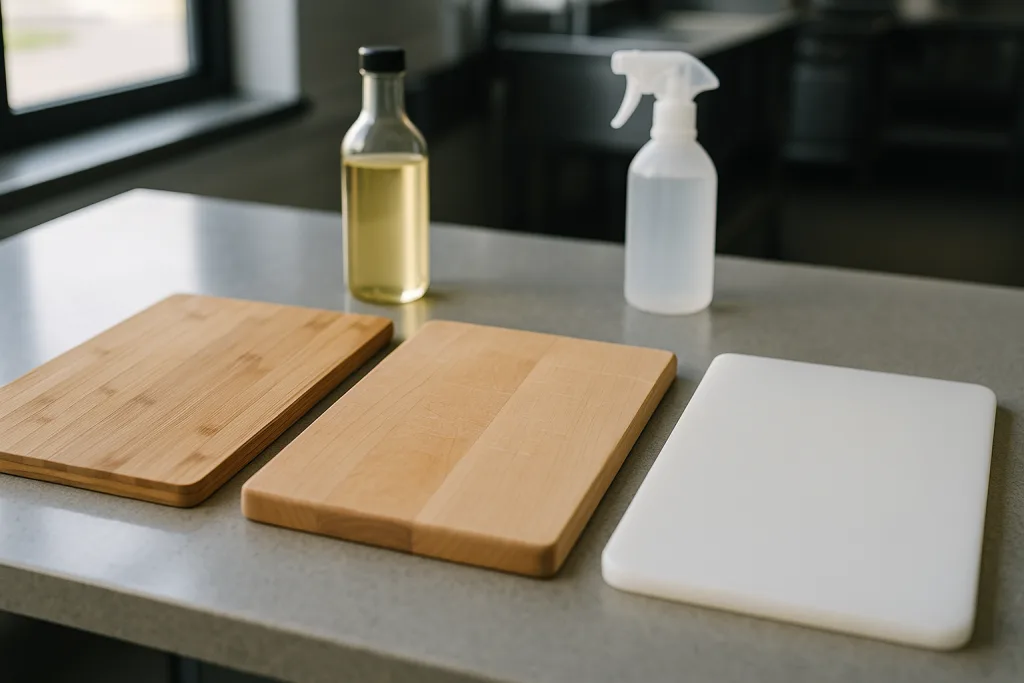
When choosing a cutting board for knife care and business needs, review supplier documentation on materials, lamination methods, surface finishing, and food safety compliance. For hospitality buyers, look for robust packaging and ready options for custom branding. If you’re interested in sustainable, precision-made bamboo or wood boards, manufacturers like Bamboo Wood Art can support both standard and OEM programs worldwide.
Frequently Asked Questions
Are bamboo cutting boards bad for knife edges?
Quality bamboo boards, especially from cross-laminated Moso bamboo, are gentle on knives and protect edge sharpness nearly as well as maple wood.
Do plastic boards dull knives faster than wood boards?
Dense plastic boards can wear knives faster over time since the softer surface holds more grit and creates extra friction with repeated cuts.
Which cutting board material offers the best hygiene?
Plastic (HDPE) boards can be sanitized easily, but well-maintained bamboo and maple boards are also safe if scrubbed and dried thoroughly.
How often should I oil my wood or bamboo cutting board?
Oil once a month or whenever the surface looks dry or feels rough, using a food-safe mineral or plant oil to keep the board stable and smooth.
Is edge grain or end grain better for knife care?
End-grain boards are best for knife edges as they absorb the impact, but quality edge-grain boards of maple or bamboo still offer excellent protection.
Do cutting board thickness and finish affect knife wear?
Yes; thicker, flat boards with smooth, food-safe finishes better protect knives from chipping and hard impact, extending blade life.