Introduction
Bamboo cutting boards have soared in popularity as modern kitchens shift toward natural, sustainable tools. Their light color, sleek lines, and eco-friendly reputation make them a favorite for both casual cooks and culinary pros. Yet, a pressing question remains: how gentle are these boards on your kitchen knives? Knife-friendliness isn’t just a matter of convenience—it directly impacts how often you’ll be sharpening your blades, how safely you can chop, and how confidently you can prepare every meal. This guide unpacks the real story behind bamboo boards and knife safety so you can slice, dice, and serve with peace of mind.
What Makes a Cutting Board Knife-Friendly?
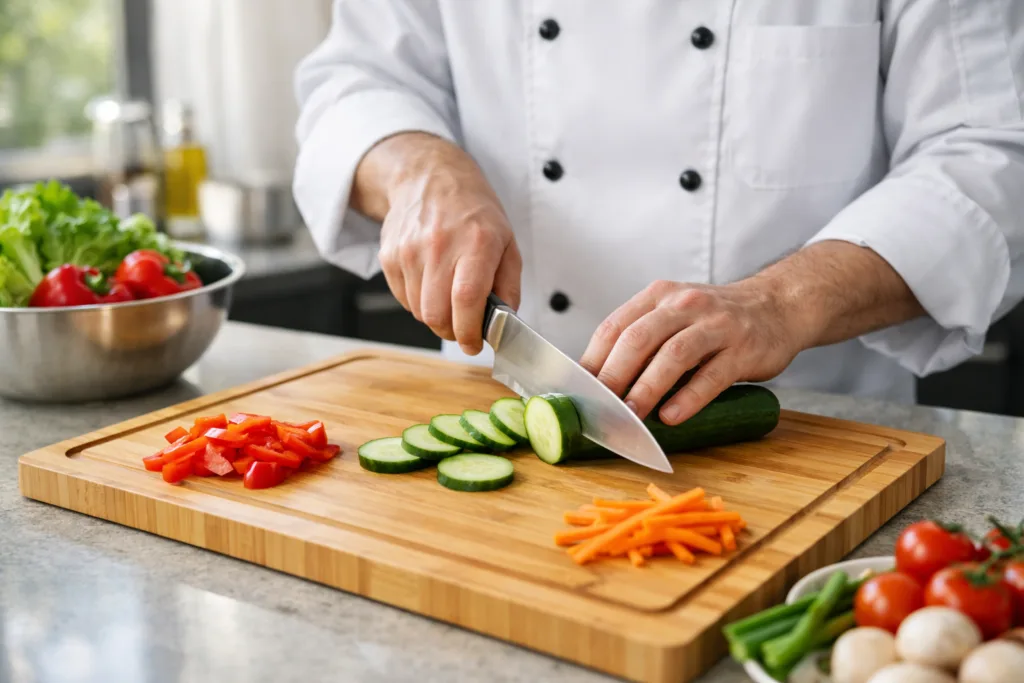
A knife-friendly cutting board is one that protects your knife’s edge, minimizing dulling, bending, or chipping with every slice. Material hardness, surface texture, and how the board yields under pressure all play critical roles. If a surface is too hard, knives go dull swiftly. Too soft, and grooves trap bacteria and food bits. The right balance means longer-lasting blades, safer handling, and fewer trips to the sharpening block.
Looking for a reliable supplier? Discover custom options with our bamboo cutting board manufacturer.
Characteristics of Bamboo Cutting Boards
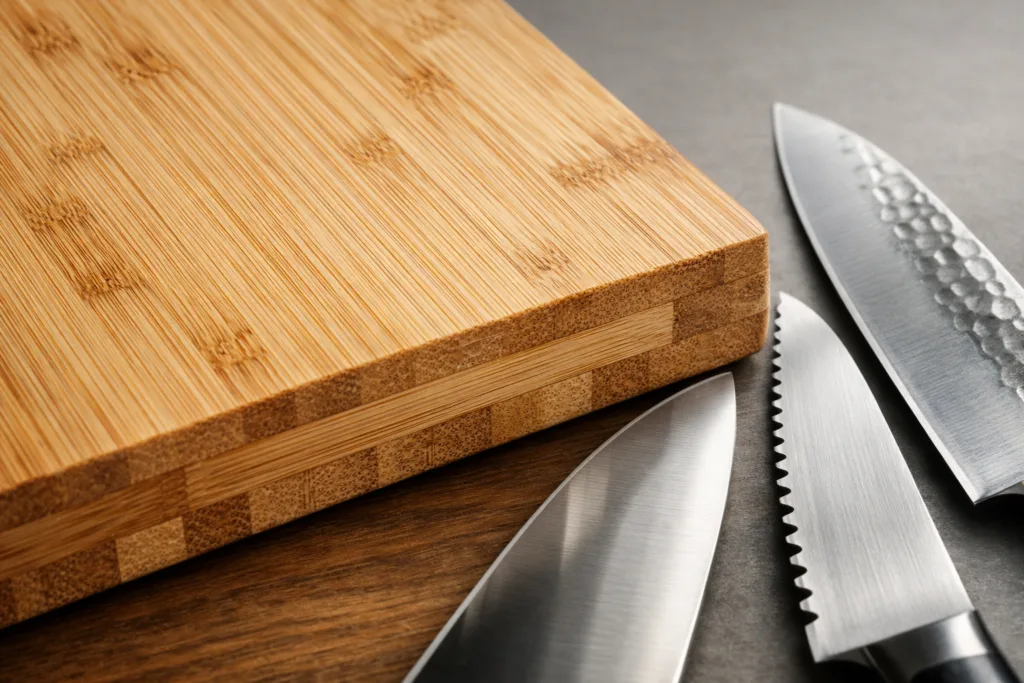
Bamboo is often classified as a grass, not a hardwood like maple or walnut. That distinction matters for texture and durability. Pressed and fused into boards, bamboo creates a dense, smooth, and relatively lightweight kitchen surface. Its structure is rich in silica—a mineral adding extra hardness compared to most woods, which contributes to its longevity but can raise questions about knife comfort.
Bamboo’s sustainability is a driving factor for green-minded cooks. The plant regrows rapidly from mature shoots without the need for replanting, and responsible harvesting yields minimal waste. Unlike plastics, bamboo doesn’t leach chemicals and avoids contributing to landfill overflow. These benefits extend into other kitchen tools too, including those detailed in our guide on reducing kitchen carbon footprint with bamboo products.
Common uses of bamboo in kitchenware include chopsticks, steamer baskets, organizers, and even display trays—demonstrating its versatility and aesthetic appeal beyond just cutting boards.
Are Bamboo Cutting Boards Knife-Friendly? The Truth
Bamboo’s density rates between 1,200–1,350 lbf on the Janka hardness scale, noticeably firmer than soft woods but less punishing than glass or stone. For context, traditional maple boards hit around 1,450 lbf, while plastic boards vary but are much softer. The high silica content means bamboo surfaces don’t “give” as much as softer woods, causing some chefs to claim that knives tire faster on bamboo.
However, home cooks and professionals often report mixed feelings. Stainless steel knives tend to fare well, staying sharp for a reasonable period if cutting technique is careful. Softer carbon steel blades may need more frequent honing. User reviews indicate that improvements in bamboo board manufacturing—like vertical grain construction and smooth finishing—can boost knife comfort substantially.
Expert Insights
Veteran craftsman Rain Chen from Bamboo Wood Art highlights that moisture control during manufacturing is critical: “Proper kiln-drying reduces warping, but the glue and finishing technique affect the board’s final hardness. Choosing quality, food-safe adhesives that remain flexible supports both the board and your knife’s edge.”
Most experts agree that bamboo isn’t as gentle as well-maintained end-grain wood boards but stands head and shoulders above glass, marble, or cheap acrylic boards in terms of knife-friendliness.
Pros and Cons of Bamboo Cutting Boards for Knives
| Pros | Cons |
|---|---|
| Resists deep grooves and bacteria Low maintenance Eco-friendly and renewable Affordable alternative to hardwood |
Slightly harder than some woods May dull knife edges faster Not ideal for delicate carbon steel blades |
Bamboo’s surface is far less porous than many woods, helping resist water uptake and warping. Maintenance typically involves less scrubbing and oiling, though regular care still matters for hygiene and longevity. On the downside, the board’s hardness can put extra strain on fine or expensive knife edges, demanding a little extra attention to sharpening routines.
Best Practices for Using Bamboo Boards with Knives
Maximize your knives’ longevity by following these practical habits:
- Keep your bamboo board clean and dry: Wipe after each use and allow it to air dry fully.
- Oil your board regularly: Use a food-safe oil to maintain surface smoothness and water resistance—see our step-by-step guide on how to oil a bamboo cutting board.
- Choose the right knife: Stainless steel blades tend to tolerate bamboo surfaces better than ultra-hard, high-carbon knives.
- Refine your cutting technique: The lighter your touch, the longer your knife stays sharp.
- Rotate boards regularly: Use a dedicated bamboo board for vegetables and another for proteins to reduce cross-contamination and surface wear.
Never put your bamboo cutting board in the dishwasher. The heat and moisture ruin the glue and cause warping or splitting.
For added protection, check which oils are safest for routine board maintenance with our review of best oils for bamboo cutting boards.
Conclusion
So, are bamboo cutting boards knife-friendly? The truth is they strike a healthy balance between environmental responsibility, durability, and kitchen practicality. If you keep your knives sharp, care for your board, and select a reputable manufacturer, bamboo is a smart choice for most kitchens. While not as forgiving as premium end-grain wood, bamboo outperforms plastic, glass, and cheap wood alternatives for everyday slicing and dicing. For conscientious cooks who appreciate a touch of nature, bamboo cutting boards offer a safe, reliable surface—just pair them with attentive knife care for best results.
Frequently Asked Questions
Do bamboo cutting boards dull knives quickly?
Bamboo’s hardness can dull knives a bit faster than softer woods, but regular honing and proper cutting technique help maintain blade sharpness.
How often should I oil a bamboo cutting board?
It’s best to oil your bamboo cutting board once a month or whenever the surface starts to look dry or rough. Regular oiling prevents cracking and improves knife safety.
Can bamboo cutting boards harbor bacteria?
Bamboo is less porous than many woods and resists deep grooves, which helps prevent bacteria build-up. Cleaning and drying thoroughly after each use remains essential.
Are bamboo cutting boards suitable for all types of knives?
Most stainless steel knives perform well on bamboo, but those with delicate, high-carbon blades may require more careful maintenance and frequent sharpening.
Is bamboo better than plastic for knife safety?
Bamboo is typically safer for knives than plastic, which can develop deep cuts that harbor bacteria and dull knives over time.
Can I use both sides of my bamboo cutting board?
Yes, many bamboo boards are reversible. Rotating sides helps distribute wear evenly and prolongs both the board’s and your knife’s lifespan.