Introduction
Bamboo is one of the most eco-friendly and versatile materials shaping global product trends. If you’re a new business owner or entrepreneur interested in sustainable goods, learning how to source bamboo products from China can unlock opportunities across homeware, hospitality, personal care, and gift markets. China remains the world’s primary bamboo exporter, thanks to its experienced manufacturers and extensive raw material resources. This guide covers every aspect you need to enter the bamboo product supply chain with confidence: market potential, sourcing steps, supplier checks, dealing with quality, and navigating logistics.
Understanding Bamboo Products
- Types of bamboo products available
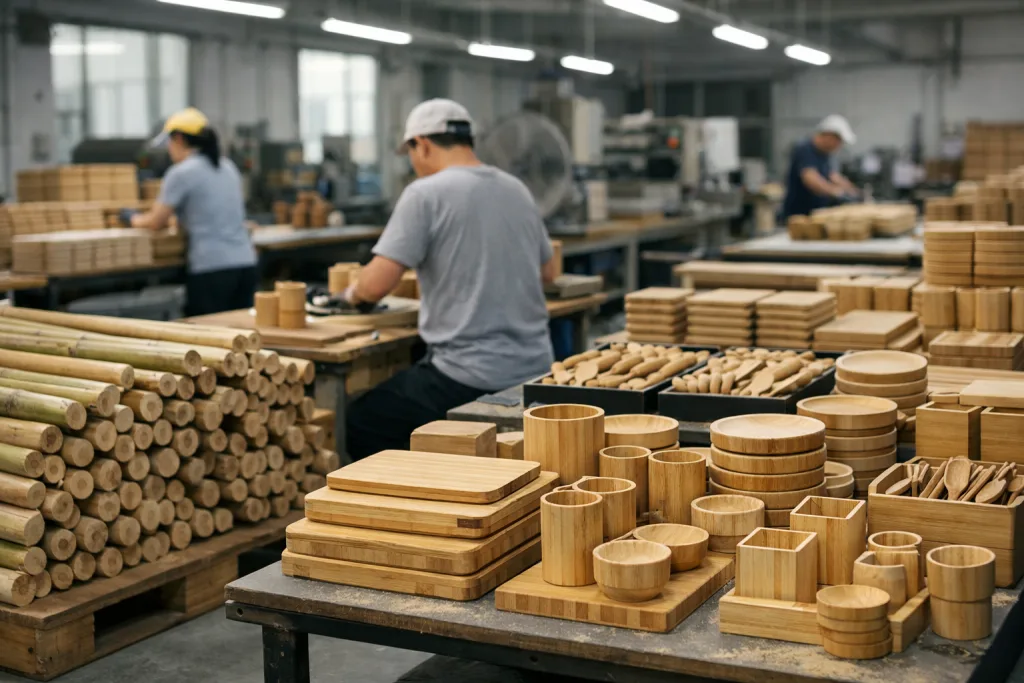
- Home & kitchen: cutting boards, trays, serving bowls, chopsticks, utensils, and food containers
- Personal care: toothbrushes, combs, soap dishes, massagers
- Furniture: shelves, benches, laptop tables, bed trays
- Hospitality: hotel room amenities, branded café trays, display stands
- Decor & storage: baskets, organizers, candle holders, picture frames, storage racks
- Benefits of using bamboo in various industries
- Rapidly renewable and absorbs more carbon than most woods
- Strong, lightweight, and naturally antimicrobial—ideal for kitchenware and personal products
- Visually appealing grain with options from rustic to modern
- Food-safe when processed and finished correctly (food-safe finishes: oil-wax vs water-based lacquer)
- Favored by eco-conscious consumers and brands
Why Source Bamboo from China?
- China as a leading bamboo producer
- Vast bamboo forests centered in Zhejiang, Fujian, and Sichuan provinces
- Decades of expertise in harvesting, carbonization, lamination, and finishing
- Specializations: cutting boards, trays, baskets, chopsticks, personal care items, and hotel amenities
- Advantages of working with Chinese suppliers
- Wide raw material selection and scalable output for bulk orders (bulk & wholesale programs)
- Lower manufacturing costs due to economies of scale
- OEM/ODM services for brand customization
- Mature export logistics and compliance experience
- Innovation in design and process efficiency
Finding Reliable Bamboo Suppliers
- Research methods
- Online directories: Alibaba, Global Sources, and Made-in-China help verify basic credentials. Look for responsive sellers with verified sites and detailed product listings.
- Trade fairs: Canton Fair and specialized wood shows in Yiwu or Shanghai allow in-person evaluation of products and networking with established manufacturers.
- Industry recommendations: Ask for referrals from experienced buyers or trade associations to find factories with proven reputations.
- Factory visits: Nothing beats firsthand inspections for assessing real capacity, worker conditions, and production flow.
- Checklist for supplier credibility
- Registered business licenses and export experience
- Ability and willingness to provide samples
- Open communication and matter-of-fact answers (avoid vague responses)
- Experience with requested bamboo items (cutting boards, trays, hotel items, etc.)
- References or customer testimonials
- Willingness to sign contracts and negotiate terms
Key Steps in Sourcing Bamboo Products
- Requesting samples
- Assess material quality, finish, scent (should be clean, not glue-heavy), and joinery
- Check dimensions, weight, and surface smoothness
- Inspect for defects (splinters, rough edges, odor, warping)
- For kitchenware, evaluate grain orientation and glue lines (bamboo cutting board manufacturer)
- Comparing product quality and pricing
- Request clear specification sheets
- Use side-by-side comparisons or sample photos (photo guide: show wood grain & finish)
- Get detailed quotes: understand if prices are FOB, CIF, or EXW
- Weigh trade-offs between cost, finish, and raw bamboo grade
- Negotiating terms and contracts
- Clarify minimum order quantity, deposit, and balance payment structure (FAQs for wooden buyers: samples, MOQs, lead times)
- Define delivery timeline and late penalty clauses
- Set clear specs for material (e.g., Moso bamboo, vertical grain), finish, packaging, and labeling
- Agree on quality inspection rights and rejection/resolution process
- Always sign an official purchase order (PO); don’t rely on chat agreements
Quality Control and Compliance
- Standards and certifications for bamboo products
- Look for FSC or PEFC certification to confirm sustainable sourcing (FSC/PEFC: how to verify wood claims)
- Relevant food-safety and reach/EN71 for tableware and children’s products
- Coating and adhesive standards: confirm use of food-safe glues and finishes
- Inspection procedures before shipping
- Third-party QC agents (AsiaInspection, SGS, etc.) can do on-site random checks
- Factory inspection reports: look for clean, dust-free sanding and precise joinery
- Visual surface checks for warping, cupping, or hairline cracks (warping, cupping & cracking: root causes & fixes)
- Test packaging integrity for export (drops, moisture resistance)
Logistics and Shipping Considerations
- Export documentation
- Proforma invoice, packing list, and commercial invoice are standard
- Certificate of origin for some markets; phytosanitary certificate for raw bamboo
- Understand HS codes for customs (see exporting wooden goods: HS codes & ISPM-15)
- Bamboo products may require fumigation certificates for import to certain countries
- Customs clearance tips
- Check for any anti-dumping duties or import bans on specific bamboo types
- Work with experienced freight forwarders who can guide wood/bamboo shipments and international logistics
- Factor in extra lead time during peak seasons and public holidays in both China and your destination market
- Always double-check your Incoterms—responsibilities can shift significantly between FOB, CIF, and DDP
How to Source Bamboo Products from China: A Beginner’s Guide
Sourcing bamboo products from China may seem daunting at first, but with a methodical approach, it can be a smart, sustainable strategy for brands and entrepreneurs. Bamboo’s value lies not just in environmental appeal, but also in manufacturing efficiency and long-term durability. Start by understanding your product requirements, conducting an in-depth supplier search—leveraging online directories, trade shows, and referrals—and always request and inspect samples for quality. Ensure every agreement from MOQ to packaging is documented and enforceable. Importantly, pay attention to compliance and inspection before shipment to prevent costly missteps.
Manufacturers like Bamboo Wood Art focus on controlled supply chains, from selecting mature, kiln-dried bamboo to rigorous sanding, glue-up, and food-safe finishing. As Rain Chen, a production manager, emphasizes: “Kiln-drying controls moisture content—if bamboo isn’t properly cured, you’re risking warping before the board even reaches your customer.” Such attention to detail isn’t just for high-end products—it’s essential for reliability at any scale.
By following these foundational steps—supplier research, sampling, negotiation, compliance checks, and careful shipping prep—you’ll be equipped to launch bamboo lines with confidence and competitive pricing.
Frequently Asked Questions
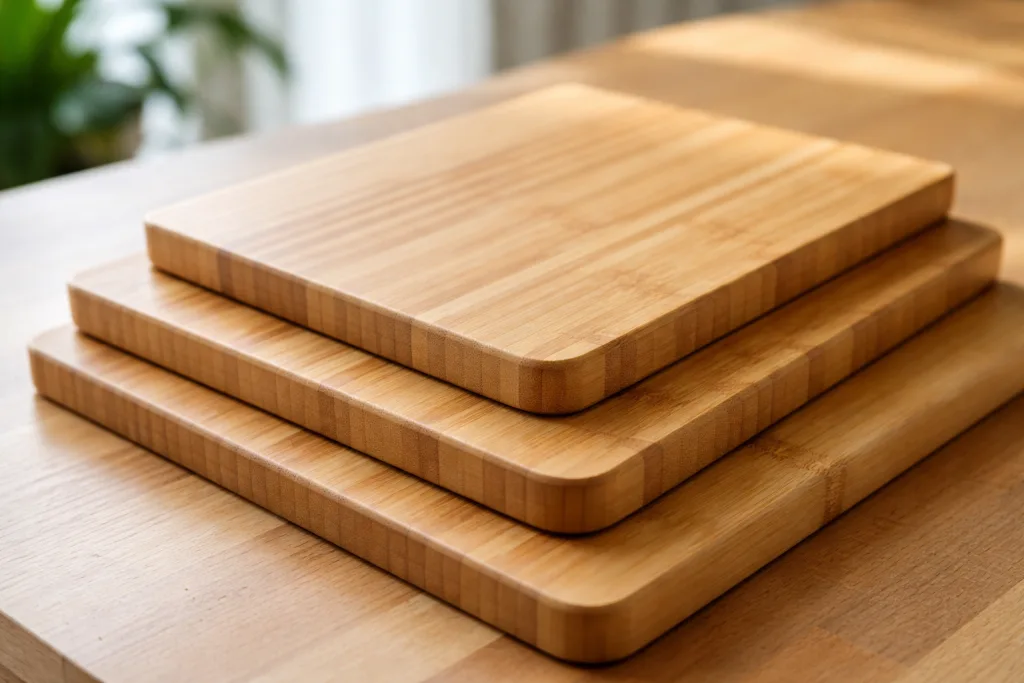
What types of bamboo products are most popular to source from China?
Common categories include kitchenware (like cutting boards and trays), personal care items (such as toothbrushes and combs), hospitality goods, and baskets. Specialty projects can extend to trays, organizers, and custom-branded merchandise.
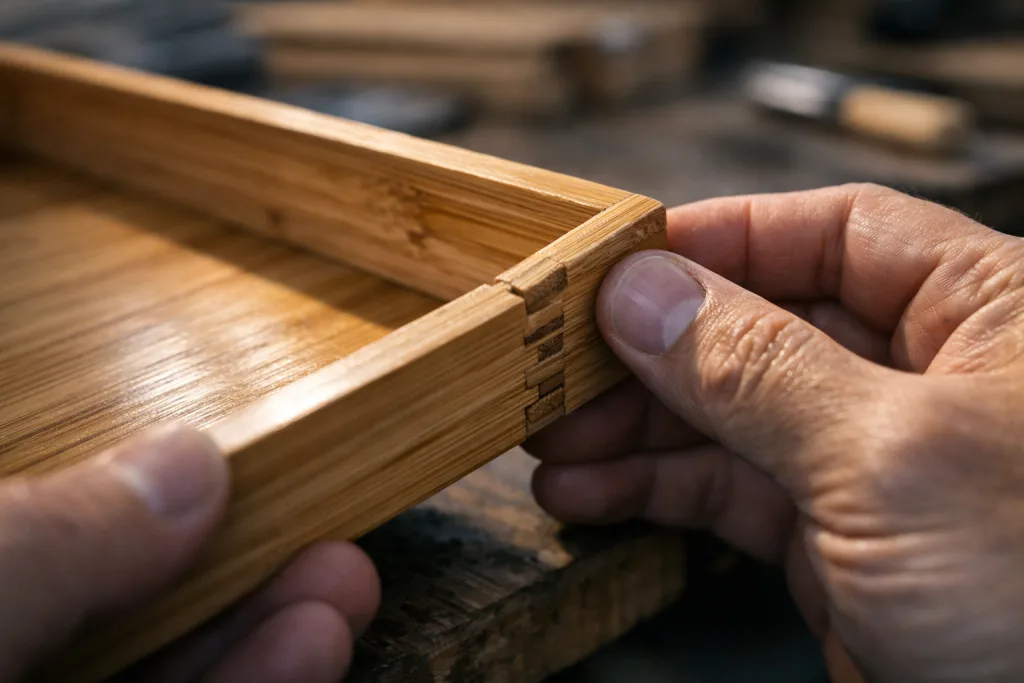
How can I verify if a bamboo supplier is reliable?
Check for business registration, export experience, and willingness to provide samples. Seek references, review inspections or audits, and visit their factory if possible. Always clarify terms in a signed agreement.
What quality checks should I do before confirming an order?
Inspect samples for finish, smell, moisture content, and joinery. For bulk shipments, insist on third-party inspections and review factory QC reports.
What are MOQs and are they negotiable?
MOQs (Minimum Order Quantities) vary by product and complexity. While most suppliers have standard MOQs, these can sometimes be negotiated based on relationship potential or slower production times.
Do I need certifications for importing bamboo products?
If you’re reselling or using in food contact applications, look for certifications like FSC/PEFC (sustainability), and food-safe coatings. Some markets require additional documentation, such as REACH compliance or import phytosanitary certificates.
What documents are required for customs clearance?
Prepare the invoice, packing list, bill of lading, and certificates like HS code declarations. Some countries ask for origin certificates or fumigation proof depending on the product type.