Introduction
Households committed to eco-friendly living often turn to sustainable kitchenware solutions—but what happens when that trusted bamboo utensil finally retires? Composting old bamboo kitchenware is a powerful way to give back to the planet, transform kitchen waste into nutrient-rich compost, and close the loop on truly sustainable cooking. In this practical guide, you’ll learn to assess, prepare, and compost your old bamboo kitchenware, keeping your kitchen green and your garden thriving, in line with conscious living trends and best practices for bamboo composting and sustainable kitchenware disposal.
Why Choose Bamboo Kitchenware?
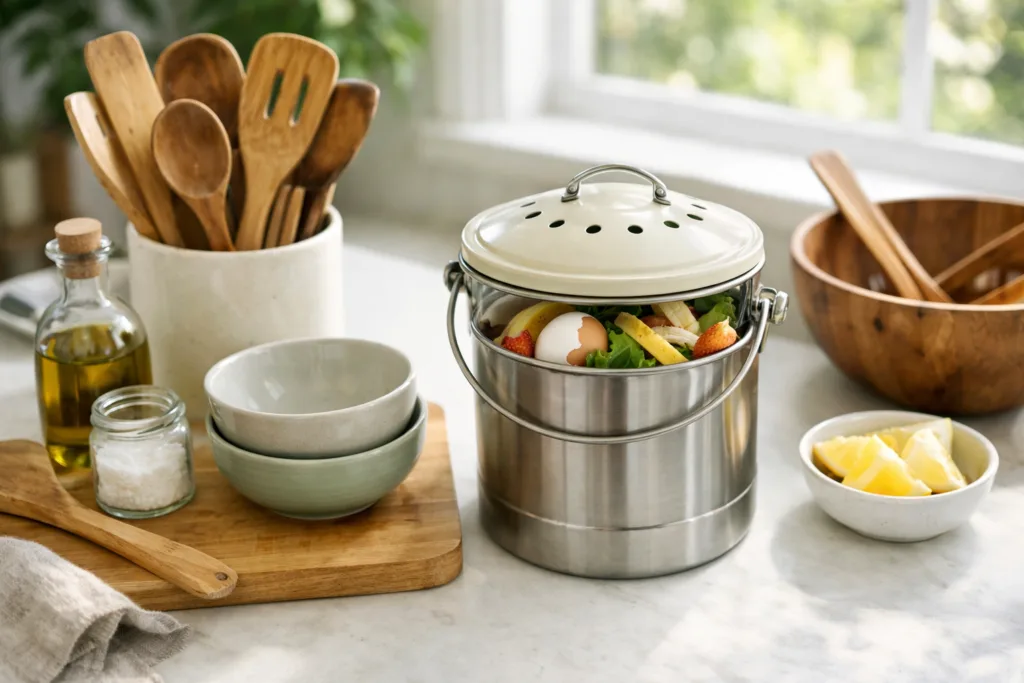
- Eco-Friendly Alternative to Plastic: Bamboo is rapidly renewable. It replenishes in just 3–5 years, unlike hardwoods or fossil-fuel-based plastics that take centuries to regrow or break down. Using bamboo kitchenware means less reliance on plastic—every fork, cutting board, or spatula makes a difference.
- Biodegradable & Renewable: At end-of-life, bamboo decomposes efficiently, returning nutrients to the earth if handled properly. Bamboo products rarely linger in landfills, reducing your kitchen’s overall environmental footprint.
- Durability and Performance: Beyond environmental perks, bamboo kitchen utensils are known for strength, resisting stains and odors, and gentle use on pots and pans. Their natural antimicrobial properties add extra value in daily kitchen routines.
Can Bamboo Kitchenware Be Composted?
- Composting Pure Bamboo Utensils: Bamboo itself is plant-based and compostable. When placed in active compost bins among other green and brown materials, it eventually breaks down into valuable organic matter—though slower than leafy greens or food scraps.
- Identifying Non-Compostable Components: Not every bamboo utensil qualifies for compost. Check for paints, adhesives, varnishes, or glued joints. Handles with metal, non-bamboo sections, or synthetic finishes should be removed to protect your compost and garden soil from contaminants.
- How to Tell Pure vs. Treated: Pure bamboo feels lightly sanded, matte, or unfinished. Treated items may feel slick, glossy, or have visible coatings. Home test: drip water over the surface; if it beads perfectly, there’s likely a coating present.
How to Prepare Old Bamboo Kitchenware for Composting
Proper prep is crucial to quick and clean decomposition of bamboo:
- Remove Non-Biodegradable Elements: Detach metal brackets, silicone seals, screws, nails, and all painted or varnished surfaces. A flat-head screwdriver or pliers works well for small pieces. Avoid composting glued joints or resin-laminated surfaces.
- Break Down Large Items: Bamboo decomposes much faster in smaller pieces. Use garden shears or a handsaw to chop larger utensils—cutting boards, chopsticks, stirring paddles—into sections under 3 inches (8 cm) long. This exposes more surface area to microbes.
- Clean & Dry: Wipe items free of stubborn food or grease. Moisture is fine, but avoid adding soaking-wet pieces to the bin, which can cause matting or bad odors.
Composting Process for Bamboo Products
- Choose the Right Compost Bin: Both outdoor tumblers, static bins, and even open piles can handle bamboo waste. A hot compost pile will speed up decomposition, especially in warmer climates.
- Layer for a Healthy Pile: Add bamboo pieces as a carbon-rich “brown” layer alongside leaves, paper, or straw. Mix with nitrogen-rich “greens” like veggie scraps, coffee grounds, or lawn trimmings to maintain a balanced ecosystem for compost microbes.
- Aim for the Right Mix: A rough 3:1 ratio of browns (bamboo, leaves) to greens (food scraps) creates the best compost. Turn the pile monthly for oxygen, or as often as possible in tumblers.
- Decomposition Timeline: Thin chopsticks or small utensil parts may decompose in 6–12 months; thick boards or heavy rolling pins can take 1–2 years. Cutting pieces smaller accelerates the process.
As a manufacturer with decades of expertise, Bamboo Wood Art offers custom bamboo kitchenware built for true sustainability—even down to how it’s composted.
Common Mistakes in Composting Bamboo Kitchenware
- Composting Coated Utensils: Varnished, lacquered, or resin-coated bamboo products resist breakdown and can leach undesirable chemicals into garden beds. If unsure, play it safe and exclude them.
- Ignoring Large Chunks: Thick, uncut pieces take much longer to break down and can create cold spots in your compost heap. Always break items down for more uniform composting.
- Overloading Bamboo: Adding too much bamboo without enough greens slows the decomposition. Compost works best with a variety of materials for active microbial life.
Benefits of Composting Bamboo Kitchenware
- Landfill Reduction: Diverting even a handful of old bamboo spatulas helps keep bulky, slow-to-decompose waste from overfilled landfills.
- Enriched Garden Soil: Compost from bamboo contains cellulose and minerals that strengthen soil structure and retain moisture. This gives gardens, flowerbeds, and even houseplants a natural boost.
- Completing the Sustainability Cycle: Bamboo is a textbook example of a closed-loop material. When responsibly sourced, used, and composted, it treads lightly on the planet and supports a truly waste-free kitchen.
- Reduction of Synthetic Inputs: Replacing plastics or resinous woods with bamboo means fewer synthetic substances entering your compost or home environment.
Composting Old Bamboo Kitchenware: A How-To
- Collect and Inspect: Gather any bamboo kitchenware ready for retirement. Remove metal, glue, paint, or synthetic handles using hand tools if needed.
- Break Down Thoroughly: Cut or snap items into pieces shorter than a standard matchbox, maximizing exposed bamboo grain for microbes.
- Layer Wisely: Add to compost in moderation and cover with kitchen scraps, weeds, or grass clippings to avoid surface drying and encourage decomposition.
- Monitor Progress: Check for visible breakdown every few months, turning the pile for aeration. Small pieces will fade away, while any overlooked metal should be fished out.
- Harvest and Use: When the compost is dark, crumbly, and smells earthy—your bamboo has successfully returned to the soil. Use it as a top-dressing around veggies or for indoor plant mixes.
Conclusion
From the first meal to final retirement, sustainable kitchenware like bamboo utensils can serve several lives. By breaking down, composting, and returning these natural tools to the earth, you help nourish future gardens, reinforce a kitchen’s green credentials, and become part of the circular, regenerative story bamboo embodies. Take pride in every step, knowing your efforts make lasting, positive change for both your household and the environment.
Frequently Asked Questions
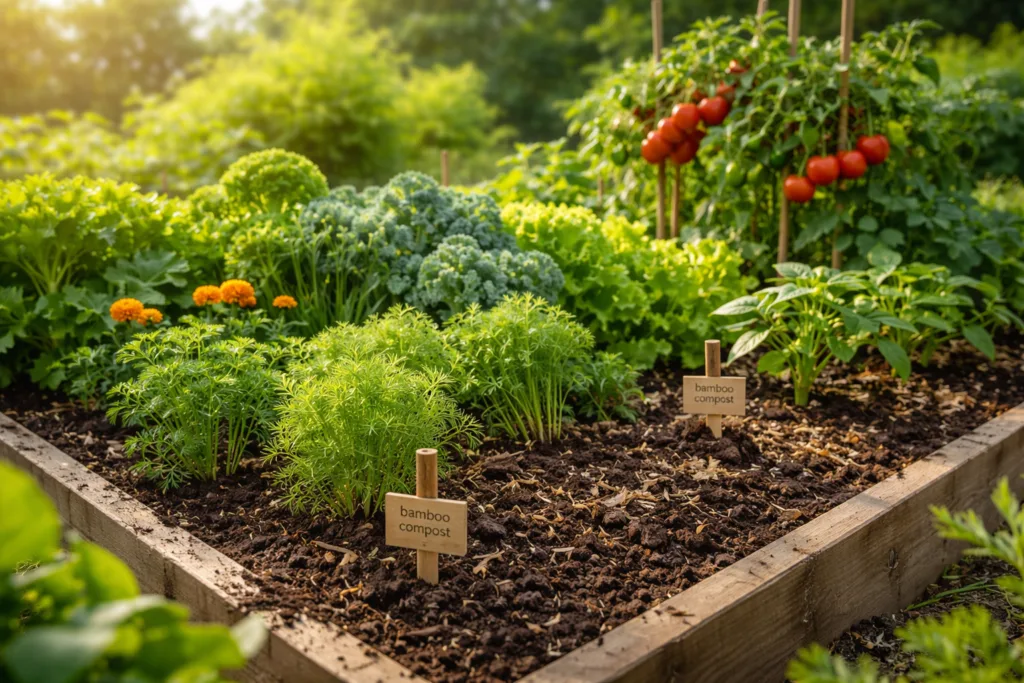
Can all types of bamboo kitchenware be composted?
No, only untreated, uncoated, and pure bamboo kitchenware should be composted. Items with paints, varnishes, or plastic components are best kept out of the compost to avoid contamination.
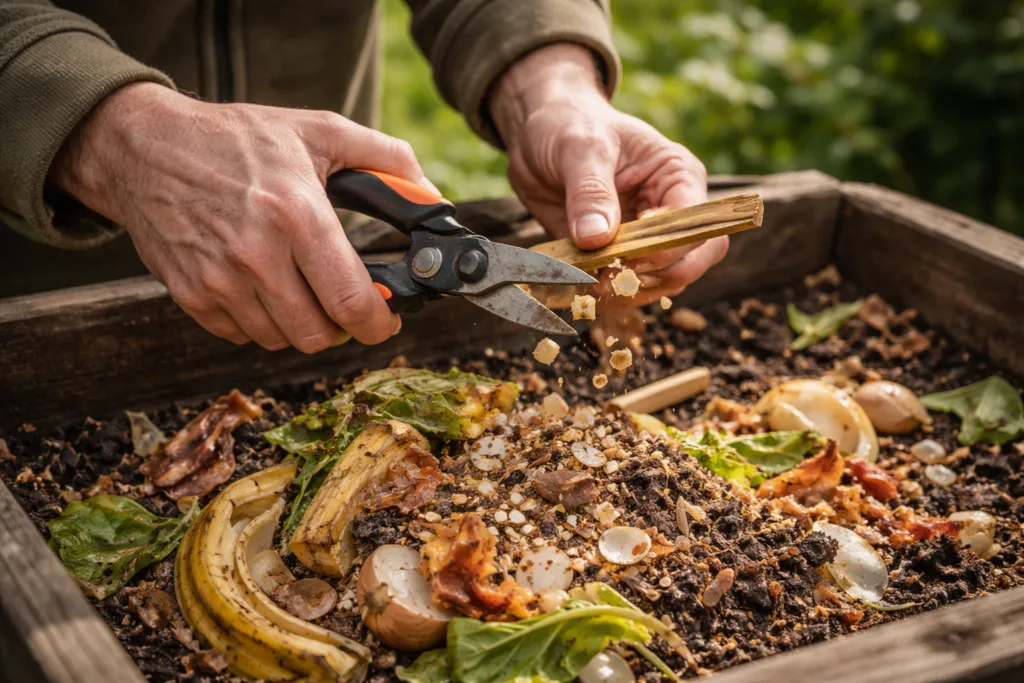
How long does bamboo kitchenware take to decompose in a compost bin?
Depending on size and preparation, bamboo may fully break down in 6–18 months. Cutting items into pieces and keeping the compost moist speeds up the process.
Do I have to remove handles, glue, or paint from old kitchen tools before composting?
Yes, always remove any non-bamboo components like metal, glue, or paint. Only compost the natural bamboo sections to protect your soil from unwanted residues.
What are the benefits of composting bamboo utensils compared to throwing them out?
Composting recycles nutrients into your garden, reduces landfill waste, and embraces the natural life cycle of a renewable resource like bamboo—helping your kitchen become more sustainable.
Is bamboo safe for compost that will be used on vegetable gardens?
Yes, provided the bamboo kitchenware is untreated and uncoated. Avoid composting items with chemical finishes to keep your edible garden beds safe.
Can I compost bamboo along with other kitchen scraps?
Absolutely. Bamboo acts as a carbon-rich material (brown) and should be balanced with nitrogen-rich scraps like fruit and veggie peels for healthy compost.