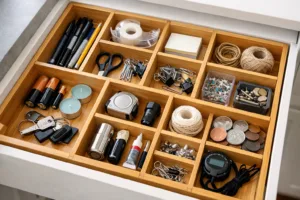
Introduction to Custom Molds
Custom molds play a critical role in the world of pressed bamboo products. These molds shape raw bamboo fibers and resin into everyday essentials, like trays, baskets, or even modern furniture parts. Why are custom molds so important? They offer precision, allowing manufacturers to produce pieces with exact dimensions and unique features consistently. This leads to less material waste, better product quality, and the ability to respond to special customer requests—such as personalized shapes or functional details that make bamboo goods stand out in the marketplace.
- Custom molds are essential for consistent production quality.
- They enable intricate shapes, dimensional accuracy, and streamlined batch manufacturing.
- This approach helps manufacturers like Bamboo Wood Art fulfill custom or large-volume orders efficiently.
Material Selection for Molds
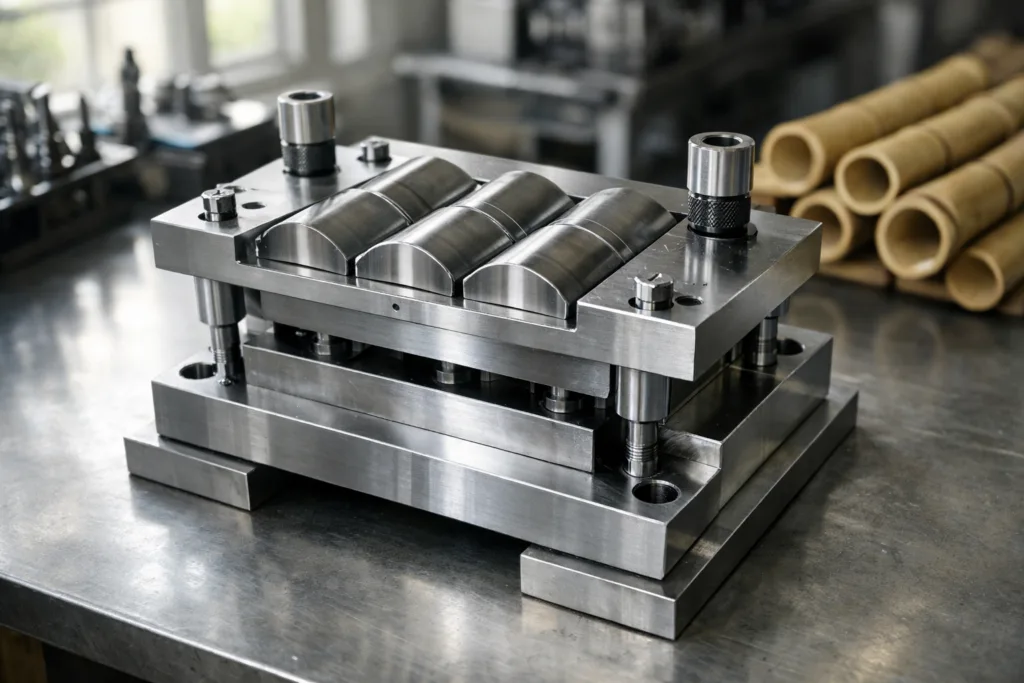
Choosing the right material for a bamboo pressing mold isn’t just about cost; it determines both the product’s finish and the mold’s lifespan. Common mold materials include metal alloys like aluminum or steel, high-strength plastics, and sometimes even advanced composites. Each has its benefits. Metal molds are extremely durable and can handle the heat and pressure required for dense bamboo pressing, while plastic molds are lightweight and cost-effective for prototypes or short runs. Durability and ease of cleaning matter—a mold with a smooth, well-treated surface prevents bamboo fibers from sticking and ensures every pressed bamboo item releases cleanly and holds its detail across hundreds of cycles. Routine maintenance, such as cleaning and inspection for wear, is necessary to extend mold life and avoid flawed products.
Looking for a manufacturer with flexible custom mold and pressed bamboo solutions? Explore our bamboo products manufacturer capabilities for your brand or business.
Design Process for Custom Molds
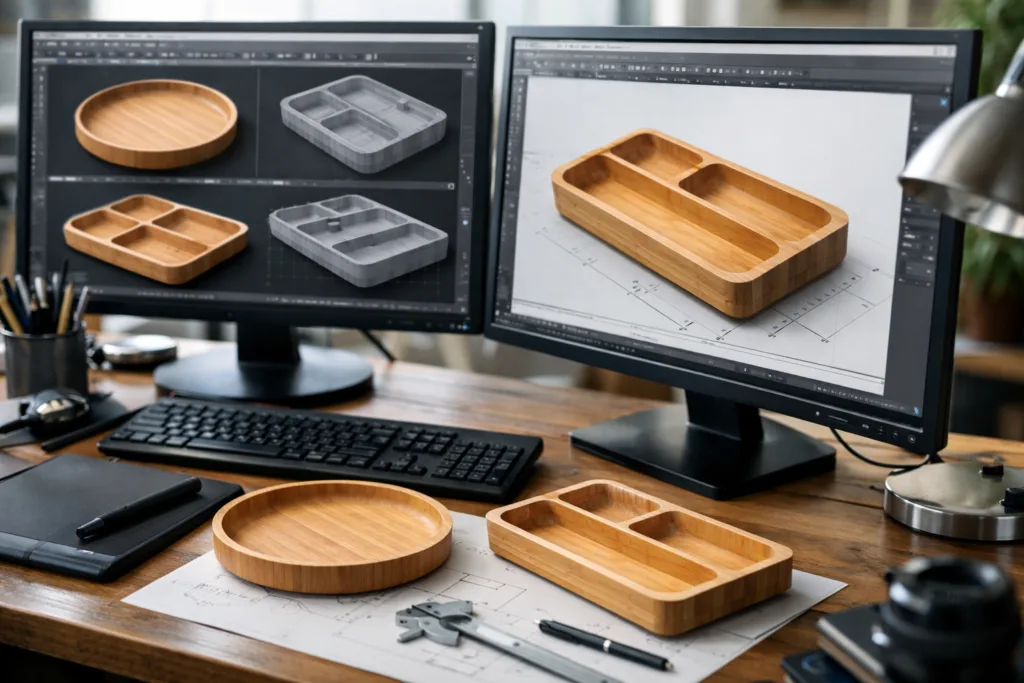
Creating a custom mold begins with detailed concept development. Designers work with clients to determine the final pressed bamboo product’s physical requirements—size, shape, texture, and standout features—making sure the mold meets both functional and visual goals. Next, advanced software like CAD (Computer-Aided Design) is used to create digital blueprints. 3D modeling allows for the visualization of the mold and the pressed bamboo item before anything is manufactured, so issues can be spotted early on. Prototyping comes next—often with 3D-printed miniatures or test molds—ensuring all components fit and work as intended. This combination of digital and hands-on development is especially helpful when crafting molds for intricate pressed bamboo designs, like decorative baskets or compartmented trays. The process is iterative; feedback from engineers and clients ensures every detail is right before any mold goes into full production.
Manufacturing and Testing the Mold
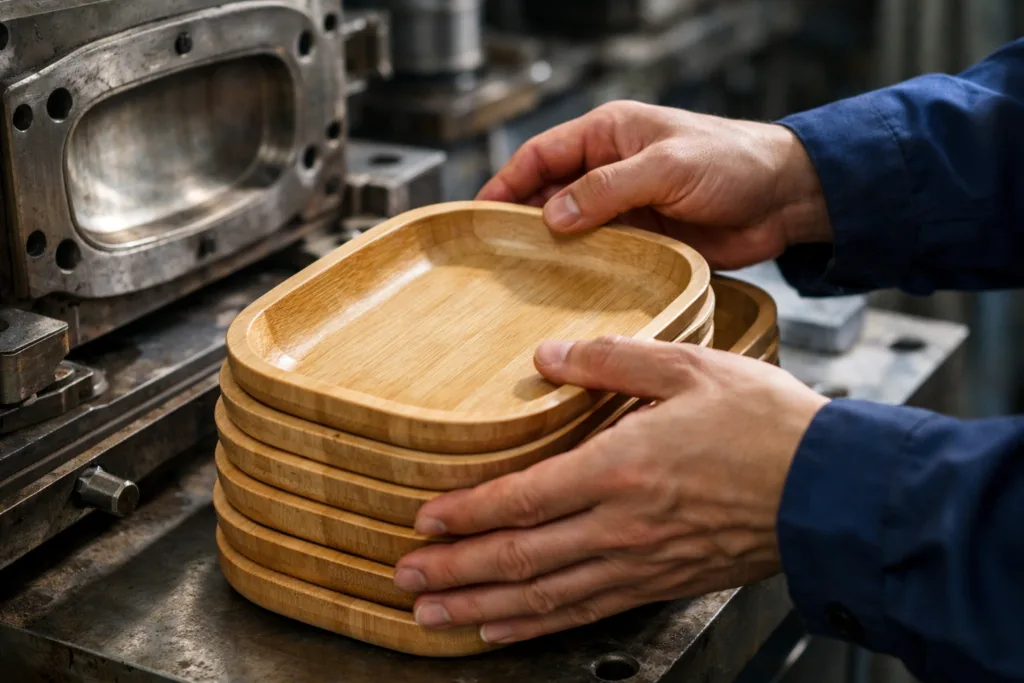
Once the mold design is finalized, manufacturing specialists bring it to life. For most pressed bamboo products, the mold is either CNC milled (shaped by computer-controlled machines) or cast from a durable material that can withstand high temperatures and pressures. After fabrication, the mold undergoes rigorous testing; a first batch of pressed bamboo is formed to check for accuracy, surface smoothness, and successful de-molding. Adjustments—such as fine-tuning the mold’s texture or adding release angles—may be made based on initial trials. The testing phase is essential: even a small flaw in the mold can introduce warping, rough surfaces, or dimensional inaccuracy in hundreds of finished pieces. This is where attention to detail really pays off. At Bamboo Wood Art, veteran craftsmen check each new mold for precision, ensuring every batch of pressed bamboo goods is consistent, sturdy, and beautiful.
Applications and Innovations
Custom molds unlock new possibilities in the pressed bamboo industry. Manufacturers can create everything from curved furniture panels and stylish kitchen trays to intricate baskets and branded promotional products. Unique mold designs make it possible to press logos, handles, or complex ventilation patterns directly into goods, paving the way for endless design variety. The trend toward personalization—fueled by digital design and rapid prototyping—means businesses can launch custom bamboo trays, organizers, and even ergonomic laptop stands in small or large batches with ease. As technology advances, hybrid molds (combining metal, resin, or rapid-set materials) allow for even more flexibility and reduced lead times for new products.
Creating Custom Molds for Pressed Bamboo Products
When sourcing or developing pressed bamboo products, understanding the custom mold process helps buyers ask the right questions and avoid common mishaps. Always check the manufacturer’s track record with similar projects, whether they specialize in kitchenware, furniture, or office accessories. Reviewing previous mold samples—either virtually or during a factory audit—allows you to assess robustness and production finish. Involving the team early in the design stage enables precise translation from drawing board to reality, minimizing costly revisions and delays. If you’re developing private label bamboo trays or custom organizers, it pays to discuss scalability in advance, ensuring the mold is robust enough for increased production later. Many respected factories, including Bamboo Wood Art, rely on seasoned mold technicians and standardized procedures proven by years of craftsmanship. This experience ensures reliable outcomes, whether you’re starting with a simple shape or an intricate, multi-part design.
Cost Factors and Lead Times
Several factors influence the cost of a custom mold for pressed bamboo manufacturing. These include the mold’s size, design complexity, material choice, and expected production volume. Large, multi-cavity metal molds cost more than single-piece plastic options. Intricate textures or moving parts (like spring-release features) drive up both machining time and price. While initial investments in durable molds are higher, they typically reduce per-unit production costs and boost overall quality. Lead times for mold creation usually range from two to eight weeks. Organizations planning for seasonal launches or large sales events should factor in this timeline, working closely with suppliers to avoid inventory gaps. Requesting early prototypes or small pilot runs can help organizations fine-tune designs and speed up mass production.
Safety and Quality Assurance in Molded Bamboo Products
Ensuring the safety and quality of pressed bamboo products starts with the mold. Sharp corners or poorly sealed joints can cause product defects or even safety hazards during use. For items intended for food contact, it’s vital to use food-safe mold release agents and certify that the mold material does not leach into finished goods. Frequent cleaning and scheduled inspections are part of a robust quality assurance system; these industry practices help maintain the high safety standards required by markets in North America and Europe. Bamboo Wood Art, for example, builds its quality checks into every stage—from the first prototype to routine production—preventing small mold imperfections from becoming large-scale product recalls.
Case Study: Custom Mold Success Story
Consider a project developing a stackable pressed bamboo lunch tray. The design called for a custom fit, with built-in handles and dividers. Using CAD assessments, the team refined the tray’s ergonomics, then developed a metal mold with reinforced stress points for durability. After initial tests revealed a sticking issue at the divider edges, a micro-release draft was added, and the mold’s surface was polished to a mirror finish. The final trays—produced in thousands—exceeded the required load tolerance and featured a clean, consistent release. Lessons from this project underscore the importance of iterative testing, digital modeling, and mold finishing in delivering reliable pressed bamboo products to market.
Best Practices for Pressed Bamboo Mold Maintenance
Maintaining custom molds is crucial for cost-effective production and high product quality. Technicians should perform daily cleaning to remove bamboo residue, resin, or potential build-up, especially after long production runs. Regular inspections for wear, corrosion, or physical distortion help identify problems before they impact product quality. Lubricating moving parts and applying appropriate sealants extend mold life. Scheduling preventive maintenance—such as deep cleaning or surface polishing—keeps both metal and plastic molds performing at their best. Collaborating with a manufacturer who values routine maintenance, like Bamboo Wood Art, ensures fewer emergency repairs and smoother production throughout the year.
Pressed Bamboo Mold Customization for Private Label Brands
Private label brands looking for unique, eco-friendly bamboo goods often leverage custom molds to launch innovative products. The process starts by aligning the mold design with specific brand identity features, such as special handle shapes, custom surface textures, or embossed company logos. Working with experienced mold engineers means that even ambitious or unusual design requests can be turned into practical, manufacturable solutions. Communication between the brand, designer, and manufacturer is key throughout the process, ensuring every detail matches branding goals and compliance standards. A robust mold lays the groundwork for scalable, consistent production as private label lines grow.
Environmental Benefits of Molded Pressed Bamboo Products
Pressed bamboo is renowned for its sustainability. Custom molds contribute directly to this benefit by reducing waste and maximizing material utilization. Well-designed molds allow off-cuts and trimmings to be minimized or recycled, and ensure precise product dimensions—meaning fewer rejects end up in landfills. The long service life of sturdy metal molds, partnered with bamboo’s fast growth and renewability, forms a virtuous cycle of sustainable production. These factors matter not only to eco-conscious consumers, but also to brands seeking certifications or a strong green narrative in marketing their molded bamboo goods.
Emerging Trends in Pressed Bamboo Mold Technology
The future of custom molds for pressed bamboo products is bright. Additive manufacturing (3D printing) of test molds, advanced simulation software, and surface texturing innovations all fuel a new wave of creative design. Molds that incorporate interchangeable inserts or modular updates allow quick adaptation to new market demands, so companies can launch seasonal or limited-edition items with less downtime. In fact, some innovators are beginning to experiment with smart molds that monitor temperature, pressure, or wear in real time, providing alerts for routine maintenance or production optimization. These trends are set to transform what’s possible with pressed bamboo over the next decade.
Integration with Other Production Methods
Custom molds for pressed bamboo often work alongside other techniques, enriching the final product. For example, laser engraving adds intricate patterns on trays right after pressing, while post-molding finishing can offer a variety of textures—from smooth to hand-feel matte. Some manufacturers, inspired by their experience with wooden goods, combine mold-pressed bamboo with carved wood accents for a unique hybrid aesthetic. This cross-method collaboration expands design options and supports the rising popularity of bamboo in modern home and giftware categories.
Frequently Asked Questions
What are the advantages of using custom molds with pressed bamboo?
Custom molds ensure consistent shapes, enable complex designs, reduce waste, and allow tailored solutions for different markets or functions.
How long does it take to make a custom mold for bamboo pressing?
The process usually takes two to eight weeks, depending on design complexity, material choice, and factory workload.
Which materials are preferred for bamboo pressing molds?
Most manufacturers use aluminum, steel, or high-strength plastics, balancing cost, durability, and required precision.
How do I maintain a mold to ensure quality pressed bamboo products?
Clean the mold daily, check regularly for wear, apply lubrication, and schedule routine maintenance for longevity and reliable product quality.
Can I get small-batch production using a custom mold?
Yes, especially with plastic or modular molds, which are cost-effective for small runs and allow design changes before scaling up production.
What makes pressed bamboo eco-friendly and how do molds contribute?
Bamboo regrows quickly, and custom molds reduce waste by maximizing materials, so less bamboo is wasted during manufacturing.