Understanding Exporting Wooden Goods: HS Codes & ISPM-15
Exporting wooden products like boards, kitchen utensils, and picture frames demands more than great craftsmanship. Whether you manufacture, sell, or source, knowing the correct HS codes and following ISPM-15 rules for pallets and crates is vital. Compliance ensures your shipments move quickly across borders and avoid costly holdups.
HS Codes for Wooden Products: What You Need to Know
HS codes, or Harmonized System codes, classify products for international trade. Every wooden item, from cutting boards to decorative frames, fits under specific categories. Using the right code means accurate declaration, fair duty rates, and fewer customs issues.
Common HS Codes for Boards, Utensils, and Frames
Below is a comparative table showing examples of HS codes for main wooden products:
| Product Type | Typical HS Code | Key Material | Best Export Use |
|---|---|---|---|
| Cutting Board | 4419.00 | Bamboo, Oak, Walnut | Kitchenware / Gifting |
| Serving Tray | 4419.00 | Bamboo, Beech | Hotel / Restaurant Service |
| Wooden Spoon/Utensil | 4419.00 | Beech, Bamboo | Food Use / Hospitality |
| Picture Frame | 4414.00 | Pine, Ash | Retail / Interior Decoration |
| Panel (decor/furniture) | 4412.99 | Bamboo Ply, Oak Veneer | Furniture / Wall Covering |
How to Find the Right HS Code
- Match your product’s description, material, and main use.
- Check national customs databases and the World Customs Organization HS Guidelines.
- If unsure, consult a trade compliance expert for your shipment.
Duty Rates and Estimation Basics
Each HS code links to a duty rate. For example, wooden kitchenware (4419.00) usually attracts 3%–8% duty depending on the destination. Handcrafted or FSC-certified goods can qualify for preferential rates under certain trade agreements.
- Country of import determines rate — always check the local tariff schedule.
- Value, material type, and product origin matter for duty calculation.
- Certificates (like Bamboo Wood Art’s FSC license) may offer lower rates in select markets.
ISPM-15 for Wooden Pallets and Crates
Many countries require wooden packaging — especially pallets and crates — to meet ISPM-15 standards. ISPM-15 stands for International Standards for Phytosanitary Measures No. 15, and it mandates heat treatment or fumigation to kill pests and prevent spread between countries.
Requirements for Export Packaging
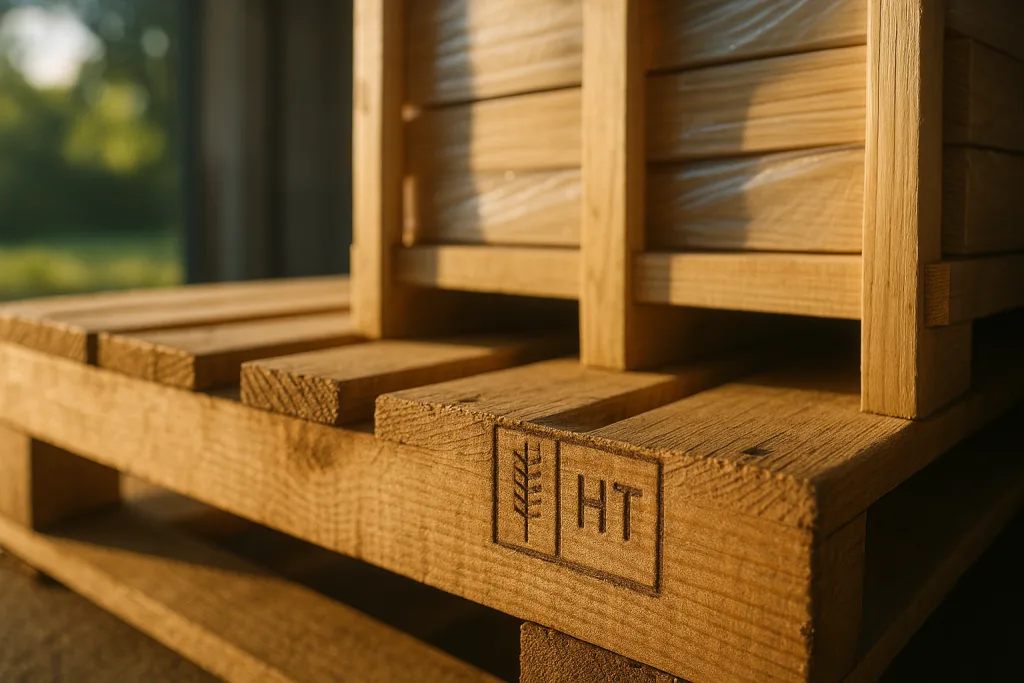
Each ISPM-15 compliant unit must display a mark showing treatment type and origin code. Bamboo Wood Art ensures all export crates and pallets use kiln-dried woods (8–12% moisture) and heat-treated timbers. We never use recycled pallets unless they retain clear marking and verified traceability.
Common ISPM-15 Treatments
- Heat treatment (HT): Timber heated to 56°C for at least 30 minutes.
- Methyl bromide fumigation (MB): Less common due to safety concerns.
Bamboo Packaging Exception
Bamboo, being a grass, often falls outside some ISPM-15 requirements. Still, many border authorities demand visible compliance, so clear marking is best practice. Always confirm latest rules for your destination.
Packing Lists, Certificates, and Trade Documents
Clear paperwork smooths customs review and supports claims for smooth passage or duty relief. Every shipment should include accurate packing lists, HS code referencing, and essential certificates.
Packing List Essentials
- List each product’s name, HS code, and quantity.
- Declare net and gross weight per type.
- Document pallet or crate dimensions and ISPM-15 markings.
Certificate of Origin (COO)
A COO proves where goods are made and can qualify your order for lower taxes. Bamboo Wood Art provides traceable COO on request. Match your paperwork with each customs office’s needs and confirm signatures and seals are current.
Other Useful Certificates
- FSC, PEFC sustainable sourcing (for lower duties or eco channels)
- FDA/LFGB food-contact compliance (for kitchenware)
- ISPM-15 treatment certificate for pallets/crates
Material Choices and Manufacturing Details
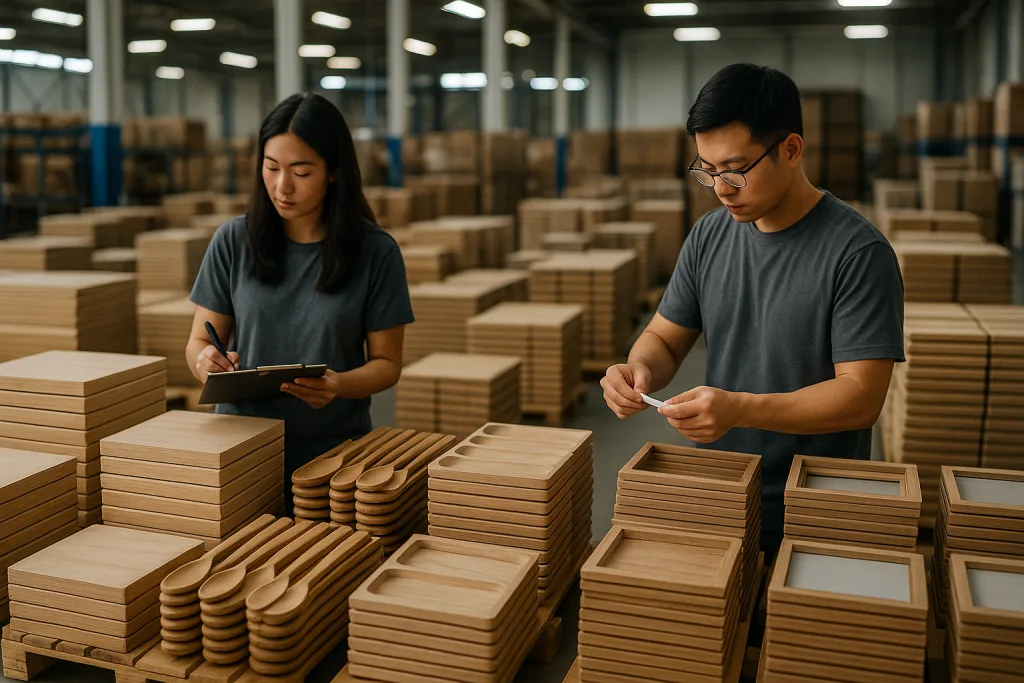
Bamboo Wood Art manufactures wooden goods using Moso bamboo, beech, oak, ash, and select walnut. Boards and trays use cross-laminated layers for warp resistance, typically kiln-dried to 8–12% moisture. Every batch goes through slat sorting, lamination, and hot press. Kitchen utensils are finger-jointed or mortise-and-tenon joined for durability, then CNC-shaped and sanded in detailed sequences (180–320 grit).
Finishes and Coatings
- Food-contact surfaces use water-based varnish, UV coatings, or plant oils like tung and linseed.
- Décor items can feature carbonized bamboo, veneer wrapping, or wrapped plywood with E0-E1 low-VOC resin.
- Laser engraving or carving personalizes giftware and branded sets.
- Packaging uses robust, ISPM-15 certified pallets or cases.
Quality Control Measures
Each piece meets tight flatness and dimension tolerances, adhesion checks, and finish inspections. Food-contact products receive extra checks for smoothness and coating uniformity.
Applications: Boards, Utensils, Frames, and More
From retail displays to restaurant supplies, wooden goods span many uses. Cutting boards and serving trays serve hotels and culinary brands. Frames, panels, and décor transform interior spaces. Custom boxes and branded displays make ideal corporate gifts. All these need careful compliance when heading overseas.
Best-Use Scenarios
- Kitchen boards and utensils: Food safety and moisture resistance are key — finish must be compliant.
- Frames and panels: Uniform color, tight joints, and reliable backing.
- Gift boxes and displays: Engraving, premium varnish, and secure packaging.
- Furniture parts: Warp control, strong adhesion, and precise fit matter most.
Export Workflow: Step-by-Step Guide
Proper planning makes exporting smooth. Follow these key steps:
- Select products and match to HS codes.
- Estimate duties and verify destination restrictions.
- Choose certified materials, finishes, and packaging.
- Create detailed packing lists and certificates (COO, ISPM-15).
- Book logistics and confirm compliance with the importer.
- Track shipment and keep all paperwork handy.
Exporting Wooden Goods: HS Codes & ISPM-15
Whether you handle a single batch or run regular shipments, mastering HS codes and ISPM-15 keeps your business moving. Duty assessments, packing lists, and COO certificates give buyers confidence. Bamboo Wood Art streamlines these details for every B2B order, backing precision and sustainability with proven compliance.
Compliance Pack: Your Export Safety Net
Ready to ship wood or bamboo goods globally? Download our Compliance Pack for a checklist, templates, and submission guides. Make sure your products meet all essential HS, ISPM-15, and documentary needs. Contact Bamboo Wood Art for OEM, branding, and export support tailored to the hospitality, retail, and corporate sectors.
Frequently Asked Questions
What is an HS code for wooden kitchenware?
The common HS code for wooden kitchenware is 4419.00, covering items like boards, trays, and utensils made from bamboo or hardwood.
Do all export pallets need ISPM-15 certification?
Yes, most countries require ISPM-15 certified pallets and crates for international shipments to prevent pest transfer.
Are bamboo pallets exempt from ISPM-15?
Bamboo is often exempt, but some border officials demand full marking; always confirm requirements for your destination country.
How do I estimate duty rates for wooden goods?
Check your product’s HS code and importing country’s tariff schedule; rates typically range from 3% to 8% for kitchenware.
What documents should I include in every export shipment?
Include a full packing list, certificate of origin, invoice, and any required certificates (FSC, ISPM-15, FDA/LFGB as needed).
Can Bamboo Wood Art help with OEM compliance paperwork?
Yes, Bamboo Wood Art supports OEM clients with compliance packs, HS code advice, packing lists, and trade certificates for exports.