Introduction
Understanding FDA regulations for wooden and bamboo food contact surfaces is crucial for anyone involved in the food industry, from manufacturers to restaurant owners and home cooks. The FDA sets clear standards to ensure these materials are safe for direct contact with foods, protecting consumers from contamination and promoting hygienic practices. Whether you’re choosing a bamboo cutting board or sourcing utensils for a commercial kitchen, knowing these guidelines is the first step to food safety.
- Overview of FDA standards for wood and bamboo
- Why these regulations matter for food safety
For custom bamboo or wood products that meet strict food contact standards, see our bamboo products manufacturer options.
FDA Requirements for Wooden Food Contact Surfaces
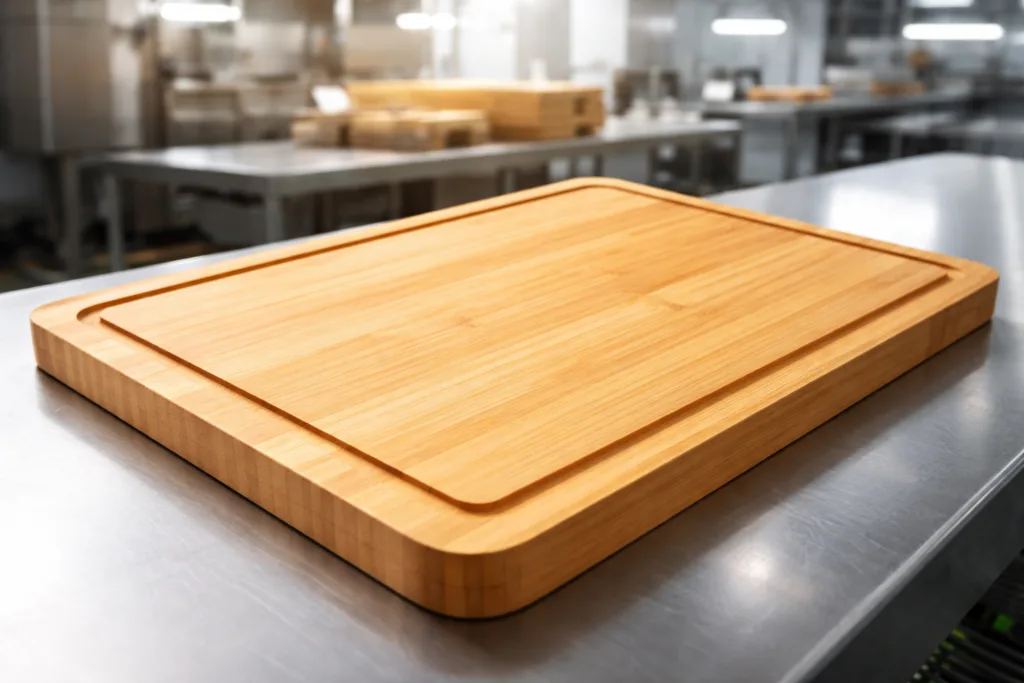
The FDA’s regulation of wooden and bamboo surfaces centers on preventing potential hazards like bacteria growth, splintering, and chemical contamination. The U.S. Food Code (most recently updated in 2022) allows properly maintained hardwoods and bamboo for use in food handling. Surfaces must be smooth, easily cleaned, and free from toxic treatments. Approved woods typically include hard maple, oak, beech, walnut, and bamboo—each with natural resistance to abrasion and bacteria.
- Food-safe wood and bamboo types specified by FDA
- Guidelines for avoiding toxic finishes, adhesives, or sealants
- Surfaces must be non-absorbent, smooth, and durable
FDA Food Code: Essential Guidance
The FDA Food Code is the benchmark for food safety in the United States, widely adopted by state health departments. It specifies that wooden surfaces should only be used if they are constructed from non-toxic, close-grained hardwoods or bamboo. These surfaces must be maintained to prevent cracks, chips, or deep scratches, which can harbor microbes.
Applicable Materials: What Qualifies?
Generally, wood species approved for food contact are hard, dense, and naturally resistant to moisture. Bamboo, technically a grass but used as a wood alternative, is permitted so long as it is processed without harmful chemicals.
Bamboo and Wood in Food Industry
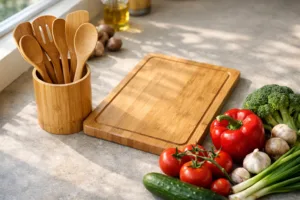
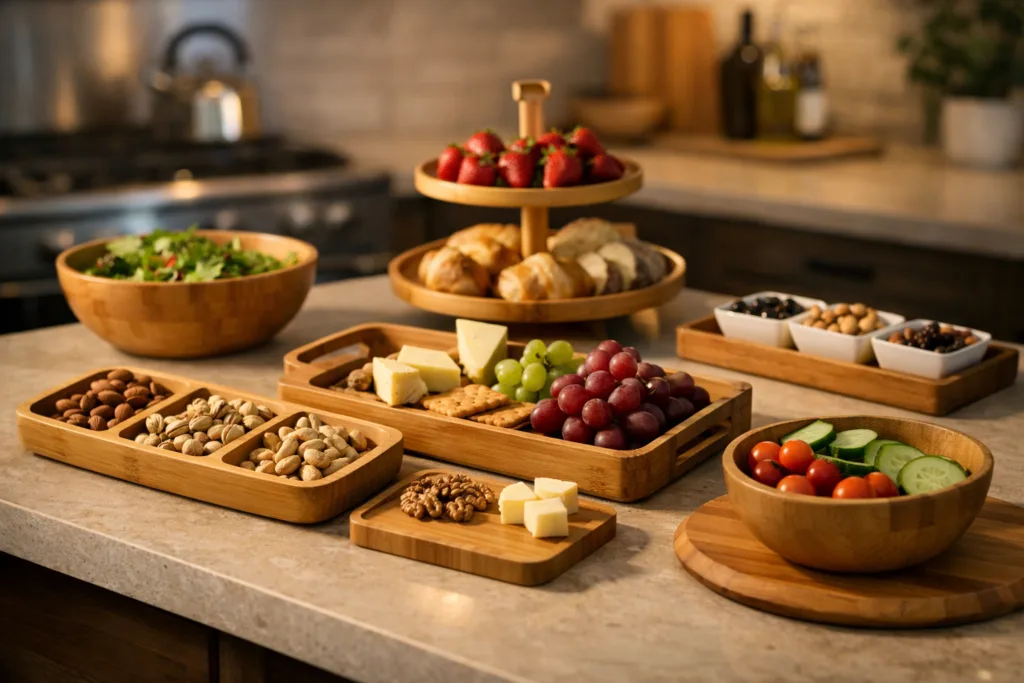
Bamboo and hardwoods are staples in commercial and home kitchens due to their durability and natural antibacterial properties. Common items include cutting boards, serving trays, utensils, steamers, chopsticks, bread baskets, and storage containers. Their porous structure makes them forgiving for knives, while their natural aesthetics appeal to modern and traditional culinary settings.
- Cutting boards, utensils, bowls: FDA-approved uses
- Bamboo: lightweight, strong, and sustainable
- Wood: classic look, robust performance
Benefits and Safety Considerations
Properly sourced bamboo and wood products are less likely to leach synthetic chemicals or react with foods. However, their porous nature means they’re susceptible to water absorption and bacterial growth if improperly cleaned. When maintained correctly, these surfaces enhance hygiene and extend product life. Many kitchen professionals value wood and bamboo for their resistance to deep stains and odors, and their ability to be resurfaced as needed.
Compliance: Manufacturing and Maintenance
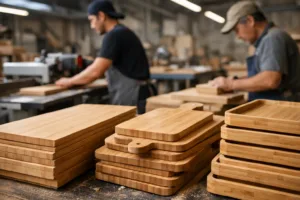
Meeting FDA standards requires strict attention during both manufacturing and daily use. Manufacturers must select wood or bamboo that is seasoned, free from defects, and untreated with harmful substances. Precision sanding and food-safe finishes help create ultra-smooth surfaces, minimizing contamination risk. Bamboo Wood Art, for example, uses kiln-dried bamboo and vertical grain construction to maximize durability and minimize moisture retention.
- Source materials: verify age and treatment
- Processing: sanding, shaping, and food-safe finishing
- Maintenance: regular cleaning, drying, and inspection
Cleaning and Sanitation Requirements
FDA guidelines dictate that wood and bamboo surfaces should be washed with hot, soapy water after use, then thoroughly dried. Periodic sanitizing with a diluted vinegar or bleach solution is recommended. Avoid soaking, which can cause swelling and warping. For commercial settings, surfaces should be routinely checked for wear and replaced when cracks or excessive damage appear.
Challenges and Best Practices
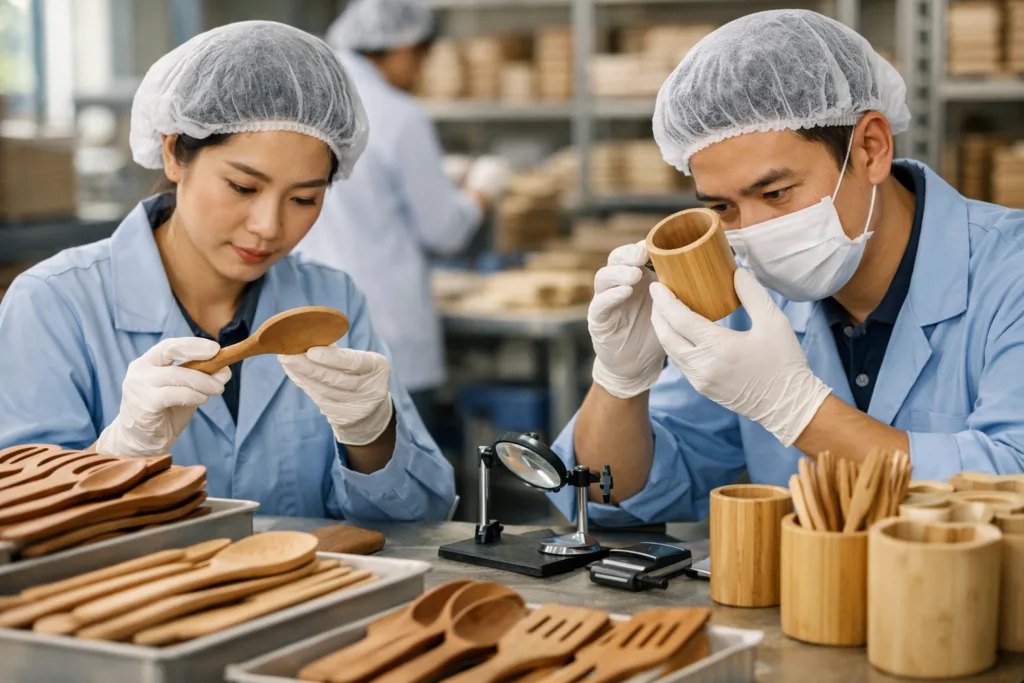
Wood and bamboo products face specific challenges: moisture, repeated knife strikes, and temperature extremes can degrade surfaces over time. The main contamination concerns include bacteria retention, mold growth, and splintering, especially in poorly made or maintained items.
- Contamination: bacteria, mold, food residue
- Deterioration: cracks, splits, and warping
Recommended Solutions for Businesses
Choosing high-quality materials, applying food-safe oils, and encouraging strict cleaning protocols can significantly extend product life and safety. Regularly resurfacing boards, choosing vertical versus horizontal grain layouts for increased water resistance, and educating staff on maintenance are proven strategies. For details on cleaning bamboo trays to prevent water stains, see cleaning your bamboo tea tray.
Case Study: Material Choices and Food Safety
Some businesses opt for vertical grain bamboo due to its resilience under repeated washing. Others use food-safe mineral oils to maintain wooden surfaces and repel moisture. Awareness of FDA regulations is critical for selecting materials that align with both safety and longevity needs.
Practical Observations from Manufacturing Experts
Rain Chen, with decades of hands-on production experience, notes that quick kiln drying and proper grain orientation can prevent most warping issues. Cutting boards crafted from older, denser bamboo tend to hold up better in commercial kitchens. Regular moisture control checks are part of the production process at Bamboo Wood Art.
FDA Standards for Wooden Food Contact Surfaces
FDA standards for wooden and bamboo food contact surfaces continue to evolve, responding to modern food safety challenges and new manufacturing techniques. Understanding the requirements for materials, cleanability, and maintenance is essential for anyone sourcing or using these products. By adhering to these guidelines, manufacturers and users ensure the safety, durability, and functional beauty of their wood and bamboo kitchenware.
- New regulations may impact product design and sourcing
- Constant diligence is needed for safe daily use
Frequently Asked Questions
Is bamboo allowed as a food contact surface under FDA regulations?
Yes, properly processed bamboo is permitted so long as it meets FDA guidelines for hardness, non-toxicity, and cleanability.
Do FDA standards specify which wood types are safe for food contact?
FDA standards generally recommend hard, close-grained woods like maple, walnut, oak, and beech, free from toxic treatments.
Can wooden cutting boards be used in commercial kitchens?
Yes, as long as they are maintained in good condition, free from deep grooves, cracks, or splinters, and regularly sanitized according to food safety regulations.
Are coatings or finishes required for bamboo boards to meet FDA standards?
Only food-safe finishes are allowed. Avoid coatings that may peel or leach chemicals into food. Some boards may remain unfinished if the wood is dense and smooth.
What maintenance steps are needed for wood and bamboo food contact surfaces?
Wash after each use with hot water and soap, dry thoroughly, regularly apply food-safe oil, and inspect for damage or wear.
What are common signs that a wooden or bamboo product is no longer safe for food contact?
Cracks, deep scratches, warping, mold spots, or persistent odors all indicate a product should be replaced to ensure food safety.