Understanding FSC/PEFC Wood Claims
Bamboo and wood products come with labels like FSC or PEFC. These labels show that the materials meet strict environmental and social criteria. Many buyers want to know how to verify claims on products, paperwork, and in supply chains. For kitchenware, furniture, displays, and packaging, clear verification steps matter for both compliance and reputation.
Types of FSC/PEFC Claims and Labels
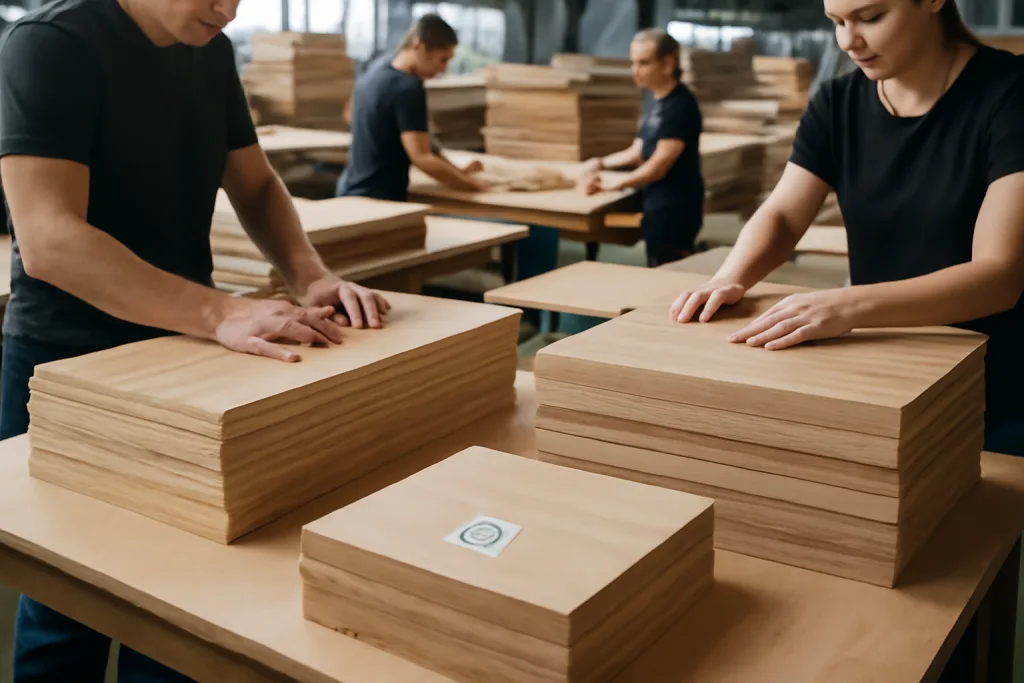
Wood products may carry different claims. Below are the main types you’ll see:
- FSC 100%: All material comes from FSC-certified forests.
- FSC Mix: Combines certified, recycled, and controlled wood. A minimum threshold of certified content applies.
- FSC Recycled: Made only from reclaimed or recycled sources.
- PEFC Certified: All material from PEFC-certified forests.
- PEFC Recycled: Includes verified post-consumer and pre-consumer recycled wood.
On-product labels often feature a logo, claim type, and sometimes a Chain of Custody (CoC) license code. If your supplier, such as Bamboo Wood Art, produces custom home goods, the product may bear such labels—provided it meets certification standards.
Comparing Label Terms
| Claim/Label | Material Source | Verification Steps | Best Use Scenarios |
|---|---|---|---|
| FSC 100% | 100% certified forest | Check CoC code, supplier certificate | Premium furniture, high sustainability need |
| FSC Mix | Certified plus recycled/controlled | Inspect % breakdown, review traceability docs | Kitchenware, commercial displays |
| PEFC Certified | 100% certified forest | PEFC CoC code, certificate | Architectural panels, hotel serviceware |
| PEFC Recycled | Recycled wood | Review recycled material tracking | Corporate gifting, DIY |
FSC/PEFC: How to Verify Wood Claims
Verifying wood claims goes beyond reading a label. Buyers need a clear process—whether sourcing bamboo cutting boards, oak trays, or furniture pieces. Here are key steps to check the authenticity of FSC/PEFC claims:
- Spot the Label: Look for official logos and claim types on product packaging or product itself.
- Find the Chain of Custody (CoC) Code: This is a unique license identifier, usually printed with the label. Example: FSC-C######.
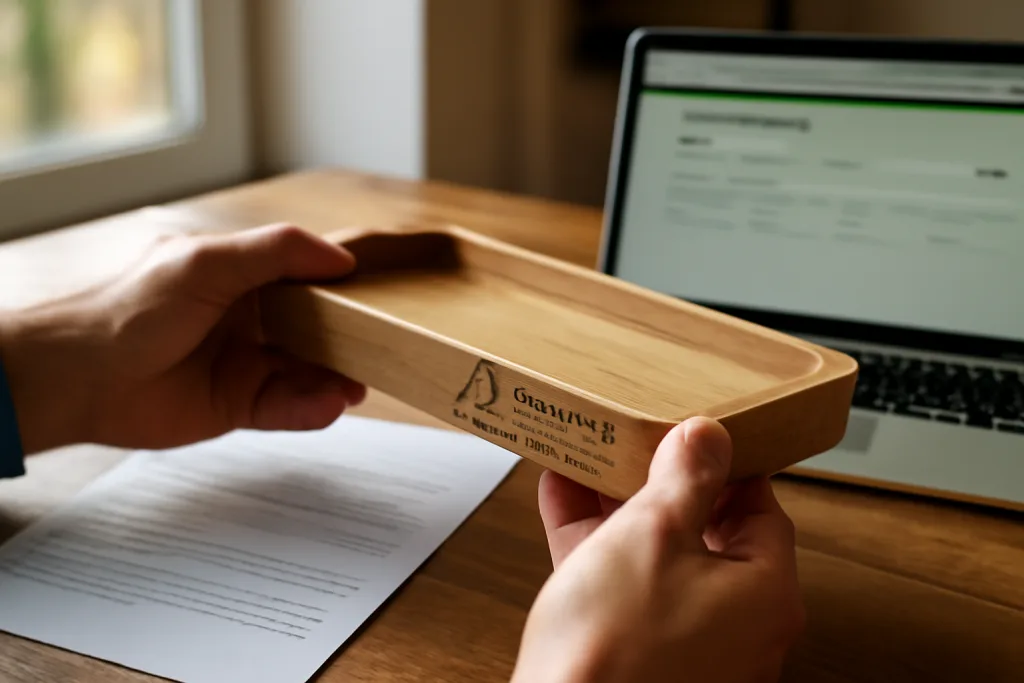
- Confirm Supplier Certificates: Ask for current FSC or PEFC certificates. They should list valid scope and product types. Cross-check with the certifier’s online database.
- Use Online Verification Tools: The FSC Certificate Database and PEFC Certificate Checker let you validate licenses, claims, and active status.
- Check Documentation: For business orders, review invoices, delivery notes, and sales documents for correct claim references.
Authentic product claims must match supplier documentation and official registries. If there’s doubt, request batch traceability or audit summaries. Bamboo Wood Art, for example, can provide certificates and trace records for relevant bamboo and wood product orders.
Chain of Custody Basics
“Chain of Custody” means tracking wood from forest to finished product. Every certified business in the supply chain maintains records. This covers sourcing (e.g., Moso bamboo, solid oak), processing (kiln drying, lamination, CNC machining), and shipping. Chain of Custody ensures only eligible products bear FSC/PEFC marks.
What Chain of Custody Covers
- Supplier audits and traceability logs
- Batch-level documentation
- Material segregation during production (e.g., sorting certified slats vs. non-certified)
- Labelling on product, box, or insert
Chain of Custody is vital in industries with varied material—such as custom décor, furniture components, or hospitality supplies. For bamboo and wood items, companies may use anti-warpage strategies, moisture control (target 8–12%), and specific finishes, but only products tracked throughout qualify for certified claims.
How Buyers Can Verify Claims
For procurement teams and retail buyers, verification helps avoid liability and protects brand trust. Consider these best practices:
Ask for Documentation
Every batch or project should have matching certification papers. These confirm claim types, trace origins, and detail which products are covered.
Cross-Reference Online
Check the supplier’s company name and CoC code in the FSC or PEFC database. Make sure the certificate is current and covers the right product groups (e.g., “wooden kitchenware”).
Review Physical Labels
Inspect products and packaging for official marks. Look for tamper-resistant stickers or laser-engraved logos—often used by trusted makers like Bamboo Wood Art for high-end hospitality goods.
Audit Supply Chain Records
For large contracts, request sample audits, trace logs, or inventory segregation evidence. Most qualified suppliers prepare these documents and retain them for at least five years.
Get Manufacturer Assurances
Request a written confirmation from the manufacturer that each shipment meets certification standards. For custom orders, ask for itemized certification lists.
Why Are Some Species or Products Uncertified?
While FSC and PEFC are widespread, not every wood type or bamboo variety qualifies. Several reasons explain gaps in certification:
- Origin: Some species are native to forests not yet certified.
- Supplier Scale: Small mills may lack resources to obtain certificates.
- Product Type: Recycled, reclaimed, or mixed-material goods sometimes fall outside program rules.
- Regulatory Changes: Standards may shift, leaving certain woods temporarily uncertified.
Common uncertified species include rare hardwoods or regionally sourced timber. For bamboo, most Moso and Tonkin types grown for export meet certification, but some local supplies do not.
Our Stance: Responsible Sourcing
Bamboo Wood Art prioritizes sustainable sourcing and precise chain-of-custody records. Whether supplying kitchen boards, décor panels, or hotel gift items, our team verifies every material batch. We prefer FSC or PEFC certified wood and bamboo wherever possible. For non-certified items, such as certain rare woods, we disclose origin and handling. Our finishing processes use low-VOC resins and food-contact safe coatings, and packaging meets international export standards for robustness and compliance.
Choosing the Right Wood Claims for Your Needs
Selecting the correct certification claim for your project has business impacts. Here’s how to align claims with goals:
- For high-end hotel products, use FSC 100% or PEFC Certified for strongest sustainability credentials.
- Retail displays and gift boxes benefit from FSC Mix—balance sustainability with cost.
- Projects requiring reclaimed or recycled content should ask for FSC Recycled or PEFC Recycled paperwork.
Consider minimum order quantities (MOQs), lead times, finish options, and legal compliance. Suppliers like Bamboo Wood Art provide expert guidance—helping you choose durable, attractive, and responsible products.
Common Compliance and Application Questions
What documentation should accompany certified wood?
Every order should have certificates, invoices, and delivery notes that reference claim type and Chain of Custody code.
How do certified products differ from non-certified?
Certified products have documented traceability and verification, while non-certified may lack transparency or official audit trails.
Are food-contact coatings on wood items certified?
Food-contact coatings meet FDA or LFGB standards but must be combined with certified wood to use full FSC/PEFC claim on kitchenware.
Does a single logo guarantee compliance?
No. Buyers must confirm supply chain records and certificate validity—visual logos can be misused or faked.
What should I request for custom orders?
Ask the supplier for itemized certification lists, matching batch documentation, and written manufacturer assurances.
Can bamboo species be FSC/PEFC certified?
Yes, common export varieties like Moso and Tonkin are often certified, but check supplier records for each batch.
Frequently Asked Questions
How do I check if a supplier’s wood is FSC or PEFC certified?
Confirm the supplier’s Chain of Custody code and search it in the official FSC or PEFC online database for current and valid certification.
What documents prove FSC/PEFC certification for a batch?
Valid certificates, matching invoices, and delivery notes must reference the claim type and CoC code for each batch or shipment.
Can a product be FSC/PEFC labelled if only part is certified?
Yes, as FSC Mix or PEFC Mix—if minimum certified content standards are met. The label must clarify the claim type clearly.
Why do some wood items lack certification even from trusted suppliers?
Some species, small-scale suppliers, and recycled items may not fall under FSC/PEFC rules or face certification hurdles.
Is bamboo typically covered by FSC or PEFC schemes?
Moso and Tonkin bamboo for export is often certified. Always review supplier documentation before making claims.
What’s Bamboo Wood Art’s approach to wood claims?
Bamboo Wood Art focuses on certified sourcing, clear chain-of-custody, and full transparency for both certified and non-certified materials.