Introduction
Bamboo boards have earned their place in kitchens, restaurants, and hospitality suites thanks to natural beauty, eco-friendly appeal, and reliable performance. Proper care ensures your cutting surface stays clean and long-lasting. Mastering bamboo cutting board care means your new board resists stains, odors, and warping for years of service. This guide covers seasoning, oiling cadence, cleaning, trouble-shooting common issues, and printable care tips. Whether you’re a home chef, food service manager, or sourcing director for a brand like Bamboo Wood Art, you’ll find practical solutions backed by expert experience.
Step-by-Step: How to Season a New Bamboo Board
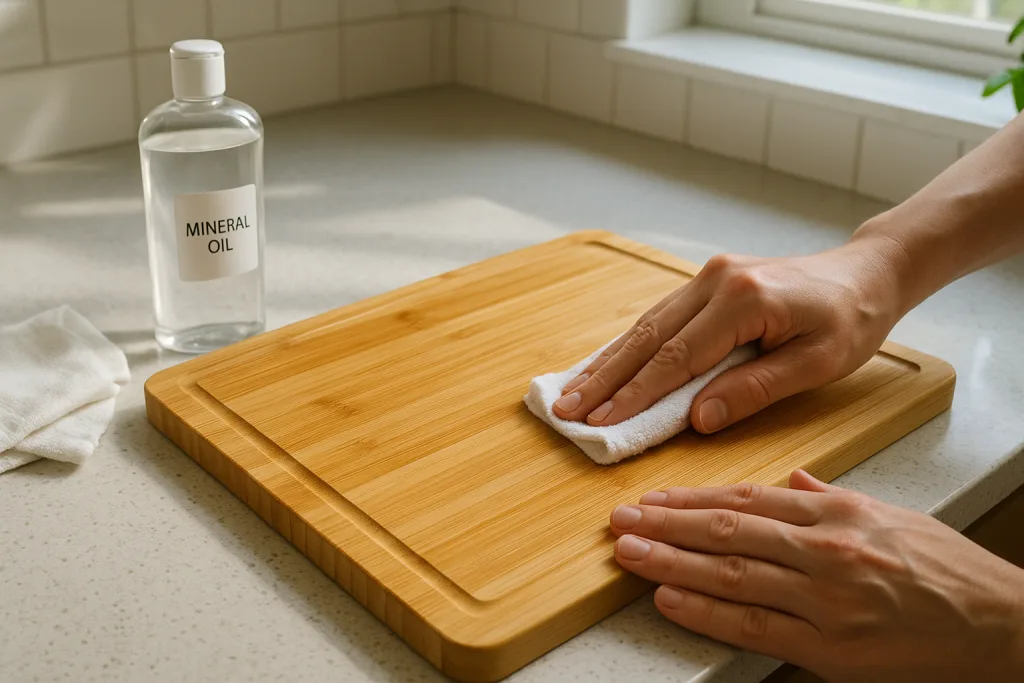
Seasoning a bamboo board creates a protective layer that keeps out moisture and food stains. The process is simple but vital. It starts when you first unbox the board and continues regularly. Below are the steps to season your board for healthy and elegant daily use.
- Wash the board with mild soap and warm water. Rinse thoroughly. Pat dry with a clean towel.
- Let the board air dry for at least 1 hour to prevent trapping moisture.
- Choose a food-safe oil. Options include mineral oil, fractionated coconut oil, or a blend designed for cutting boards. Avoid vegetable-based oils, which can go rancid.
- Pour a small amount of oil onto the board’s surface—about one tablespoon covers a medium board.
- Rub oil into the grain with a clean cotton cloth, following the direction of the bamboo fibers.
- Apply oil to all sides, including edges and handle cutouts.
- Let the board sit overnight so the oil penetrates. Wipe off any excess the next morning.
- Repeat seasoning weekly for the first month, then monthly or as needed based on use.
If you notice dryness or pale streaks, increase your oiling frequency. Regular seasoning prevents cracking and warping, especially in humid or fluctuating kitchens.
The Materials: Understanding Bamboo versus Other Board Choices
Bamboo’s tough, closed-grain structure resists absorption and warping. It compares favorably to hardwood boards like oak or walnut, and to plastic. The table below shows key differences for kitchen and hospitality use, with manufacturing notes from Bamboo Wood Art:
| Material | Properties | Finish Options | Best-Use Scenarios |
|---|---|---|---|
| Moso Bamboo | Light, hard (Janka ~1,380), water resistant, sustainable, low VOC when kiln-dried | Food-safe oil, UV-cured varnish, plant-based oils | Home kitchens, hotel serviceware, corporate gift sets |
| Solid Oak | Heavy, tough, can warp if not dried to 8–12% moisture | Mineral oil, wax-oil blends, water-based varnish | Prestige kitchens, specialty décor, durable hospitality |
| Plastic | Easy to sanitize, does not absorb oil, less eco-friendly | None required | Institutional kitchens, outdoor, heavy-duty prep |
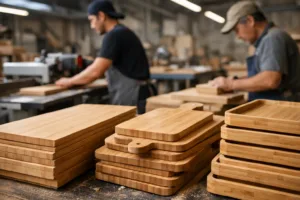
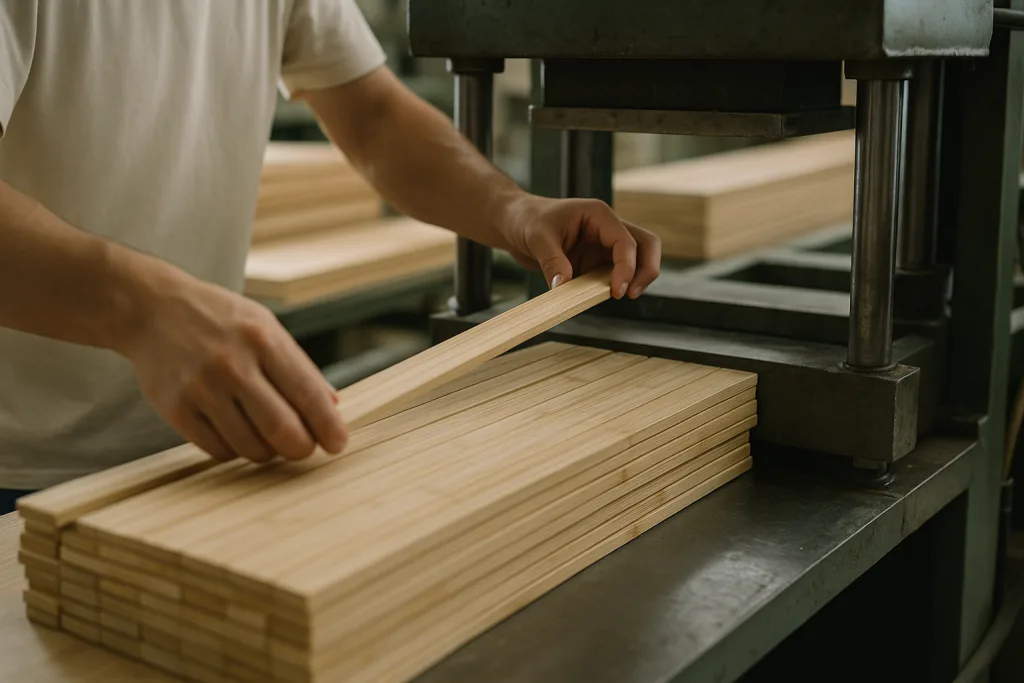
Bamboo Wood Art uses kiln-dried Moso bamboo at 8–12% moisture. Slats are sorted for grain direction, laminated, and pressed with low-VOC adhesives. Laser engraving or CNC machining provides custom branding for hospitality or gifting. Quality control includes check for flatness, adhesion, and food contact safety (FDA, LFGB). Sourcing is FSC or PEFC-certified where possible.
Choosing the Right Oil for Your Bamboo Board
Not all oils are created equal for bamboo cutting board care. The wrong product can leave sticky residue or spoil over time. Consider these options for regular maintenance:
- Food-Grade Mineral Oil: Pure, odorless, non-toxic, widely available. Does not go rancid.
- Fractionated Coconut Oil: Processed for stability; does not spoil like regular coconut oil.
- Beeswax-Oil Blends: Add extra waterproofing, especially for high-traffic commercial boards.
- Plant-Based Oils: Tung or linseed if labeled as food-safe. Always check for certification.
- Water-Based Varnish/UV Finish: Used in factory finishes for retail and hospitality boards. Needs professional application.
How often should you oil a bamboo board?
- Weekly during heavy use
- Monthly under light or home conditions
- Before and after extended storage
Bamboo Wood Art recommends mineral oil for ease, safety, and a lasting matte sheen. Frequency depends on climate, usage, and exposure to water.
Bamboo Cutting Board Care: Daily Maintenance and Cleaning
Bamboo cutting board care demands more than just oiling. Proper cleaning avoids bacteria, stains, and odors common in kitchen service. Follow these daily steps for hygiene and clarity:
- After each use, rinse the board with warm water. Use gentle dish soap only if cutting raw proteins.
- Avoid submerging in water or placing in a dishwasher. Prolonged soaking causes swelling and warping.
- For stubborn bits, use a bamboo-friendly scrub brush or soft sponge. Avoid steel wool or abrasive pads.
- Pat dry, then air dry upright to allow both sides to breathe.
- If knife marks appear, gently sand the area with 240-grit sandpaper, then re-season with oil.
Always hand-wash—machine dishwashing and harsh chemical cleaners break down both the bamboo fibers and the glue used in laminating. Most boards from Bamboo Wood Art use water-based resins, tested for food safety and durability, but hand care is best.
Removing Odors and Stains from Your Bamboo Board
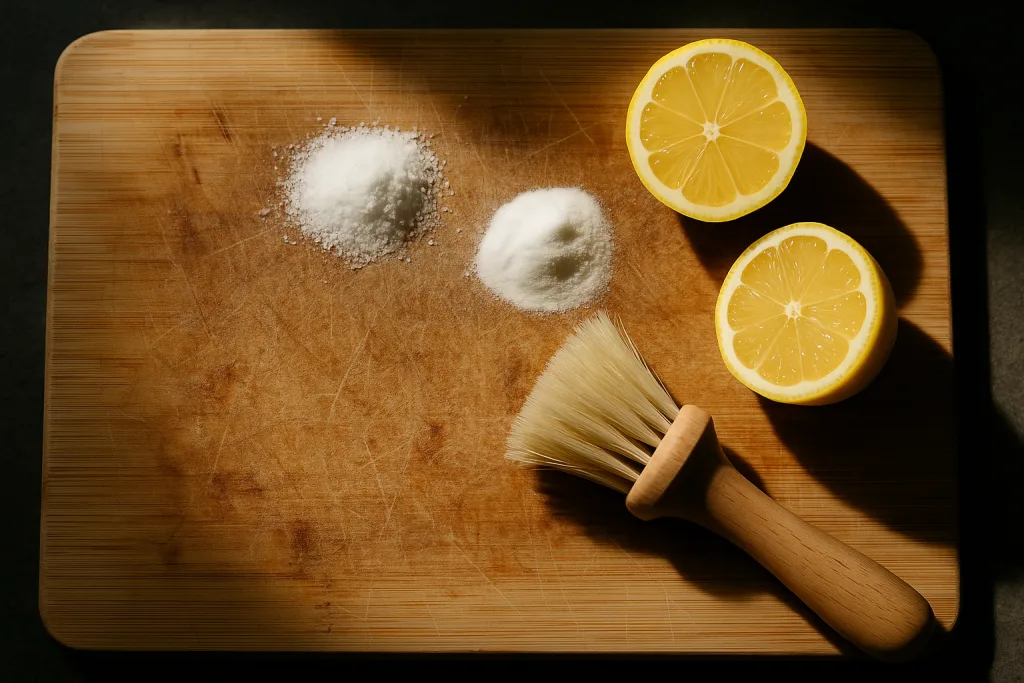
Garlic, onion, and proteins often leave behind odors, while berries and spices can cause stains. Remove odor from bamboo boards using natural techniques:
- Sprinkle coarse salt over the board, then rub with a halved lemon. Rinse and dry.
- For deeper odors, mix baking soda and water into a paste, apply to problem areas, and let sit for 10 minutes. Rinse thoroughly.
- To lift stains, try a diluted hydrogen peroxide solution; test a hidden spot first to avoid discoloration.
- Reapply board oil after cleaning to restore luster.
Persistent odors may require sanding the surface lightly before oiling again. For business users, this is a quick fix before packing boards for gifting or retail.
Bamboo Board Storage: How Moisture and Handling Affect Longevity
Storage can make or break your bamboo board’s service life. Always store boards upright or flat on a rack, away from direct sunlight or heat. High humidity, drastic temperature swings, or cramped conditions promote warping or mold growth. Bamboo Wood Art’s boards feature conditioned glue lines and kiln-dried slats for added resistance, but basic precautions still apply:
- Ensure boards are completely dry before storing.
- Don’t leave boards in a damp sink or covered by wet towels.
- If storing for extended periods, wipe down with oil beforehand.
Expert tip: For commercial kitchens, designate a dry rack specifically for bamboo serviceware. Rotate stock periodically for even wear.
Bamboo Board Troubleshooting: Warping, Cracks, and Mold Prevention
Even well-made boards can develop issues if mishandled. Here’s how to prevent—or fix—the most common bamboo cutting board problems:
Warping
Occurs from uneven drying or water exposure. Leave board flat under a heavy object for 24 hours, then re-oil. Avoid dishwashing and soaking.
Cracks and Splitting
Happen in dry climates or after repeated knife impact. Sand splits with fine (320+) sandpaper, then fill with food-safe wood putty if deep. Follow up with generous oiling.
Mold and Mildew
Can grow on boards stored wet. Clean with white vinegar solution, dry in sunlight, then sand if needed. Check for mold between the laminate layers—quality boards use E1/E0 certified, moisture-resistant adhesives.
Loose Joints or Layer Separation
Finger-jointed or laminated boards may separate with age. Clamp and glue with wood-safe adhesive, then sand any overflow. Commercial replacements may be needed for severe cases.
How to Season & Maintain a New Bamboo Board
Every board, from a handcrafted home piece to a mass-produced hospitality tray, benefits from consistent care. Here’s a one-page printable checklist for kitchens or staff rooms. Tape it inside a cupboard or add it to your care packet:
- Wash new board before first use. Dry completely.
- Season by rubbing food-safe oil into every surface.
- Oil weekly for heavy use; monthly for occasional use.
- Hand wash with mild soap; never soak or use dishwasher.
- Remove stains/odors with salt + lemon or baking soda paste.
- Smooth knife scars with fine sandpaper, then re-oil.
- Store dry, upright or flat, away from heat and humidity.
- Visually inspect for cracks, warping, or mold monthly.
Boards made by Bamboo Wood Art use eco-conscious materials and factory-level precision. Good care maximizes value for both professional establishments and home kitchens. Proper seasoning and cleaning protect your board’s surface, prevent health risks, and help maintain aesthetics for special events or daily use.
Tips for Extending the Life of Your Bamboo Board
Rotate Cutting Surfaces
Use different board areas for heavy chopping to minimize wear. Flip the board regularly if both sides are finished.
Dedicated Board Zones
Assign boards for vegetables, proteins, and bread in busy kitchens. Label or laser-mark specific boards through your OEM partner for health compliance.
Surface Refresh
Occasionally sand lightly (180–320 grit sequence) and oil for a fresh finish. Boards with branded engraving or decorative CNC details can be restored without damaging designs if handled gently.
Safe Transportation
For events, retail, or gifting, use shock-absorbent packaging. Bamboo Wood Art supplies export-grade packaging to keep moisture, dust, and impact away during shipment.
Design, Branding, and Customization for Bamboo Boards
Bamboo cutting boards are favored for sustainability but also for their design flexibility. OEMs like Bamboo Wood Art can customize sizes, shapes, and branding for hotel, bar, and restaurant settings. Techniques include CNC routing, laser engraving, edge profiling, and veneer wrapping. All processes use food-contact approved coatings and meet dimensional tolerances to ensure smooth slicing and attractive tabletop presentation.
Takeaway: Branded bamboo boards make memorable gifts, display pieces, or serviceware—while expert care ensures lasting performance.
Frequently Asked Questions
How often should I oil my bamboo cutting board?
Oil your bamboo board once a week during heavy use and monthly for lighter conditions. If it looks dry or pale, re-oil sooner.
What is the best oil to use for bamboo cutting boards?
Food-grade mineral oil is safest and most effective. Fractionated coconut oil and beeswax blends also work well for protection.
Can I put my bamboo board in the dishwasher?
No, never put bamboo boards in a dishwasher. The heat and water cause swelling, warping, and glue breakdown.
How do I remove odors from my bamboo board?
Rub coarse salt and half a lemon on the board, or use a baking soda paste for tough odors. Rinse and dry well afterward.
What should I do if my bamboo board gets moldy?
Clean thoroughly with a vinegar solution and dry in sunlight. Sand the affected area, and oil after cleaning.
How can I fix knife marks or rough spots?
Sand gently with fine-grit sandpaper, then wipe clean and reapply oil. Most marks will smooth out with regular care.