Sustainable Wood Sourcing: Foundation of Responsible Manufacturing
Sustainable wood sourcing means selecting timber and bamboo with care, tracking them from forest to finished goods. For global manufacturers like Bamboo Wood Art, sourcing decisions shape everything—quality, durability, and environmental impact. Buyers increasingly expect legal wood with documented origins, species transparency, and verified certifications. Responsible sourcing aligns with top priorities: conservation, compliance, and lasting trust.
Species Selection: Navigating Diversity and Availability
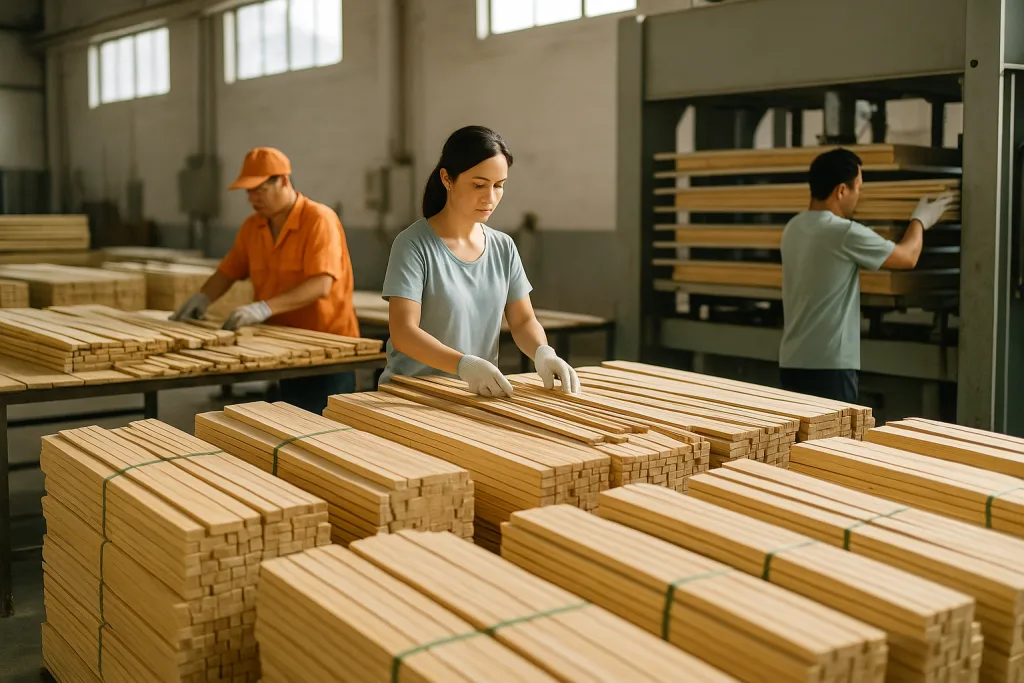
Choosing the right wood species is central to responsible sourcing. Not every region grows the same trees. Availability depends on local climates, soil, and forestry practices. Popular choices include Moso bamboo (Phyllostachys edulis) in China, European beech, North American white oak, tropical teak, and walnut. Each species brings unique strength, color, and workability.
Commonly Sourced Species
- Moso Bamboo: Fast-growing, dense, ideal for boards and décor.
- European Beech: Even texture, good for furniture components.
- North American White Oak: Durable, classic for trays and hotel supplies.
- Walnut: Rich hue, preferred for high-end finishes.
- Teak: Weather-resistant, great for outdoor use.
Species Suitability Table
| Species | Properties | Best Use Scenario | Regional Availability |
|---|---|---|---|
| Moso Bamboo | Hard, rapid growth, low moisture | Cutting boards, paneling, displays | China, SE Asia |
| European Beech | Even grain, tough, pale | Furniture frames, tableware | Europe |
| White Oak | Strong, closed grain, blonde | Retail displays, gift boxes | USA, Canada |
| Teak | Oily, weatherproof, golden brown | Outdoors, hotel terrace goods | Southeast Asia, Africa |
| Walnut | Rich color, smooth, medium density | High-end kitchenware, décor | USA, Europe |
Why Regional Origins Matter
Local conditions shape wood character. For importers, knowing the region helps predict lead times and cost. European woods often meet strict forestry standards. Asian bamboo dominates for speed and flexibility. Tropical hardwoods carry extra scrutiny for legality and ecological risk.
Legal Wood: Ensuring Compliance and Ethical Practices
Legal wood comes from forests managed by rules—not illegal logging or dubious sources. Authorities such as PEFC (Programme for the Endorsement of Forest Certification) and FSC (Forest Stewardship Council) set global standards. Manufacturers must verify paperwork: permits, harvest licenses, and transport records. For kitchenware and décor bound for EU or US, customs often require wood compliance proof.
Due Diligence Steps
- Supplier vetting (licenses, certifications)
- On-site audits and inspections
- Paper trail tracking (harvest, transport, processing)
- Independent sustainability verification
Country-Specific Legal Frameworks
- EU Timber Regulation (EUTR): Demands traceability from stump to shipment.
- Lacey Act (USA): Bans illegal timber imports, requires species reporting.
- CITES (Convention on International Trade in Endangered Species): Controls trade of vulnerable wood taxa.
Transparency in Documentation
Strong documentation underpins legal sourcing. Bamboo Wood Art maintains supply chain transparency by linking each shipment to tracked batches and digital certificates. Details include species IDs, regional harvest notes, and process controls. This forms the backbone of modern, responsible wood procurement.
Due Diligence: Minimizing Risk and Building Trust
Due diligence means thorough checks at every stage. It starts with forest origin and continues through transport, milling, and product finishing. Manufacturers use third-party audits, digital logs, and batch tracking systems. These checks protect buyers against risk while supporting local communities and forest health.
Due Diligence in Practice
- Assigning unique codes to wood lots
- Regular field visits to monitor forest management
- Periodic supplier reviews using sustainability benchmarks
- Integrating compliance systems for customs and logistics
Supporting Local Stewardship
Responsible sourcing helps regions maintain healthy forests. Bamboo Wood Art partners with certified suppliers who invest in regeneration and fair labor. Sourcing teams prioritize species that renew quickly and support mixed-use landscapes.
Reclaimed and Recycled Wood: Circular Options for Responsible Sourcing
Reclaimed wood comes from old buildings, factory offcuts, or recycled furniture. This circular approach saves energy and reduces pressure on forests. Quality can rival new wood, provided boards are properly sorted, cleaned, and reconditioned. Kiln drying stabilizes reclaimed timber, bringing moisture content to 8–12% for machining and finishing.
Reclaimed Wood: Sourcing Strategy
- Source from demolition sites, vintage inventories, and warehouse auctions
- Test for nails, paint, or contaminants before processing
- Use CNC machines and sanders to restore clean surfaces
- Finish with water-based varnish for protection and sustainability
Benefits of Reclaimed Routes
Reclaimed sourcing boosts eco-credentials, enhances storytelling, and often commands premium value in B2B décor and gifting. It fits the sustainability values of brands like Bamboo Wood Art and responds to growing demand for circular products in retail and hospitality.
Responsible Sourcing: Species & Regions
Sustainable wood sourcing depends on knowing the species and regions behind each product. Bamboo Wood Art uses established supply networks and advanced tracking systems to match buyers with their preferred wood types. Legal compliance is checked at source. Each shipment tells a clear story—from Moso bamboo slats pressed in China’s workshops to FSC-certified oak milled in North America.

Buyers receive full transparency on species, region, and process. Moisture conditioning, lamination, and food-safe coatings ensure finished goods meet export standards. For premium hospitality and OEM/ODM orders, selection includes fast-renewing bamboo, certified hardwoods, and reclaimed alternatives. Every material passes quality, durability, and sustainability checks.
Expert Takeaway: “Species choice and regional sourcing shape both sustainability and product performance. Responsible manufacturing means detailed origin traceability and rigorous certification checks.”
Manufacturing Details: Turning Sustainable Sourcing into Durable Products
High-quality products start with stable materials. Bamboo arrives kiln-dried, moisture set to 8–12%, minimizing warping. Wood is sorted by grain and color. Machining uses CNC routers for tight tolerances and smooth edges. Lamination joins panels with low-VOC or E0-E1 adhesives. Joinery methods—like mortise-and-tenon or finger joints—boost strength in trays, cutting boards, and display pieces.
Finishes and Treatments
- UV and water-based varnish for décor panels and gift boxes
- Plant oils (tung or linseed) for kitchen products
- FDA-compliant food-contact coatings for serviceware
- Carbonized or natural bamboo options for texture and color variety
Quality Controls
- Adhesion checks ensure lamination stability
- Thickness and flatness verified on each batch
- Precision edge profiling, finished at 320 grit
- Robust packaging for safe international shipment
Transparency Statement: Ongoing Commitments
At Bamboo Wood Art, responsible sourcing means ongoing transparency. The company commits to open records, independent audits, and continuous improvement in supply chain traceability. Buyers receive complete documentation on species, region, legality, and certifications for every order. Feedback channels remain open for queries or verification requests. This focus on visibility supports business confidence and forest preservation.
Next Steps for Buyers
- Request batch documents and certification for every order
- Set species preferences and target regions for OEM/ODM projects
- Evaluate reclaimed options for enhanced sustainability
- Discuss transparency goals with sourcing managers
Application Scenarios: How Material Choices Shape Results
Responsible sourcing gives buyers a competitive edge. Durable Moso bamboo suits busy kitchens and hotel buffets. FSC oak and beech add elegance to retail displays or gift sets. Reclaimed woods deliver standout aesthetics for corporate gifting and hospitality interiors. Process details—like anti-warpage lamination or food-grade finishing—set products apart in demanding markets.
Typical Applications
- Cutting boards and serving trays in food service environments
- Acoustic wall slats and décor paneling
- Furniture components for hotels and restaurants
- Branded gift boxes and sustainable packaging
- Retail displays showcasing certified or reclaimed woods
Why Responsible Sourcing Matters for B2B Buyers
Businesses gain from reliable supply, product consistency, and positive brand stories. Buyers reduce environmental risks while ensuring compliance—with short lead times and certified quality. Bamboo Wood Art’s expertise supports direct import, OEM projects, and retail innovations.
Frequently Asked Questions
What is sustainable wood sourcing, and why is it important?
Sustainable wood sourcing involves choosing timber harvested in ways that protect forests and biodiversity, ensuring material is legally obtained and supports long-term ecological health.
How do I verify the legality of wood products?
Check for recognized certifications such as FSC or PEFC, request harvest and transport documentation, and review supplier compliance with national regulations.
What species are best for eco-friendly kitchenware?
Moso bamboo and FSC-certified white oak offer great durability and sustainability, while reclaimed wood also provides an excellent eco-friendly choice.
Can reclaimed wood match the quality of new timber?
Properly sourced, cleaned, and kiln-dried reclaimed wood can rival or exceed new timber in stability, appearance, and performance when processed by experienced manufacturers.
Why does regional origin affect wood choice?
Regional origin determines species availability, growth conditions, legal frameworks, certification potential, and overall material quality for targeted applications.
What transparency can I expect from Bamboo Wood Art?
Bamboo Wood Art provides full documentation of species, origin, legality, and certifications for every shipment, audited regularly to ensure accurate and responsible sourcing.