Salad Bowls & Platters: Food Safety & Stain Control
Salad bowls and serving platters set the stage for memorable meals. While aesthetics matter, nothing is more vital than food safety and controlling those troublesome stains—especially with bamboo and wood. Acidic foods, oily dressings, and colorful berries can threaten the beauty and hygiene of your tableware. Businesses and hosts need the right strategies to keep bowls and platters pristine, safe, and long-lasting.
The Unique Nature of Bamboo Salad Bowls & Platters
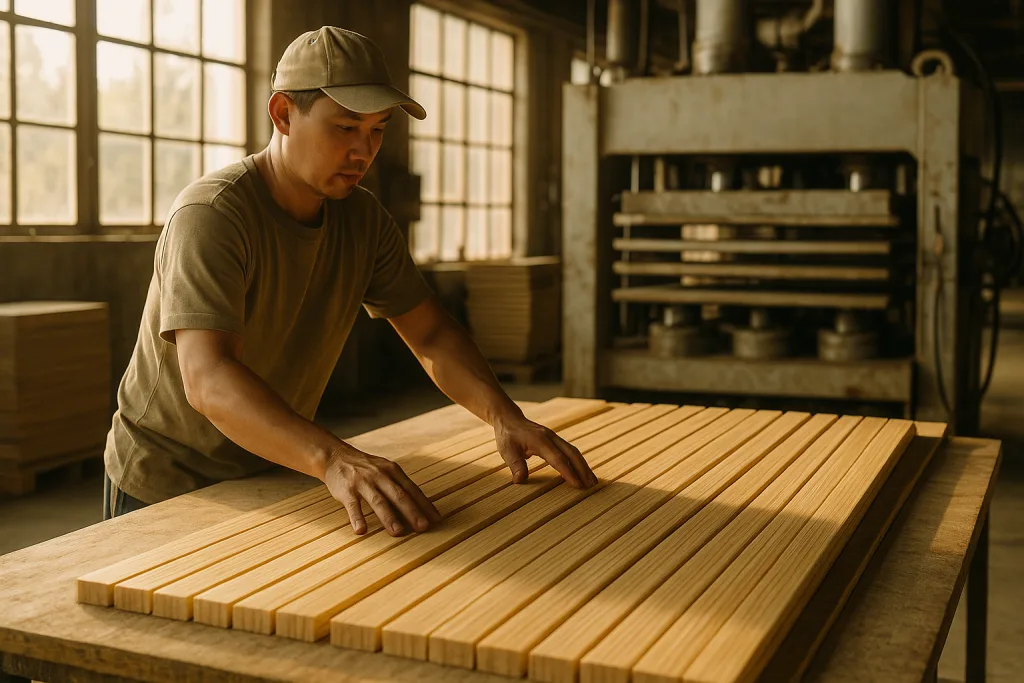
Bamboo salad bowls and platters offer a natural texture, light weight, and sustainable appeal. Moso bamboo—favored in quality kitchenware—has a dense structure, while other woods like oak and ash bring their own grains and colors. Manufacturers like Bamboo Wood Art often use kiln-dried, FSC-certified bamboo or solid woods, with typical moisture content between 8% and 12% for strength and warpage control. After slat sorting, lamination, and CNC shaping, bowls receive edge rounding and sanding (usually progressing from 180 to 320 grit) for smooth, safe surfaces.
These production steps set the stage for stain and food safety performance. But what happens after the bowls head to your kitchen or restaurant floor?
Bamboo vs. Solid Wood: A Comparison
| Material | Porosity | Best Uses | Stain Resistance | Lifestyle Fit |
|---|---|---|---|---|
| Bamboo (natural/carbonized) | Low to Medium | Salad bowls, platters, hotel buffetware | Good (with finish) | Eco-conscious, modern |
| Oak | Medium | Platters, trays, statement bowls | Fair–Good (oiled/varnished) | Hearty, rustic |
| Beech | Medium–High | Home kitchenware | Moderate (oiled) | Classic, homey |
| Walnut | Medium–Low | Premium serving, luxury set-ups | Good (varnished/oiled) | Classic luxury |
| Bamboo Veneer/Ply | Low | Decorative trays, light-duty platters | Excellent (finished) | Sleek, lightweight |
Acidic Foods and Staining: Real-World Risks
Acidic foods—like vinaigrettes, tomatoes, citrus, and berries—can create persistent stains and even surface damage to salad bowls and platters. Since bamboo’s structure is naturally less porous than many hardwoods, properly finished bamboo resists stains better. But when acids linger, even the toughest finish may fail.
- Red flag: Tomatoes, beets, and some leafy greens may leave colored residues.
- Long-term impact: Acid can soften certain finishes, leading to dull spots or raised grain.
- Oily dressings: May seep into microscopic cracks unless the surface is sealed well.
Quality OEM manufacturers mitigate these risks by recommending food-safe, water-based varnishes or durable plant oils (like tung or linseed) for their saladware. These coatings form a barrier, protect the bamboo fibers, and prevent food and moisture from staining or causing odors.
The Science Behind Stains
Staining is not just a color problem. Acids and pigments can weaken finishes and encourage bacteria if left unchecked. Regular contact with acid lowers the pH at the bowl’s surface, opening microscopic gaps in the coating. Once the protective layer is breached, stains set deeper, and repeated use worsens the problem.
Choosing the Right Finish for Bamboo Salad Bowls & Platters
The finish is your first defense against food stains and safety hazards. Bamboo Wood Art and other reputable makers favor water-based varnishes for their clarity, food safety, and quick curing. These finishes are low-VOC and meet E0 or E1 indoor emission standards, crucial for commercial buyers demanding FDA or LFGB compliance (FDA food-contact standards).
- Water-based varnish: Crystal clear, fast drying, non-yellowing, and easy to re-apply. Ideal for daily-use salad bowls destined for restaurants or catering.
- Tung or linseed oil: Natural penetration, enhances grain, easy to refresh. Best suited for homeware or premium hotel display pieces.
- UV-cured: Used in high-throughput manufacturing lines for hard, durable protection, especially on bamboo veneer trays.
- Food-grade wax: Common for a final polish, but insufficient as sole protection against acid or heat.
When placing OEM orders, communicate your customer’s needs: heavy restaurant use, home entertaining, or retail gifting. Each use sets different finish priorities, from maximum resistance to easy repairability.
How Finish Affects Stain Control, Longevity, and Food Safety
A quality finish does more than resist stains. It smooths surfaces, reduces food build-up, and inhibits bacterial growth. Even with the best finishes, however, prompt cleaning remains essential (see next sections).
Proper Cleaning Routines for Bamboo and Wood Saladware
The right cleaning cadence protects your bamboo salad bowls and platters from acid stains and surface damage. Follow these simple steps to keep your pieces looking—and serving—at their best:
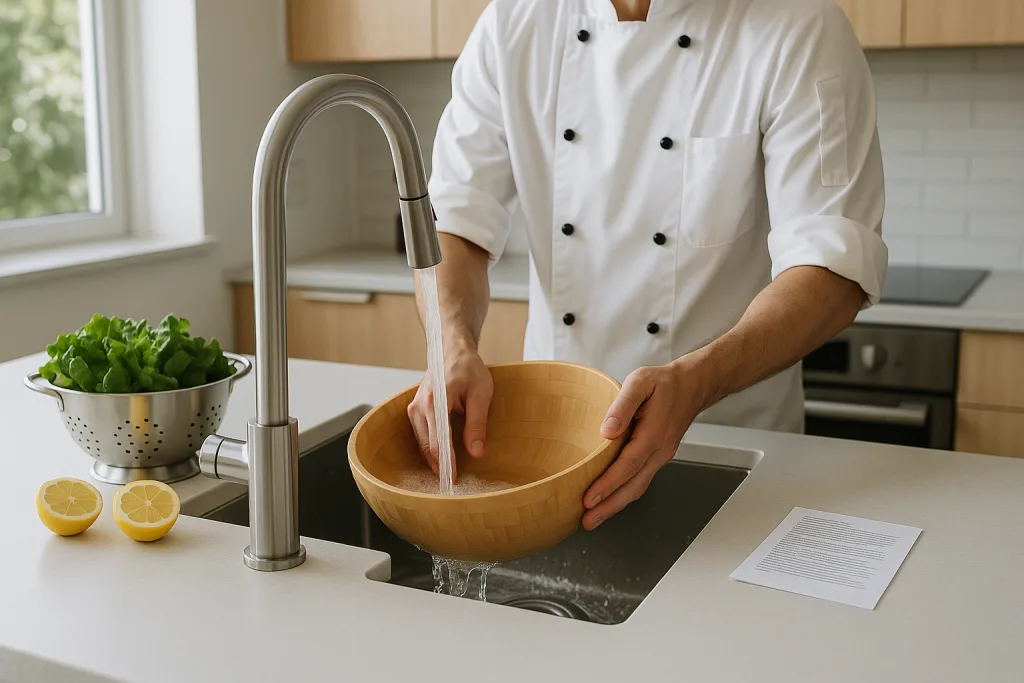
- Immediate rinse: After serving, remove all food debris and give the bowl a quick rinse with warm water. Don’t let acidic foods linger.
- Hand-wash: Use a soft sponge and mild soap. Avoid harsh scourers, as they scratch finishes and allow stains to creep in.
- Dry quickly: Pat dry with a clean cloth and air out. Don’t stack dampware, which can trap moisture and promote mildew.
- Never soak: Prolonged exposure to water leads to swelling, warping, or finish failure—especially with unfinished edges.
- Regular oiling (if oiled finish): Refresh with food-safe oil every month to maintain water resistance and renew luster.
- Inspect regularly: Look for dull spots or raised grain—these signal the need for re-finishing or oiling.
Expert tip: For busy restaurants or catering, use dedicated care inserts or digital downloads for your staff to ensure SOPs are followed. Bamboo Wood Art provides tailored care inserts on request.
Downloadable Care Insert: Key Points
Including a care insert with every bowl or platter builds customer confidence and brand trust. Here’s what an effective care insert should cover:
- Do: Rinse soon after use. Dry completely before storing. Re-oil monthly if applicable.
- Don’t: Soak, microwave, or run through dishwashers. Don’t use bleach-based cleaners.
- Inspect: Check for finish wear and reapply oil/varnish as recommended.
- Download digital care guide: Always have your care download accessible for staff or buyers. (Suppliers like Bamboo Wood Art offer printable guides for OEM customers.)
Supply chain buyers—especially in hospitality and retail—should request both printed and digital care instructions for smooth onboarding.
Stain Removal and Maintenance for Lasting Beauty
Even the best-kept saladware encounters stubborn stains or dulling over time. Here’s how to recover:
- Act fast: Spot stains? Make a paste of baking soda and water, gently rub, then rinse and dry.
- Buff lightly: For persistent marks, use a fine abrasive pad or 400-grit sandpaper—always sand with the grain. Re-oil or seal afterward.
- Prevent recurring stains: Address finish wear before it becomes deep damage. Schedule quarterly inspections for commercial pieces.
Sanitization Without Damage
Disinfecting bamboo or wood saladware demands care. Avoid bleach. Instead, wipe clean with a 1:10 vinegar-water solution, rinse, and dry. Vinegar is acidic but mild enough, especially on sealed surfaces.
Common Food Safety Concerns for Bamboo Saladware
Most food safety incidents stem from neglect—prolonged dampness, finish breakdown, or cross-contamination. Pro manufacturers meet compliance certifications (like PEFC or FDA) and control every process: from FSC sourcing, to kiln drying (to kill pests and remove sugars), to surface sealing.
- Flatness/warp control: Precise kiln-drying and cross-lamination prevent moisture shifts.
- Finish adhesion: Tight tolerances and edge rounding help coatings grip surfaces, blocking bacteria and stains.
- Food-contact approval: Only food-grade glues (E0/E1 resins) and coating systems are used, protecting both end-users and workers.
- Packaging for hygiene: Export packing uses film, sealed bags, and buffer paper to ensure clean arrival.
Always verify your supplier’s lab and compliance credentials, especially for hospitality or branded retail projects.
Bamboo Salad Bowl & Bamboo Platter Care: What Every Buyer Should Know
From sourcing to warehouse, each step affects care. Bulk buyers should specify preferred finishes, expected use cycles, and target cleaning routines. For long shelf life and maximum return on investment, select finish systems proven in similar environments.
- For high-traffic hotels or restaurants: Demand UV or thick water-based coated bamboo, with care inserts in every unit.
- For specialty retail or gifting: Hand-rubbed oil or carbonized bamboo appeals to premium buyers; include QR-linked care downloads.
- For sustainable credentials: Source only FSC/PEFC bamboo, lab-tested for food safety, finished with water-based materials.
Clear supplier communication nets better outcomes—from consistent color matching to packaging designed for damp climates or long shipments. Bamboo Wood Art specializes in custom OEM/ODM service, blending craftsmanship, sustainability, and reliable supply chain practices.
Design and Branding Impacts
Bamboo and wood bowls are ideal canvases for branded engravings or logos. Commercial users can request custom CNC carving, laser engraving, or even color prints—just specify food-safe finishes and test for stain resistance pre-launch.
Environmental Commitment and Responsible Supply
Bamboo saladware is as much about ethics as utility. Bamboo matures rapidly, regenerates after harvest, and supports soil health. When paired with non-toxic adhesives and minimal-waste manufacturing, eco-friendly saladware wins on every front: safe for diners, gentle on the earth, and a strong brand statement. As demand for green hospitality and kitchenware grows, partners like Bamboo Wood Art meet sustainability metrics without sacrificing safety or stability.
Salad Bowls & Platters: Food Safety & Stain Control
Choosing the right salad bowl or platter is only half the journey. With proper finish selection, attentive cleaning, and strategic stain removal, natural bamboo and wood buffetware perform safely and beautifully for years. Businesses that invest in quality sourcing, informed by manufacturing detail and robust care routines, inspire customer confidence and set the table for lasting value.
Frequently Asked Questions
Are bamboo salad bowls safe for food use?
Yes, bamboo salad bowls are safe if made with food-grade adhesives and finished with FDA-approved coatings. Always check supplier certifications for food contact.
How do I remove stains from a bamboo salad bowl?
Make a paste of baking soda and water, gently rub the stain, rinse, and dry. Sand lightly if the mark persists, then re-oil or re-seal.
Can bamboo or wooden platters go in the dishwasher?
No. Dishwasher heat and water can warp or crack bamboo and strip finishes. Always hand-wash and dry immediately to preserve your platter.
What finish is best for bamboo salad bowls?
Water-based varnish offers excellent clarity, stain resistance, and food safety. For premium home use, tung or linseed oil gives a rich look and easy maintenance.
Do acidic foods damage the finish on bamboo saladware?
Acidic foods can gradually weaken the finish if not cleaned promptly. Quick rinsing and regular re-oiling or sealing help prevent long-term damage.
Where can I get a care guide for bamboo platters?
Most OEM suppliers offer printed or downloadable care inserts with cleaning, oiling, and safe-use instructions. Asked during your order, or check for QR codes in the packaging.