Why Cutting Board Choice Matters for Your Knives
Knives are the centerpiece of any kitchen. Whether you cook daily or just sometimes, blade sharpness makes a difference. The surface you chop on affects knife edges more than you might expect. Many cooks ask, “Which cutting boards keep knives sharp longest?” Today, we answer that with a clear, repeatable test comparing bamboo, maple, and plastic boards.
The Role of Edge Retention
Edge retention is how long a knife stays sharp before needing resharpening. Hard surfaces dull blades quickly, while softer ones let edges survive. A board’s material, finish, and construction all matter. Choosing the right board saves you time, money, and the hassle of constant sharpening.
Introducing Our Edge Retention Test
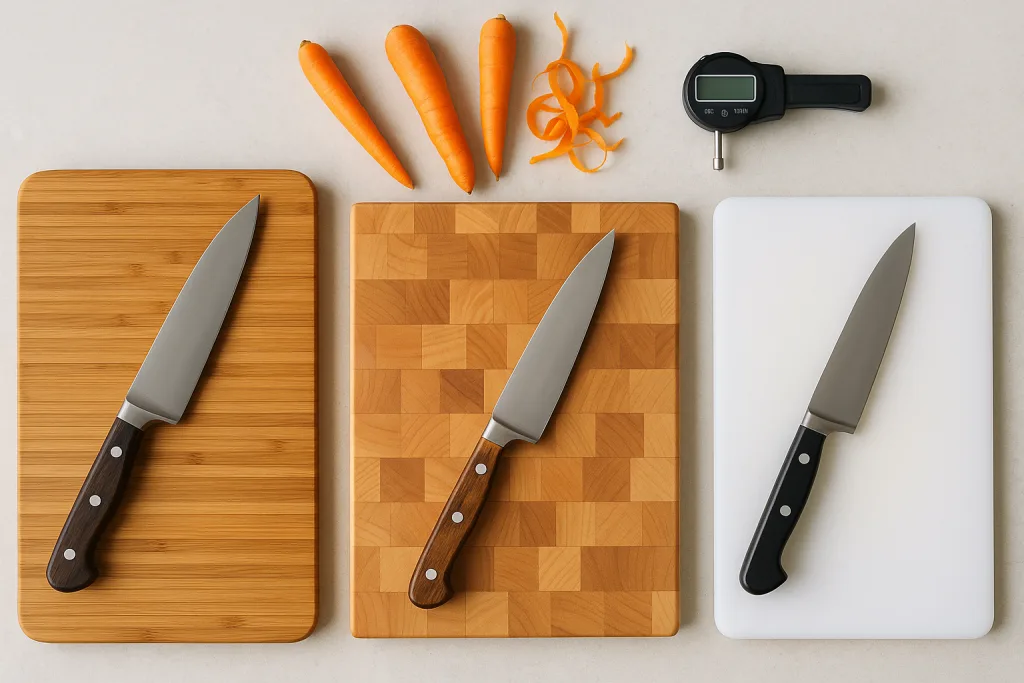
This report uses a side-by-side test of three popular board materials: bamboo, maple wood, and high-density plastic. We paired each board with common knife types and tracked how blades fared after hundreds of cutting cycles. The testing protocol is designed to be reproducible so that kitchenware professionals and home cooks can trust the results.
Designing a Reproducible Edge Retention Test
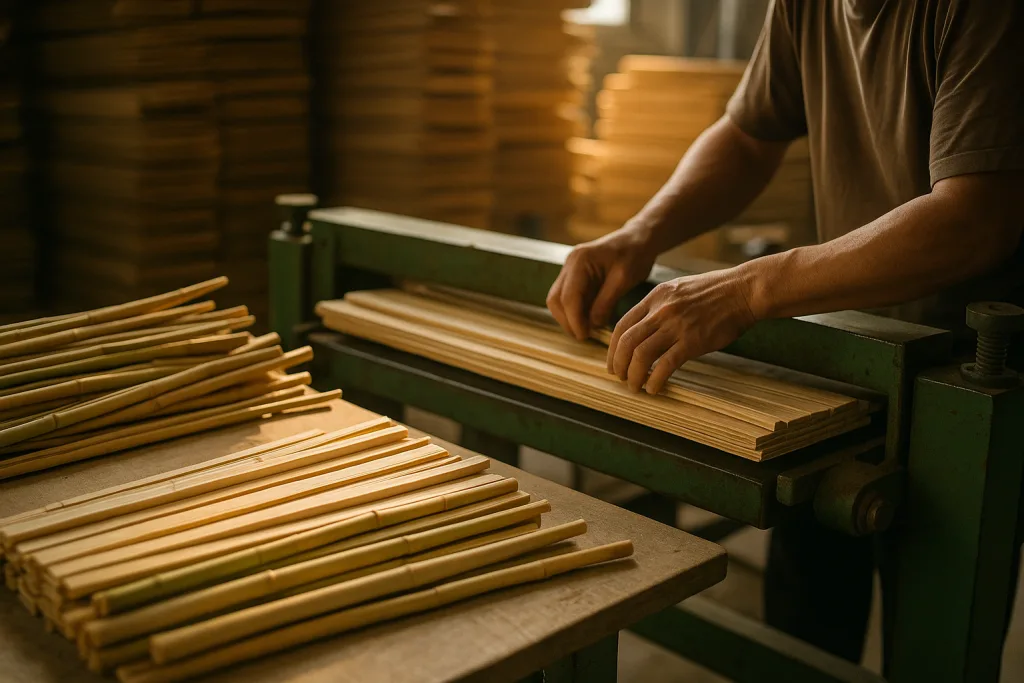
To ensure a fair comparison, we created a standardized test. We used the same knife models, ingredients, and technique for each board. Boards came from reputable manufacturers, including Bamboo Wood Art, known for their sustainable bamboo production. Our protocol aligns with what kitchenware buyers and restaurant chefs face in the real world.
Board Sample Selection
- Bamboo: Moso bamboo, 15mm thick, carbonized finish, made by Bamboo Wood Art
- Maple: Hard maple, end grain, 40mm thick, food-grade oil finish
- Plastic: HDPE (high-density polyethylene), 12mm thick, textured, NSF-rated
Knife Types Used
- German chef’s knife (X50CrMoV15 stainless steel, 20cm blade)
- Japanese gyuto (AUS-8 steel, 21cm blade)
- Budget stamped stainless (13.5cm blade)
Test Steps
- All knives professionally sharpened to 20° per side (confirmed by edge inspection)
- Each knife makes 100 slices through uniform carrots on each board
- Edge sharpness assessed by BESS (Blade Edge Sharpness Scale) testing after cycles
- Blades then resharpened for next round
- Repeat three rounds per board, per knife type
Which Boards Are Kindest to Knives? Edge Retention Test
This section presents the key findings. The table below breaks down sharpness loss for each knife and board after testing. Data was averaged over three rounds.
| Board Material | Chef’s Knife (BESS) | Gyuto (BESS) | Budget Knife (BESS) | Edge Wear (Qualitative) | Best-Use Scenario |
|---|---|---|---|---|---|
| Bamboo (Moso) | +35 | +42 | +51 | Mild blunting, minor rolling | Home/restaurant, strong sustainability focus |
| Maple (End Grain) | +22 | +27 | +31 | Minimal blunting, best edge retention | Professional, heavy prep, premium kitchens |
| Plastic (HDPE) | +41 | +43 | +53 | Noticeable blunting, micro-chipping on thin edges | High-volume, sanitary, budget settings |
BESS scores indicate sharpness loss (higher = duller). Maple end grain boards proved softest on blades, with bamboo close behind. HDPE plastic showed the most edge wear, especially for thin Japanese blades.
Interpretation Limits
Test conditions can’t capture every usage scenario. Individual technique and knife steel matter. For example, carbonized bamboo is softer and gentler than vertical grain or composite bamboo ply. Maple’s end grain is notably superior to face grain, which is harder on knives. Plastic boards vary by density and surface, and aggressive knife handling worsens wear on all surfaces.
Material Science in Edge Retention
Bamboo Boards
Bamboo is a grass, not a wood, and features a tough, fibrous grain. Bamboo Wood Art sources Moso bamboo, kiln-dried to 8–12% moisture content, then hot-pressed for stability. Carbonized finishes soften the board, while natural finish maintains higher hardness. Cross-lamination resists warping, and water-based coatings add food safety.
Maple Boards
Maple wood (Acer saccharum) is prized for its tightly packed fibers. End grain boards are made by assembling blocks so the grain stands vertically; this lets knife edges sink between fibers without dulling. Traditional joinery (finger-jointing, mortise-and-tenon) produces lasting durability. Food-safe oil finishes guard against moisture but don’t harden the surface.
Plastic Boards
HDPE plastic boards are molded under heat and pressure for flatness and minimal warpage. NSF rating (see NSF standards) ensures food-contact safety. Textured finish reduces slipping but is harder on knife edges over time. Repairing gouges or deep cuts is difficult.
Practical Buyer Guidance: Choosing the Best Board for Knives
Your board choice should depend on kitchen needs, knife type, and maintenance routine. Here’s how to decide:
- If you prize edge retention: Choose end grain maple. Soft fibers protect blade edges for longer.
- If sustainability and ease matter: Moso bamboo boards from reputable makers like Bamboo Wood Art combine eco-friendliness and good edge preservation. Look for carbonized, cross-laminated designs and water-based finishes.
- If hygiene and price rule: Opt for NSF-rated HDPE plastic. These boards are easy to sanitize in commercial kitchens. Replace as soon as deep grooves develop, since cleaning becomes difficult.
Board Maintenance Tips
- Clean boards right after use with mild soap. Rinse and dry thoroughly.
- Oil wood boards monthly with food-safe plant oils (like tung or linseed).
- Don’t soak bamboo or wood boards. This prevents warping and cracking.
- Store all boards flat in a cool, dry place. Avoid stacking heavy items on top.
- Sand out knife marks from wood/bamboo boards with fine-grit sandpaper (180→320 grit).
- Replace plastic boards as soon as deep cuts appear.
Edge Retention Results: What Kitchen Pros Learned
Our comparative study highlights a few realities. Maple end grain boards are kindest to knives—especially prized blades. Bamboo, when processed well, is a close second and better for eco-conscious kitchens. Plastic boards offer practical hygiene but trade edge retention for durability and cost.
Expert takeaway: “Start with a quality board and keep knives sharp with proper care. Maple and bamboo both offer longevity when maintained right.”
Manufacturing Insights: Why Board Build Quality Impacts Edge Retention
Board Construction Details
In bamboo and wood boards, slat sorting and lamination help control hardness and reduce defects. Premium manufacturers use kiln-drying, dimensional checks, and robust joinery (finger-joint, mortise-and-tenon) to guarantee flatness. Tolerance checks keep thickness within ±0.5mm, while anti-warpage techniques preserve board shape over time. Food-contact coatings (FDA/LFGB compliant) add a safe, washable surface.
Finish and Coating Impact
Water-based varnishes and plant oils create a low-VOC finish. Maple and bamboo are both available in E0-E1 grade adhesives for safe indoor use. These details matter for both home and commercial buyers.
Applications & Use Cases: Beyond Kitchen Chopping
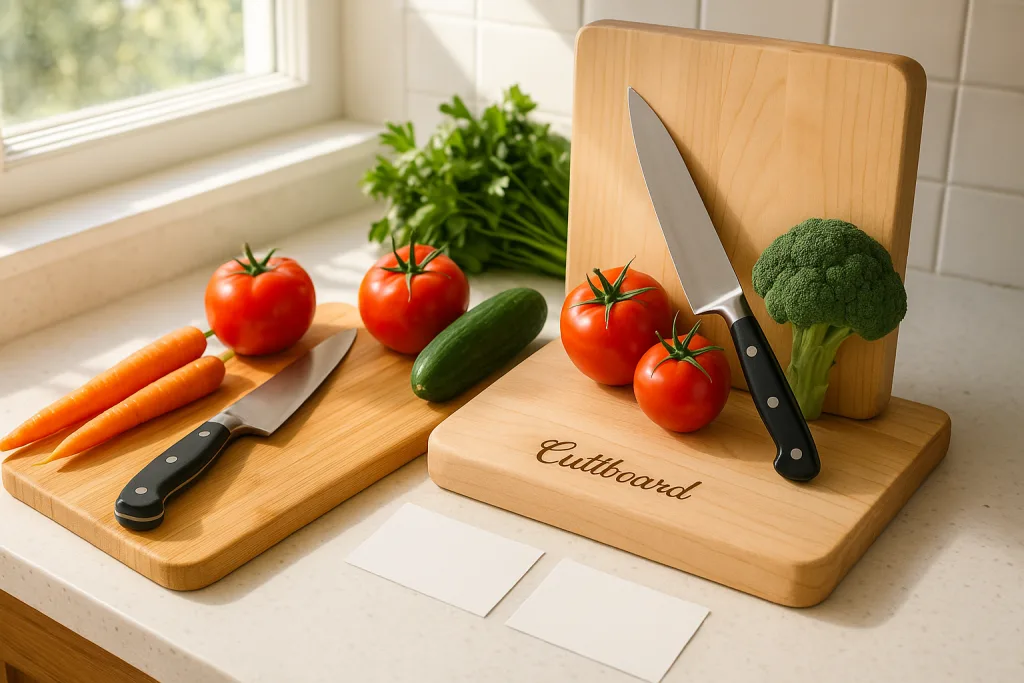
High-quality boards serve more than meal prep. Bamboo and maple boards now appear in hotels, restaurants, and catering. Some double as serving trays, cheese boards, or branded gift boxes. Boards with laser-engraved logos or custom CNC-milled edges add professional appeal. Bamboo Wood Art offers OEM solutions for buyers seeking sustainability and precision manufacturing in large or custom quantities.
Hospitality and B2B Considerations
- Robust packaging allows safe export worldwide.
- Custom sizing (from 10cm to 60cm+) available on request.
- Bulk orders can specify board material, finish, and branding.
- Compliance marks (FSC/PEFC) prove responsible sourcing.
Limitations and Next Steps in Edge Retention Testing
Our edge retention test offers a practical guide, but it’s not the final word. Every kitchen is unique. Knife steel, user skill, and board maintenance all change outcomes. For the best results, combine this test insight with real-world experience. Manufacturers continue refining board designs for greater edge longevity, ease of cleaning, and sustainability. Buy from reputable sources, and choose boards meeting your specific needs.
Frequently Asked Questions
Which cutting board edge retention material is best for knives?
End grain maple offers the best edge retention, with bamboo as a strong, eco-friendly alternative and plastic ranked behind for sharpness preservation.
Does bamboo dull knife blades faster than wood boards?
Properly processed Moso bamboo is gentle on blades, but end grain maple is softer; still, bamboo boards protect knives better than plastic.
Are plastic boards worse for knife longevity?
Plastic boards can dull knife edges faster, especially high-carbon steel blades, but they are easy to sanitize and affordable for busy kitchens.
How do you maintain cutting boards for edge retention?
Oil bamboo and wood boards monthly, dry thoroughly, sand out knife marks, and replace plastic boards as soon as deep grooves develop.
Can I order custom bamboo boards for restaurants or retail?
Bamboo Wood Art provides OEM/ODM bamboo and wood boards for hospitality and retail, with custom sizing, finishes, and branding available.
How often should knives be sharpened on different board types?
Knives used on maple may go twice as long before sharpening versus those used on plastic; bamboo falls close behind, depending on board finish.