Introduction
Choosing the right utensils for non-stick cookware is more crucial than many realize. The non-stick coating protects pans from sticking and makes cleanup easier, but it’s also sensitive to scratching and damage. In recent years, bamboo cooking utensils have become a favorite among home cooks and professionals alike due to their compatibility with non-stick surfaces, eco-friendly reputation, and reliable performance. This article explores why bamboo utensils are especially well-suited for non-stick pans, how they help preserve cookware, and what sets them apart from other materials.
If you’re seeking a trusted manufacturer for natural bamboo kitchenware, explore our bamboo products manufacturer options for custom bulk solutions.
What Makes Bamboo Utensils Unique?
Eco-Friendly Materials
Bamboo is celebrated for its sustainability and renewability. When compared to plastic or metal alternatives, bamboo utensils are crafted from a fast-growing resource that requires minimal chemical processing. Bamboo is naturally biodegradable, making it a smart choice for the environmentally-conscious consumer.
Durability and Lightweight Design
The strength of mature bamboo rivals hardwoods, but its lightweight nature makes utensils easy to handle. Unlike heavy metal tools, bamboo spoons, spatulas, and turners reduce wrist fatigue while being robust enough for regular cooking tasks.
Smooth, Comfortable Finish
Bamboo utensils feature naturally smooth surfaces that are often enhanced through careful sanding and finishing. This texture is gentle on cookware, contributing to their scratch-free reputation. Experienced bamboo manufacturers like Bamboo Wood Art select bamboo aged 4–6 years for optimal density and employ precision sanding to ensure utensils have rounded edges that won’t catch or scrape non-stick coatings.
How Non-Stick Pans Can Be Damaged
Common Causes of Scratches
Non-stick pans are most vulnerable to damage from sharp or abrasive utensils. Metal tools, especially those with pointed corners, can quickly leave marks on the delicate surface. Even careless stacking of pans or improper cleaning techniques may cause visible wear.
The Impact of Using Metal Utensils
Metal spatulas and forks are convenient but often unforgiving. Simply stirring or flipping food with metal utensils risks chipping or scraping the coating. Once scratched, non-stick pans lose their efficiency and can become unsafe, prompting replacement far sooner than necessary. This is why experts universally recommend steering clear of metal when working with modern non-stick cookware.
Plastic Utensils: Not Always Safe
While plastic utensils are generally safe for non-stick pans, they often degrade in high heat, leading to warping, melting, or even contamination of food. In addition, plastic is neither biodegradable nor as durable as bamboo, making it less appealing from a safety and sustainability perspective.
Why Bamboo Prevents Scratches
Gentle Surface and Smooth Edges
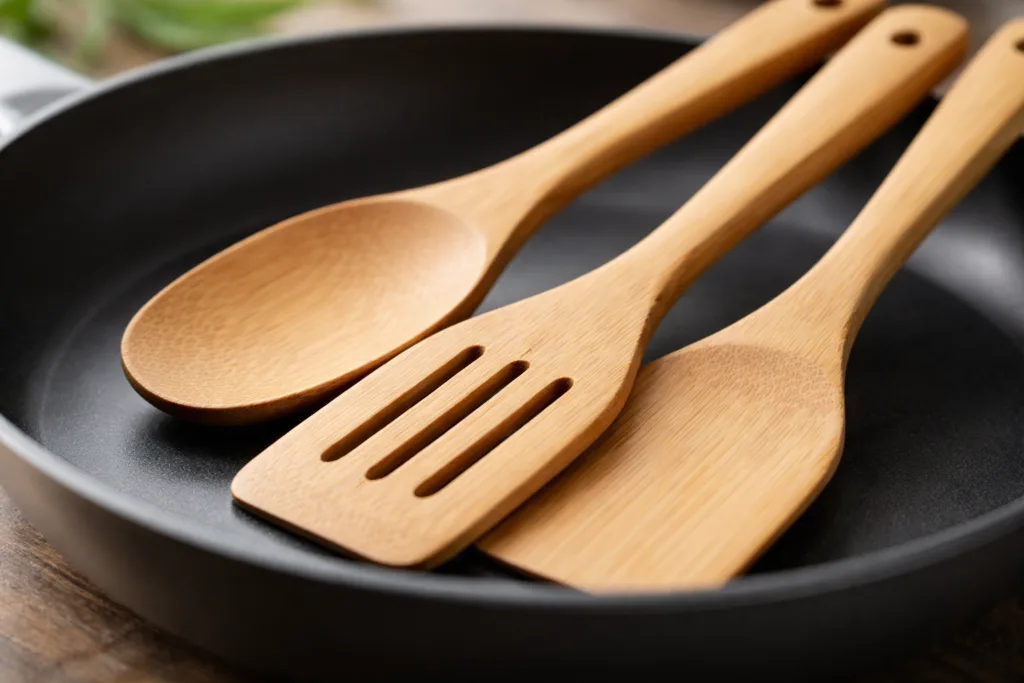
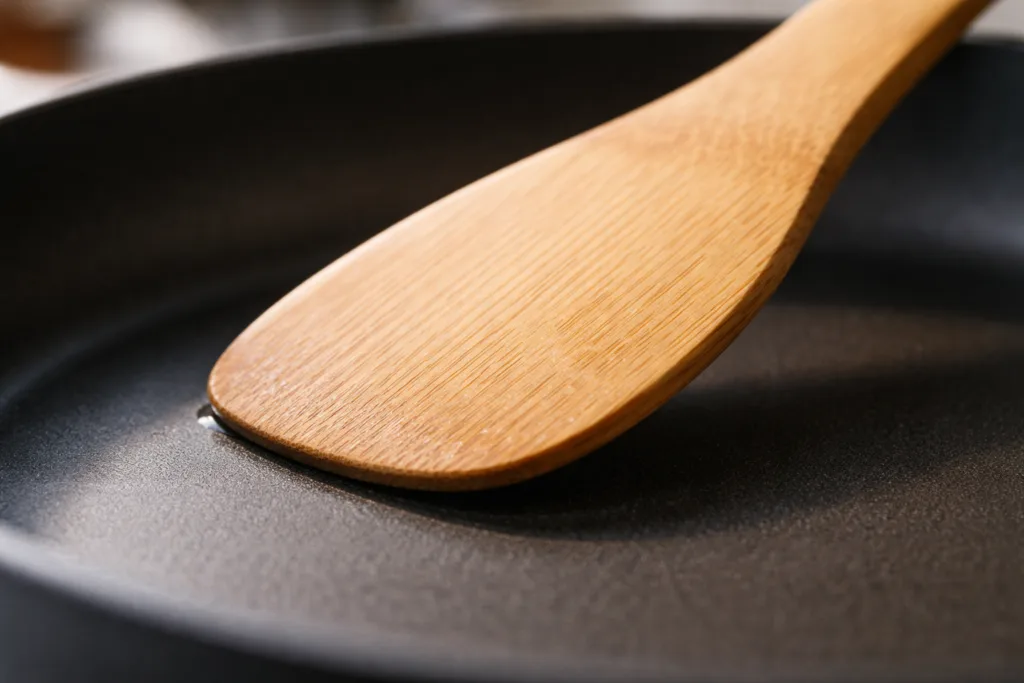
Bamboo’s natural structure is strong but flexible, offering resilience against cracking while maintaining a gentle touch. The smooth, rounded profiles of quality bamboo utensils glide across non-stick coatings without causing abrasion or pressure points.
Resistant to Heat But Not Abrasive
Bamboo handles heat well and does not soften or deform at typical cooking temperatures. Unlike metal or glass tools, bamboo’s fibers are not sharp, making them inherently non-abrasive. You can stir, scrape, or serve with confidence knowing the pan’s coating remains intact.
No Chemical Reaction with Non-Stick Coating
Certain metals may react with non-stick coatings, particularly if the surface is already damaged. Bamboo is chemically inert, meaning it won’t corrode, react, or leach substances when used with any non-stick pans.
Industry Practices for Quality Control
Manufacturers committed to precision, like Bamboo Wood Art, pay close attention to the grain direction, sanding process, and finishing details. For example, vertical grain construction offers even smoother utensil edges, minimizing the risk of rough spots that could catch or scratch cookware. Food-safe adhesives and moisture control methods help maintain this scratch-resistance over frequent use.
Additional Benefits of Bamboo Utensils
Safe for Food Preparation
Bamboo is naturally anti-bacterial, and manufacturers comply with FDA food contact standards. There’s no risk of leaching harmful chemicals into your meals, unlike poorly made plastic utensils.
Sustainable and Biodegradable
Bamboo utensils minimize landfill waste. When their useful life ends, they can be composted or recycled, supporting a greener kitchen environment. This aligns with broader efforts to reduce the kitchen carbon footprint—learn more about the environmental advantages in our article on reducing kitchen carbon footprint with bamboo products.
Easy Maintenance
Bamboo is low-maintenance by nature: utensils clean up quickly with mild soap and water. Unlike wood, bamboo resists absorbing food odors and stains, reducing the need for frequent deep cleaning or special care.
Tips for Care and Maintenance
Routine Cleaning
Wash bamboo utensils in warm, soapy water immediately after use. Avoid prolonged soaking, which can cause swelling or cracking. Dry them thoroughly with a towel rather than air drying, as excess moisture can encourage mold growth.
Storage and Longevity
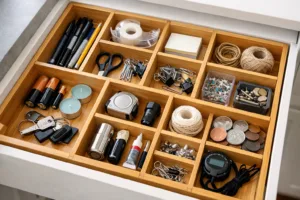
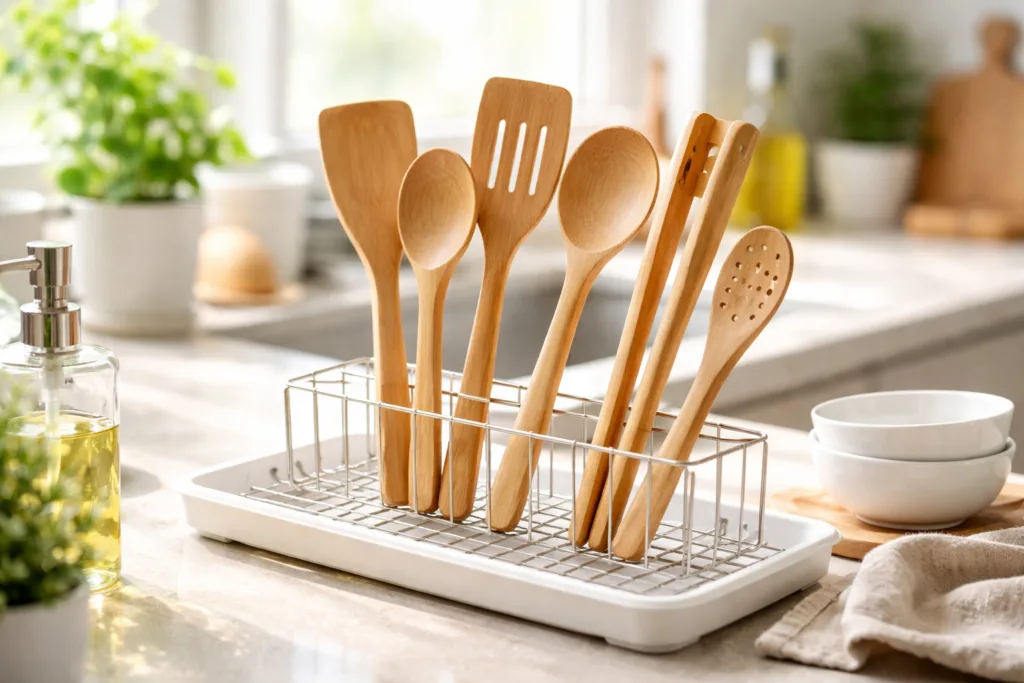
Store bamboo utensils in a dry drawer or utensil holder. If you want to keep your kitchen neat and organized, consider bamboo drawer organizers—see our guide to taming the junk drawer for inspiration. Periodically rub utensils with a food-safe mineral oil to enhance luster and increase resistance to stains and splitting.
Preventing Mold and Mildew
Good ventilation and regular drying are key. Manufacturers sometimes treat bamboo surfaces with anti-mold solutions approved for kitchen goods, increasing their lifespan even in humid climates. Explore more in our care tips for preventing water stains on bamboo products.
Why Bamboo Cooking Utensils Won’t Scratch Non-Stick Pans
The combination of bamboo’s soft, finished surface, industry-standard quality control, and chemical neutrality makes it almost impossible to damage non-stick cookware with proper use. When you pair the gentle design of bamboo utensils with attentive care, your non-stick pans maintain their performance and last longer. If you’re looking for a utensil that safeguards your investment while supporting sustainable living, bamboo remains the smart, reliable solution.
Conclusion
Bamboo cooking utensils offer a host of advantages for non-stick pans: they’re gentle, durable, eco-friendly, safe for food contact, and easy to maintain. These qualities—combined with expert manufacturing and careful user habits—make bamboo the top material for anyone wishing to extend the life of their cookware and reduce environmental impact in the kitchen. When used thoughtfully, bamboo utensils help keep your non-stick pans scratch-free and your kitchen sustainable.
Frequently Asked Questions
Can bamboo utensils really last as long as wood or metal?
With proper care, bamboo utensils can last several years. They resist cracking and staining better than regular wood and don’t rust or warp like metal—longevity is excellent for household use.
Is there a risk of bamboo utensils splintering?
Quality-made bamboo utensils are thoroughly sanded and finished, minimizing splintering. Avoid prolonged soaking and choose manufacturers with good reputation to ensure reliability.
Are bamboo utensils dishwasher safe?
Most bamboo utensils are not recommended for dishwasher use, as the intense heat and moisture can dry them out or cause splitting. Hand washing is best.
Can bamboo utensils handle high-heat cooking?
Bamboo is heat-resistant for typical cooking temperatures but can burn if left in direct contact with open flames or extremely hot surfaces. For frying and baking, bamboo is safe.
What makes bamboo more eco-friendly than plastic utensils?
Bamboo is fully renewable and biodegradable. The manufacturing process uses fewer chemicals, and utensils break down naturally at end-of-life, unlike plastic which persists in landfills.
How can I keep my bamboo utensils clean and mold-free?
Wash promptly, dry immediately, and store in a well-ventilated spot. Apply mineral oil periodically and avoid exposure to excess moisture to keep them fresh and mold-free.