Wooden Serving Trays for Cafés & Hotels
Wooden serving trays are a staple in cafés and hotels for their elegance, practicality, and timeless appeal. Designed for front-of-house (FOH) service, these trays blend form and function for everything from breakfast in bed to high-volume restaurant plating. Café owners and hoteliers rely on wood trays not only for food delivery but also for presentation and branding opportunities.
Material Selection: Solid Wood vs. Bamboo
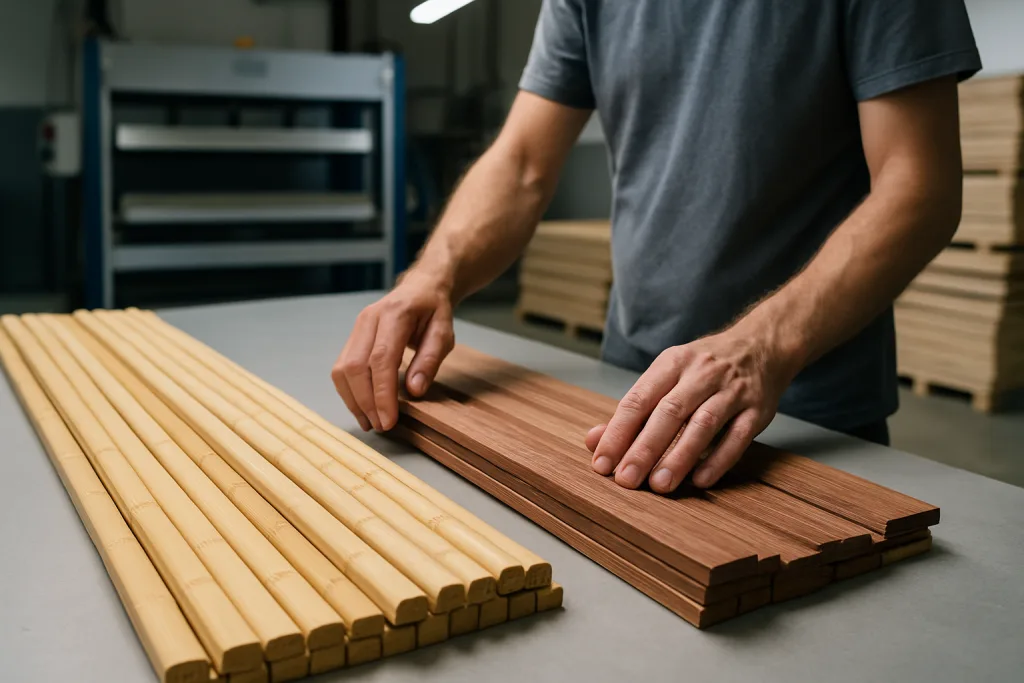
Choosing the right material sets the foundation for tray durability and style. Suppliers like Bamboo Wood Art use moso bamboo and hardwoods like oak, walnut, ash, and beech. Moso bamboo offers a lightweight build and excellent warp resistance, thanks to its dense fibers and cross-lamination methods. Hardwood trays, like solid oak or beech, are prized for natural grain and heft that feels substantial in hand.
Material Comparison Table
| Material | Properties | Best-Use Scenarios | Sustainability |
|---|---|---|---|
| Moso Bamboo | Lightweight, hard, anti-warp, quick-drying | Café breakfast trays, casual dining | High; FSC-certified, renewable |
| Oak | Dense, premium grain, durable | Hotel room service, FOH displays | Medium; FSC/PEFC available |
| Beech | Tough, pale color, even texture | Buffets, restaurant platters | Good; widespread supply |
| Walnut | Rich color, upscale look, strong | VIP lounges, cocktail service | Moderate |
Bamboo Veneer and Ply
Bamboo veneer-wrapped ply allows complex shapes and slim profiles without sacrificing strength. Suppliers use moisture-controlled panels (8-12%) and finger-jointing for larger formats. Wood ply trays balance cost and stability for volume buyers.
Manufacturing Processes: Strength and Surface Quality
A quality restaurant wooden tray starts with well-sorted slats or boards. Bamboo Wood Art grades for color, grain, and straightness before lamination. For bamboo, cross-lamination and hot pressing fuse layers to prevent warping. Solid wood trays use dowel or mortise-and-tenon joinery for edge strength.
- CNC machining shapes profiles and handles for ergonomic grip.
- Laser engraving enables custom branding on tray surfaces or undersides.
- Sanding sequence (180 → 240 → 320 grit) polishes trays before final finishing.
Anti-Warp Strategies
Kiln drying ensures optimal wood moisture. Bamboo co-products undergo carbonized or natural finishing to enhance stability and appearance. Dimensional tolerance is kept within ±1.5 mm to fit FOH racks. Adhesion checks and flatness tests catch defects early in production.
Coating Performance Under Commercial Cleaning
In cafés and hotels, trays endure daily cleaning. Water-based varnishes—often applied by Bamboo Wood Art—create clear, food-safe barriers that resist moisture, alcohol, and food acids. Some trays feature plant oils like tung or linseed for a matte, natural look, though these require periodic reapplication to maintain water resistance. Food-contact coatings must comply with FDA or LFGB standards, reducing risk in busy kitchens (FDA info).
Cleaning Cycles and Wear
- High-gloss UV coatings withstand >500 cleaning cycles with soft cloths and mild detergents.
- Matte finishes show fewer fingerprints but may need touch-up after months of heavy use.
Any tray with film finish should avoid soaking, as prolonged immersion can cause edge swelling. Bulk buyers are advised to specify coating thickness and abrasion resistance when ordering for high-turnover restaurants.
Finish Options and Compliance
| Finish Type | Appearance | Commercial Cleaning Durability | Food Safety |
|---|---|---|---|
| Water-Based Varnish | Clear or tinted; glossy | Excellent | FDA/LFGB compliant |
| UV-Cured | Deep gloss; very hard surface | Superior | Approved for food contact |
| Plant Oil | Natural matte; subtle color | Good, needs re-oiling | Natural, inert |
Load Testing: Durability for Everyday Service
Commercial-grade trays must handle both weight and movement. Manufacturers test for bending by stacking up to 10 kg of plates, glassware, and cutlery on a single tray for 24 hours. Solid-wood edges absorb occasional impacts; cross-laminated bamboo resists splits and cracks during service rushes. Trays from Bamboo Wood Art are certified to retain flatness (<1.8 mm deviation) under load.
- Large tray panels—40 cm to 56 cm—carry 6–8 dinner plates in one pass.
- Raised rim trays protect glassware from sliding off during transport.
Anti-Slip Feet and Stability
Stability matters, especially on busy floors. Recessed silicone or rubber pads (2–4 mm thick) on tray feet reduce sliding while keeping footprints discreet. Non-slip feet absorb vibration and make stacking silent. Cafés seeking quieter service opt for soft but durable footpads, which last through hundreds of cleaning cycles with minimal wear.
Size and Style Guide: Wooden Trays for FOH Service
Wooden serving trays vary in size, shape, and rim design. Standardized dimensions simplify ordering and optimize storage in kitchen racks and service carts. Custom sizing, such as with Bamboo Wood Art’s OEM options, allows for tailored solutions. Below is a typical size chart for restaurant wooden tray formats:
| Size | Dimensions (cm) | Recommended Use |
|---|---|---|
| Small | 28 x 20 | Coffee cups, pastry, bar snacks |
| Medium | 38 x 26 | Breakfast, plated desserts |
| Large | 45 x 32 | Lunch/dinner service, sharing platters |
| Oversize | 56 x 40 | Room service, banquet setups |
Edge Profiles and Handles
- Straight edges suit minimalist interiors; easy rack stacking.
- Beveled or rounded rims provide comfortable handling and classic look.
- Cutout handles offer slip-free grip for busy servers.
Branding Placements for Restaurants and Hotels
Custom branding transforms a wooden serving tray from a utility to a statement. Bamboo Wood Art uses precision laser engraving to add hotel logos, café names, or seasonal motifs. Brands can specify placement—tray center, rim, or underbelly—to balance visibility and aesthetics.

Engraved crests create a memorable guest experience. Screen-print techniques allow for vivid colored logos on varnished trays. Some buyers choose subtle etching underneath for upscale discretion. All markup must remain food-safe and durable, surviving cleaning cycles without fading or flaking.
Expert Takeaway: Branding works best on reachable areas: rim for casual dining, center for luxury settings, underside for discreet identification in room service fleets.
Front-of-House Application: Maximizing Efficiency and Presentation
Trays streamline FOH logistics by allowing servers to move multiple orders efficiently. A well-proportioned restaurant wooden tray ensures balance, reduces fatigue, and minimizes spills. Visual presentation matters—grained woods and natural bamboo make food appear more inviting. Selection of material, size, and finish directly influences guest perception and repeat business.
B2B Buyer Checklist
- Assess required tray size and load for typical menu flow.
- Specify coating and finish for cleaning protocols.
- Choose standard or custom branding layout.
- Confirm anti-slip foot features for safety.
- Request test samples and review dimensional tolerance results.
Sustainability and Compliance: Meeting Modern Standards
Buyers in hospitality prioritize sustainable sourcing and strict quality checks. Bamboo Wood Art uses FSC/PEFC-certified woods and E0-E1 grade adhesives. Moisture content and kiln drying routines control warping and splitting. Export orders receive robust packaging—tray corners are protected with foam, and cartons are drop-tested for shipping integrity.
Food-contact coatings meet FDA and LFGB compliance, helping restaurants meet global safety rules (PEFC certification).
Certifications and Quality Assurance
- FSC/PEFC wood tracking for responsible forestry.
- FDA/LFGB food safety checks for tray surfaces.
- Flatness and defect inspection before shipment.
Ordering Guidance: Lead Time, MOQ, and Customization
Hotels and cafés can source trays as catalogue models or custom OEM/ODM variants through manufacturers like Bamboo Wood Art. Minimum order quantities (MOQ) typically start at 500 pieces for branded trays. Lead times: 30–45 days for mass production, with an additional 7–14 days for logo sampling and finish approval.
- Custom sizes and shapes tailored to client specifications.
- Pre-production samples available before commitment.
- Dedicated support for freight, compliance, and post-shipment queries.
Frequently Asked Questions
What is the most durable finish for wooden serving trays?
UV-cured varnish provides the toughest, longest-lasting protection against frequent cleaning and handling in cafés and hotels.
Can restaurant wooden trays be washed in commercial dishwashers?
Most wooden trays are not dishwasher-safe; hand wash with damp cloths to keep coatings intact and avoid warping.
How do I choose the best size tray for my restaurant?
Match tray size to your service style and menu; larger trays are better for full meals, small trays for drinks or desserts.
What branding options are available for hospitality trays?
Hospitality trays can feature laser engraving, screen printing, or etched logos, placed on tray centers, rims, or undersides.
Are bamboo and wood trays safe for direct food contact?
Yes, when coated with FDA or LFGB-compliant finishes, both bamboo and hardwood trays are food safe for restaurant use.
What is the typical lead time for OEM wooden tray orders?
Lead times for custom trays range from 30 to 45 days for production, plus extra time for logo sampling and finish approval.