Introduction
Bamboo steamers are a favorite kitchen tool, commonly used for steaming dumplings, buns, vegetables, and fish. Their ability to create a gentle, even heat has made them essential in many kitchens. However, to maintain their performance and longevity, proper care and cleaning are essential. Knowing how to clean bamboo steamer will ensure that it remains in top condition, free from odors, stains, and any food residues.
In this guide, we will walk you through the best practices to clean a bamboo steamer, ensuring it stays functional and hygienic for years. Whether you’re using it regularly or occasionally, these simple steps can be done with ease, keeping your steamer as good as new.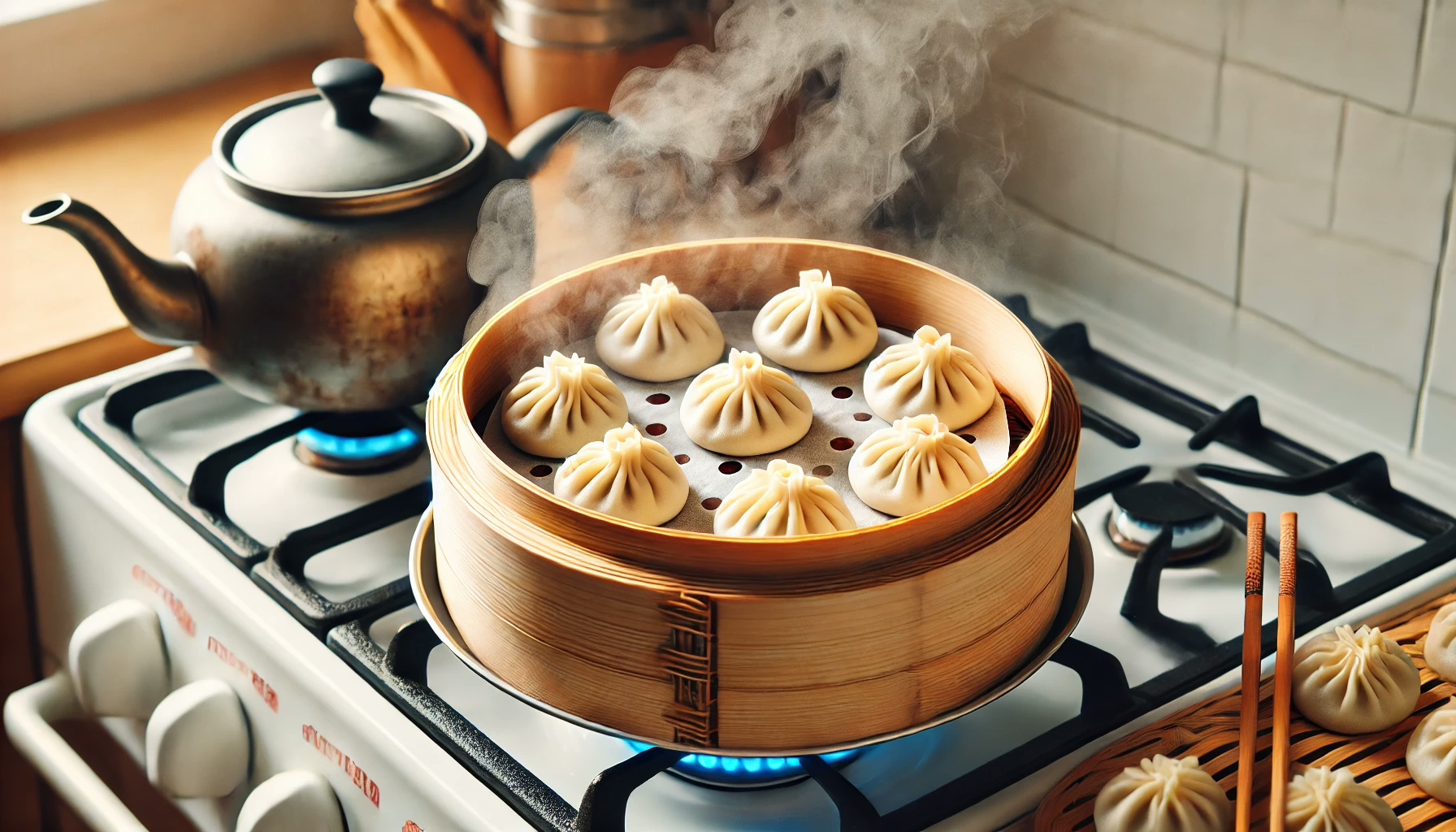
Why Regular Cleaning is Important for Bamboo Steamers
Bamboo steamers are made from natural materials, which means they require different care compared to other kitchen appliances. Bamboo is porous, which allows it to absorb water and odors over time. Without proper cleaning, your bamboo steamer can develop stains, mold, and unpleasant smells. It may even affect the flavor of the food you prepare.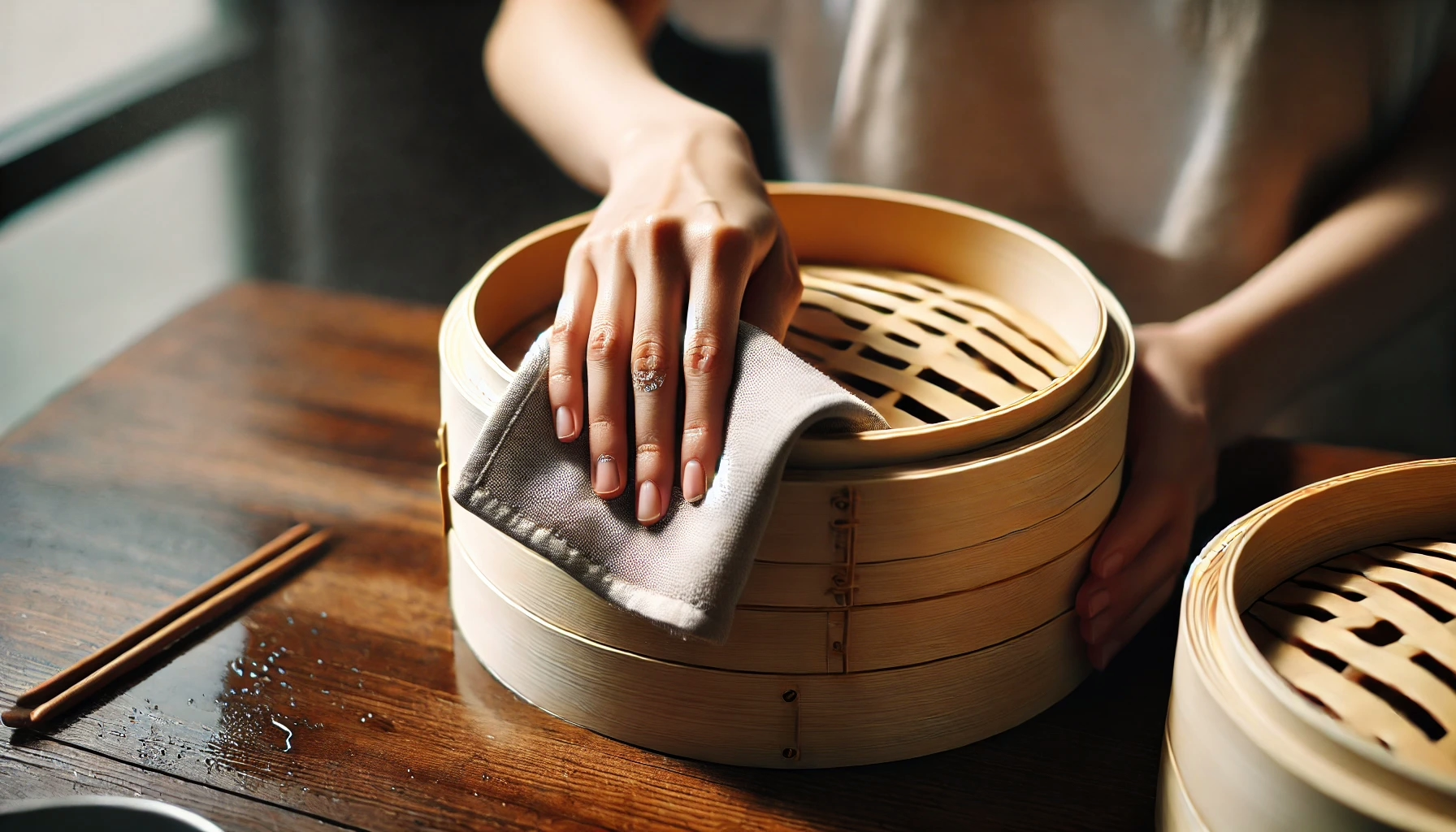
Cleaning your bamboo steamer after every use helps maintain its freshness, prevents food particles from sticking, and keeps the material strong. In this section, we’ll explore why cleaning your bamboo steamer properly is important for its performance.
Step-by-Step Guide on How to Clean Bamboo Steamer
Cleaning a bamboo steamer isn’t complicated, but it does require some attention to detail. Here’s how to clean your bamboo steamer step-by-step.
1. Let It Cool Down
After steaming food, always allow the bamboo steamer to cool completely before attempting to clean it. This helps prevent the bamboo from warping or cracking under sudden temperature changes.
2. Remove Any Leftover Food Particles
Once the steamer has cooled down, take out any food left behind. Scrape off any larger chunks of food using a soft spatula or a brush. Be gentle to avoid damaging the bamboo surface. Avoid using a metal spatula, as it could scratch the bamboo.
3. Wipe with a Damp Cloth
Use a damp, clean cloth to wipe the interior and exterior of the steamer. This will remove any remaining food residue and steam condensation that may have collected. Make sure the cloth is only lightly damp to avoid soaking the bamboo.
4. Wash with Warm Water
For a deeper clean, rinse the bamboo steamer with warm water. It’s best to use a soft sponge or cloth for this process, as a harsh scrubbing pad may damage the bamboo. Avoid using soap, as it can leave an unpleasant odor or residue. Stick to just warm water to cleanse the steamer effectively.
5. Dry Thoroughly
After rinsing, dry your bamboo steamer thoroughly with a clean towel. It’s essential that the steamer does not retain any moisture, as bamboo is prone to mold growth when damp for long periods. Set the steamer out in a well-ventilated area to air dry completely.
How to Deep Clean Bamboo Steamer (Occasional Maintenance)
While regular cleaning is sufficient for day-to-day use, your bamboo steamer will benefit from occasional deep cleaning. Here’s how you can ensure your bamboo steamer stays fresh and odor-free with a more thorough cleaning every few weeks or after heavy use.
1. Scrub with Baking Soda Paste
Create a paste by mixing baking soda with water. Gently scrub the paste into the bamboo using a soft brush or cloth. Baking soda acts as a natural deodorizer and will help remove any lingering odors, stains, or grease that may have accumulated over time.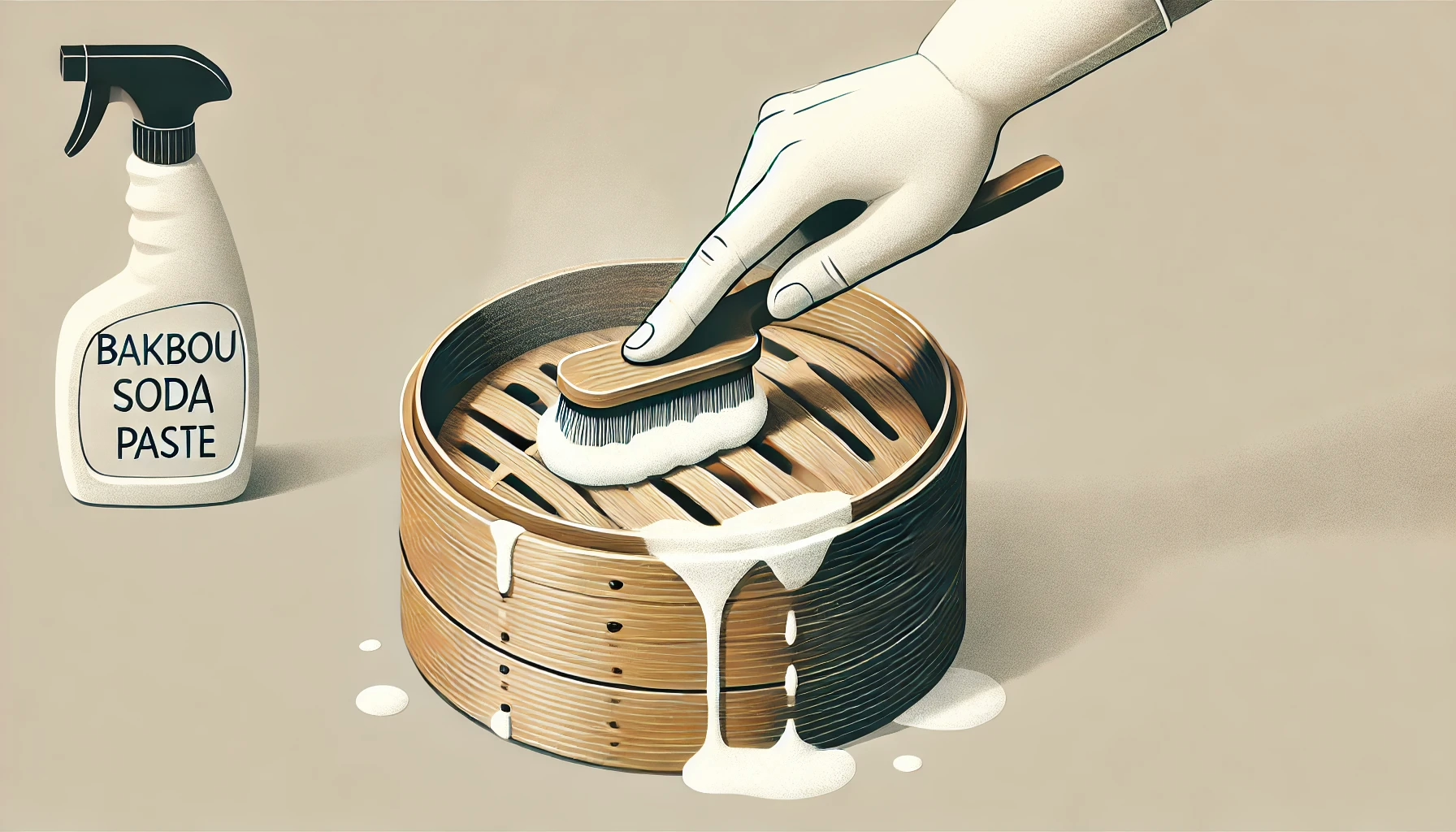
2. Use Vinegar Solution for Stubborn Stains
For stubborn stains or mildew, a mixture of white vinegar and water can help break down residue. Mix equal parts of vinegar and water in a bowl, and use a soft cloth to apply the solution to the affected areas. Let it sit for a few minutes before wiping it off with a damp cloth. Be sure to dry the steamer thoroughly afterward.
3. Dry Completely Under the Sun
To keep your bamboo steamer smelling fresh and prevent mold, place it in direct sunlight for a few hours. The sun’s natural heat will help to dry out any remaining moisture and also kill bacteria, keeping your steamer sanitized.
What to Avoid When Cleaning a Bamboo Steamer
There are some common mistakes people make when cleaning bamboo steamers, which can lead to damage or shortened lifespan. Here’s what you should avoid:
- Avoid soaking the steamer: Bamboo is not water-resistant, and soaking it for long periods can cause it to warp or weaken.
- Don’t use harsh chemicals: Cleaning agents or bleach can damage the bamboo and leave chemical residues.
- Don’t use abrasive sponges: Avoid steel wool or hard scrubbers that can scratch the surface and cause irreversible damage to the bamboo.
How to Prevent Mold and Odors in Bamboo Steamer
Bamboo steamers can develop mold if they are left damp for too long. Here are a few tips to prevent mold and unpleasant odors from developing in your bamboo steamer:
1. Always Dry the Steamer Thoroughly
After cleaning, ensure that the bamboo steamer is completely dry before storing it. Air-drying it in a well-ventilated area is the best way to ensure no moisture is left behind.
2. Store in a Dry, Cool Place
Store your bamboo steamer in a dry, cool place where it’s not exposed to excessive humidity. Avoid placing it in cabinets or drawers that are often closed and humid.
3. Use Bamboo Steamer Liners
Using bamboo or parchment liners inside your steamer can help prevent food from sticking and absorb excess moisture. This will also make cleaning easier.
Can You Put a Bamboo Steamer in the Dishwasher?
It’s a common question—can a bamboo steamer go in the dishwasher? The answer is no. Bamboo is a natural material that does not respond well to the harsh conditions of a dishwasher. High heat, harsh detergents, and long cycles can damage the bamboo, causing it to warp, crack, or lose its finish. Always hand wash your bamboo steamer to maintain its integrity.
How to Care for Your Bamboo Steamer to Extend Its Lifespan
If you want to get the most out of your bamboo steamer, proper care is essential. Regular cleaning, occasional deep cleaning, and storing the steamer correctly will help it last for years.
1. Avoid Excessive Heat Exposure
Although bamboo steamers are designed to withstand heat, it’s best to avoid exposing them to direct flames or placing them in extreme heat for prolonged periods. This can cause the bamboo to become brittle and weaken over time.
2. Maintain Bamboo Regularly
Every few months, you can treat your bamboo steamer with a food-safe mineral oil or bamboo conditioner. This will help preserve its shine, prevent cracking, and keep it looking new.
Conclusion
Knowing how to clean a bamboo steamer properly is essential for maintaining its functionality and aesthetic appeal. With regular care, your bamboo steamer will continue to be a reliable tool in your kitchen for years. The key is to handle it gently, avoid harsh cleaning products, and make sure it dries thoroughly after each use. By following these simple cleaning tips, your bamboo steamer will remain odor-free, mold-free, and ready to steam your favorite dishes every time.
Frequently Asked Questions
How often should I clean my bamboo steamer?
It’s recommended to clean your bamboo steamer after each use. If you use it frequently, give it a deep cleaning every few weeks to prevent odors and stains.
Can I use soap to clean my bamboo steamer?
It’s best to avoid soap as it can leave residues and affect the flavor of your food. Simply use warm water and a damp cloth for regular cleaning.
Can I store my bamboo steamer in a damp place?
No, storing your bamboo steamer in a damp or humid environment can lead to mold growth. Always store it in a dry, cool area.
How can I remove stubborn stains from my bamboo steamer?
You can remove stains using a mixture of vinegar and water or by gently scrubbing with a baking soda paste.
Is it safe to use a bamboo steamer in the microwave?
No, bamboo steamers are not microwave-safe. They should only be used on stovetops or over a boiling pot of water.
How long will my bamboo steamer last?
With proper care, a bamboo steamer can last for several years. Regular cleaning and proper storage are key to its longevity.