Introduction
Trays are an essential component in both home and commercial settings, serving purposes from dining to decor to organizing spaces. While bamboo and wooden trays each offer unique attributes, choosing between them involves weighing factors like weight, environmental impact, cost, and aesthetic value. This comprehensive guide compares bamboo trays vs wooden trays to help you decide which option meets your needs best.
Weight Considerations
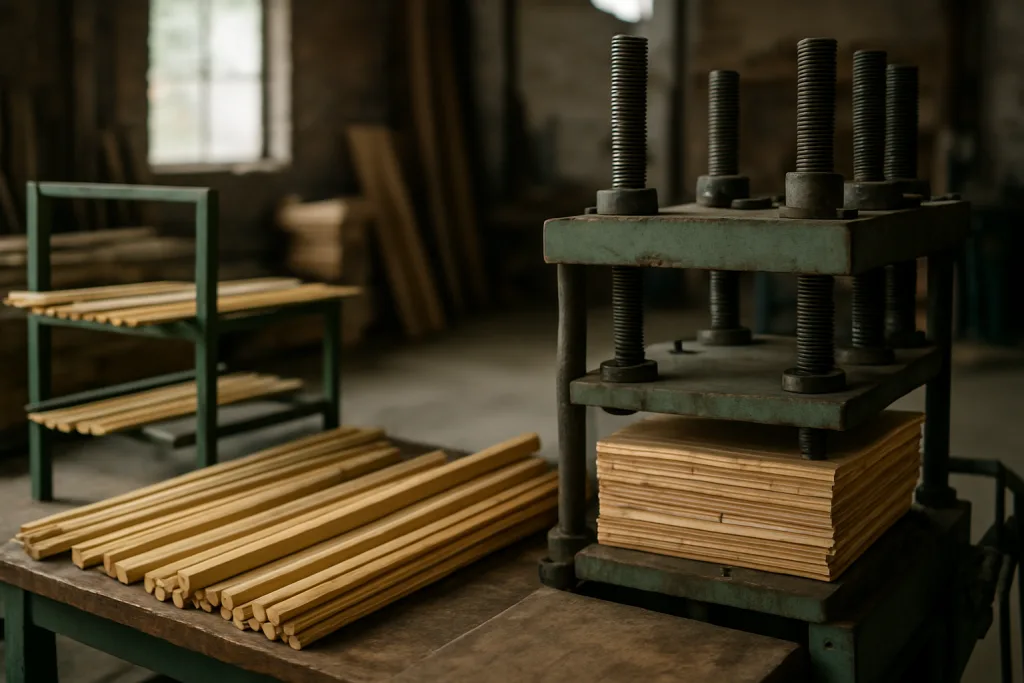
Weight is a crucial factor when selecting a tray. Bamboo trays are typically lighter than wooden ones, contributing to ease of handling and storage. The lightness of bamboo is attributed to its cellular structure that marries strength with a lower density. Conversely, wooden trays, especially those crafted from hard woods like oak or walnut, tend to be heavier due to dense fiber arrangements.
Bamboo Trays
Moso bamboo is often used for its high strength-to-weight ratio, allowing manufacturers like Bamboo Wood Art to produce durable yet lightweight trays. This makes bamboo trays ideal for environments where frequent transport and repositioning are required.
Wooden Trays
Wooden trays offer sturdiness and stability but can add significant weight depending on the type of wood. Although heavier, wood can provide a satisfying tactile quality and robustness, especially in hospitality settings where trays require frequent use and cleaning.
Environmental Impact
The environmental impact of materials is increasingly important, with consumers favoring options that contribute to sustainability. Bamboo trays are highly regarded for their eco-friendliness, given bamboo’s rapid growth and renewability. Wooden trays can also be sustainable, but they require a more extended growth period.
Bamboo Trays
Bamboo is one of the fastest-growing plants, reaching maturity within 3-5 years, making it an excellent sustainable resource. Bamboo Wood Art ensures its bamboo is FSC certified, promoting responsible sourcing and minimized ecological impact.
Wooden Trays
Wood, sourced sustainably and FSC/PEFC certified, can also play a role in eco-friendly choices. However, slower growth rates and higher resource consumption during production often make bamboo a more environmentally conscious option.
Cost Comparison
Budget considerations play a significant part in material choice, with bamboo trays frequently positioned as more affordable than their wooden counterparts.
Bamboo Trays
Bamboo’s rapid growth helps keep production costs low, enabling manufacturers to provide competitively priced products without compromising on quality.
Wooden Trays
Wood trays, especially those made of premium hardwoods, may come with higher price tags due to longer production times, specialty finishes, and potentially more intricate craftsmanship.
Aesthetic Value
The visual appeal of a tray can significantly impact its suitability for a given space. Both bamboo and wood offer distinctive aesthetics.

Bamboo Trays
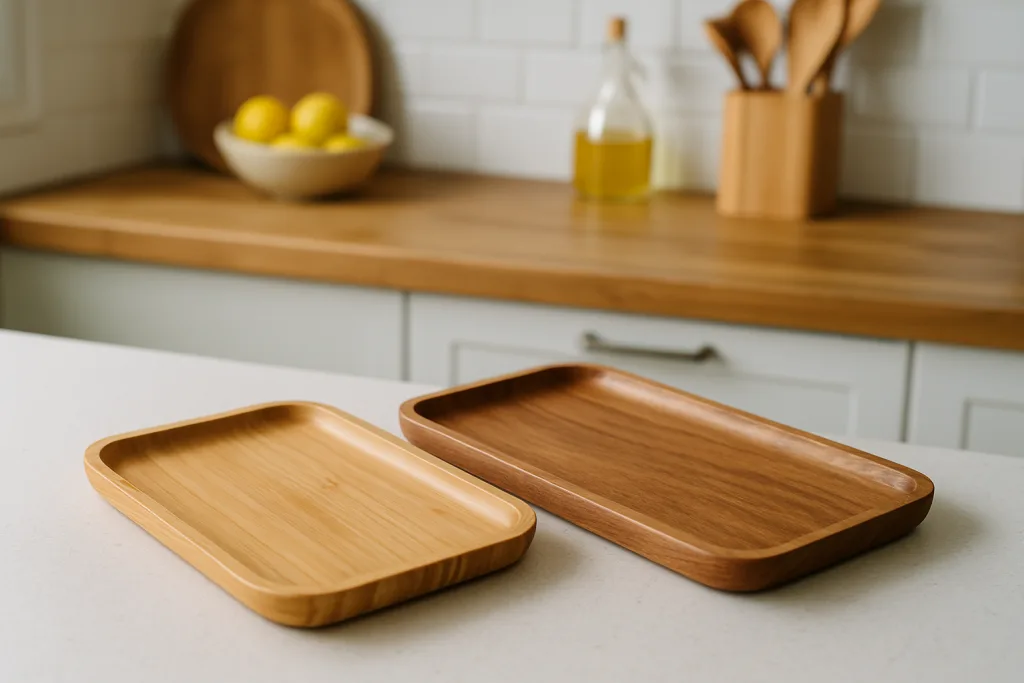
Bamboo trays boast a clean, uniform texture with a natural light color that can be adaptable to modern and minimalist designs. Bamboo can be carbonized for a richer tone while still maintaining aesthetic clarity.
Wooden Trays
Wooden trays offer a classic, warm feel with varied textures and grains, depending on the type of wood. Oak provides light hues, while walnut and mahogany give deeper shades that complement traditional and rustic settings.
Comparing Bamboo Trays vs Wooden Trays: Which is Better?
Choosing between bamboo and wooden trays depends on priorities in weight, sustainability, budget, and design preferences.
| Material | Weight | Sustainability | Cost | Aesthetic |
|---|---|---|---|---|
| Bamboo | Light | High | Low | Sleek, modern |
| Wood | Heavy | Moderate | High | Classic, textured |
For commercial buyers interested in sustainable options that offer both functionality and elegance, Bamboo Wood Art provides reliable B2B service with a focus on quality and eco-friendly production.
Manufacturing Insights
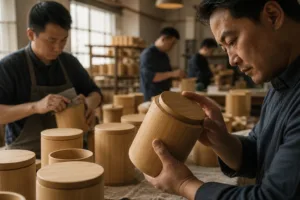
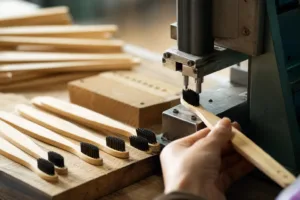
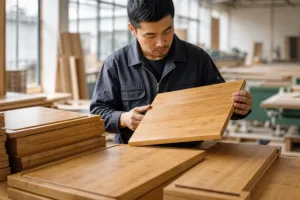
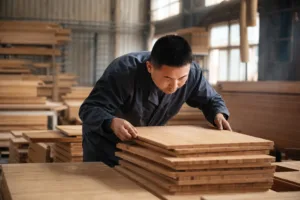
Bamboo trays go through processes like lamination, hot press, and edge profiling to ensure stability and durability, with a kiln dry technique maintaining moisture content between 8-12%. Wooden trays involve intricate joinery and may require extensive finishing processes, such as varnishing, to achieve desired aesthetics.
Both bamboo and wood trays offer unique benefits and limitations. Manufacturers like Bamboo Wood Art incorporate precision craftsmanship to produce products that ensure high durability and visual appeal across both materials.
Frequently Asked Questions
Are bamboo trays more environmentally friendly than wooden trays?
Yes, bamboo trays are generally more sustainable due to bamboo’s rapid growth and low resource requirements compared to wood.
Which is lighter, bamboo or wooden trays?
Bamboo trays are typically lighter than wooden trays, making them ideal for quick transport and ease of use.
Can bamboo trays be used for food services?
Yes, bamboo trays can be suitable for food services when coated with food-safe finishes, meeting FDA/LFGB standards.
Do wooden trays require special maintenance?
Wooden trays may need more maintenance, depending on the finish, to preserve their appearance and prevent warping.
Is bamboo more cost-effective than wood?
Yes, bamboo tends to be more cost-effective than wood due to its fast-growing nature, allowing for lower production costs.
What are the aesthetic differences between bamboo and wooden trays?
Bamboo offers a sleek, modern look, while wood provides a warm, classic appearance, with each contributing unique design options.