Rustic vs Japandi: Styling Wood Décor
Wooden home décor styles create warm, inviting spaces. Two contemporary favorites are rustic and Japandi. Each offers unique beauty—rustic décor focuses on natural character, while Japandi blends Japanese minimalism and Scandinavian calm. From finish tones to joinery, every detail shapes their distinct moods. Let’s compare them and discover how to style wood décor for retail and home settings.
Defining Rustic and Japandi Wooden Décor
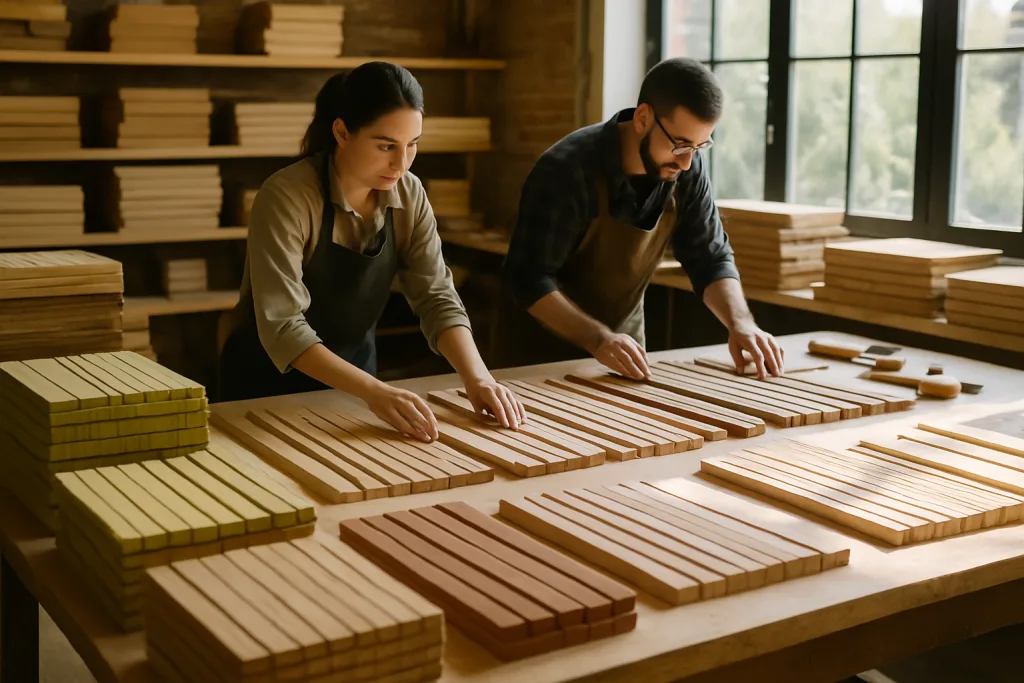
Both styles celebrate wood’s timeless appeal, but their approaches differ. Rustic décor highlights raw textures, knots, and imperfections. Japandi décor values simplicity, clean lines, and smooth surfaces. Each style uses specific woods, finishes, and craftsmanship methods to capture its character.
- Rustic uses solid oak, ash, and reclaimed woods—plenty of natural knots and grain.
- Japandi selects fine-grained maple, bamboo, or beech for a soft, uniform look.
- Rustic finishes lean toward matte, oiled, or lightly waxed surfaces.
- Japandi prefers gentle plant-based oils and subtle water-based varnishes for clarity.
Material Choices
Choosing the right wood is crucial. Moso bamboo is popular in Japandi for its lightweight structure and pale color. Rustic spaces favor dense woods with heavy grain, like walnut or reclaimed pine. Bamboo Wood Art employs both solid woods and bamboo, ensuring moisture content stays at 8–12% through kiln drying. FSC certification also matters in both styles, reflecting sustainability and quality.
Finish Tones: Natural, Smoked, Dark
Finish tones define mood. Rustic décor embraces smoked and dark finishes, often using carbonized bamboo or walnut stains. Japandi décor opts for natural tones—light-colored beech, ash, or bamboo sealed with low-VOC plant oils. Water-based UV varnishes, like those used by Bamboo Wood Art, preserve wood’s true color and feel. Smoked finishes are created by controlled steaming or fuming, enhancing grain contrast for rustic pieces. Japandi’s restrained oils add a hint of warmth without darkening the wood.
| Style | Common Woods | Finish Tone | Joinery | Best Use |
|---|---|---|---|---|
| Rustic | Oak, walnut, reclaimed pine | Smoked, dark, matte-oiled | Mortise-tenon, exposed dowels, visible joints | Dining tables, wall panels, hearty shelves |
| Japandi | Bamboo, beech, maple | Natural, pale, subtle sheen | Concealed joins, seamless edges, finger-joints | Minimalist trays, décor boards, floating shelves |
Rustic vs Japandi: Styling Wood Décor
Rustic and Japandi wooden décor styles create distinct atmospheres. The rustic look celebrates hand-finished surfaces and honest character. Japandi emphasizes balance and serenity through clean joinery and neat finishes. Both styles use different methods to craft wooden home accents, furniture parts, and panels. Bamboo Wood Art can manufacture décor goods for either style, using select woods and tailored finishing, helping retailers meet market demands.
Joinery Aesthetics: Craft vs Zen
Joinery expresses each style’s philosophy. Rustic décor often highlights mortise-and-tenon joints, dowel caps, and pegged corners. These visible connections reflect artisanal skill. Japandi décor uses seamless finger-jointing, hidden dowels, and smooth mortise fits. The result: understated elegance. CNC machining guarantees precision, while hand-sanding sequences—typically 180, 240, and 320 grit—ensure touchable smoothness.
Finish Tones and Textures
Wood texture plays a big role. Rustic pieces may show rough grain, open pores, and touchable contour. Japandi surfaces appear soft, closed grain, and consistently smooth. Finishes differ, too. Rustic favors beeswax or linseed oil for a tactile feel. Japandi loves natural oils with UV protection, maintaining a crisp, pale effect.
Smoked and Dark Finishes in Rustic Décor
Smoked finishes use heat or fuming to deepen color and reveal swirling grain. Walnut stains, carbonized bamboo, or even torched sections feature in rustic accents. Each process is followed by conditioning to prevent warpage. Dimensional checks confirm flatness, which is vital when boards are thicker or wide.
Natural Tones in Japandi Décor
Bamboo or beech receives minimal staining—often just a plant-based oil or water-based acrylic. This highlights subtle details and keeps the décor bright. Retail buyers appreciate standardized moisture content, ensuring pieces do not warp or twist after installation. Bamboo Wood Art uses E1-grade resins and low-VOC coatings for healthier spaces.
- Rustic: deep, earthy tones, visible knots, waxed or oiled.
- Japandi: pale, muted surfaces, soft edge profiles.
- Rustic: textured distressing, brushed finishes.
- Japandi: finely sanded, seamless transitions.
Photo Styling Tips for Maximum Impact
Photography brings wood décor to life online and in stores. For rustic styles, style scenes with textured fabrics, plants, and warm light. Display chunky trays or reclaimed wall panels against stone backdrops. For Japandi, shoot in soft daylight with neutral walls. Use simple props—ceramic vases, matte black utensils, or slender trays. Show clean edges, inviting surfaces, and unobstructed views.
Lighting and Composition
Soft natural light enhances wood grain. For rustic home décor, position furniture or trays at angles to catch shadow and emphasize depth. For Japandi, highlight symmetry and negative space. Top-down shots suit slim shelves or serving boards, especially when paired with pale linens.
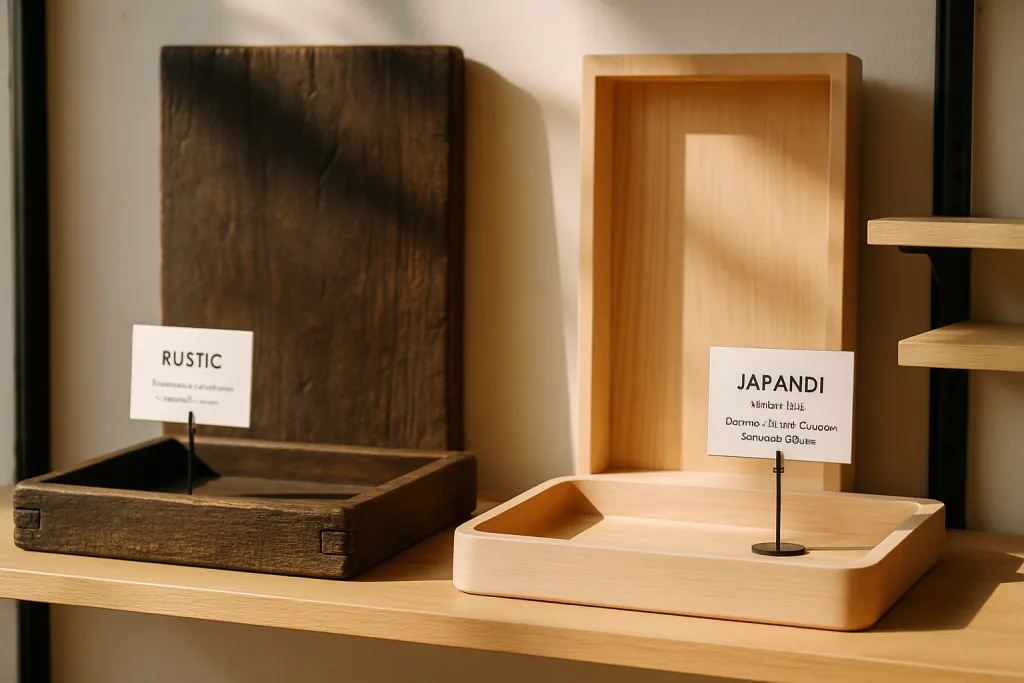
Retail Shelf Talkers: Guide Buyers to the Right Style
Shelf talkers are small signs that highlight product features and help buyers decide. For rustic wooden décor, focus on the story behind the wood—heritage, hand-finished details, sustainable sourcing. For Japandi, highlight balance, smoothness, and calming color schemes. Mention finish types and joinery approaches. Bamboo Wood Art supports retailers with robust packaging and custom branding for these market needs.
Best Practices for Shelf Talkers
- Use high-impact keywords: natural, eco-friendly, artisan, minimalist.
- Include finish specs—smoked oak, UV-oiled bamboo, matte walnut.
- Show joinery close-ups—visible for rustic, concealed for Japandi.
- Link to your online décor hub for deeper exploration.
Expert Takeaway: Clear, concise messaging and rich imagery invite shoppers to imagine the décor in their homes. Demonstrate craft, source sustainability, and comfort with every shelf talker.
Manufacturing Detail: From Slat Sorting to Final Finish
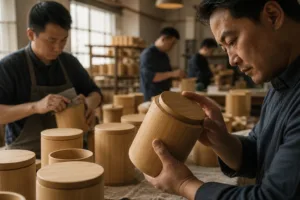
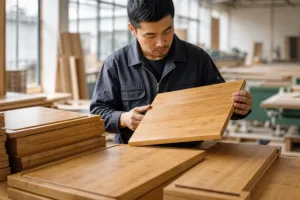
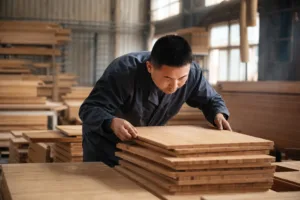
Manufacturing wooden décor requires precision. Bamboo Wood Art starts with slat sorting by grade and moisture. Lamination uses hot press methods for stability, especially for bamboo ply. Joinery—mortise, tenon, finger-jointing—is tailored to the style. CNC machining and laser engraving add design details. Sanding moves from 180 to 320 grit for silk-like surfaces. Finishing uses food-contact safe coatings for kitchenware and décor. Export packaging uses multi-layer protection for long-distance shipments. Compliance to FSC, PEFC, and FDA/LFGB standards confirms both ecological and functional quality. Read more in our décor hub.
Applications for Home, Retail, and Hospitality
Rustic and Japandi décor is popular across homes, hotels, restaurants, and retail spaces. Rustic wooden trays, wall cladding, or side tables add charm in dining rooms and lounges. Japandi boards, floating shelves, or acoustic slats create light and calm areas. Bamboo Wood Art customizes décor items for OEM/ODM clients, with solutions for corporate gifting, branded displays, and hospitality serviceware.
Durability and Practicality
- Moisture-resistant woods fend off warping or splitting.
- Food-safe finishes suit kitchen and dining use.
- Secure joinery ensures stability on busy retail displays.
- Custom sizes, branding, and finish choices help brands capture market niches.
Designing for Longevity and Sustainability
The best wood décor combines lasting quality with responsible sourcing. Both rustic and Japandi favor natural materials. Bamboo is especially sustainable, renewing quickly and producing less waste. FSC and PEFC standards assure clients of ethical sourcing. Low-VOC finishes and E1-grade resins protect indoor air, while sturdy packaging extends shelf life in stores. Retailers and hospitality brands benefit from both the character and reliability of these décor products.
Upgrade Your Space With the Right Wooden Home Décor
Pick a finish tone and joinery style that matches your brand vision or personal taste. Use shelf talkers and styled photos to highlight quality and origin. For custom designs, Bamboo Wood Art delivers precision-crafted accents, kitchenware, and displays. Their expertise in moisture control, joinery, and export packaging helps retailers and designers find success with wooden décor—rustic or Japandi.
Frequently Asked Questions
What is the main difference between rustic and Japandi wooden décor?
Rustic décor emphasizes natural textures, knots, and dark finishes, while Japandi focuses on smooth surfaces, light colors, and minimalist design.
Which woods work best for rustic and Japandi styles?
Oak, walnut, and reclaimed pine suit rustic décor, while bamboo, beech, and maple are preferred for Japandi style due to their fine grain and light color.
How are finishes applied to wood décor for these styles?
Rustic pieces use waxes or oils for texture, often with smoked or carbonized effects. Japandi wood gets plant-based oils or water-based varnish for a pale, smooth look.
What joinery techniques enhance each style?
Rustic wooden décor features visible mortise-and-tenon or dowels. Japandi style uses concealed finger-joints and seamless edges for a clean appearance.
Are bamboo and solid wood décor items food-safe?
When finished with FDA/LFGB-compliant coatings, both bamboo and solid wood accent pieces can be safely used in kitchen and dining settings.
How do shelf talkers influence customer choice in retail?
Shelf talkers highlight style, material, and eco-certification, making it easier for buyers to select rustic or Japandi wood décor that matches their needs.