Introduction
Learning how to oil a bamboo cutting board isn’t just for perfectionists or foodies—it’s essential for anyone who wants their board to last, look great, and stay sanitary. Bamboo’s dense, non-porous nature offers unique advantages, but it still needs regular care to prevent splitting, warping, and moisture damage. In this guide, you’ll get a step-by-step breakdown for effective oiling, maintenance tips, and practical insights to preserve both appearance and function for years.
Understanding the Benefits of Oiling Bamboo Cutting Boards
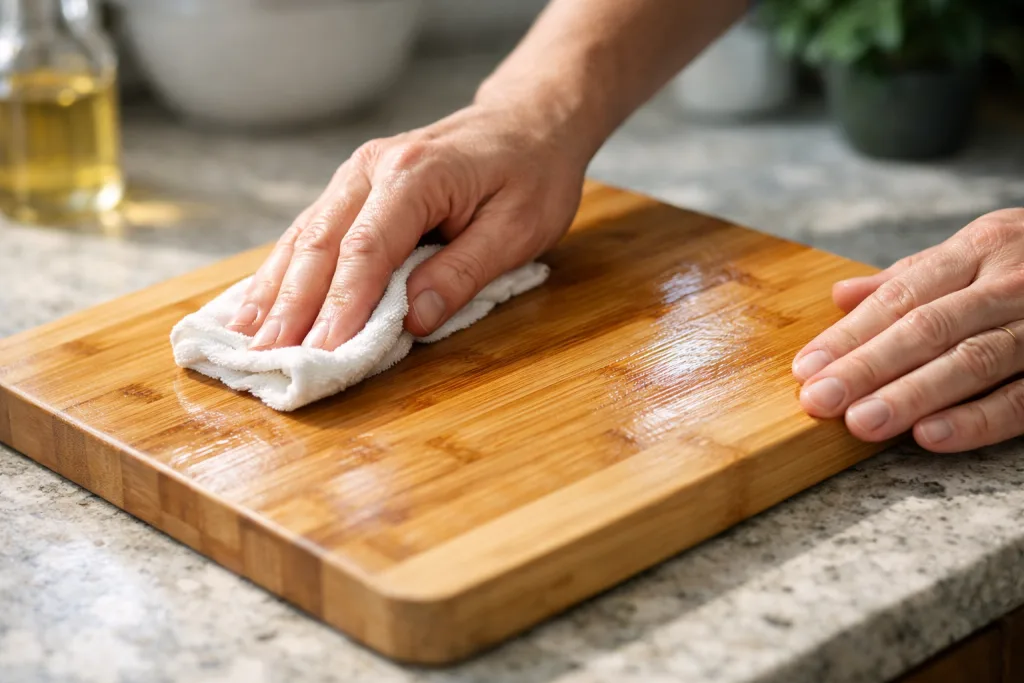
Why bother oiling? Bamboo is tough, but with regular use, it’s exposed to water, soap, food acids, and knife marks—all of which can dry it out or encourage bacteria in micro-cracks. Proper oiling:
- Seals out moisture and food particles
- Reduces warping, splitting, and absorption of odors
- Makes cleaning easier
- Extends the board’s lifespan
Materials Needed
- Bamboo cutting board
- Food-grade mineral oil (preferred), or specialized board oil/wax
- Clean, lint-free cloth or strong paper towel
- Mild dish soap
- Warm water
- Optional: Board cream containing beeswax (for extra protection)
Choosing the Right Oil for Bamboo Boards
Always choose a food-safe, non-hardening oil. Popular options include mineral oil, fractionated coconut oil, or proprietary board oils. Avoid olive, vegetable, or nut oils as they can go rancid over time. For a deeper finish, a board cream with added wax offers more water resistance.
Step 1: Clean and Dry the Board
Before oiling, wash your bamboo cutting board with mild soap and lukewarm water. Scrub both sides, as uneven washing can cause warping. Never soak or place it in a dishwasher—quick rinsing is key. Pat dry with a towel and stand it on edge in a well-ventilated spot until completely dry, which often takes several hours.
Step 2: Apply the Oil
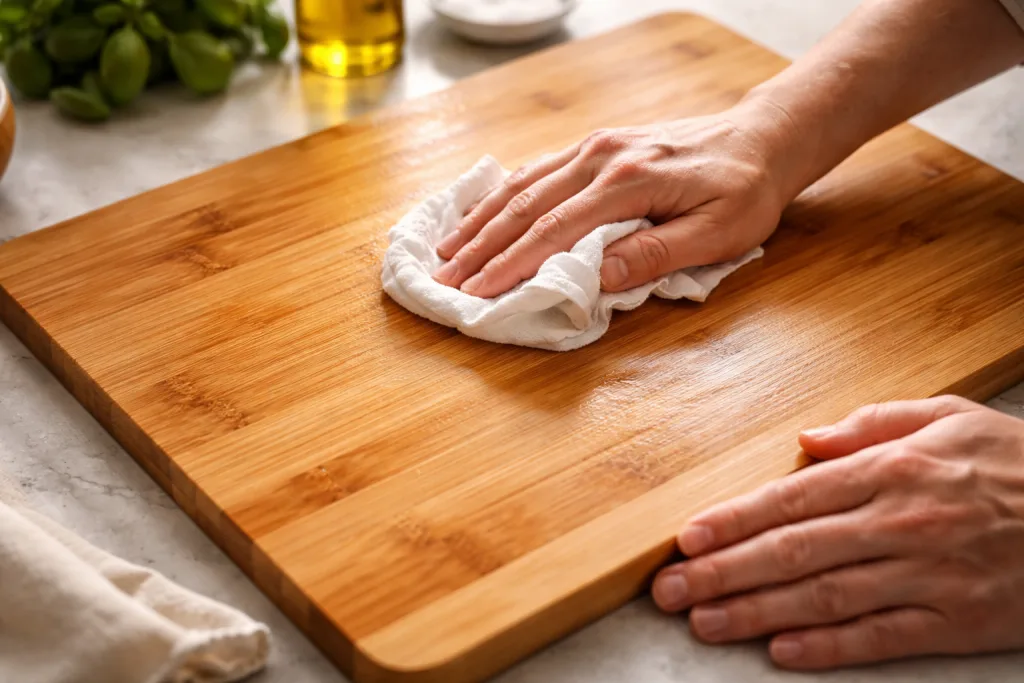
Pour a small puddle of food-grade mineral oil onto the board—usually a tablespoon for a medium board. Using a soft, lint-free cloth, rub the oil in circular motions across the entire surface, paying attention to corners and juice grooves. Always follow the wood grain direction for even absorption.
How Much Oil Is Enough?
The first oiling may require more oil, especially if the board looks dry or new. Apply until the surface looks evenly moist, but never puddles or drips. The goal is to saturate, not swamp, the bamboo’s surface.
Step 3: Allow the Board to Soak
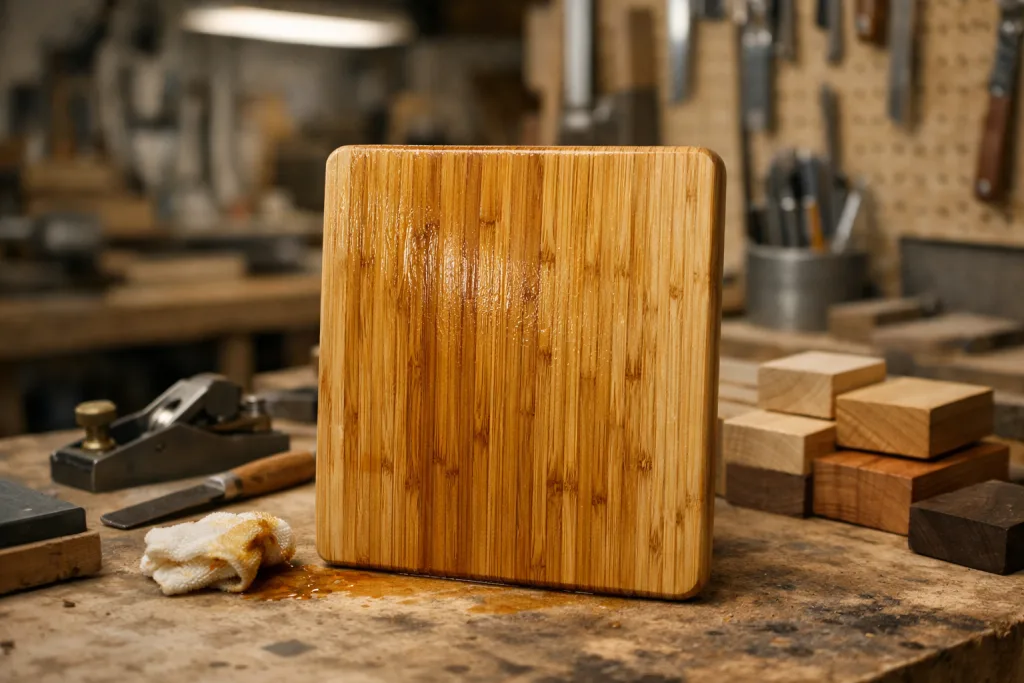
Letting the board rest is crucial for deep absorption. Prop the board upright (vertical position is best to avoid dust), and allow it to soak for several hours, or if possible, overnight. This lets the oil migrate into bamboo’s fibers, filling natural pores and cracks.
Step 4: Wipe off Excess Oil
After soaking, use a clean, dry cloth to gently buff away any oil still on the surface. The board should feel smooth, not greasy. Excess oil left behind can feel sticky and attract dust or lint.
Optional: Buffing with Board Cream
For elevated board care, finish with a food-safe board cream (oil mixed with beeswax or carnauba wax). Rub a light coat onto the surface, let sit for 10–15 minutes, then buff to a soft sheen. This helps seal in the oil and enhances water resistance—an extra trick for commercial kitchens or humid climates.
How Often Should You Oil Your Bamboo Cutting Board?
Oiling frequency depends on use and climate. In general, re-apply oil every 3–4 weeks, or when the surface appears dry or dull. More frequent oiling may be needed if you handwash often or use the board daily. For seasonal users, oil at least before and after long storage.
Signs Your Bamboo Board Needs Oiling
- Color appears faded or uneven
- Surface feels rough, dry, or splintery
- Water no longer beads on the surface
- Minor cracking visible along edges
Common Mistakes to Avoid in Board Oiling
- Using vegetable or olive oil—they can spoil, turning your board tacky and rancid
- Skipping the drying stage—oiling a wet board seals in moisture, escalating warping risks
- Applying too little oil—leaves bamboo fibers exposed
- Not wiping excess oil—leaves a sticky finish
What Makes Bamboo Different from Hardwood Boards?
Bamboo is technically a grass, not a tree; its fibers run in dense, interlocking patterns and are glued together to create cutting boards. This structure means it absorbs less oil than end-grain hardwood, but still relies on regular conditioning for best performance.
Bamboo Wood Art Insights: Manufacturing Practices for Durability
At Bamboo Wood Art, we pay special attention to bamboo’s natural moisture content, kiln-drying boards before assembly to prevent warping and splitting down the line. Our craftspeople use vertical grain lamination and food-safe adhesives, ensuring that the finished board is resilient and accepts board oil more evenly. For buyers, choosing a well-crafted board from the start makes ongoing care simpler and more effective.
Board Oiling for Commercial & High-Use Environments
In restaurants, hotels, or shared kitchens, boards undergo heavy daily use and frequent washing. Increase oiling frequency and consider a wax finish for extra water protection. Always keep backup boards oiled and ready in rotation to minimize downtime. For industry solutions and bulk needs, see industry solutions for hotels, cafés, and corporate gifts.
Can You Over-Oil a Bamboo Cutting Board?
Surprisingly, yes. If the surface can’t absorb more, excess oil can feel sticky. Stick to oiling when the board looks or feels dry; otherwise, wipe within 5–10 minutes after application if not soaking in.
Dealing with Dry, Cracked, or Neglected Boards
If your board shows cracks or feels parched, repeat the oiling and soaking steps two or three times over consecutive days. Severely cracked surfaces may need light sanding before oiling—use a fine-grit sandpaper, always sanding with the grain, then clean and re-oil.
Are There Food-Safe Alternatives to Mineral Oil?
Yes, but always confirm their safety. Fractionated (liquid) coconut oil is shelf-stable and excellent if you avoid mineral oil. Beeswax-based products work well for sealing. For more on food-safe finishes, read Food-Safe Finishes for Wood Explained.
Oiling Bamboo Boards with Juice Grooves, Handles or Non-Slip Feet
Pay special attention to juice grooves and cutout handles—apply oil thoroughly with a cloth or Q-tip to prevent hidden cracks. Avoid oil buildup underneath rubber feet, which can loosen adhesives.
Cleaning and Oiling in Humid or Dry Climates
If you live in a dry climate, oil more often, as moisture evaporates fast. In humidity, ensure boards dry fully before oiling to avoid mold or mildew. For stubborn stains or odors, let the board sit in open air before conditioning again.
Maintaining Bamboo Boards After Heavy Use
Chopping turmeric, onions, or using the board for meat can lead to stains and lingering aromas. Wash with lemon and salt, rinse, fully dry, then oil as described. Don’t skip oiling—scratches in the finish can be entry points for stains or bacteria. For a photo guide to wood grain and finish restoration, see Photo Guide: Showing Wood Grain and Finish.
Maintenance Tips
- Oil your bamboo cutting board once a month (or when it appears dry)
- Never soak in water or wash in the dishwasher
- Store vertically or in a well-ventilated spot to prevent warping or cracking
- Rotate sides during oiling for uniform wear
- For professional kitchens, create an oiling log to track care cycles
Troubleshooting: Warping, Cupping, and Cracks
Warping is nearly always from uneven moisture. Oil both sides and let dry upright. For cupping, place the convex side down with a damp towel underneath for a few hours. Regular oiling keeps these issues at bay. Learn about anti-crack design advances in bamboo boards with Anti-Crack Design for Bamboo Boards.
Storage Guidelines for Oiled Bamboo Boards
Always store boards upright and in a dry, well-ventilated spot. Never keep them against a damp backsplash or leave flat on wet surfaces after oiling. Store away from heated appliances, as direct heat increases drying and shrinking.
How to Oil a Bamboo Cutting Board: A Step-by-Step Guide
Summing up, here’s the precise routine:
- Clean with mild soap and water, dry fully
- Apply food-grade oil generously, spread evenly
- Let soak several hours or overnight upright
- Buff off any remaining oil with a clean cloth
- Repeat monthly or as needed
Conclusion: Unlocking the Longevity of Your Bamboo Board
Regular oiling is the not-so-secret ingredient in maintaining the beauty, safety, and lifespan of your bamboo cutting board. With a simple monthly routine, you’ll reduce the risk of warping, splinters, and odors, ensuring that every meal starts from a pristine prep surface. Value your board—invest ten minutes now and enjoy many years of effortless chopping, dicing, and serving on a surface that supports both flavor and food safety.
Frequently Asked Questions
How often should I oil my bamboo cutting board?
Most users should oil their bamboo board every 3–4 weeks, or whenever the wood appears dry, faded, or begins absorbing water quickly.
What kind of oil is safe for bamboo cutting boards?
Use food-grade mineral oil, fractionated coconut oil, or a proprietary food-safe board oil or wax. Always avoid olive or vegetable oils, which can spoil and go rancid.
Can I use the board right after oiling?
It’s best to let the oil soak for at least several hours or overnight, then buff well before using. Using it immediately after oiling may leave an oily residue on food.
What if my board has deep cracks or is severely dry?
Repeat the oiling and soaking process over several consecutive days. Sand out rough spots if needed, then continue with regular oiling to restore integrity.
Why is my board warping or cupping?
This commonly results from uneven moisture exposure or insufficient oiling. Oil both sides and store upright in a dry spot to correct and prevent future warping.
Is there an alternative to mineral oil for eco-conscious users?
Yes, use fractionated coconut oil, non-GMO flaxseed oil, or a beeswax-based board conditioner. Just confirm “food safe” on any product before applying.