Introduction: The Environmental Impact of Kitchens
Every time we cook, clean, and store food, the kitchen leaves a mark on our planet’s health. The average household kitchen creates a surprising amount of carbon emissions through energy use, food waste, water consumption, packaging, and the types of products we use daily. From running appliances to choosing plastic containers and disposable items, the kitchen’s carbon footprint can quietly add up over time.
Common kitchen-related emissions include electricity for ovens and refrigerators, methane from food decay in landfills, as well as emissions created during the manufacturing, transportation, and eventual disposal of cookware, utensils, and packaging. As climate awareness grows, many seek ways to reduce kitchen emissions—and that’s where bamboo products make a meaningful difference.
Why Bamboo? Eco-Friendly Advantages
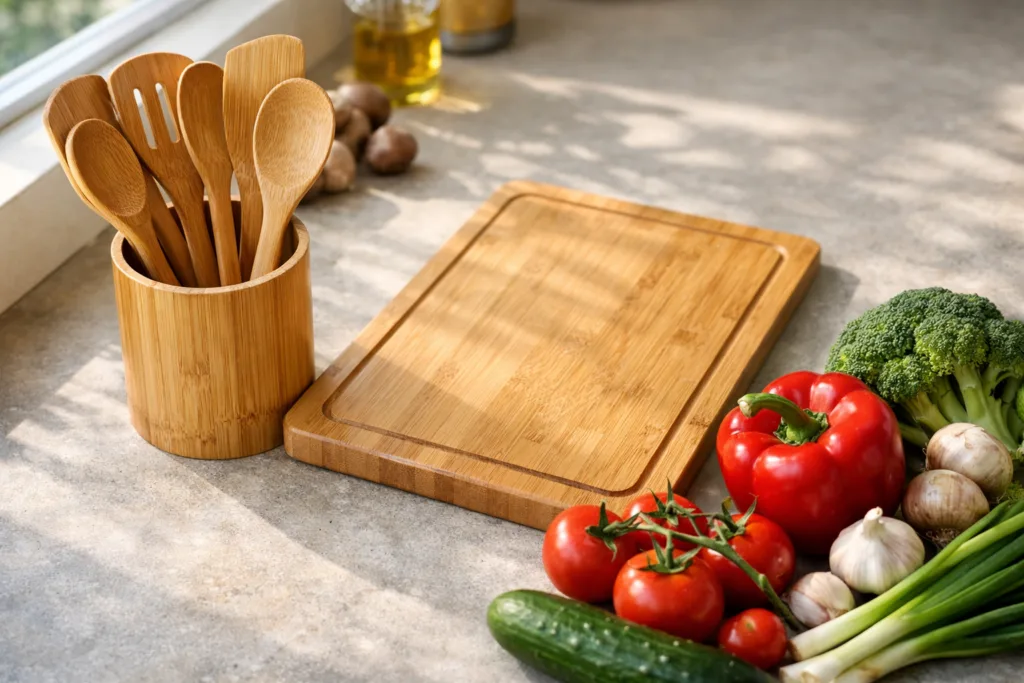
Bamboo stands out as one of the world’s most sustainable resources, making an excellent material for a greener kitchen. Unlike hardwood trees that can take decades to mature, bamboo can reach full height in just a few years. This swift regeneration reduces pressure on forests and helps stabilize soil. When compared to metals and plastics, bamboo requires less intensive industrial processing and emits fewer greenhouse gases from harvest to fabrication.
Bamboo kitchenware is fully biodegradable when untreated, ensuring it won’t linger in landfills for centuries like plastic utensils or synthetic sponges. It also naturally resists mold and bacteria, providing lasting kitchen hygiene. For comparison:
| Material | Renewable? | Biodegradable? | Manufacturing Emissions |
|---|---|---|---|
| Bamboo | Yes | Yes | Low |
| Plastic | No | No | High |
| Metal | Limited | No | Medium/High |
| Hardwood | Slowly | Yes | Medium |
Choosing bamboo for kitchen gear means selecting a planet-friendly alternative to mainstream options, supporting both immediate carbon reductions and the long-term health of our environment.
As a dedicated manufacturer of bamboo kitchenware, we offer custom options tailored to your sustainability goals.
Types of Bamboo Kitchen Products
The variety of bamboo kitchen products available today makes it easy to switch from carbon-heavy materials to greener choices without sacrificing performance or style.
Bamboo Utensils: Spoons, Spatulas, and Chopsticks
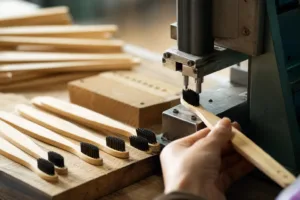
Bamboo spoons, spatulas, and chopsticks are lightweight, heat-resistant, and gentle on cookware. Their smooth, durable finish means fewer replacements over time, unlike plastic utensils, which often degrade or leach chemicals with repeated use. For those interested in both sustainability and food safety, bamboo chopsticks and utensils ensure a minimal environmental toll from production to end-of-life.
Bamboo Cutting Boards
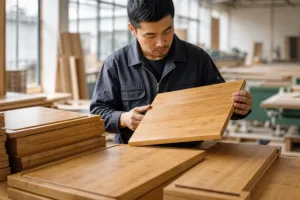
Cutting boards made from bamboo offer a naturally antimicrobial surface that is less prone to retaining food odors or bacteria. When compared to traditional hardwood boards, bamboo versions are lighter, less likely to warp, and sourced from rapidly renewable plantations. For more on shelf life and care, discover the pros and cons of bamboo vs. other materials.
Containers and Organizers
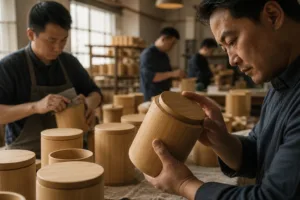
Swap out plastic storage boxes for bamboo containers, jars, and drawer organizers. Bamboo is ideal for dry storage, keeps spices fresh, and visually elevates a kitchen’s interior with its timeless natural look. Modular bamboo basket sets are great for pantry or countertop use, reducing the temptation to buy disposable containers.
Replacements for Single-Use Kitchen Items
Single-use kitchen items like plastic cutlery, paper plates, and disposable napkins are major contributors to carbon emissions. Bamboo provides strong and attractive alternatives: reusable plates, serving trays, straws, and napkin holders. These options are long-lasting and can be composted at the end of their useful life, closing the sustainability loop.
Reducing Carbon Footprint: Practical Steps
Lowering your kitchen’s carbon footprint through bamboo isn’t just about swapping out old tools—it’s about choosing sustainable habits and making lasting changes.
Start with High-Impact Swaps
Tackle the biggest sources of kitchen waste first. Replace plastic cutting boards with bamboo alternatives, use wooden or bamboo utensils, and stock up on bamboo-based cleaning tools. A full kitchen overhaul isn’t required—every small change helps. Try our guide on organizing your spice drawer with bamboo jars for a simple starter project.

Choose Durable and Long-Lasting Products
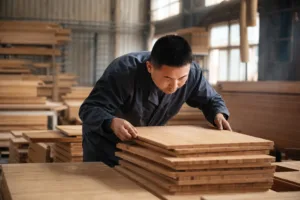
When selecting bamboo kitchenware, check for solid construction and smooth finishes. Products with vertical grain orientation tend to resist splitting and warping. According to Rain Chen from Bamboo Wood Art, careful kiln drying and food-safe adhesives are essential factors—they directly affect a bamboo item’s lifespan and carbon savings. Skilled manufacturers select bamboo at the right age and grain for maximum durability—a detail worth considering when sourcing.
Proper Care and Maintenance
Extending the lifetime of your bamboo products magnifies their carbon-saving impact. Always hand wash bamboo items, avoid soaking, and apply a thin coat of food-safe oil to cutting boards and utensils every few months. For best results, see our step-by-step suggestions for oiling a bamboo cutting board.
Case Study: Kitchen Transformation with Bamboo
Consider the example of a medium-sized family household determined to reduce their kitchen’s carbon emissions. By switching their most-used items—cutting boards, utensils, storage containers, and dish-drying racks—from plastic and metal to responsibly made bamboo, they saw a noticeable reduction in landfill-bound waste. Over one year, their trash output shrank by an estimated 40 kilograms, largely due to eliminating single-use and early-failing items.
They also tracked food freshness, noticing that bamboo containers better regulated humidity around bulk spices and grains, minimizing spoilage and further reducing their food-related carbon emissions. Qualitatively, the family appreciated the consistency and aesthetic appeal of their kitchen setup, finding it easier to keep organized and clean, which encouraged more home cooking and less takeout waste.
Reducing Kitchen Carbon Footprint with Bamboo Products
Combining careful product selection, conscious usage, and consistent maintenance creates compounded sustainability gains in the kitchen. Swapping to bamboo doesn’t mean compromising on quality—it’s about aligning routine choices with a bigger environmental vision.
Kitchen sustainability is a journey, not a destination. Whether you’re focused on a zero-waste lifestyle or simple improvements, bamboo products can meaningfully shrink your kitchen’s carbon impact over time. Think beyond utensils: from bread baskets and drawer organizers to serving trays and kids’ chopsticks, every bamboo tool stands for another step away from carbon-intensive traditions.
Conclusion: Sustainable Choices for a Greener Kitchen
Reducing your kitchen carbon footprint with bamboo products produces both visible and subtle benefits: less waste, cleaner air, resilient kitchen gear, and a legacy of conscious habits. While no single material is a complete solution, bamboo’s blend of renewability, durability, and compostability make it a practical pillar for sustainable kitchens everywhere. As more families, chefs, and businesses embrace these changes, a net-positive environmental impact is within reach—one kitchen at a time.
Frequently Asked Questions
Are bamboo kitchen products really better for the environment?
Yes. Bamboo kitchenware uses rapidly renewable plants, reduces strain on forests, and is biodegradable, cutting landfill waste and production emissions compared to plastics and metals.
How long do bamboo kitchen utensils and boards last?
With proper care, bamboo utensils and cutting boards can last several years—often as long as or longer than plastic, and close to hardwood equivalents.
What’s the best way to clean and care for bamboo items?
Hand wash promptly, avoid extended soaking, and oil occasionally with a food-safe oil to prevent cracking and prolong their life.
Can bamboo kitchenware go in the dishwasher?
No. The high heat and prolonged soaking in dishwashers can cause bamboo to split or warp. Stick to gentle hand washing for best results.
Is all bamboo kitchenware equally eco-friendly?
Not always. Look for products made from mature bamboo, minimal adhesives, and no harsh chemical treatments. Certified sources provide added confidence in green claims.
What happens to bamboo kitchenware at end of life?
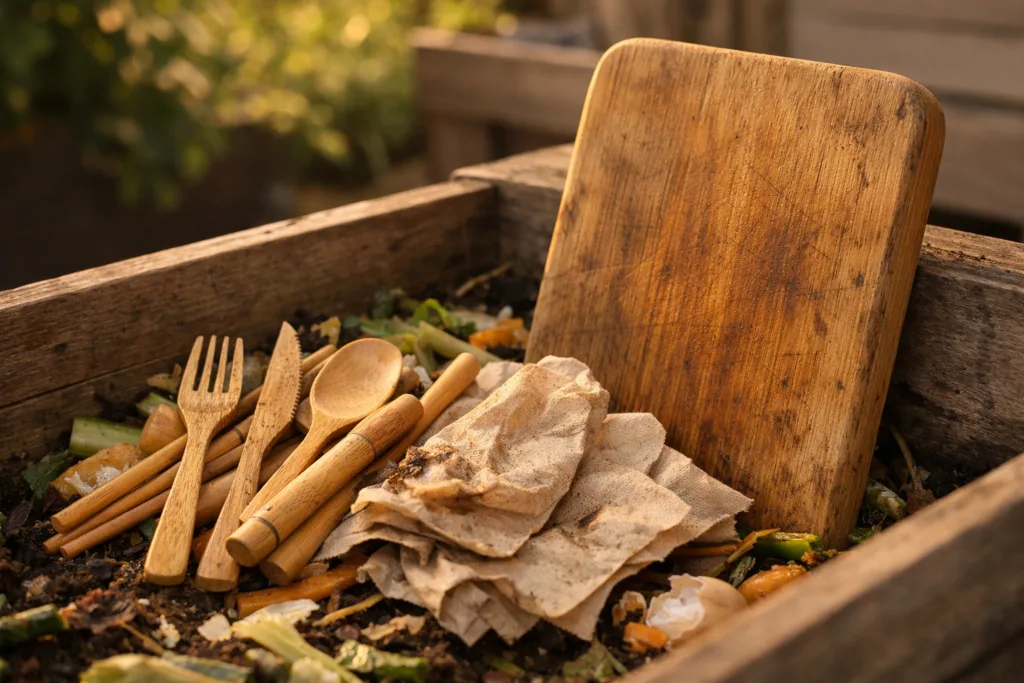
Untreated bamboo products can be composted or broken down naturally, unlike plastic or metal, minimizing landfill impact.