Introduction
Choosing the right comb is more than a daily detail—it can affect your scalp health, hair texture, and even environmental impact. When it comes to natural options, two names stand out: bamboo comb and neem wood comb. Both materials offer unique benefits, but which is best for your scalp? In this guide, we’ll break down their properties, practical uses, and help you decide based on real-world needs.
What is Bamboo and Neem Wood?
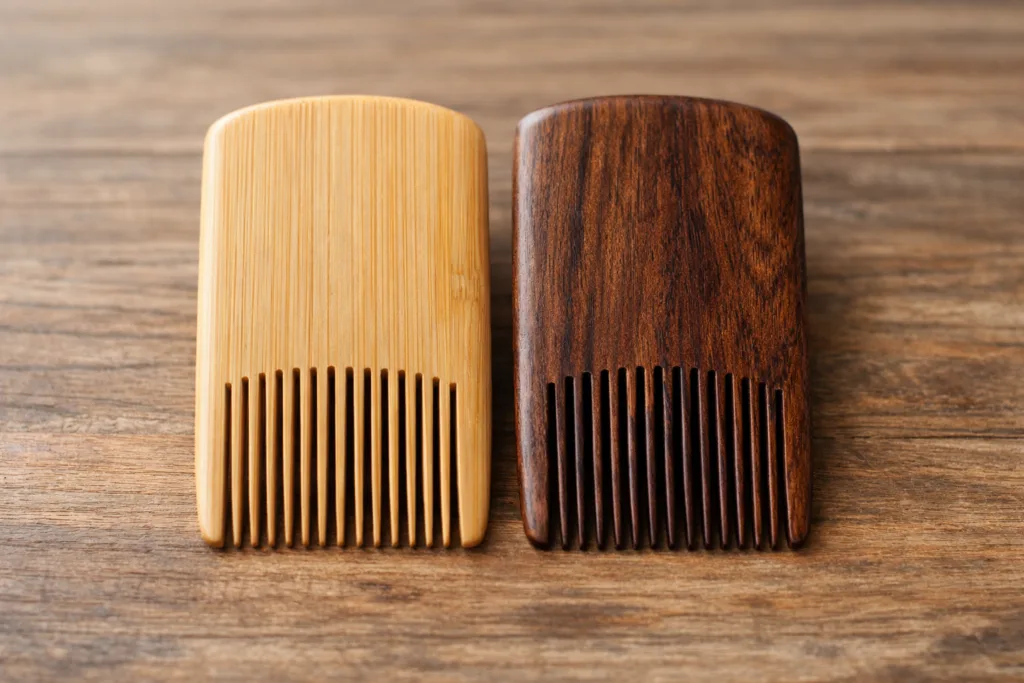
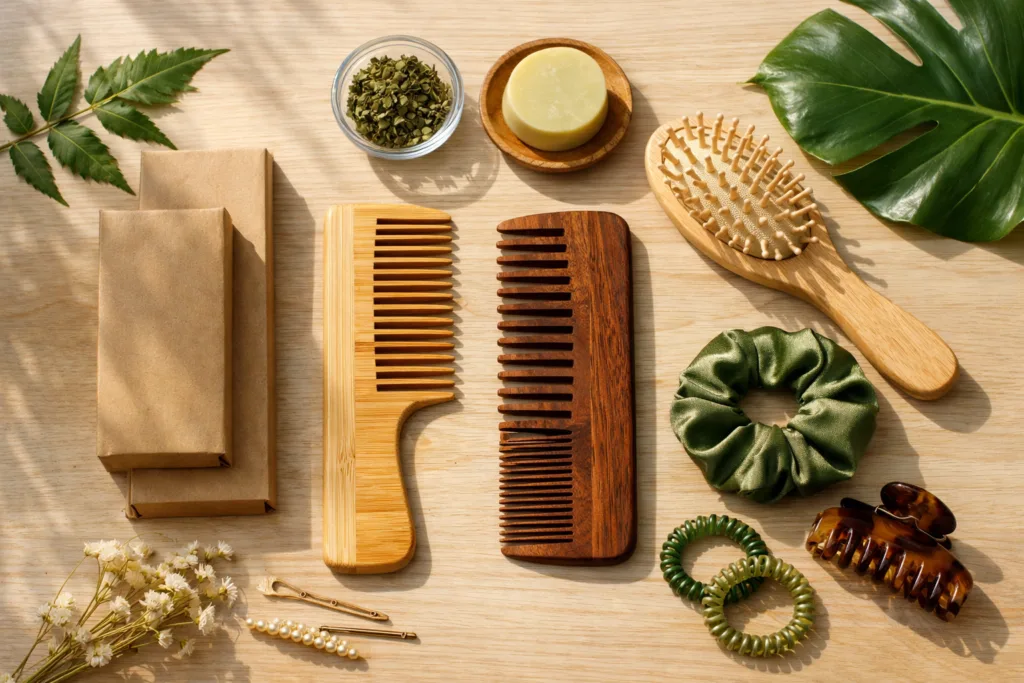
- Bamboo: Bamboo is a fast-growing, renewable plant used in many eco-friendly products, including combs. It’s lightweight, durable, and its smooth finish makes it excellent for hair care tools. The sustainable nature of bamboo means its cultivation leaves a low carbon footprint, appealing to those seeking eco-conscious hair accessories.
- Neem Wood: Neem wood is sourced from the neem tree, revered in traditional medicine for centuries. The wood contains natural oils and compounds known to have antibacterial and antifungal properties. Historically, neem has been used for health remedies and in personal care tools, giving neem combs medicinal value beyond basic grooming.
If you’re seeking combs for retail or salon use, explore custom options from our wooden combs manufacturer for tailored solutions.
Benefits of Bamboo Combs
- Gentle on Scalp and Hair: Bamboo combs have rounded teeth which glide smoothly, minimizing tugging and breakage. This makes them ideal for children and sensitive scalps.
- Helps Reduce Static and Frizz: Unlike plastic combs, bamboo is a neutral, non-conductive material. Using bamboo combs can lead to less static buildup and frizz, especially in dry climates.
- Eco-Friendly and Biodegradable: Bamboo combs are fully biodegradable. As a sustainable material, bamboo is harvested without harming the environment and regrows rapidly.
Benefits of Neem Wood Combs
- Antibacterial and Antifungal Properties: Neem wood retains active compounds that resist bacteria and fungi, helping maintain scalp hygiene.
- Promotes Scalp Health: The natural oils in neem can soothe inflammation, reduce itching, and create a healthier environment for hair roots.
- Reduces Hair Fall and Dandruff: Regular use of neem wood combs is believed to reduce scalp flakiness and hair fall, thanks to its medicinal attributes.
Comparison: Bamboo vs. Neem Wood
| Feature | Bamboo Comb | Neem Wood Comb |
|---|---|---|
| Material Benefits | Sustainable, lightweight | Medicinal, traditional |
| Scalp Care | Reduces irritation | Fights microbes, boosts health |
| Maintenance | Easy to clean | Requires gentle care |
| Longevity | Durable, resistant to warping | May need periodic oiling |
| Eco Impact | Biodegradable, renewable | Requires careful sourcing |
| Hair Type Suitability | Great for thick, curly hair | Ideal for fine, flaky-prone scalps |
| Tradition & Use | Modern, minimalist style | Ayurvedic, holistic traditions |
Which Comb Is Best for Your Scalp?
Making the right choice depends on your needs and preferences. If you’re prone to scalp sensitivity, eczema, or frequent hair breakage, a bamboo comb’s gentle action could be most comfortable. For those concerned about dandruff, scalp infections, or excessive hair fall, neem wood combs provide a medicinal edge. However, individuals with allergies to neem should be cautious. Also, consider your values—if sustainability and minimalism matter most, bamboo is hard to beat. For wellness enthusiasts seeking Ayurvedic benefits, neem wood remains unmatched. Ultimately, test each type or consult your stylist for advice tailored to your hair type and scalp condition.
Bamboo vs. Neem Wood Combs: Which is Best for Scalp?
Both bamboo and neem wood combs have earned respect for scalp care. Bamboo’s smooth texture suits everyday styling, while neem wood’s medicinal properties target health concerns like dandruff and infections. If you’re looking for a sustainable, long-lasting comb, bamboo might be better for daily use and those sensitive to rough textures. But for deeper scalp therapy and maintenance, neem wood combs excel—especially when used regularly as part of a hair wellness routine. Weigh your priorities: does ease of maintenance or holistic care matter more? That answer will lead to your ideal comb.
Caring for Your Wooden Comb
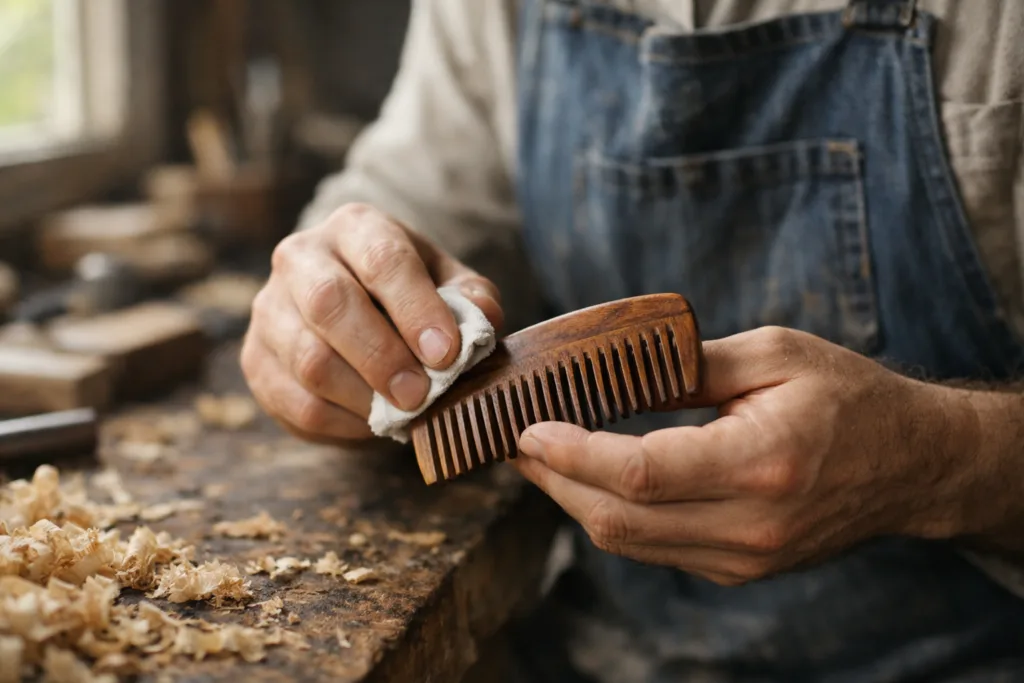
Proper maintenance maximizes the life and benefits of your comb. Clean bamboo combs regularly, using warm water and a gentle soap. For neem wood combs, wipe with a damp cloth and, occasionally, a drop of oil to preserve its natural finish. Avoid soaking neem combs or exposing them to excessive heat, which could degrade their medicinal compounds. Both types should be stored in dry, cool areas. For more tips on wooden comb maintenance and hair care, see our guide to benefits of wooden combs.
The Environmental Impact of Comb Materials
Bamboo is counted as one of the world’s greenest materials. Its rapid growth and renewability make it ideal for eco-conscious consumers. Neem wood, while also natural, requires careful sourcing to avoid overharvesting and ecological strain. Responsible manufacturers, like Bamboo Wood Art, ensure only mature, properly treated bamboo and neem wood are used—minimizing waste and promoting longevity. If you care deeply about your product’s sustainability footprint, bamboo combs maintain an edge here.
How Product Design Affects Use
Beyond material, comb shape and craftsmanship matter. Bamboo combs can be made with different grain orientations—vertical or horizontal—affecting strength and flexibility. (For a deeper look, see vertical vs. horizontal bamboo grain.) Neem combs often feature handcrafted detailing, adding a traditional touch but sometimes making them more delicate. If you travel frequently or use your comb in various climates, consider a travel-ready wooden comb with a protective case for durability.
Conclusion
In summary, both bamboo and neem wood combs present excellent choices for scalp health. Bamboo offers sustainability, durability, and gentleness for varied hair types, while neem wood delivers medicinal scalp care and traditional value. When deciding, weigh your specific needs, values, and the level of care your scalp requires. Take practical maintenance tips into account, and be mindful of product sourcing for both environmental and personal health reasons. Whichever comb you select, prioritizing natural materials is a smart step for your hair—and the planet.
Frequently Asked Questions
Can both bamboo and neem wood combs help reduce hair breakage?
Yes, both comb types have smooth, rounded teeth that minimize snagging and hair breakage, supporting overall scalp health.
Are neem wood combs safe for sensitive skin?
Neem wood combs are naturally antibacterial, but people with neem allergies should avoid them or consult with a dermatologist before use.
How often should I clean a bamboo or neem wood comb?
Clean bamboo combs weekly with mild soap; neem wood combs should be wiped down and occasionally oiled but not soaked.
Will either comb help with dandruff?
Neem wood combs may help reduce dandruff due to their antifungal properties, while bamboo combs promote gentle scalp stimulation.
Are these combs suitable for all hair types?
Yes, both combs work for most hair types, but bamboo combs suit thicker hair and neem wood combs are ideal for fine, sensitive scalps.
Can I use hair oils with wooden combs?
Yes, using hair oils with bamboo or neem wood combs is safe and can enhance scalp massage and absorption of beneficial compounds.