Introduction
Bamboo is quickly gaining recognition as a versatile, eco-friendly solution for kitchens worldwide. From robust cutting boards to elegant utensils, bamboo products are increasingly favored by chefs and home cooks for their durability, sustainability, and aesthetic appeal. In this article, we’ll examine The Lifecycle of a Bamboo Product: From Forest to Kitchen, breaking down each step in the journey—while highlighting why bamboo makes such an invaluable material for those seeking greener living.
Bamboo Growth and Harvesting

Bamboo forests are unique in the plant kingdom. Unlike hardwood trees, bamboo is a grass that can grow up to a meter a day under the right conditions. This rapid growth makes bamboo one of the most renewable resources on the planet. In managed forests, mature stalks (culms) are selectively harvested every 3–5 years, allowing younger shoots to thrive without damaging the ecosystem.
- Bamboo forests promote biodiversity, stabilize soil, and absorb significant carbon dioxide.
- Sustainable harvesting involves hand-cutting mature canes, leaving roots and older shoots to regenerate.
- No chemicals or pesticides are typically required, as bamboo is naturally resistant to many pests.
Responsible growers ensure harvesting never exceeds what the forest can reproduce, maintaining ecological balance and resource availability for the future.
As a dedicated bamboo products manufacturer, we offer custom sizes, branding, and eco-certifications to fit your bulk kitchenware needs. Explore our bamboo products manufacturer options for tailored solutions!
Processing Bamboo into Usable Material
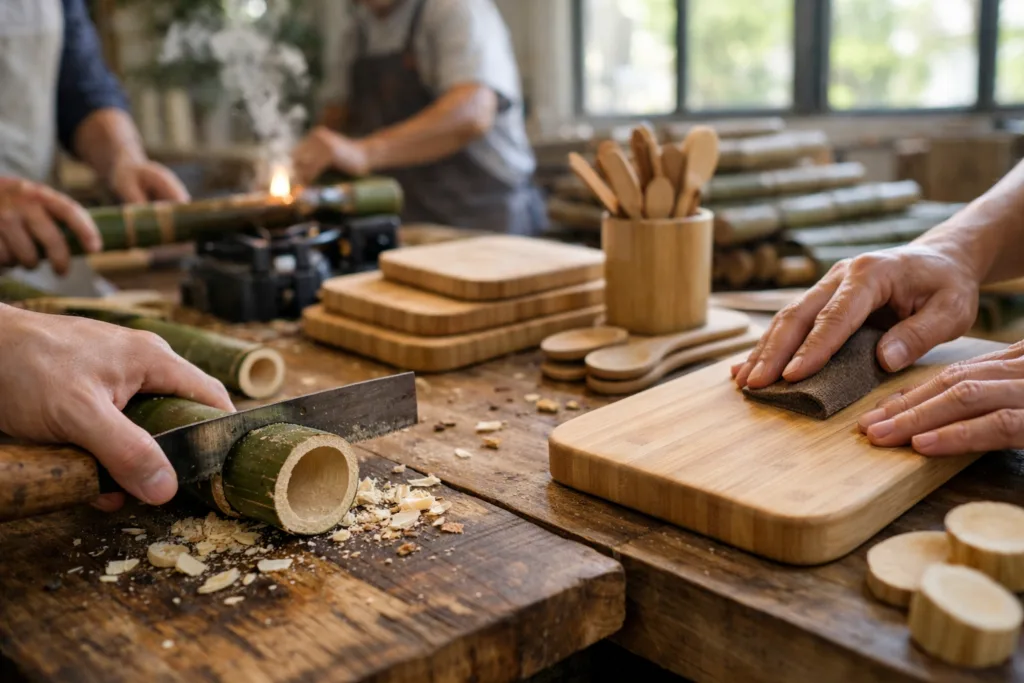
After harvesting, bamboo goes through several steps to transform from raw stalks into workable material. First, the culms are cleaned thoroughly to remove dirt, insects, and outer sheaths. Cleaning is often done with water and simple brushing—no harsh chemicals necessary. Next, the bamboo is cut into strips or blocks, depending on the intended end use. Key processes include:
- Curing and drying: Fresh bamboo contains 50–60% moisture. Air-drying or kiln-drying reduces this to 10–12%, preventing cracks and mold during production.
- Boiling or steaming: Sometimes used to sanitize and remove starch that could attract pests.
- Carbonization: Some bamboo is exposed to high heat and pressure, which darkens the color and adds water-resistant qualities—ideal for kitchenware.
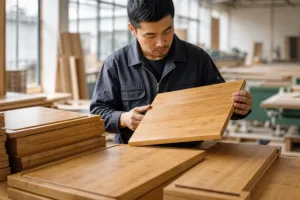
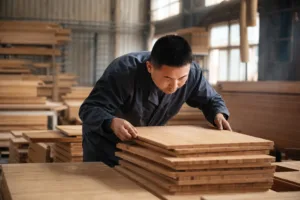
- Lamination: Thin bamboo layers are glued together with food-safe adhesives, forming solid boards for cutting surfaces or utensils.
Experienced manufacturers, such as Bamboo Wood Art, select bamboo aged 4–6 years for optimal hardness and minimize splitting by precise drying cycles. These measures ensure a sturdy, long-lasting material with minimal environmental impact.
Manufacturing Bamboo Products
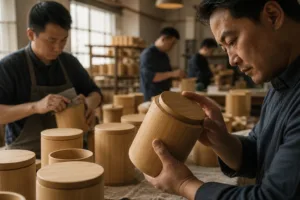
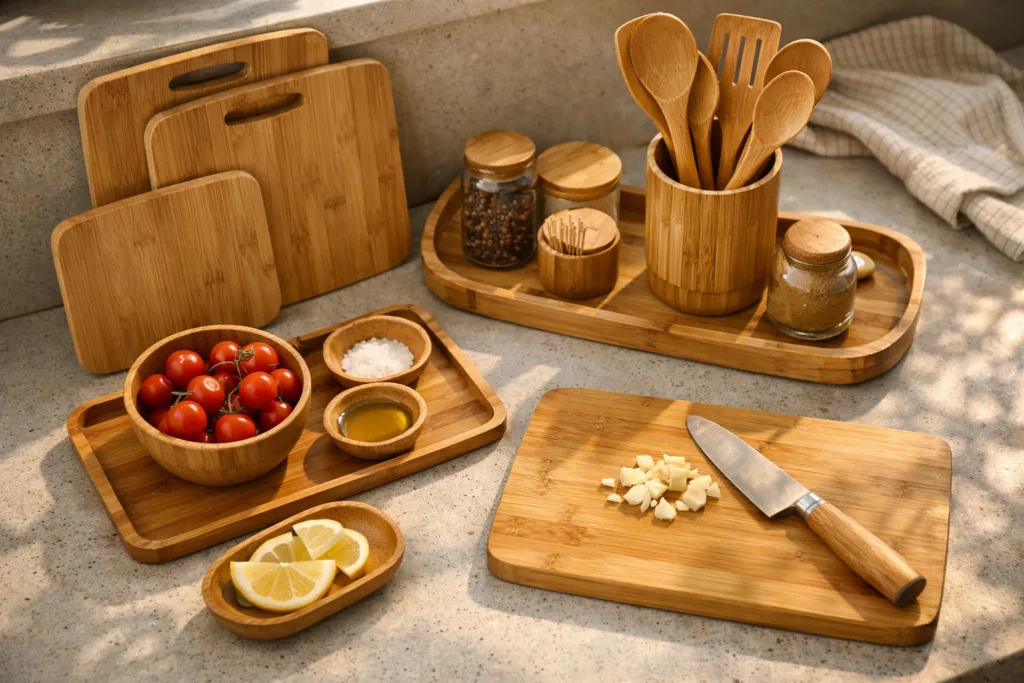
The preparation of bamboo sets the stage for the creation of beautiful, functional products. Manufacturers employ eco-friendly techniques to reduce waste and energy use. Sawdust and offcuts are often repurposed for smaller products or even as fuel for local energy generation. Popular bamboo kitchen products include:
- Cutting boards and carving blocks
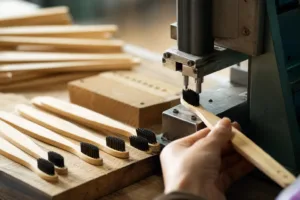
- Cooking utensils like spatulas, spoons, and tongs
- Bamboo steamers for healthy food preparation
- Serving trays, bowls, and organizers
Innovations in CNC machining, laser engraving, and custom mold forming allow for a wide range of shapes, sizes, and personal branding. Many products comply with FDA food safety guidelines and use only non-toxic adhesives and finishes.
Eco-Friendly Production Methods
- Solar-powered factories and water recycling loops minimize resource use.
- Manual finishing steps, such as hand sanding, showcase craftsmanship while cutting down on emissions.
- Biodegradable or recyclable packaging supports the sustainability mission from start to finish.
Quality Assurance
Prior to shipping, each product undergoes strict inspection for splinters, warping, or glue residue. Ensuring surfaces are smooth and free of defects is critical for kitchen safety—and customer satisfaction.
Transportation and Distribution
Once ready for market, bamboo products are shipped both locally and globally. Manufacturers typically favor sea freight to lower the carbon footprint, though air freight is used for urgent or sample orders.
- Bulk packaging techniques protect items while reducing single-use plastic.
- Tracking systems and 3rd-party certifications (like FSC or ISO) assure buyers of sustainability and ethical sourcing.
- Proper labeling highlights eco qualifications, such as “biodegradable” or “formaldehyde-free.”
Distributors and brands often seek private labeling or custom branding. Those starting a private label line can learn more about the process in our guide on private labeling with bamboo products.
Bamboo in the Kitchen: Use and Care
Bamboo kitchenware offers many advantages: it’s lightweight, strong, naturally antimicrobial, and gentle on non-stick cookware. When properly maintained, bamboo boards and utensils can last for years without losing their appeal.
Benefits of Bamboo Kitchenware
- Doesn’t dull kitchen knives and is less prone to cracking compared to wood.
- Resistant to stains and odors—excellent for cutting boards and serving platters.
- Easy to clean—handwash with mild soap and dry thoroughly.
Bamboo utensils are especially favored for their ability to protect non-stick pans, making them a staple in both home and professional kitchens.
Maintenance Tips for Longevity
- Handwash only; avoid soaking or using dishwashers, which can weaken the fibers.
- Regularly oil with food-safe mineral oil to maintain luster and prevent drying out.
- Store in a dry, well-ventilated place to discourage mold growth.
If your bamboo kitchenware ever develops a stain or water ring, check out our detailed steps for removing water rings from bamboo trays.
The Lifecycle of a Bamboo Product: From Forest to Kitchen
From lush, fast-growing forests to cutting-edge kitchens, the lifecycle of a bamboo product is a showcase of nature’s efficiency and human innovation. Each stage—growing, harvesting, processing, manufacturing, transporting, and daily use—contributes to a product that embodies sustainability and quality. For anyone striving for a greener lifestyle, bamboo kitchenware represents both an ethical and practical choice.
Conclusion
The lifecycle of a bamboo product, from forest to kitchen, tells a story of renewal, responsibility, and rewards. By understanding bamboo’s journey, we see how sustainable harvesting, mindful manufacturing, and proper care work together to produce eco-friendly kitchen essentials. Whether you’re a home chef or a business, choosing bamboo isn’t just a trend—it’s a commitment to sustainability for generations to come.
Frequently Asked Questions
How quickly does bamboo grow for kitchen products?
Bamboo can grow up to 91 cm (about 3 feet) per day in ideal conditions, making it one of the fastest-growing plants and highly renewable for kitchenware production.
Is bamboo kitchenware more eco-friendly than wood?
Yes, since bamboo regenerates faster than hardwood trees and requires no replanting or chemical fertilizers, it is generally considered the more sustainable choice for kitchen products.
Do bamboo cutting boards damage knives?
No, quality bamboo cutting boards are hard enough to resist cuts but gentle enough not to dull most kitchen knives, making them a safe and practical option for daily use.
How should I care for bamboo kitchen products?
Handwash with mild soap, dry thoroughly, and oil regularly with food-safe mineral oil. Never soak or put in the dishwasher to ensure maximum lifespan.
Are bamboo kitchen products safe for food contact?
When properly manufactured with food-safe adhesives and finishes, bamboo kitchenware meets stringent safety standards and is safe for direct food contact.
What certifications should I look for in ethical bamboo products?
Look for FSC (Forest Stewardship Council) or ISO certifications to guarantee sustainable sourcing and responsible manufacturing of bamboo kitchen items.