Introduction: Understanding Microplastics
Microplastics are tiny pieces of plastic, often smaller than five millimeters, that are polluting our world at an alarming rate. They come from the breakdown of larger plastic items, industrial waste, and even our household products and cosmetics. Because of their small size, microplastics easily spread through soil, waterways, and even the air we breathe.
Recent research shows that microplastics are present almost everywhere, including our drinking water and food supply. Their persistence, combined with possible toxic additives, make microplastics a growing concern for human health and the environment. By understanding how they enter our lives, we can take direct action to prevent this pollution.
The Problem with Conventional Plastics
Everyday plastic products—water bottles, packaging, utensils, and textiles—slowly break down over time, shedding fragments as they degrade. These microplastics end up in our soil, rivers, and oceans, cycling back into our food chains through fish, produce, and even table salt.
Unlike natural materials, plastics don’t biodegrade. Instead, they keep fragmenting indefinitely. Many single-use plastics and synthetic fibers also contain chemical additives, which can leach into water and food, raising concerns about long-term health impacts.
Why Wood & Bamboo?
- Natural biodegradability: Both wood and bamboo break down naturally, leaving no toxic residue behind—unlike plastics, which persist for hundreds of years.
- Minimal processing & chemical additives: High-quality wood and bamboo products are often crafted with simple treatments, avoiding the harsh chemicals found in many plastics.
- Renewable resources: Wood and bamboo grow from the earth, take up carbon as they mature, and are renewable when responsibly harvested. Plastics, on the other hand, are made from fossil fuels—a non-renewable source that’s increasingly under scrutiny.
Switching to wood and bamboo also means reducing our reliance on petroleum, lowering carbon emissions throughout the lifecycle of common goods.
Common Wood & Bamboo Alternatives
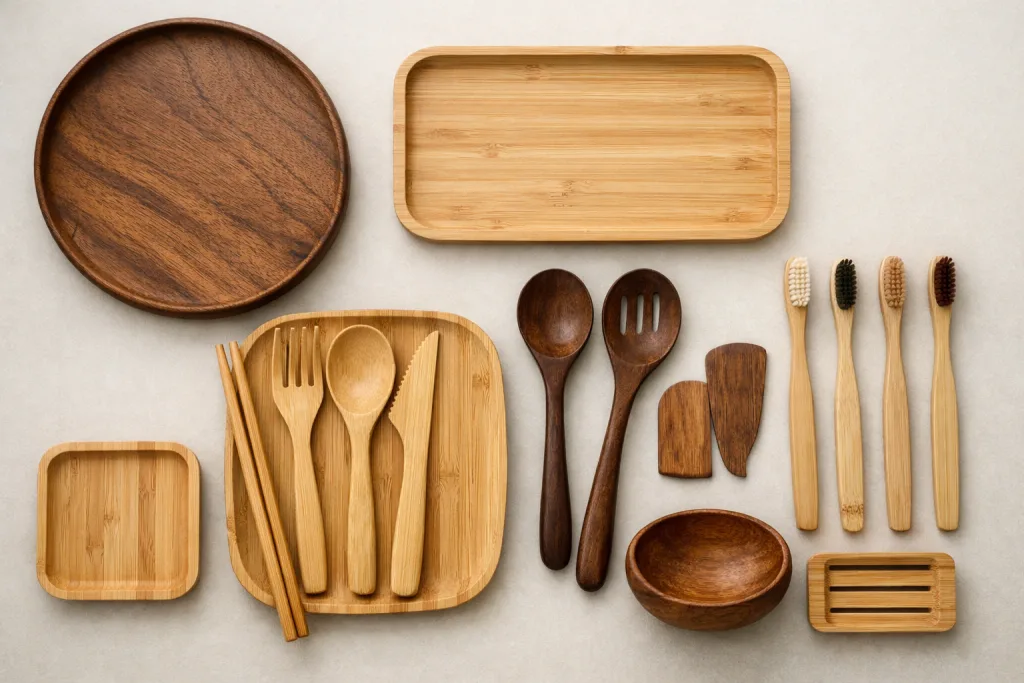
- Bamboo toothbrushes: A biodegradable swap for plastic toothbrushes, minimizing waste in landfills.
- Wooden cutlery and kitchenware: Spoons, forks, and knives crafted from sustainably harvested wood offer durability and food safety.
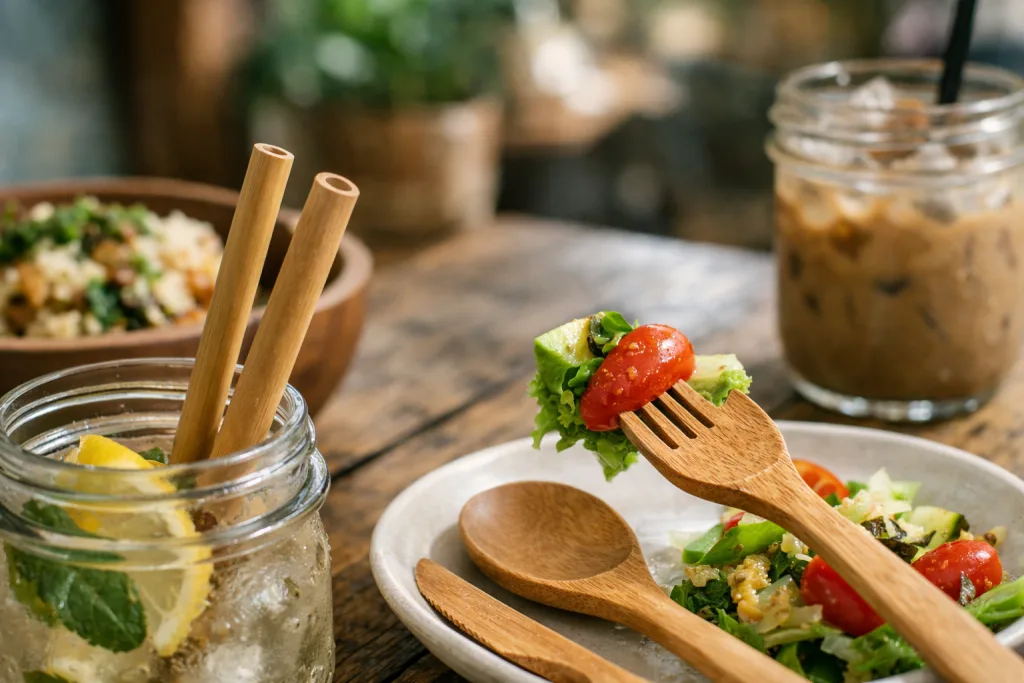
- Bamboo straws and cups: Compostable, strong, and reusable—ideal for cafés looking to move away from plastic disposables.
- Wood furniture and home goods: From shelves to beds, natural materials add style and longevity without hidden plastic content.
Environmental and Health Benefits
Making the switch to wood and bamboo brings several advantages:
- Reduced microplastic pollution: Natural materials do not shed synthetic fragments into the environment.
- Lower carbon footprint: Responsibly sourced bamboo grows quickly, absorbing CO2 and regenerating after harvest.
- Healthier indoor environments: Wood and bamboo items rarely contain endocrine-disrupting additives found in common plastics.
For example, custom bamboo and wood branding enables businesses to showcase eco-friendly values while protecting customers from harmful substances. When these alternatives reach their end of life, most can be composted or recycled to return to nature.
Challenges & Solutions
Making the switch isn’t always straightforward. Some common hurdles include higher upfront costs, uncertainty about sourcing, and availability of certified, food-safe products. To overcome these barriers, consider these solutions:
- Bulk purchasing and programs: Buying bamboo and wood goods in bulk can lower costs. Manufacturers now offer wholesale programs to make sustainable procurement easier.
- Responsible sourcing: Choose items certified by FSC or PEFC, and look for brands who explain their supply chain clearly (see responsible species sourcing).
- Product care knowledge: Learning how to treat, clean, and maintain wood and bamboo (such as proper oiling for cutting boards) ensures longer lifespan and safety.
- Industry support: Hotels and cafés, for example, are switching to natural amenities—see tips in our industry solutions guide.
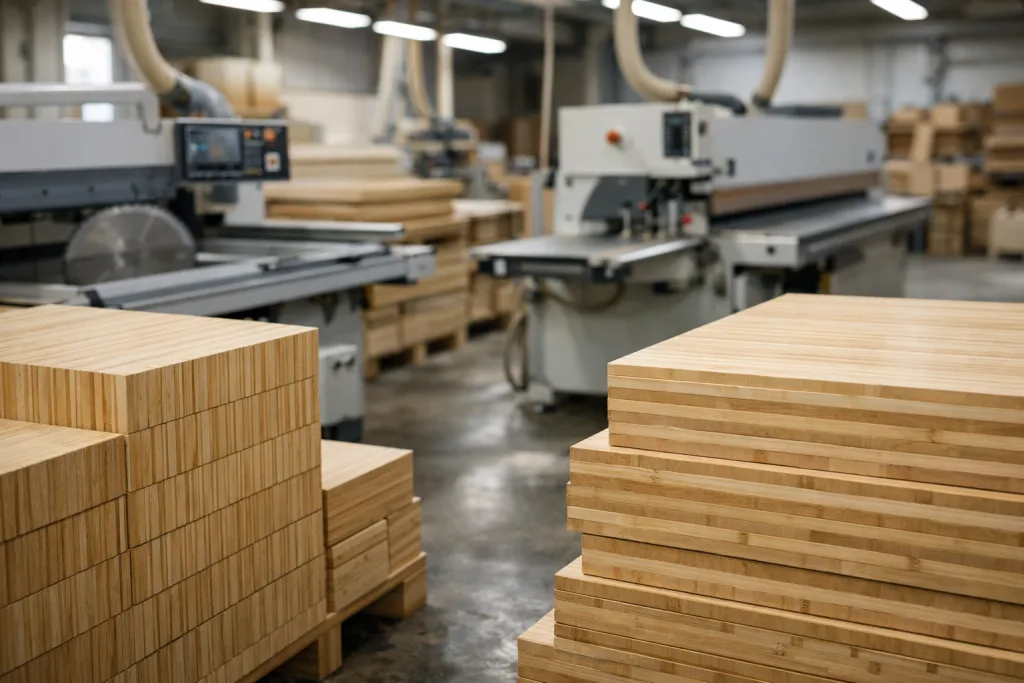
Practical experience in bamboo and wood manufacturing shows that selecting older, properly kiln-dried bamboo creates products less prone to warping or mold. Bamboo Wood Art crafts goods using vertical grain construction for added durability, supporting a long service life even in demanding hospitality settings.
Avoiding Microplastics: The Switch to Wood & Bamboo
Stepping away from plastic doesn’t mean sacrificing convenience or style. Today’s wood and bamboo alternatives match and often surpass the performance of plastic goods. From utensils to storage boxes, they naturally resist odors, stains, and moisture—without shedding microplastics over time.
Conclusion: Embracing the Switch
Choosing wood and bamboo products is a simple yet powerful way to reduce microplastics pollution. Whether in the home, office, or hospitality industry, these materials offer biodegradable, attractive, and practical solutions that align with a greener future. Every switch—from toothbrushes to dinnerware—brings us a step closer to cleaner oceans, healthier soils, and safer homes. The journey away from conventional plastics starts with each choice we make.
Frequently Asked Questions
How do microplastics get into drinking water?
Microplastics can seep into water sources from littered plastics, industrial wastewater, and household product runoff, eventually reaching drinking water supplies.
Are bamboo products always more sustainable than plastic ones?
Bamboo is renewable and biodegrades, but seek responsibly sourced and certified products to ensure true sustainability.
Do wood or bamboo utensils require special care?
Yes. Hand wash with mild soap and periodically oil with food-safe treatments to prevent cracking and extend life.
Can switching to wood and bamboo help with allergies?
Wood and bamboo are mostly hypoallergenic and free of many chemical additives, but always check finishes and adhesives used in manufacture.
Is bamboo strong enough for daily kitchen use?
Properly processed and kiln-dried bamboo is strong, resistant to warping, and excellent for everyday kitchenware.
What is the best way to identify food-safe wood products?
Look for certifications, clear labeling, and transparent supplier information so you can verify products meet food safety standards.