Introduction: The Role of Bamboo Soap Dishes in Hotel and Guest Bathroom Amenity Programs
For hotels investing in guest experience, every bathroom detail matters. The choice of a bamboo soap dish for hotels directly impacts amenity presentation, hygiene, and overall guest impression. Today, hospitality buyers and sourcing teams are discovering that well-designed bamboo soap dishes offer more than just eco-appeal—they contribute to operational ease, style cohesion, and brand value within guest bathroom amenity sets.
A useful next step is to review how manufacturers present this product type on Discover our range of bamboo soap dishes for hotels and guest amenities. This page provides hospitality buyers with a focused overview of product options, customization potential, and the production capabilities available for bamboo soap dishes tailored to hotel-specific requirements.
Key Differences: Hotel vs. Domestic Soap Dish Requirements
Functional and Aesthetic Expectations in Hospitality Environments
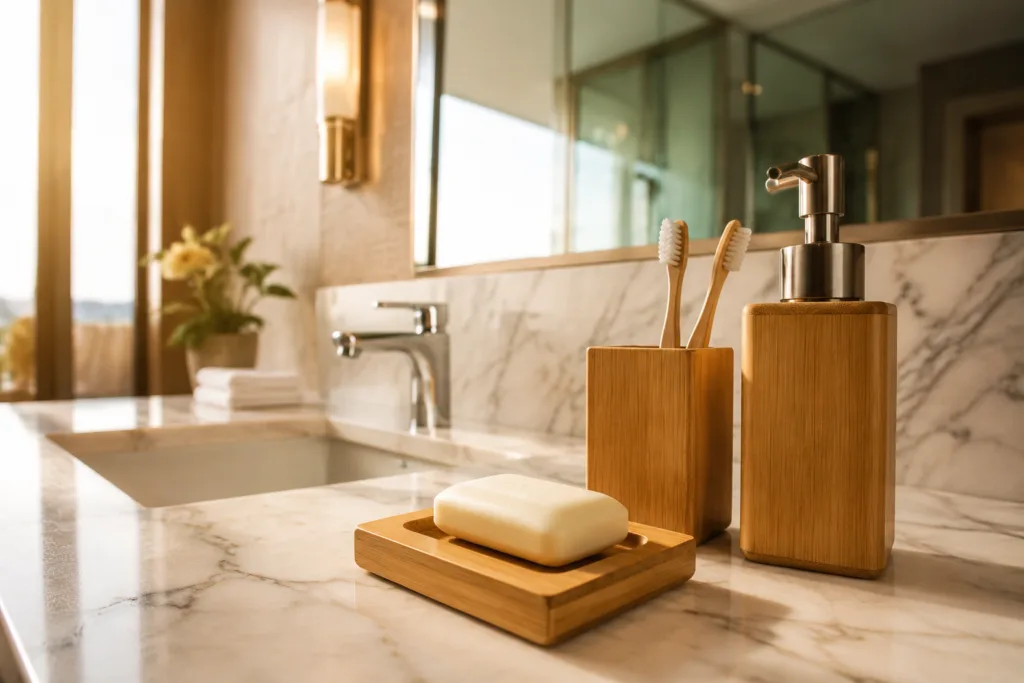
While domestic soap dishes cater to individual preference, bamboo soap dishes for hotels must balance design with high-traffic durability and effortless maintenance. Hotel environments demand that every bathroom piece meet strict expectations for both functional performance and visual appeal. This means prioritizing shapes, color consistency, and finishes that align with broader amenity sets, while ensuring safe, easy-to-clean surfaces for rapid guest turnover.
Volume, Durability, and Replacement Considerations
Hospitality procurement involves sourcing at scale. Volume purchases require that bamboo soap dishes meet specific criteria for durability under daily use and frequent cleaning. Unlike home use, hotel applications call for products that can withstand repeated exposure to moisture, cleaning agents, and occasional mishandling—without rapid degradation or visible wear. Replacement logic is also more structured; maintenance teams need items that are easily swapped and reliably available for reorder as part of ongoing amenity management strategies.
Application Scenarios: Optimal Bamboo Soap Dish Designs for Guest Rooms vs. Public Spaces
Guest Bathroom Preferences: Minimalism, Safety, and Easy Maintenance
For in-room guest bathrooms, simple and secure bamboo soap dish designs are preferred. Closed-slatted or subtly contoured dishes minimize standing water, reduce the risk of slipped soap, and present a clean, uncluttered look. Models with softly rounded edges or anti-slip bases further enhance guest safety. Here, minimalist aesthetics often complement modern, classic, or nature-inspired hotel bathroom décor, while ensuring housekeeping can clean or replace items efficiently.
Public Area Solutions: Theft-Resistance, Cleaning Efficiency, and Traffic Suitability
Public hotel areas like lobbies or shared washrooms present different demands. Bamboo soap dishes intended for these zones should consider anti-theft features—such as mounting options or integrated attachments—and construction that stands up to frequent sanitization. Denser, heavier bamboo composite, protective coatings, or single-piece builds are practical for combating both heavy use and cleaning cycles. Ensuring surface finishes resist staining or swelling is especially important where turnover and exposure are frequent.
Why Easy Cleaning Outweighs Complex Design in Hospitality Use
Hygiene and Housekeeping Efficiency
Complex soap dish shapes or deep crevices, while visually striking, can create cleaning challenges in high-turnover guest accommodations. In practice, smooth surfaces, shallow drainage grooves, and open slats are often favored, enabling quick inspections and faster cleaning during room resets. Housekeeping staff benefit from soap dishes that require little more than a wipe-down, minimizing soap residue build-up and reducing mold risks.
Material Finishes for Quick Turnover and Mold Resistance
The finishing method used on a bamboo soap dish for hotels dramatically affects its resilience to mold, stains, and moisture absorption. Many buyers request natural oil finishes or water-based sealants that highlight bamboo’s grain while forming a light protective barrier. Fully lacquered finishes can further simplify cleaning, though they slightly alter the tactile feel. For applications requiring heightened hygiene—such as wellness suites or spa bathrooms—a lightly sealed finish usually balances anti-mold performance with efficient cleaning intervals.
Achieving a Unified Amenity Style: Coordinating Soap Dishes within Branded Bamboo Bathroom Accessories Sets
Matching with Dispensers, Trays, and Other Accessories
Consistency across all in-room amenities is key to creating a curated, professional look. Coordinating bamboo soap dishes with other branded accessories—such as liquid dispensers, toothbrush holders, trays, and tissue boxes—reinforces design cohesion throughout guest bathrooms. When selecting items for a new or upgraded amenity program, buyers often specify matching color tones, similar joinery methods, and uniform edge styling to create a complete, visually connected set. It is here that experience in manufacturing matching bamboo accessories can help avoid mismatched textures or tones.
Visual Cohesion for Guest Perception and Brand Identity
Hotels rely on visual elements to reinforce branding and enhance guest perception. Unlike off-the-shelf consumer items, commercial bamboo soap dishes are often chosen for their ability to blend seamlessly with the hotel’s aesthetic, supporting both a sense of cleanliness and a feeling of comfort. Cohesive accessory suites communicate care and attention to detail—both subtle but powerful contributors to positive reviews and guest loyalty. In many cases, this style alignment extends beyond the bathroom to in-room display trays or public washroom sets, supporting a holistic amenity approach.
Branding and Packaging: Customization Options for Amenity Sets
Private Labeling, Engraving, and Corporate Branding
Custom branding for bamboo soap dishes is a growing trend in hospitality. Options typically include laser engraving for logos, custom shape treatments for signature room types, or subtle brand color infill. Private labeling ensures each soap dish serves as a tactile brand touchpoint that appeals to guests while fulfilling functional requirements. For hotels investing in long-term amenity programs, custom engraving also helps minimize the risk of theft or accidental loss by tying items to the hotel identity.
Bulk Packaging, Replenishment, and Logistics Considerations
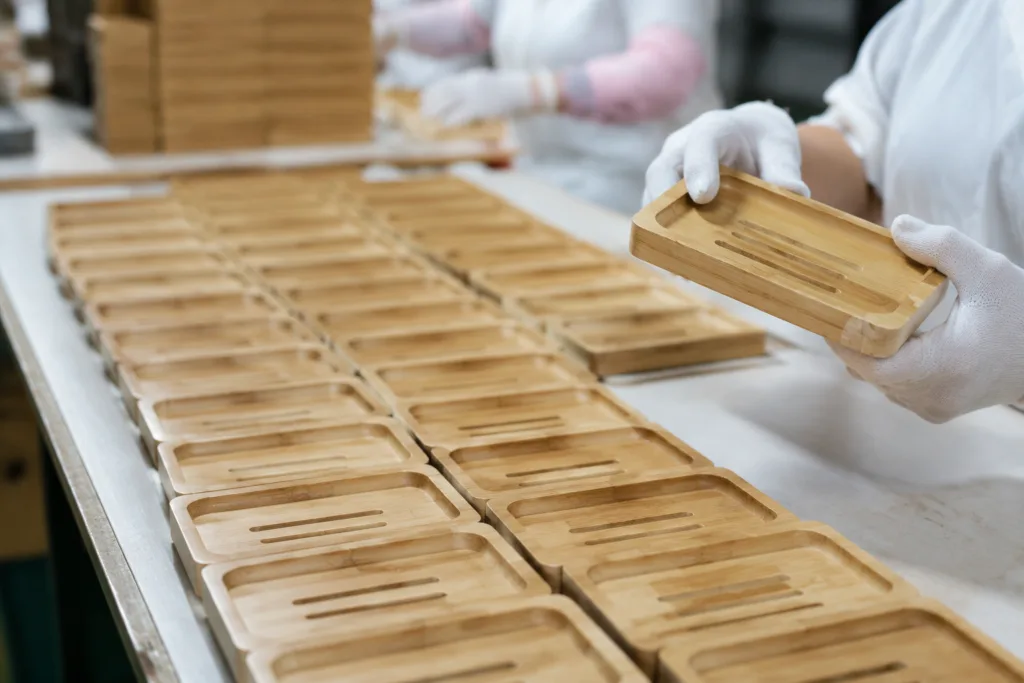
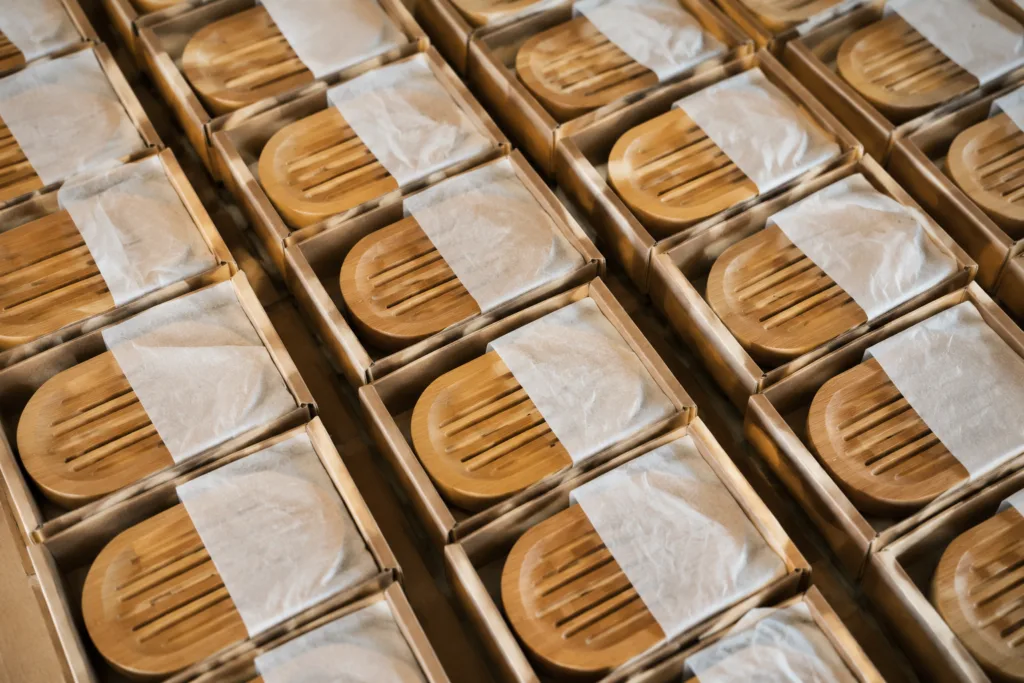
Efficient procurement and replenishment cycles are essential in hospitality settings. Bamboo soap dishes for hotels are commonly bulk-packed for shipping, with custom partitioning or eco-friendly inner wraps to minimize transit damage. Buyers should consider packaging that streamlines distribution from warehouse to guest room, balancing presentation with logistics. Integration with overall amenity kit supply chains also matters, especially when reordering or replacing part of a set. Understanding available bulk packaging standards or customizing packaging—such as including QR codes or inventory tags—can further enhance operational efficiency.
Selection Guidance for Hospitality Buyers
Key Factory and Material Questions
Effective selection begins with targeted questions to manufacturers: What grade of bamboo is used? What joinery method ensures the highest moisture resistance? Does the supplier offer sustainable sourcing certifications or third-party testing? What are standard finish options, and can samples be provided? Clarifying these details early reduces the risk of inconsistent quality, supply surprises, or mismatched stock after the initial order.
MOQ, Lead Times, and Replacement Strategies for Hotels
Buyers should plan orders around realistic minimum order quantities (MOQs), standard manufacturing lead times, and strategies for phased or immediate replacement. Because guest amenities see varied usage levels depending on location, maintain a buffer stock or schedule replenishment in tandem with other bamboo accessory orders. Projects on a tight opening timeline may wish to prioritize in-stock variants initially, switching to fully custom offerings for future cycles.
Coordinating with Other Sourced Amenities
A common coordination challenge is ensuring that bamboo soap dishes integrate smoothly with the hotel’s larger amenity program. When bundling with toothbrush holders or dispensers, synchronize finish samples and production schedules upfront to avoid color mismatches or delayed sets. Some buyers benefit from grouping orders with their manufacturer to streamline logistics, secure discount tiers, and maintain amenity design consistency throughout all guest touchpoints. For hotels seeking to coordinate custom bamboo soap dishes with a broader bathroom accessories set, it’s valuable to explore custom bamboo product manufacturing to understand the manufacturing flexibility, finish matching, and bulk packing options available. This approach supports both design consistency and streamlined sourcing.
bamboo soap dish for hotels
A bamboo soap dish for hotels sits at the intersection of thoughtful hospitality, operational efficiency, and brand enhancement. The right dish not only holds and drains soap effectively, but elevates the perceived quality of your entire guest amenity program. Procurement teams should assess functional needs, style direction, cleaning ease, and replenishment logistics when comparing options. For reference, the slatted bamboo soap dish options offer efficient drainage features favored in many hotel applications, while custom gift packaging—such as those found in bamboo soap dish gift sets for branding—can extend utility for loyalty programs or premium suites.
Conclusion: Best Practices for Choosing Bamboo Soap Dishes for Hotel Applications
Choosing a bamboo soap dish for hotels is a balance of aesthetics, operational durability, and the overall vision for your guest experience. Prioritizing easy-clean designs, finish uniformity, and robust material selection leads to longer usage cycles and higher guest satisfaction. Customization—with careful coordination across accessories—enhances style cohesion, while smart packaging and replenishment strategies support efficient amenity management. Ultimately, collaboration with an experienced manufacturer ensures that each soap dish fits seamlessly within your hospitality program’s functional and branding needs. By applying these best practices, hotels can confidently source bamboo soap dishes that enhance both operational outcomes and guest perception for years to come.
Frequently Asked Questions
Are bamboo soap dishes suitable for all hotel types?
Bamboo soap dishes can suit a wide range of hotels, from boutique to large chains, but selection should align with usage patterns, amenity standards, and desired branding.
How can hotels prevent mold on bamboo soap dishes?
Select soap dishes with proper drainage, water-resistant finishes, and designs that discourage water accumulation; regular cleaning is also essential.
What branding options are available for hotel soap dishes?
Branding methods include laser engraving, discrete color infill, and custom shape design, allowing hotels to reinforce identity and deter theft.
How often should bamboo soap dishes be replaced in hotels?
Replacement cycles vary by usage intensity, but many hotels schedule evaluations every 6–12 months and keep buffer stock for rapid swaps if needed.
Are bulk packaging options eco-friendly for hotels?
Eco-friendly bulk packaging can be requested, including recycled inner wraps and minimal-plastic inserts, supporting green procurement policies.
How can buyers ensure color and style consistency with other bamboo bathroom accessories?
Work with manufacturers to order finish samples, approve set diagrams, and, when possible, coordinate entire accessory kits from one supplier to avoid mismatches.