Introduction
Bamboo steamers have become a favorite piece of cookware for both professional chefs and home cooks. With their origins in East Asia, these steamers are praised for their gentle cooking and ability to preserve food’s natural flavors and nutrients. As more people discover the versatility and eco-friendliness of bamboo cookware, learning the right techniques is essential. Even small mistakes can affect taste, texture, and the lifespan of your steamer. Mastering the art of using bamboo steamers isn’t just for authenticity—it’s your ticket to perfectly moist vegetables, fluffy buns, and tender dumplings.
Mistake 1: Not Preparing the Steamer Properly
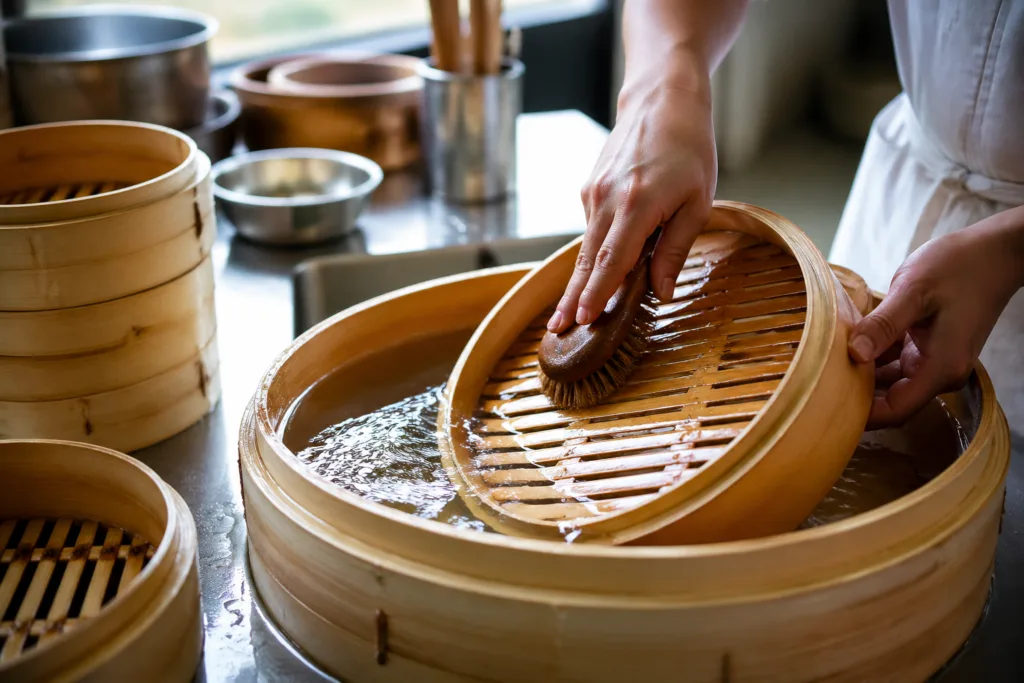
New bamboo steamers aren’t ready to use straight out of the box. Before your first use, it’s important to give the steamer a gentle wash and soak it in hot water for 30 minutes. This removes any factory residues and hydrates the fibers. Failing to prep your bamboo steamer can result in splintering, lingering odors, and lackluster results. If it’s not hydrated, the bamboo might crack or warp when exposed to steam. The extra step up front pays off with better performance and a longer-lasting kitchen tool.
Mistake 2: Overcrowding the Steamer
It’s tempting to fill every inch of the steamer to save time, but overcrowding is a classic mistake. For even doneness, arrange food with enough space for steam to circulate. Crowded dumplings turn out soggy or stuck together, and vegetables may be unevenly cooked. Always leave a little breathing room between each item. If you’re preparing large batches, steam in stages or use multiple tiers.
Want to offer your customers premium bamboo steamers with custom sizes or branding? Get tailored solutions from our bamboo steamers manufacturer team.
Mistake 3: Skipping Liners
Linings are not just for show. Parchment paper, cabbage leaves, or even banana leaves create a barrier between food and bamboo. This prevents delicate items like bao or dim sum from sticking, and it makes cleanup far easier. Skipping liners often leads to sticky messes that damage the bamboo and spoil your meal’s appearance. For perfect results and longevity, line your steamer every time.
Mistake 4: Using the Wrong Water Level
The amount of water beneath your steamer makes all the difference. Too little and you’ll dry-boil, scorching both pot and bamboo; too much and boiling water will bubble over, soaking your food. Fill your wok or pan so water sits just below the steamer’s bottom, never touching the food. Keep an eye on the water level—especially during long steams—and add more hot water if needed to maintain steady steam.
Mistake 5: Not Monitoring the Steaming Process
Steaming isn’t a set-and-forget task. It’s wise to check water levels every 10–15 minutes to avoid accidents (both dry boiling and overflow). Adjust the stove down if you see too much steam or if water is bubbling out. If you’re steaming for over 20 minutes, plan to top up with pre-heated water to keep the steam consistent and your bamboo cookware in top shape.
Mistake 6: Placing the Steamer Directly on the Stovetop
Never place a bamboo steamer directly on electric or gas burners. Instead, set it on top of a pot, pan, or wok filled with simmering water. The steamer should snugly fit the vessel, allowing steam to rise but avoiding direct contact with the flames or a hot coil. Direct heat will scorch, warp, and ruin your bamboo in a single use.
Mistake 7: Neglecting to Rotate the Layers
Stackable steamers are incredibly efficient, but heat rises. The lowest basket steams fastest, while the top tier might lag behind. By rotating the baskets halfway through cooking, you’ll ensure all your food is evenly steamed and nothing gets left behind. This simple practice leads to professional, photogenic results every time.
Mistake 8: Improper Cleaning and Maintenance
Bamboo demands a gentle touch. Always wash your steamer by hand with mild soap and warm water. Avoid soaking for long periods and never put it in the dishwasher. After cleaning, leave the steamer to air dry completely—preferably in a sunny, well-ventilated spot—to prevent mold and odors. Neglecting proper cleaning will shorten the steamer’s lifespan and affect flavors in future dishes. For eco-minded cooks, consider learning how to compost old bamboo kitchenware when it’s time to replace it.
Mistake 9: Using Strong Flavors Without Precaution
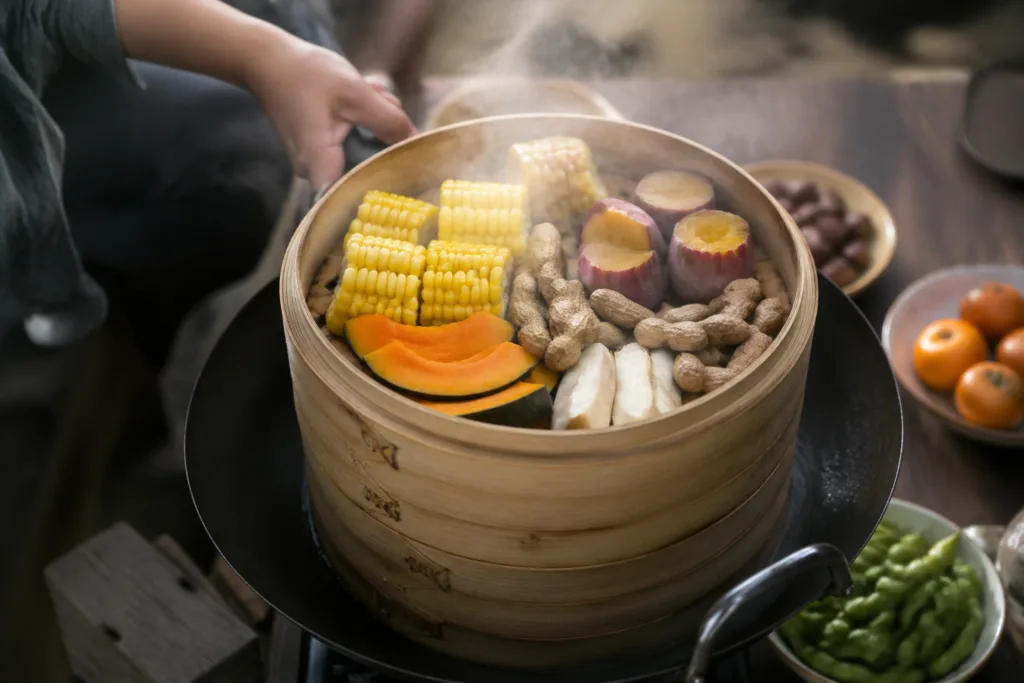
Bamboo is porous and easily absorbs strong aromas. If you steam foods with intense seasonings or pungent fillings, flavors can linger and transfer to the next dish. To minimize flavor cross-contamination, dedicate different baskets to savory and sweet foods, or steam neutral items first. Rinsing with a splash of vinegar and sun-drying afterwards helps remove trapped odors.
Mistake 10: Storing Bamboo Steamers Incorrectly
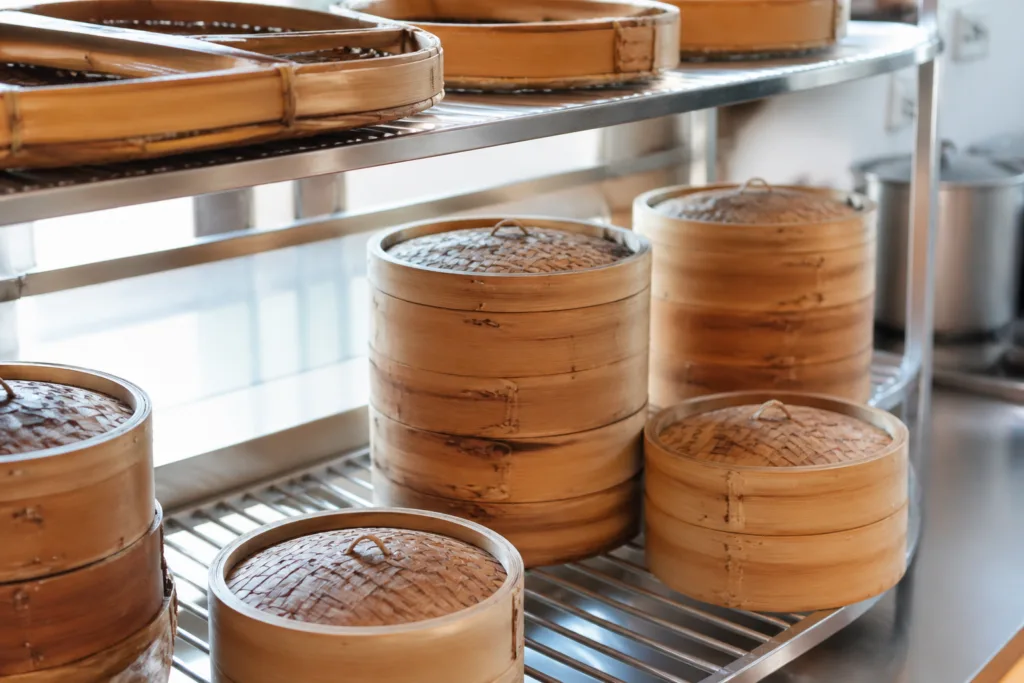
Damp, closed spaces are an enemy of natural bamboo. After ensuring your steamer is completely dry, store it in a well-ventilated spot, ideally out of direct sunlight and away from moisture. Avoid plastic bags or cramped cupboards that trap humidity and encourage mold. Some experienced manufacturers like Bamboo Wood Art recommend kiln drying for extra moisture control before shipping, further extending your bamboo steamer’s useful life.
Steamer Mastery
Becoming confident with bamboo steamers isn’t just about the tools—it’s about the habits you develop. Paying attention to preparation, spacing, and cleaning will give you repeatable, mouthwatering results. As demand grows for sustainable cookware, bamboo’s place in the kitchen is only set to expand. Precision, patience, and a few best practices can turn everyday meals into something special.
Conclusion
To get the best out of your bamboo steamer and other bamboo cookware, avoid the pitfalls covered above. From preparation to cleaning, each step secures better taste and durability. Ready to master these essentials? A little care will reward you with years of flavorful, fuss-free steaming for everything from dumplings to fresh vegetables.
Frequently Asked Questions
How do I keep food from sticking to a bamboo steamer?
Always use a liner such as parchment paper, cabbage, or banana leaves. Liners prevent sticking and make cleanup easy.
Can I put my bamboo steamer in the dishwasher?
No, dishwashers use high heat and detergents that damage natural bamboo. Hand wash gently and allow to air dry fully.
How can I get rid of lingering food odors in my bamboo steamer?
Rinse the steamer with vinegar, sun-dry thoroughly, and avoid steaming strong flavors back-to-back in the same basket.
What’s the best way to store bamboo steamers?
Make sure they’re completely dry and store in a well-ventilated, dry space away from direct sunlight and moisture.
Is it normal for bamboo steamers to change color over time?
Yes, color changes can occur with regular steaming. This is natural and doesn’t affect performance, provided there’s no mold.
What kinds of foods can I cook in a bamboo steamer?
Bamboo steamers are great for dumplings, buns, vegetables, fish, and even some desserts like sponge cake or sticky rice.