Introduction: Comparing Tableware Materials
When it comes to daily dining, the choice of tableware can have a surprising impact on your comfort, safety, and sustainability. A growing trend is the preference for bamboo chopsticks and other natural tableware, with bamboo’s unique properties frequently compared to metal alternatives. Let’s explore how these two common materials measure up in terms of practicality and eco-friendliness for modern and traditional meals alike.
Material Overview: Bamboo vs. Metal Chopsticks
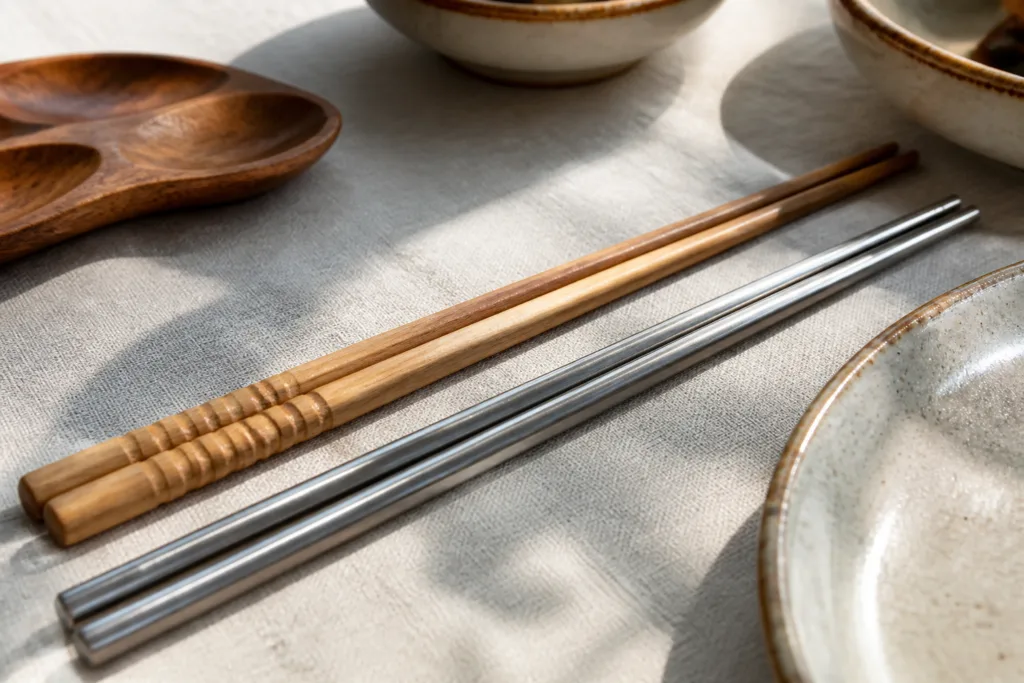
- Bamboo chopsticks: Lightweight, eco-friendly, and pleasant to touch. The subtle grain and natural finish provide both visual and tactile warmth at the table.
- Metal chopsticks: Sturdy and sleek, often seen in Korean dining. They bring modern aesthetics but have different handling characteristics.
Grip Test: Which Material Performs Better?
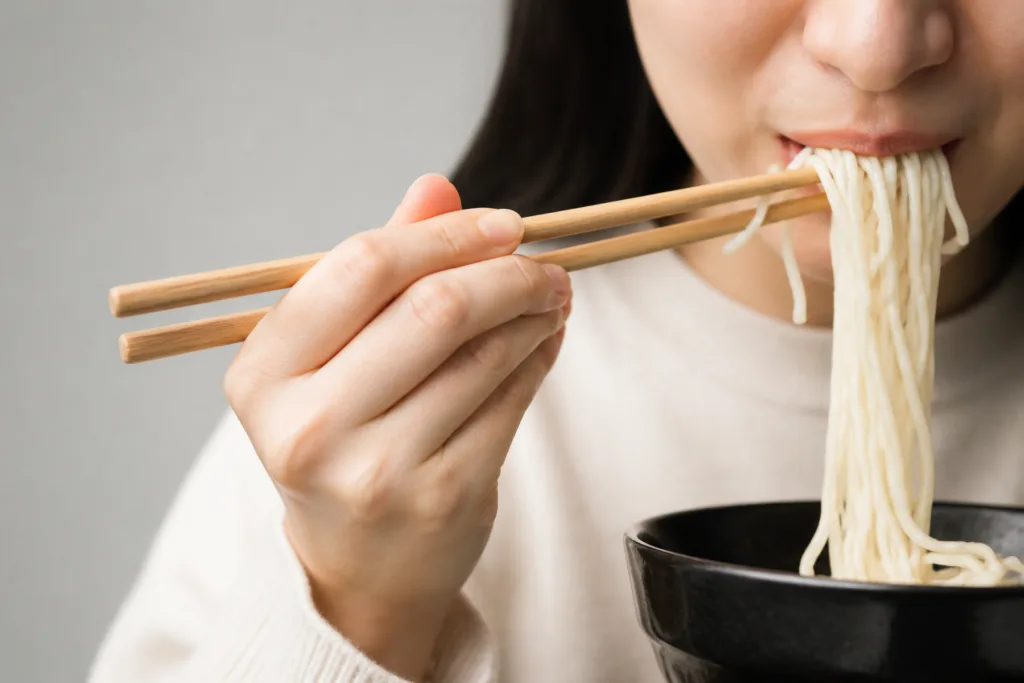
- For everyday dishes, especially those involving slippery noodles or delicate tofu, bamboo chopsticks offer notable advantages. Their natural texture provides light friction, helping prevent food from slipping—a valuable trait when you’re handling small or awkward pieces.
- Metal chopsticks, particularly those that are polished, tend to be slicker and may be more challenging for beginners. Some designs combat this with grooved tips, but the general consensus among users is that bamboo feels more intuitive in the hand, with less effort needed to keep a steady grip.
Heat Test: Handling Hot Foods Safely
- Thermal conductivity is a big differentiator. Bamboo, being a plant fiber, does not readily conduct heat. This means it remains pleasantly cool to the touch, even when serving steaming dumplings or hot soups. Accidental burns are rare, maintaining comfort for the user.
- Metal, on the other hand, can quickly absorb heat from hot foods or cookware. This increases the risk of uncomfortably warm or even burning handles, requiring caution and sometimes even limiting how long you can use them in hot pot settings.
As a bamboo chopsticks manufacturer, we offer customizable bulk and private label options tailored for sustainable brands.
Sustainability and Care
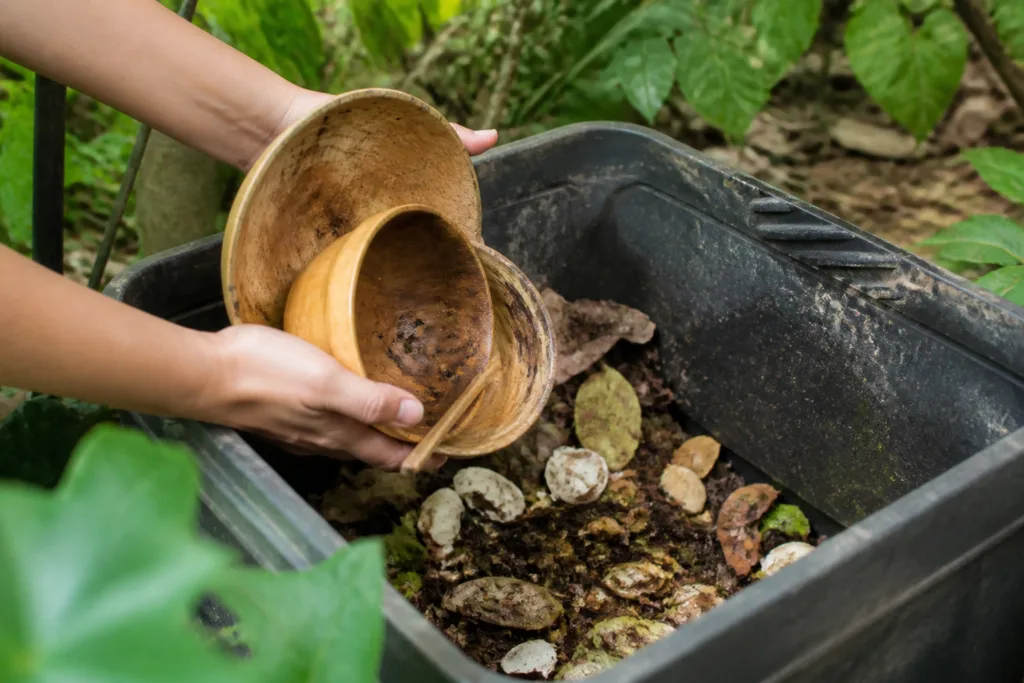
- Bamboo stands out as a highly renewable resource. Harvested from fast-growing plants and requiring minimal synthetic processing, bamboo chopsticks and tableware are a top choice for eco-aware households and restaurants. They can also be composted at the end of their useful life, reducing landfill waste. (Learn how to compost bamboo kitchenware for more tips.)
- Maintaining bamboo utensils is simple: gentle hand washing and thorough drying prevent cracks and prolong their lifespan. Metal chopsticks, though durable and dishwasher-safe, may begin to tarnish or lose their finish over time, especially if exposed to harsh detergents or extreme temperatures. If you’re curious about why bamboo stays cool, check out why bamboo doesn’t conduct heat like metal.
PROMPT
Bamboo chopsticks and natural tableware bring together functionality, comfort, and sustainability. Their distinct advantages in grip and heat resistance highlight why bamboo remains the material of choice for both casual dinners and formal settings, especially for those seeking to minimize their environmental impact. While metal chopsticks hold their own in terms of durability and are a modern favorite, the tactile and ecological benefits of bamboo often tip the scales. Carefully consider your mealtime habits and values—choosing the right tableware can elevate your everyday dining experience and support greener living.
Frequently Asked Questions
Are bamboo chopsticks safe for eating hot food?
Yes, bamboo chopsticks are safe with hot foods because they do not conduct heat, keeping your hands comfortable.
Do bamboo chopsticks absorb flavors or odors?
With proper washing and drying, bamboo chopsticks won’t absorb most flavors or odors; avoid soaking them for long periods.
What is the best way to clean bamboo tableware?
Wash bamboo items gently by hand with mild soap and water, then dry completely to prevent warping or cracking.
How durable are bamboo chopsticks compared to metal ones?
Bamboo chopsticks are strong for regular use but may wear faster than metal; with proper care, they remain reliable for years.
Can bamboo chopsticks be composted?
Yes, if they are natural and uncoated, bamboo chopsticks can be composted, making them environmentally friendly when disposed of correctly.
Which chopsticks are better for beginners: bamboo or metal?
Bamboo is typically easier for beginners due to its grip and lighter weight, providing more control.