Introduction: Custom Bamboo Cutting Boards for Business Needs
Custom bamboo cutting boards offer a practical and versatile solution for businesses aiming to differentiate their kitchenwares, gifts, and retail offerings. Whether for branded retail lines, promotional gifts, corporate use, or unique event keepsakes, the possibility to tailor every aspect of a bamboo cutting board—from size and shape to engraving and packaging—enables buyers to create products that align precisely with their commercial vision. Bamboo stands out not only for its natural beauty, durability, and eco-friendly reputation, but also for its flexibility in manufacturing, making it a favored choice among sourcing specialists, retailers, and brand owners.
Readers comparing product options may also want to review Discover our custom bamboo cutting boards, which offers a detailed look into Bamboo Wood Art’s manufacturing and customization capabilities for business orders. This resource is especially helpful for buyers seeking deeper category insight, technical details, or to clarify manufacturer-driven options for custom bamboo cutting boards.
What Can Be Customized: Size, Shape, Engraving, Packaging, and More
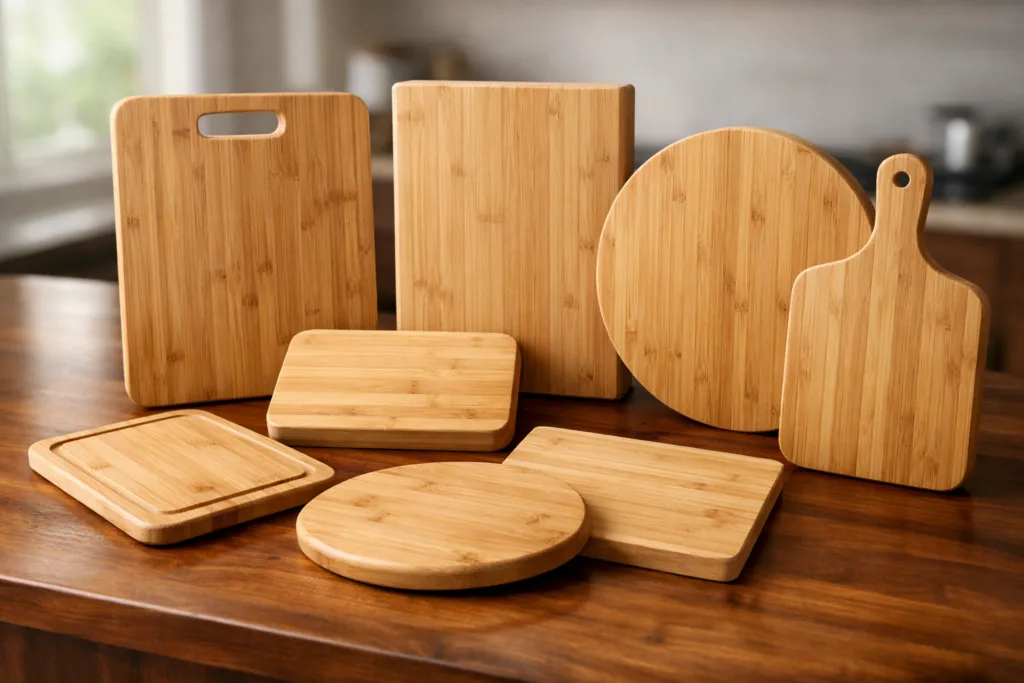
Size: From Standard to Bespoke Dimensions
Bamboo cutting boards can be manufactured in a wide variety of sizes, from compact serving boards to expansive chef-grade surfaces. Standard sizing simplifies sourcing for common retail or kitchen applications, but manufacturers often accommodate bespoke dimensions when buyers need a unique fit for branding, gifting, or commercial presentation. Precise sizing is essential for packaging compatibility, display appeal, and functional usability, so sourcing teams should specify their needs early in the briefing process.
Shape: Classic Silhouettes Versus Custom Profiles
Shapes range from traditional rectangles and ovals to custom silhouettes like handles, rounded corners, or themed contours. Unique shapes can enhance shelf presence, gifting value, and brand identity, though they may influence production processes or lead times. When considering a distinct shape, buyers should factor in mold and tooling requirements and recognize that complex shapes may increase setup costs or affect minimum order quantities (MOQs).
Engraving: Logos, Messaging, and Personalization
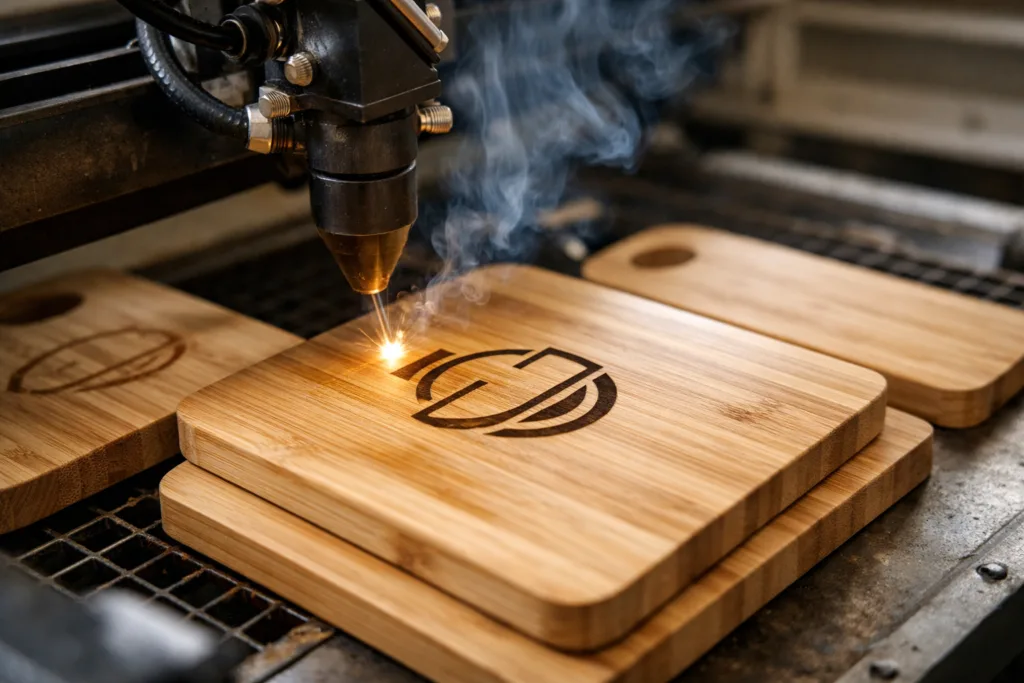
Engraving options include business logos, commemorative text, monograms, or artwork. Modern laser engraving produces crisp, lasting results, making it ideal for business branding or personalized gifts. Location of engraving is important; edge, corner, or central placements each have unique visual impacts and packaging considerations. For projects prioritizing vibrant branding, color printing is also available, which is discussed in depth later.
Packaging: Gift-Ready, Retail-Ready, Private Label, and Eco Options
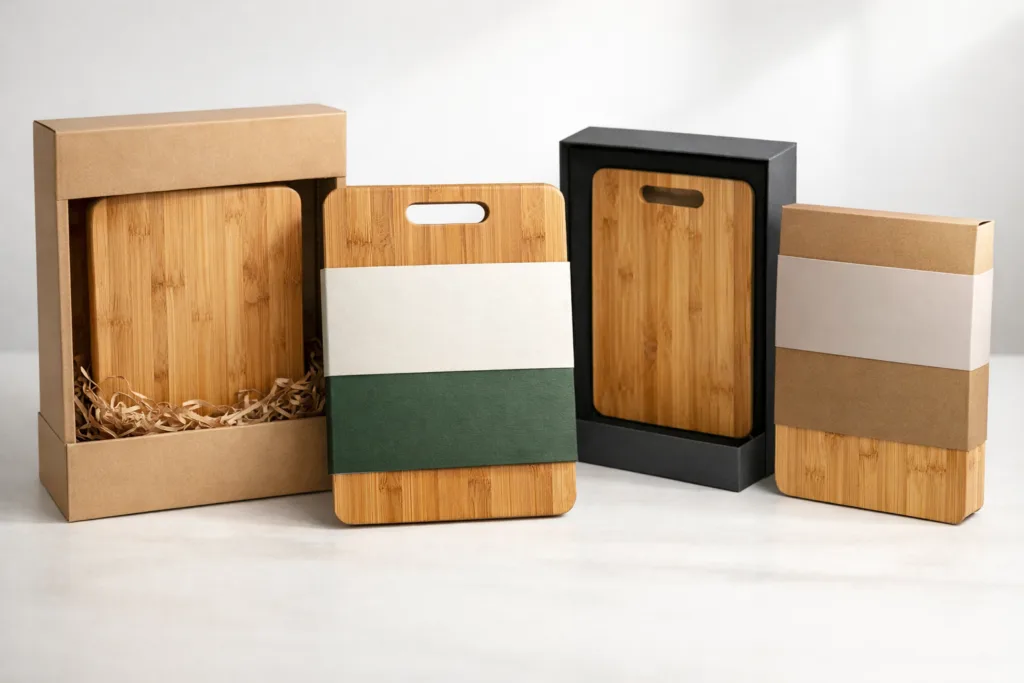
Packaging determines not only how a board is protected during transit but also how it appears to the end customer. Gift-ready packaging typically emphasizes presentation, personalization, and premium finishes. Retail packaging prioritizes shelf visibility, safety information, and barcode integration. Private label solutions focus on seamless brand presentation, often requiring custom inserts, sleeves, or eco-friendly materials that reinforce your brand’s sustainability angle. For more ideas on how packaging can strengthen branding, Explore packaging solutions for bamboo products.
Engraving and Branding Methods: Laser Engraving vs Printing
Laser Engraving: Technical Features, Strengths, and Limitations
Laser engraving on bamboo produces a uniform, tactile mark with high accuracy. It is best for fine lines, logos, and durable branding that won’t fade with use or cleaning. However, the process is limited to single-color results—typically a natural burn shade varying with bamboo grain. Detailed artwork or gradients may not be achievable, so the method suits logos, simple illustrations, or text.
Printing: Enhancing Color, Branding, and Logo Visibility
Printing methods such as UV or silk screen printing can achieve vibrant, multi-colored designs ideal for retail branding, promotional messages, or visually complex logos. Printed boards offer more freedom in replicating brand palettes and can create striking shelf presence. Print durability depends on surface finishing and cleaning methods; it is typically not as scratch-resistant as engraving, but it can be layered with protective coatings.
When to Use Each Method: Choosing Based on Project Goals
Laser engraving is strongest when durability, subtlety, and a natural look are priorities, while printing excels when vivid color reproduction and high-impact branding are required. Sourcing teams should weigh their marketing goals, target audience, and anticipated board use. For deeper technical distinctions and process choices, Learn about OEM and ODM options for bamboo products.
Application Scenarios: Gifts, Retail, Corporate, and Wedding Projects
Retail: Branded and Retail-Ready Bamboo Cutting Boards
In retail, custom bamboo cutting boards are often developed for branded kitchenware lines, food stores, and home decor shops. Retail-focused boards usually require universal sizing, barcode labeling, and packaging designed for mass display. Material integrity, finishing, and consistent surface quality are crucial for competitive category presence.
Gift Solutions: Customizing for Gifting Occasions
Bamboo cutting boards are increasingly selected for business gifting, holiday promotions, and commemorative events. Customization focuses on artwork, recipient personalization, and gift packaging such as sleeve wraps, ribboned boxes, or message cards. MOQ is typically more flexible than retail, yet buyers must clarify desired presentation elements and any time-sensitive delivery needs.
Corporate and Bulk Gifting: Logo Requirements, Packaging, MOQ
Bulk/corporate gifting projects require fast scaling, streamlined artwork approval, and often involve brand guidelines for logo use. Packaging prioritizes quantity efficiency and protective transit, but often includes simple branding touches. Minimum order requirements may be higher, but per-unit pricing can improve with volume. Bamboo Wood Art frequently advises sourcing teams to provide vector logo files and clarify use cases up front to avoid production delays.
Wedding and Event Projects: Personalization Flow and Packaging
For weddings and event keepsakes, custom boards involve unique personalization, such as couple names or dates, and specialty packaging to complement event themes. Production often includes prototype approval for text, artwork, and packaging fit, with delivery schedules closely aligned to event timelines.
Small Batch vs Mass Production: Process Limitations and Opportunities
Minimum Order Quantities and Scalable Options
MOQ varies across manufacturing partners and project types. Craft batches may support as few as 50–100 units with simplified customization, while mass production typically begins at 500+ units for optimal pricing. High-volume orders allow for broader design and packaging choices but may require longer lead times.
Craft vs Mass Manufacturing—What Changes?
Craft production accommodates hand finishing, unique shapes, and more personalized touches, at higher unit cost and slower output. Mass manufacturing relies on automation and standardized processes, which improve consistency and cost-efficiency but limit the range of customization per unit.
Customization Limits: Small Orders vs Bulk Orders
Small orders allow greater flexibility in one-off personalization—such as unique engravings per unit or limited edition shapes. Bulk orders prioritize more uniform custom elements because of efficiency and cost structure. Buyers should balance the desired level of uniqueness against production constraints when planning their order size.
Sample and Prototyping Stage: Critical Details to Confirm
Specifying Size, Shape, and Material
Effective sampling starts with clear communication of desired board dimensions, preferred shape, and any material specifications (e.g., solid bamboo, edge-grain type). This step guides prototype accuracy and prevents misunderstandings later.
Confirming Artwork: Logo Files, Placement, Mockups
Manufacturers require high-resolution artwork files for engravings and print designs. Buyers should provide guidance on logo placement, scale, and orientation, along with mockups or reference visuals. This shortens approval cycles and maintains brand integrity across production runs.
Packaging Prototypes: Options, Visuals, Price Impact
Packaging samples help clarify materials, structural fit, branding elements, and overall look. Buyers can request visuals or physical mockups, and should note that specialty packaging may affect lead time and per-unit cost. For further details on sustainable and custom packaging workflows, Understand the lifecycle of bamboo products.
Sample Approval Workflow
Final sample approval typically involves physical review, compliance checks, and sign-off on artwork, material quality, and packaging. Clear feedback and timely decisions ensure smooth transition into mass production and help avoid delays or revisions.
Packaging Decisions: Retail vs Gift Feel and Their Impact
How Packaging Affects Perceived Value
Packaging influences how end buyers perceive product quality and brand significance. Premium touches—like custom sleeves, eco packaging, or personal cards—enhance value and emotional impact for gifting. Retail-focused packaging emphasizes information display, visual appeal, and shelf readiness.
Retail Packaging: Requirements for Shelf Presence
Retail packaging must withstand handling, communicate product features, and support standardized labeling. Barcode placement, protective inserts, and display-friendly graphics are essential. Consistent packaging designs reinforce brand recognition and streamline warehousing.
Gift Packaging: Personalization and Experience
Gift packaging is more variable—it may include personalized messages, specialty wrapping, or themed decorations. Often, gifting projects prioritize unboxing experience and exclusivity, even if at slightly higher per-unit cost.
Private Label Packaging: Brand Integration Tips
Private label solutions rely on fully custom materials, colors, and graphics to present a brand seamlessly. Designs should be consistent with broader brand assets and, when necessary, adapted for special markets or retail partners. Sourcing teams should clarify labeling standards, packaging material preferences, and integration goals early in the process.
How to Create a Complete Custom Cutting Board Brief
Checklist for Buyer Submission
A comprehensive project brief should include: exact board dimensions, preferred shape, artwork files (logo, text, placement), packaging style, order size, intended application, special deadlines, and any compliance requirements. Clear specifications minimize misunderstandings and expedite quoting.
What Manufacturers Need to Quote Accurately
Manufacturers require precise details: material type, grain preference, construction method, finishing (oiled, lacquered), customization scope, intended market, packaging preferences, and target timelines. Incomplete briefs often lead to extended quote cycles or prevent accurate cost projection.
Tips for Minimizing Revisions and Ensuring Project Clarity
Buyers can minimize revisions by consolidating artwork feedback, confirming packaging choices early, providing reference samples when possible, and clearly distinguishing between must-have and optional features. Early, frequent communication improves process efficiency and strengthens outcomes.
Custom Bamboo Cutting Boards: How to Specify Size, Shape, Engraving, Packaging, and Private Label Options for Business Orders
Key Takeaways
Custom bamboo cutting boards are adaptable to a range of business needs, with sizing, shaping, engraving, and packaging options that can be tailored for retail, gift, bulk, or event use. Material selection, branding method, and packaging choices should be clarified early to streamline production. Detailed project briefs and sample workflows reduce risks and accelerate order timelines.
Next Steps for Business Buyers
Sourcing teams considering custom bamboo cutting boards should prepare clear specifications, artwork files, and packaging preferences, and establish order size and deadline expectations. Preparing this information ahead of outreach allows manufacturers to quote accurately and support a smooth customization process.
Internal Linking: Taking Your Custom Project Further
For further exploration of custom and private label bamboo products, review relevant product and category pages linked within Bamboo Wood Art’s website. These resources offer more focused breakdowns of manufacturing options, bulk order details, and packaging workflows.
Frequently Asked Questions
What is the typical lead time for custom bamboo cutting board orders?
Lead times can vary depending on customization complexity and order size, but generally range from 3 to 6 weeks from sample approval to shipment.
Can individual names or messages be engraved on each board?
Yes, most manufacturers support individual personalization for each board, especially for event or gifting projects; ensure this is specified during briefing.
What is the minimum order quantity for custom engraved bamboo cutting boards?
MOQs vary, but experienced manufacturers often support custom orders starting at 100–200 units, with lower flexibility for highly individualized designs.
How do I ensure my logo appears consistently on all boards?
Provide high-resolution vector files and clear placement instructions. Approving a prototype helps ensure logo consistency across the batch.
Are eco-friendly packaging options available for bamboo cutting boards?
Yes, eco-packaging such as recyclable paper sleeves, boxes, or plant-based inserts are commonly offered and can be specified during the packaging stage.
Can orders mix different shapes or sizes within a single batch?
It depends on production setup and MOQ per configuration. Most large manufacturers can accommodate mixed shapes or sizes, but each variation may require its own minimum quantity.