Introduction: Understanding Dandruff and Its Causes
Dandruff is a widespread scalp issue that manifests as flaky skin, itchiness, and sometimes redness. It’s often considered a minor grooming concern, but for many, it affects self-confidence and daily comfort. These white flakes are not just caused by poor hygiene or product buildup; the underlying factors can include dry skin, excess oil, fungal growth (particularly Malassezia), sensitivity to hair products, environmental changes, or other scalp health conditions. Because dandruff is visible and persistent, finding reliable ways to control it is a serious priority for those experiencing it.
Traditional and Modern Approaches to Dandruff Control
- Chemical Treatments: The most common approach is using anti-dandruff shampoos and medicated solutions with ingredients like zinc pyrithione, selenium sulfide, ketoconazole, and coal tar. They target fungi and reduce inflammation. While often effective, some people notice dryness, irritation, or diminishing results over time.
- Natural Remedies: Home treatments such as tea tree oil, apple cider vinegar, coconut oil, and aloe vera aim to soothe the scalp and rebalance skin. While results can vary, many choose natural remedies for their gentle effect and minimal side effects.
As a premium wooden comb manufacturer, Bamboo Wood Art supports custom comb options for bulk buyers seeking sustainable hair care solutions. Wooden combs manufacturer
The Role of Wooden and Bamboo Combs in Hair Care
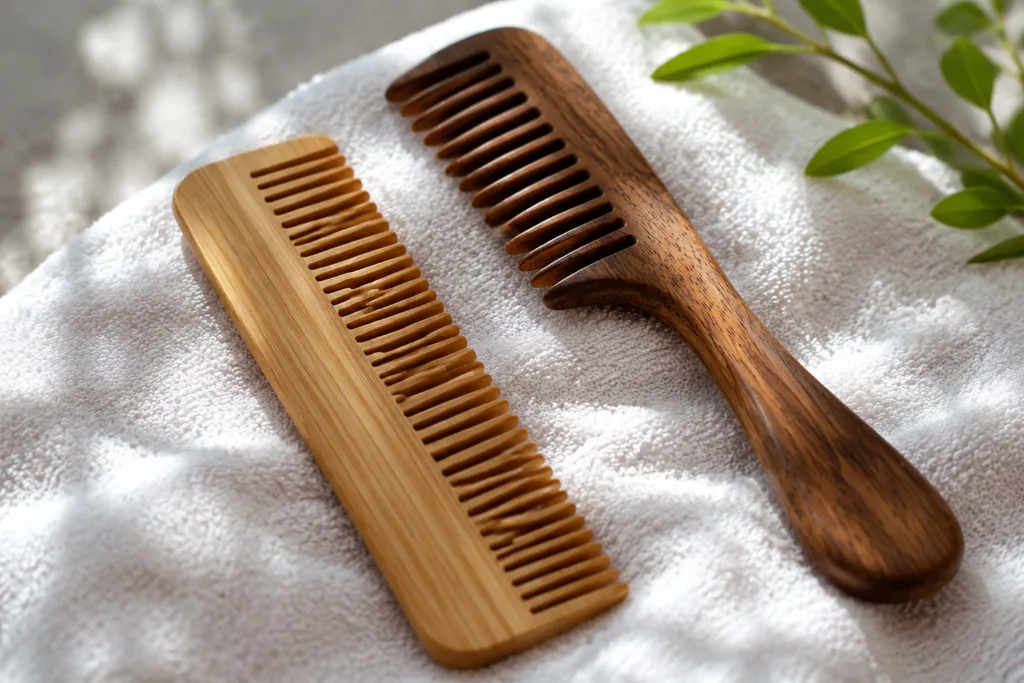
Wooden and bamboo combs aren’t new—these sustainable grooming tools have been used across cultures for centuries. Today, they’re regaining popularity as more consumers reconsider the downsides of plastic and synthetic materials. Their benefits go beyond eco-friendliness:
- Gentle on Scalp and Hair: Wooden combs have rounded, smooth teeth that glide over the scalp, minimizing scratches and irritation. This helps avoid micro-injuries that could exacerbate dandruff.
- Reduces Static and Frizz: Unlike plastics, wood does not create static electricity when combing, making hair look healthier and reducing frizz. Learn more from our guide on how wooden combs reduce static and frizz.
- Environmentally Friendly: Using wooden or bamboo combs means less plastic waste. Bamboo especially is renewable and biodegradable, making it a responsible choice in the natural hair care movement.
| Wooden/Bamboo Comb | Plastic Comb |
|---|---|
| Smooth, static-free styling | Prone to static/frizz |
| Gentle, rounded teeth protect scalp | Can scratch, cause micro-abrasions |
| Biodegradable and sustainable | Petroleum-based, non-biodegradable |
| Traditional craftsmanship | Machine mass-produced |
Can Wooden Combs Help Control Dandruff?
Now to the heart of the question: do wooden combs help with dandruff control, or is this just a hair care myth?
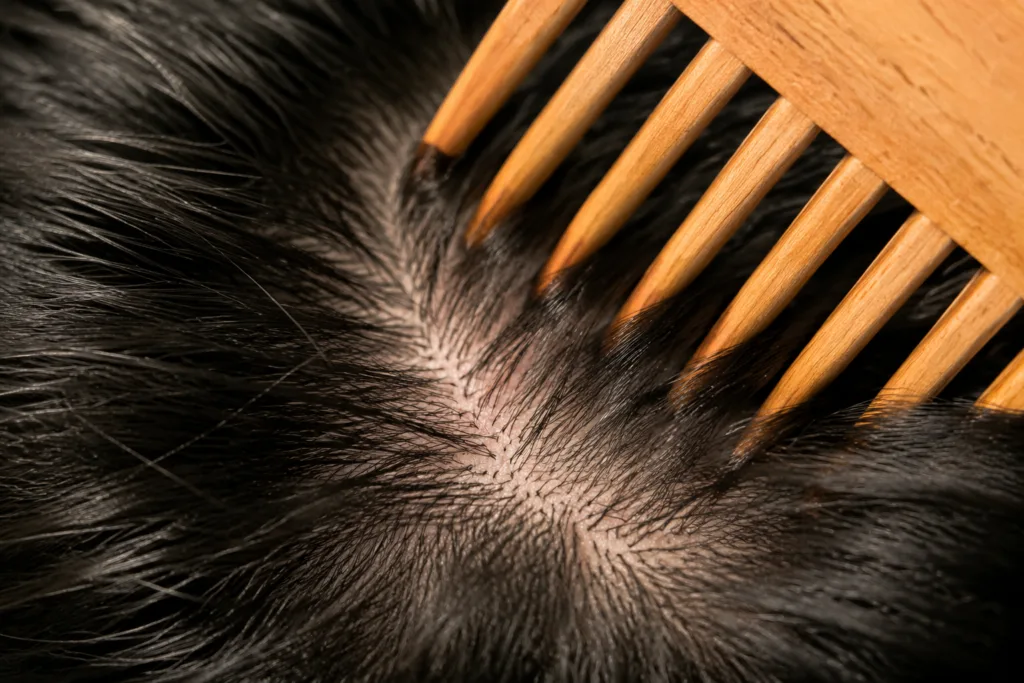
- Improved Scalp Circulation: Wide-tooth wooden combs promote gentle scalp massage, stimulating blood flow and possibly improving skin renewal. This can help maintain scalp health and may reduce the severity of flakes for some people. For more insight, discover tips on scalp stimulation using a wide-tooth wood comb.
- Reduced Irritation: Wooden combs do not snag or pull hair, so broken skin and inflammation are minimized. If you have sensitive skin or existing irritation, switching to wood—or bamboo—may decrease uncomfortable scalp reactions.
- Expert Opinions: Many hair professionals advocate for switching to wooden combs as part of a holistic scalp care routine. While a comb alone won’t cure dandruff caused by fungus or medical conditions, it can improve the scalp environment, especially when combined with thorough cleansing and targeted treatments.
- Limitations: Wooden combs do not treat the underlying causes of dandruff (such as fungus or hormone imbalance). They support good scalp hygiene and reduce aggravating factors, but medical-grade interventions may still be required.
Dandruff Control: Can a Wooden Comb Help?
The best results usually come when wooden combs are paired with other scalp-friendly practices—such as using gentle shampoos, avoiding harsh chemicals, and maintaining proper scalp moisture.
Choosing the Right Wooden or Bamboo Comb
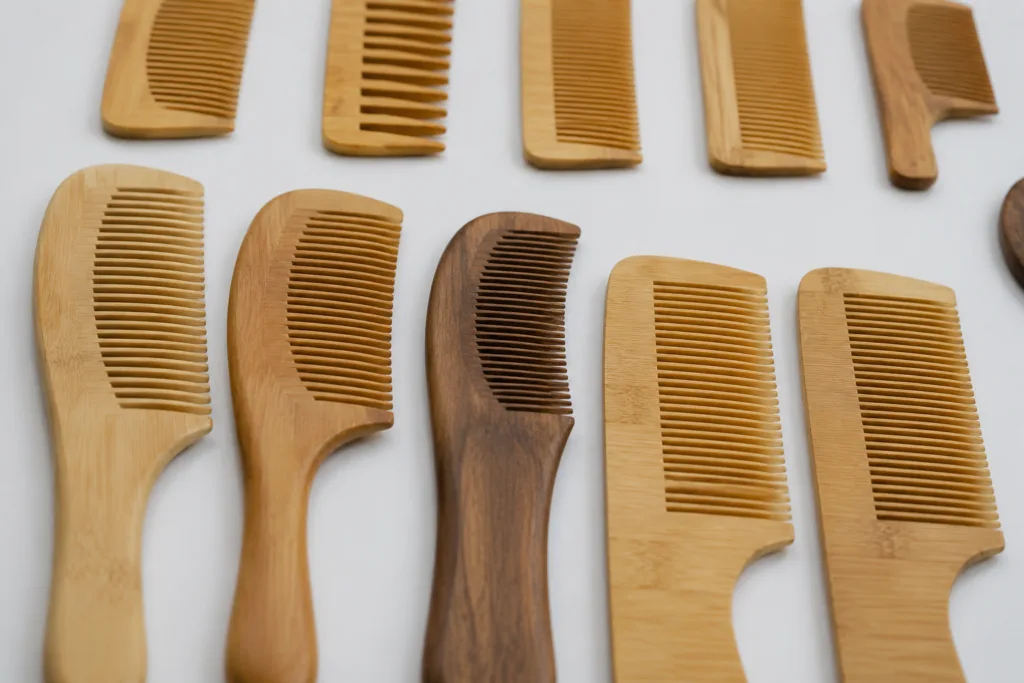
Not all wooden combs are alike. To truly help your scalp, choose a comb suited to your hair type and ensure it’s crafted with care.
- Wide-tooth combs are ideal for curly or thick hair, detangling without breakage.
- Fine-tooth combs suit straight, thin hair and precise styling.
- Bamboo combs are moisture-resistant and ideal in humid climates. Bamboo’s natural finish or carbonized surface—explained in our natural vs carbonized bamboo guide—offers distinctive durability versus traditional wood.
- Portable combs are perfect for travel and quick touch-ups. See our wooden travel comb with case for a practical option.
For longevity, proper comb care matters. Always clean wooden combs regularly to avoid product residue and scalp oil accumulation. Find practical cleaning advice in our guide cleaning your wooden comb: dos and don’ts. Occasional oiling can prevent dryness or cracking—use food-safe oils and consult expert methods like those in how to oil your wooden comb for longevity.
Conclusion and Practical Tips
Wooden and bamboo combs offer clear advantages for scalp comfort and hair health, providing gentle detangling, reducing irritation, and contributing to a greener self-care routine. While these combs alone won’t cure dandruff caused by fungus or hormonal factors, they’re a smart addition to any holistic scalp care strategy. Choose a comb that fits your hair type, keep it clean, and combine its use with regular gentle cleansing and targeted treatments. Consistent use may result in fewer flakes, less itch, and improved scalp comfort.
Frequently Asked Questions
Are wooden combs really better for the scalp than plastic?
Wooden combs are gentler, causing less irritation and static, which may reduce flaking and itchiness associated with dandruff.
Do wooden combs remove dandruff flakes?
Wooden combs help dislodge flakes naturally and gently but do not treat the underlying cause of dandruff.
How often should I clean my wooden comb?
Wipe down your comb weekly and deep-clean monthly to prevent residue buildup and maintain hygiene.
Can bamboo combs be used on wet hair?
Yes, though care is needed to avoid warping. Bamboo’s natural resilience can handle light moisture—find tips in our detangling guide.
Will switching combs help if I have severe dandruff?
Wooden combs can ease irritation but medical treatment is often necessary for severe dandruff.
How do I choose between a wooden and bamboo comb?
Consider hair type, climate, and durability: bamboo resists moisture, wood offers a traditional touch.