Introduction
Prototyping sits at the heart of product development—a bridge between imagination and a tangible item. For creators, engineers, and designers, the prototyping process allows ideas to be tested, improved, and turned into reality. Today, bamboo is increasingly recognized not just for its beauty and versatility, but also as a sustainable material that supports eco-conscious design. Let’s dive into how prototyping—especially with bamboo—empowers innovation while benefiting both people and the planet.
From Concept to Sketch
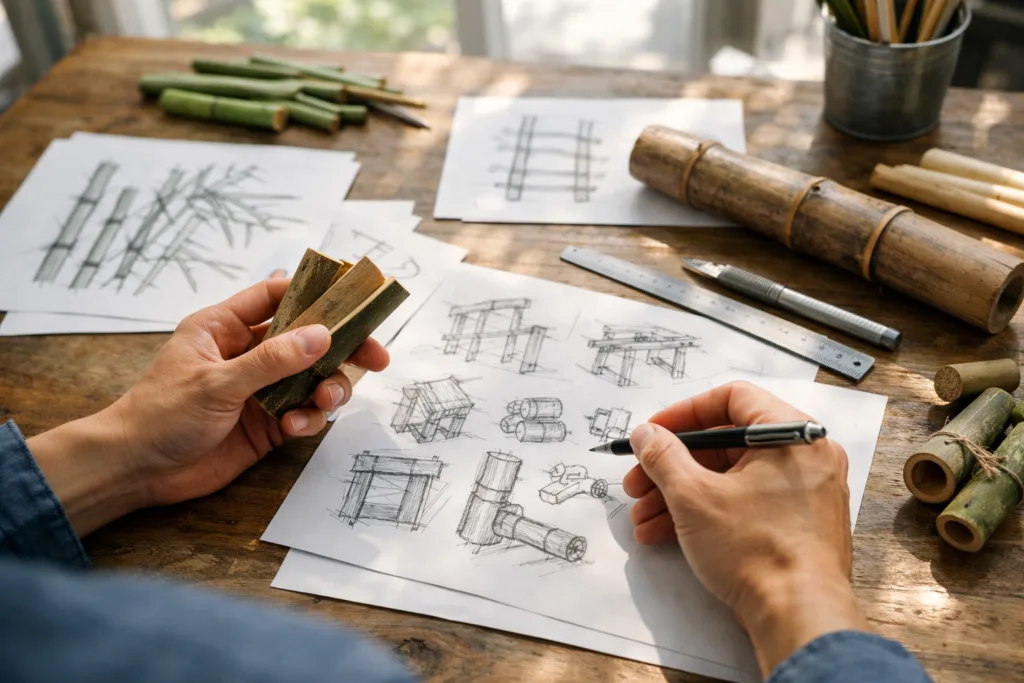
The journey from a vague idea to a real-life sample starts with thoughtful concept generation. It’s at this stage that creativity is free to run wild, often through brainstorming sessions or design thinking exercises. Designers consider potential uses for the product, user needs, and market trends before anything hits paper.
- Idea Generation and Design Thinking: Designers and stakeholders share goals, discuss pain points, and identify new opportunities. This collaborative process may involve mood boards, market analysis, and rapid sketching, all with the aim of pushing creative boundaries without practical constraints just yet.
- Sketching Initial Concepts for Bamboo-Based Products: After narrowing down ideas, rough sketches bring potential bamboo products to life. These quick drawings capture shape, size, functional details, and how bamboo’s unique qualities can enhance the design. At this stage, nothing is set in stone—multiple sketches are encouraged to explore different directions before selecting the most promising path.
For businesses seeking custom options, Bamboo Wood Art is a trusted manufacturer offering guidance and tailored bamboo prototypes to help bring your creative vision to life.
Material Selection: Why Bamboo?
- Properties and Advantages of Bamboo in Prototyping: Bamboo is a favorite for sustainable prototyping because it’s fast-growing, readily available, and naturally strong. Its lightweight nature makes it easy to handle during sample making, while its flexibility and strength let designers test bold ideas without fear of quick breakage. Bamboo’s fine grain and pleasant color add a touch of elegance whether the goal is a rustic or modern product.
- Comparison to Other Materials: Unlike plastics, bamboo biodegrades quickly and leaves a minimal environmental footprint. Compared to solid woods, bamboo’s rapid renewability, uniform density, and durability make it cost-efficient and eco-friendly. These unique features give bamboo an edge when innovation and environmental responsibility are equally important.
Translating Sketches to Physical Samples
Once a winning design is selected from the sketches, the transformation from flat drawings to real samples begins. This stage combines artisan skills and modern tools for precise, repeatable results.
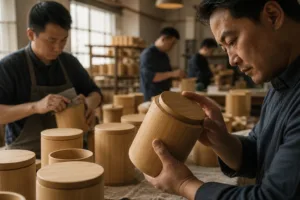
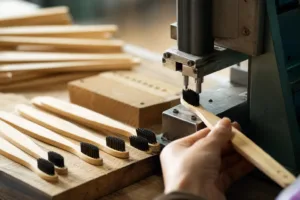
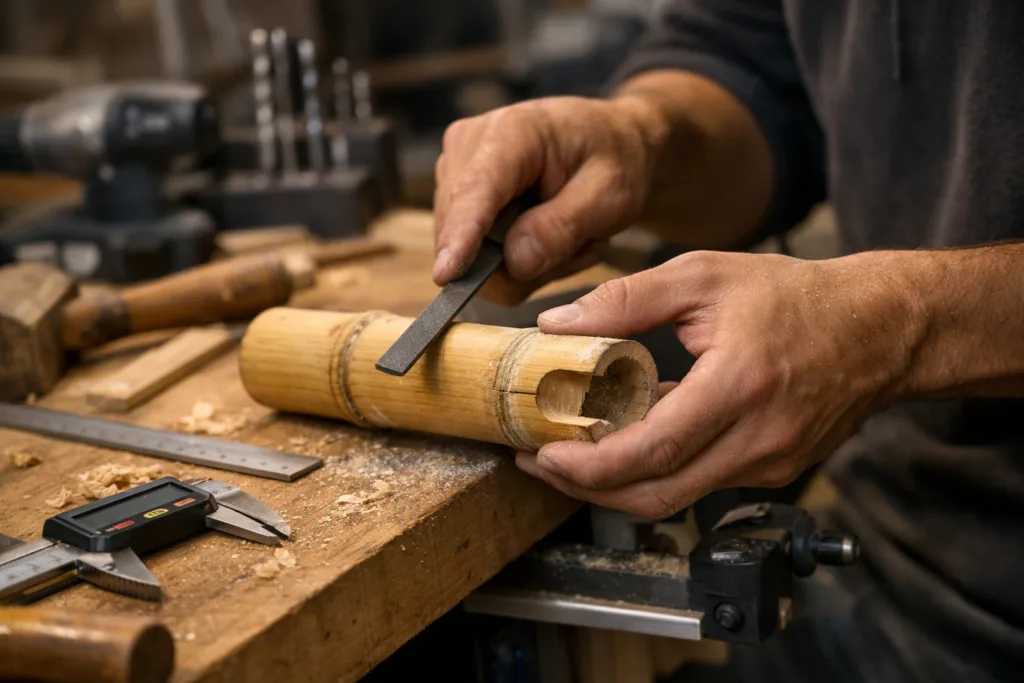
- Techniques for Creating Bamboo Prototypes: For small objects, hand tools and jigsaws allow artisans to shape bamboo stalks with control. Larger or high-volume prototypes often turn to CNC routers, laser cutters, or pressing equipment to ensure consistency. Gently steamed bamboo strips can be bent into curves, and layered cross-grain construction adds strength for more robust products.
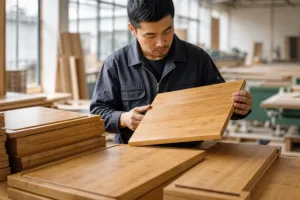
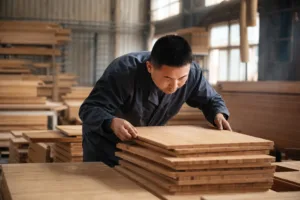
- Tools and Processes: Cutting, Shaping, Assembling: Creating a durable bamboo sample usually involves several steps. First, harvested bamboo is kiln-dried for moisture control (see more on this technical nuance in understanding vertical vs. horizontal bamboo grain). Precise measuring and cutting follow, using hand saws or industrial blades tailored to bamboo’s unique fiber structure. Adhesives chosen for their food-safety and durability standards are applied to join components, followed by careful sanding for a smooth, splinter-free finish.
Iterative Refinement
No prototype is perfect on the first try. Iteration is essential—from kitchen utensils to furniture, cycles of testing and tweaking are the norm.
- Testing and Feedback: Initial bamboo samples are scrutinized for ergonomics, durability, and user-friendliness. Feedback from potential users, craftspeople, or clients is gathered to spot flaws or opportunities for better performance and comfort. For example, the thickness or rounding of a bamboo comb might be adjusted based on real-world use—relating to the importance of scalp stimulation with a wide-tooth wood comb.
- Modifying Sketches and Samples to Improve Design: Since bamboo can be reshaped with heat and gentle pressure, designers might adjust an initial prototype by altering curves, joints, or even decorative elements. Sometimes, small flaws inspire creative solutions—an awkward handle leads to a better grip, or a split reveals a need for grain orientation adjustments. Each round of edits brings the design closer to perfection before final production begins.
Prototyping: From Sketch to Bamboo Sample
Bringing a vision from concept to physical reality with bamboo requires a unique blend of imagination and technical skill. Each step—sketching, material selection, shaping, and refinement—ensures that the end result is not just functional, but also beautiful and sustainable. From the workshop floor to the market shelf, prototyping is a vital part of creating bamboo products that stand the test of time and align with eco-friendly values.
Conclusion
From napkin sketch to final bamboo sample, prototyping is where inspiration and sustainability meet. The process isn’t always straightforward—expect testing, learning, and thoughtful changes along the way. But with bamboo’s remarkable properties and a mindful design process, creators can build innovative products that leave a positive mark. If you’re curious about next steps, consider exploring the full lifecycle of bamboo products or start sketching your own creative ideas today.
Frequently Asked Questions
Why is bamboo a popular choice for prototypes?
Bamboo is sustainable, fast-growing, strong, and easy to work with, making it ideal for innovative product prototyping while staying eco-friendly.
How accurate should the first bamboo prototype be?
The first prototype is mainly for testing ideas and looks, so minor imperfections are normal—refinements will happen in later rounds.
What tools are needed for making bamboo samples?
Common tools include saws, sanders, files, clamps, and sometimes laser cutters or CNC machines for precise shaping and joinery.
Can bamboo prototypes be modified as easily as wood or plastic?
Yes, bamboo is quite flexible and can be trimmed, bent, or sanded after initial shaping, similar to wood, but with less environmental impact than plastic.
Is bamboo suitable for food-contact prototypes?
When finished properly with food-safe adhesives or coatings, bamboo is safe for cutlery, trays, or other kitchenware prototypes.
How does prototyping help prevent costly manufacturing mistakes?
Prototypes reveal design flaws or usability issues early, allowing changes before mass production and saving resources and money.