Introduction: The Real-World Impact of Bamboo Shelf Quality
Bamboo shelves have found their place in homes and retail spaces alike for their sustainability, neutral aesthetics, and cost-effective appeal. Yet, buyers and sourcing managers often face frustrating quality issues: wobble, warping, or even shelf collapse under expected loads. Understanding why bamboo shelf quality problems occur is essential to avoid costly returns, dissatisfied customers, and wasted procurement cycles.
For those investigating shelf reliability, readers comparing product options may also want to review the manufacturer insights on bamboo shelving quality—a resource designed to help sourcing and retail professionals evaluate category options, custom upgrades, and production methods specific to bamboo and wood shelf solutions from a dedicated manufacturer perspective.
Most Common Quality Problems in Bamboo Shelves
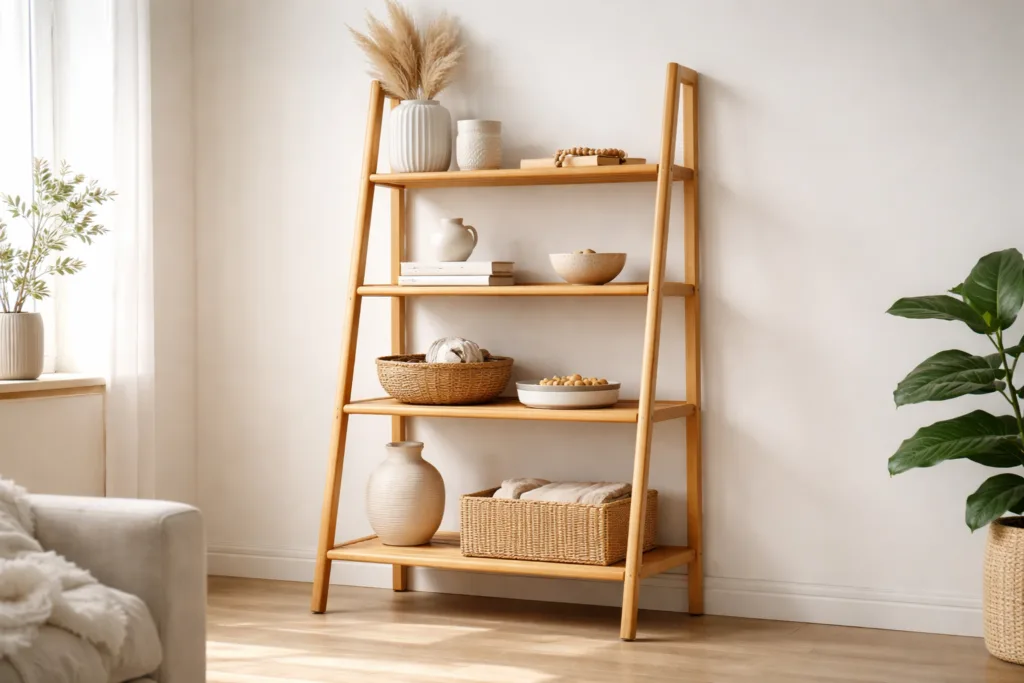
Wobbly Bamboo Shelves (Loose Joints, Instability)
The most immediate frustration is a shelf that never feels secure. This instability is frequently caused by poorly executed joinery, thin frames, or low-density bamboo. Often, budget materials and shortcut assembly make shelves shift, lean, or even loosen further with time.
Shelf Warping and Moisture-Related Deformation
Bamboo is a hygroscopic material—it absorbs and releases moisture from the air. Without careful moisture control, inadequate lamination, or sealing, shelves can visibly bow, twist, or develop surface ripples that compromise integrity and appearance.
Load Failure: Why Shelves Bend or Collapse
Shelves that cannot support the advertised load typically have undersized frames, misestimated weight tolerances, or poorly laminated slats. Load-bearing failures often originate at points of unsupported span, soft joints, or hardware that pulls out under stress.
Other Issues: Fastener Weakness, Surface Finish Problems
Beyond the main structural flaws, many buyers also encounter fasteners that strip or fail, as well as surface coatings that flake, peel, or allow excess moisture ingress, further accelerating shelf degradation.
Why Do Some Bamboo Shelves Become Wobbly So Quickly?
Material Quality: Bamboo Type and Density
The source and density of the bamboo make a real difference. High-fiber, properly matured bamboo results in heavier, more stable panels. Low-quality fill or poorly pressed strips feel lighter, sound hollow, and are less resistant to loosening over time.
Design & Structure: Joinery, Thickness, and Frame Engineering
A robust frame starts with sufficient shelf thickness and well-designed joints. Shelves reliant solely on corner bolts or dowel inserts, with no engineered support, are prone to wobble, especially after repeated moves or incremental wear.
Manufacturing and Assembly Tolerances
Tight production tolerances ensure parts fit snugly and resist vibration or movement. Inconsistent drilling, oversized pre-drilled holes, or hardware without proper grip can all result in early-onset instability.
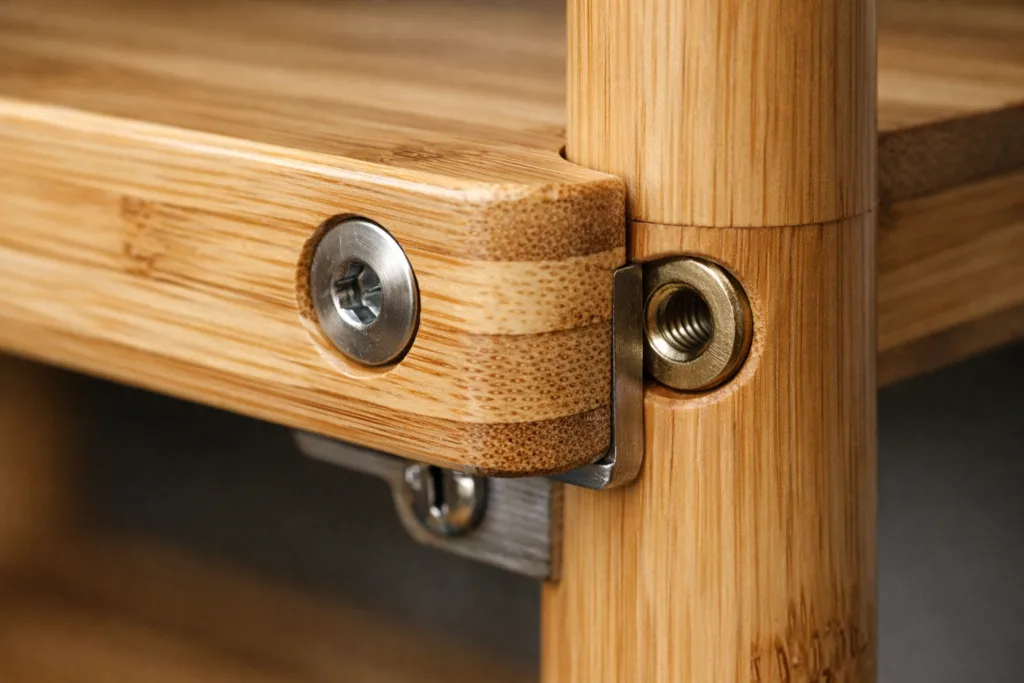
Hardware and Connection Methods
The style and quality of hardware matter. Metal connectors or threaded inserts, when applied correctly, outlast simple nails or low-quality screws. Investing up front in durable connection methods minimizes movement and future re-tightening needs.
Causes of Shelf Warping and Structural Deformation
Effects of Humidity and Poor Moisture Control
Fluctuating humidity is bamboo’s primary enemy. When shelves are manufactured or stored with uncontrolled moisture content, they are far more likely to expand, contract, or deform dramatically once installed in a different environment.
Inadequate Lamination and Pressing
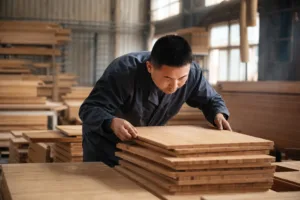
Warp-resistant bamboo shelves are produced using proper lamination pressures and adhesives, ensuring even distribution and layer alignment. Poor lamination leaves gaps or weak bonds, allowing slats to shift independently, leading to bowing or delamination.
Insufficient Finishing or Sealing
A high-quality finish does more than provide visual appeal—it reduces moisture absorption. Weak or patchy sealing, especially at panel edges, allows moisture to penetrate and trigger swelling or splitting.
Load Testing: Where Failures Typically Originate
How Bamboo Shelf Construction Affects Load Capacity
True load capacity relies not just on thicker bamboo, but the whole frame and joint design. Crossbar supports, shelf brackets, and balanced load distribution mitigate bending and prolong use.
Common Points of Failure Under Load
Failures often occur at the midpoint of unsupported spans, or where connection hardware is too close to edge grain. Laminated panels without proper internal support may flex or split at stress points.
Avoiding Load Misestimation for B2B Buyers
B2B procurement often faces mismatched specifications—inadequately tested shelves passed off as “suitable for heavy use.” Reputable manufacturers specify true tested load values and offer span recommendations for safe everyday use.
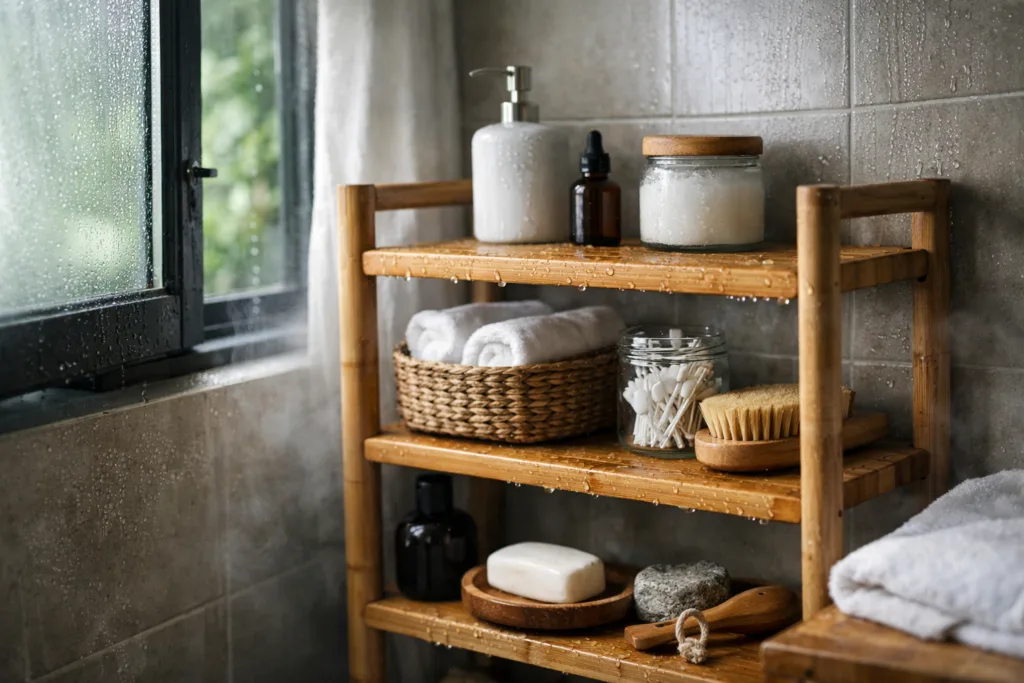
Risks in Damp Environments: What Sourcing Teams Must Know
Moisture-Driven Expansion and Structural Weakness
Bamboo’s pronounced response to moisture means damp settings, such as bathrooms or kitchens, increase the risk of swelling, joint loosening, and delamination. Shelves without sealed edges or water-resistant treatment rarely last in these environments.
Differences Between Bamboo and Wood in Humid Conditions
Unlike most hardwoods, bamboo panels can quickly absorb moisture across their cross-section and expand more erratically. Product designs that work well in wood must be specifically adapted for bamboo’s behavior in humidity.
Recommended Use Scenarios and Limitations
For high-humidity or variable environments, shelves should feature sealed edges, water-resistant adhesives, and limited span lengths. Open-lattice frames outperform solid panels for air circulation and reduced warping risk.
Pre-Purchase Inspection: How to Spot Hidden Quality Risks
What to Examine in Product Samples (For B2B/Importers)
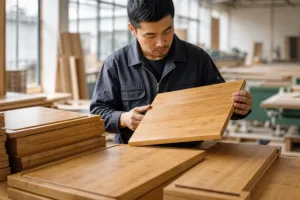
Inspect sample shelves for consistent density, edge treatment, and properly sealed joints. Tap panels to check for internal hollowness and gently stress joints to expose hidden looseness.
Red Flags in Shelf Construction, Hardware, and Assembly
Uneven lamination seams, visible glue squeeze-out, thin fasteners, or easily rotating bolts indicate rushed production and reduced life expectancy. Shelves with rough, unfinished edges will absorb moisture, compounding long-term risks.
Evaluating Finish Quality and Moisture Protection
Look for even, continuous finishing—especially on panel ends and underside edges. Water beads up on sealed surfaces; absorption marks signal inadequate protection. These small details are often the first line of defense against future problems.
Post-Delivery Checks and Best Practices for Shelf Longevity
How to Inspect Shelves Upon Receipt
After delivery, review for shipping-induced stress cracks, uneven surfaces, and confirm hardware is included and undamaged. Test joints by applying moderate pressure to ensure stability before full assembly.
Proper Assembly to Minimize Wobbling
Assembly order matters—always tighten from the center outwards. For cam locks or screw-in joints, avoid over-torquing, which damages soft bamboo grain and weakens future holds. Recheck stability after placing the first load.
Using Bamboo Shelves Safely Under Load
Distribute objects evenly across all shelves and avoid sudden heavy loads on unsupported centers. Shelves intended for heavier objects should be placed lowest to maximize frame support and reduce overall stress.
Maintenance and Care for Structural Stability
Wipe surfaces only with a damp, not wet, cloth, and do not let water pool at joints or edges. Every few months, recheck fasteners and confirm shelves feel solid—early small fixes prevent later major failures.
Summary: Key Takeaways for Sourcing Durable Bamboo Shelves
Sourcing quality bamboo shelves is about more than surface appearance; it depends on material density, structural design, moisture management, and reliable assembly. Buyers evaluating shelf options should prioritize clear manufacturer specifications, robust joinery, and honest use-case recommendations over just catalog photography. Addressing these considerations up front minimizes quality complaints and maximizes long-term satisfaction in retail or home settings.
Related Resources and Internal Links
- full range of bamboo products
- bamboo 3-tier storage rack designs
- custom wood product manufacturing
- under-sink storage with bamboo shelves
Frequently Asked Questions
What makes bamboo shelves wobbly or unstable?
Poor joinery design, low-density bamboo, or imprecise hardware can result in loose connections that cause shelves to wobble, especially after regular use or moving.
How can I prevent bamboo shelves from warping?
Choose shelves with proper lamination, edge sealing, and moisture control. Avoid placing them in areas with large humidity swings or dampness unless they’re rated for such use.
What’s the best way to check shelf load capacity?
Look for stated manufacturer load ratings tested on the full shelf span. When in doubt, use shelves well below their maximum rated weight and distribute loads evenly.
Are bamboo shelves suitable for bathrooms or kitchens?
Only if they feature sealed surfaces, water-resistant adhesives, and sturdy construction; otherwise, moisture can weaken structure and finish. Check manufacturer recommendations.
How do I spot poor-quality bamboo shelves before buying?
Inspect for hollow-sounding panels, rough finishing, visible joint gaps, or flimsy hardware. Reliable manufacturers offer detailed material and construction specifications.
Is maintenance required to keep bamboo shelves durable?
Yes—regularly check fasteners for tightness, avoid standing water, and clean with a damp cloth. Proper care prolongs shelf life and prevents structural issues.