Introduction
Businesses all over the world rely on overseas sourcing to keep costs competitive and source specialty materials. In the bamboo and wood industry, risk management in overseas sourcing is especially important. Sourcing internationally introduces extra challenges that can impact quality, delivery, compliance, and sustainability. Understanding and preparing for these risks helps companies build resilient supply chains and deliver safe, reliable products. This article explores the core risks, strategies, and lessons learned in handling overseas sourcing for bamboo and wood products.
Common Risks in Overseas Sourcing

Sourcing bamboo and wood products from abroad can be rewarding, but it’s important to be aware of several common risks:
- Quality Control Issues: Inconsistent material grade or manufacturing standards can lead to poor product performance, safety hazards, and brand damage. Differences in wood curing, bamboo selection, or adhesive types require special attention.
- Supply Chain Disruptions: Delays may result from transportation breakdowns, port congestion, natural disasters, political instability, or pandemics. These affect everything from simple wooden utensils to complex bamboo organizers.
- Regulatory and Compliance Risks: Each country has different regulations for imported wood and bamboo, such as phytosanitary requirements, import taxes, or labeling laws. Failure to comply can mean fines, seizures, or destroyed shipments.
- Cultural and Communication Barriers: Language differences or cultural misunderstandings can create misaligned specifications, delays, or disputes.
- Environmental and Sustainability Challenges: Bamboo and wood are renewable, but illegal logging or unsustainable harvesting could devastate forests and communities. It’s critical to check for certification and transparent sourcing.
Looking for a reliable manufacturer who understands bamboo and wood standards? Explore our bamboo products manufacturer solutions—tailored to your specifications.
Risk Identification and Assessment
Every import business should start by identifying and carefully assessing the risks unique to overseas bamboo and wood sourcing. For example, does your supplier use kiln-dried wood to prevent warping? Are bamboo items correctly carbonized to resist mold? These product-specific concerns drastically change both product lifespan and customer satisfaction.
- Recognizing Potential Risks: Some hazards are obvious (delayed shipments), while others, like pesticide contamination or false certifications, require deeper scrutiny. Are your items for kitchen use or childcare? Then food-safe adhesives and lead-free paint matter most.
- Tools and Methods: Common approaches include supplier audits, on-site inspections, risk matrices, and sample testing protocols. Tools such as ISO 9001 for quality, or FSC certification for wood, help document and standardize expectations.
Strategies for Risk Mitigation
Managing overseas risk is about active control, not leaving things to chance. Effective strategies include:
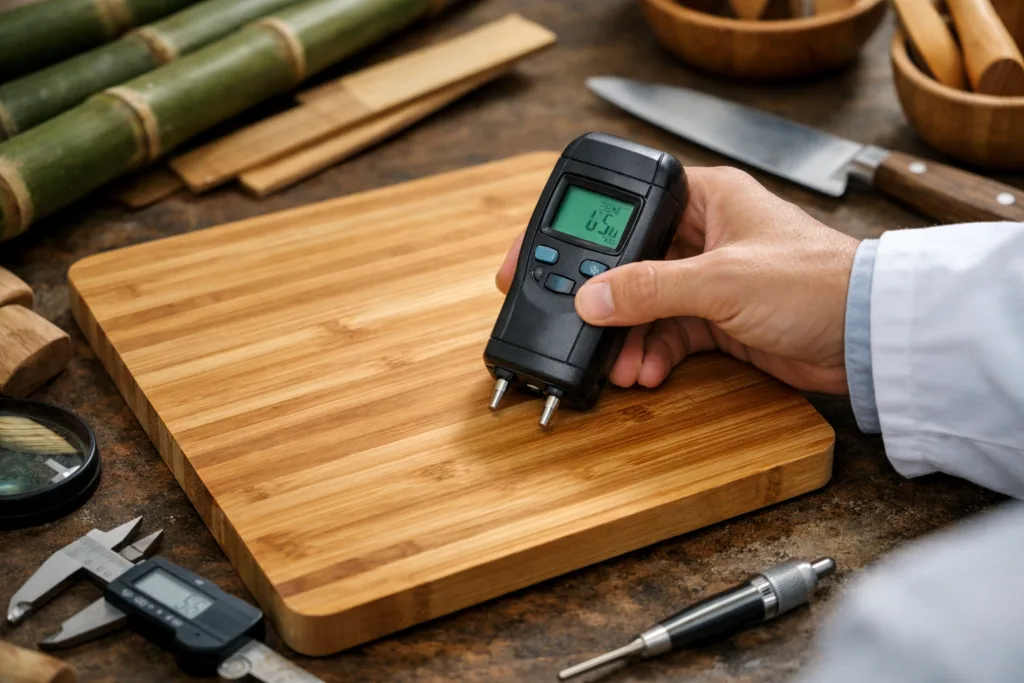
- Supplier Selection and Audits: Vetting partners can’t be a one-off. Companies like Bamboo Wood Art look at material origin, minimum order quantities (MOQ), staff training, and production records—down to moisture readings for each shipment.
- Quality Assurance Practices: Send detailed specifications (size, color, finish), request pre-shipment samples, and arrange third-party inspections. For high-risk products, ongoing random batch sampling is essential.
- Diversification of Supply Sources: Don’t rely on a single region or supplier for all needs. Diversifying your supply chain, such as balancing Chinese bamboo with Vietnamese or Indian wood, helps cushion against global shocks.
- Contracts and Legal Protections: Clear contracts define remedies for defects, late shipments, or quantity discrepancies. Include reference to Incoterms for clarity—see our Incoterms 2026 guide for buyer protections.
- Sustainability and Ethical Sourcing: Ask for FSC, PEFC, or similar certifications. Confirm fair labor standards and traceability for your entire supply chain—especially if selling eco goods or to corporate clients.
Case Studies
Let’s examine how real companies manage these risks in the bamboo and wood sector:
- Bamboo Cutting Boards and Molding: A North American kitchenware company faced dozens of returns due to warping and mold. Careful supplier audits identified inadequate kiln drying. By working with a manufacturer who maintained logs on drying times and humidity levels, defect rates dropped by 80%—saving both their reputation and profit margins.
- Chopstick and Toothbrush Sourcing: Some brands with a focus on gifts for vegans switched from plastic to bamboo, only to run into unexpected packaging and food safety issues. One solution was to audit both primary and secondary suppliers for child labor, surface treatment standards, and correct forest certification. For regulatory assurance, they consulted resources like our piece on how to source bamboo products from China.
- Shipping and Documentation: A European firm lost a major shipment due to missing phytosanitary certificates. They learned to work with customs brokers early and upgraded contract terms, as explored in our guide to shipping bamboo globally.
Risk Management in Overseas Sourcing
Mastering risk management in overseas sourcing is an ongoing process. Bamboo and wood industries face unique volatility—from climate-influenced harvests to evolving biosecurity rules. Partnering with experienced manufacturers who invest in infrastructure (moisture control, ethical audits, trackable batches) makes a big difference. Being proactive in quality checks, supplier relationships, and sustainable practices lays a foundation for lasting success and peace of mind.
Conclusion
Risk management in overseas sourcing is no longer optional—it’s a core skillset for any buyer or supplier in the bamboo and wood industries. As sourcing partners’ expectations grow and regulations tighten, only businesses with robust risk strategies, like clear quality protocols, diversified suppliers, and written contracts, will thrive. Staying updated on sustainability trends and leaning into verified supply chain transparency will open new doors in global trade. By prioritizing due diligence and long-term partnerships, companies can build resilient, successful sourcing operations now and for the future.
Frequently Asked Questions

What are some early warning signs of poor quality in bamboo or wood shipments?
Look for uneven color, visible surface cracks, excessive moisture content, warped panels, or mildew smell. Early detection means less risk to your reputation.
How can I verify my bamboo supplier’s environmental claims?
Request certification documents (such as FSC), ask for supply chain traceability, and consider third-party or on-site factory audits for extra assurance.
What’s the best way to avoid communication issues with overseas suppliers?
Use detailed written specifications, clear drawings, and confirm every change in writing. When possible, work with bilingual staff or qualified sourcing agents.
Are there special considerations for shipping bamboo and wood internationally?
Yes, both require correct packaging, fumigation, documentation, and sometimes import permits. Using experienced freight forwarders minimizes customs delays.
How can I prevent supply chain disruptions?
Develop backup suppliers, maintain higher stock during political or seasonal risk periods, and build in flexible delivery timelines within contracts.
Is it necessary to visit overseas factories in person?
While remote audits and third-party inspections are helpful, factory visits provide firsthand understanding and help build long-term trust and problem-solving channels.