Introduction
Bamboo is beloved for its sustainability, versatility, and natural charm—but it’s also prized for its peculiar ability to remain comfortably cool even when exposed to hot surfaces. Why is it that a bamboo spoon, for example, doesn’t scald your hand the way a metal one might? Understanding how materials transfer heat explains why bamboo products stand out as household favorites for cooks, builders, and designers seeking natural insulation. Material choice can dramatically impact user comfort, energy savings, and even safety—especially whenever exposure to high or low temperatures is likely.
What Is Thermal Conductivity?
Thermal conductivity measures a material’s ability to transfer heat from one side to the other. In scientific terms, it represents how efficiently molecules or atoms in a substance pass on their energy. Metals like aluminum or copper are famous for their high thermal conductivity—heat moves through them rapidly. Non-metals like bamboo, wood, plastic, and air, display much lower thermal conductivity, meaning they resist heat flow and act as insulators.
Bamboo Wood Art is a direct manufacturer specializing in custom bamboo utensils and kitchenware made to your order—explore our bamboo products manufacturer options today.
Structure of Bamboo
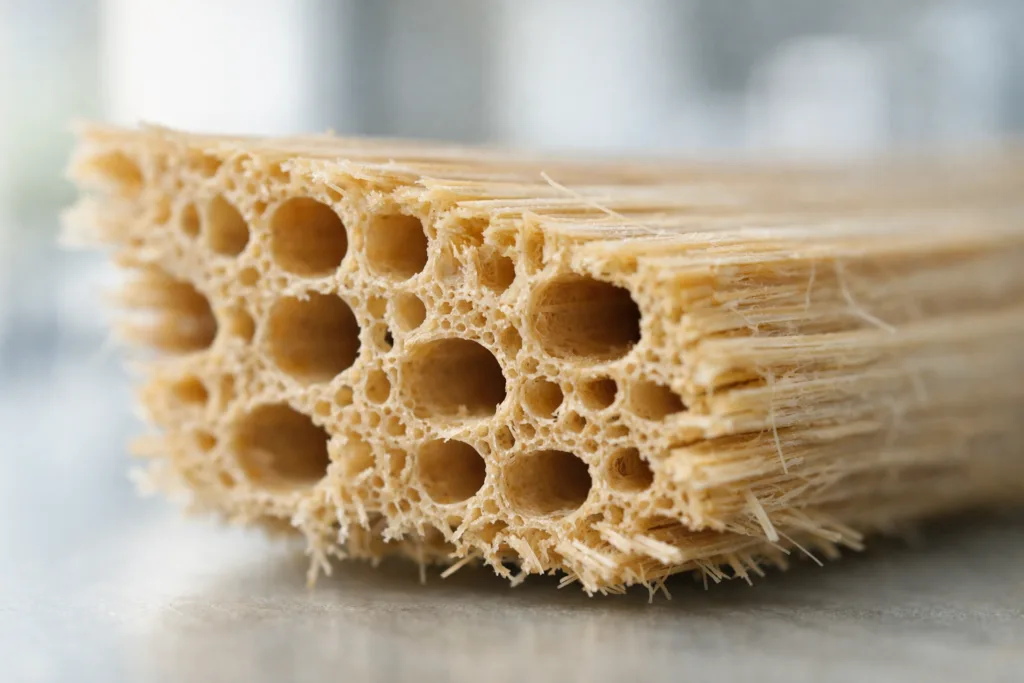
Bamboo’s unique cellular make-up sets it apart from metals and many other materials. Under a microscope, bamboo reveals slender, hollow tubes (vascular bundles) laced with strong fibers that run the length of each culm (stem). The plant’s cell walls are rich in cellulose, hemicellulose, and lignin—compounds found in all woody plants, lending structure and toughness.
Crucially, these cell walls are not solid masses; they contain air pockets and gaps between fibers. It’s this natural porosity—full of microscopic “dead” air space—that gives bamboo its lightweight feel and contributes enormously to its great insulation properties. Compared to metal, which forms a tight, dense lattice of atoms, bamboo’s structure is loose and airy.
Why Bamboo Doesn’t Conduct Heat Like Metal
Metals efficiently conduct heat mainly due to the presence of free-moving electrons. In metals, these electrons can travel rapidly, carrying thermal energy across the material’s structure almost instantly. That’s why touching a metal spoon left in a hot pot can be risky!
Bamboo, on the other hand, lacks these free electrons. Its heat transfer depends on the slow process of lattice (molecular) vibration. Additionally, the organic fibers and the air trapped inside bamboo’s cellular structure act as barriers—further reducing heat transport through its length. According to published data, the thermal conductivity of bamboo typically ranges from 0.12–0.25 W/m·K (watts per meter per kelvin), while common metals like aluminum boast values up to 205 W/m·K—literally thousands of times more conductive.
In practical terms, this means that a bamboo spatula will take far longer to heat up than an aluminum or stainless-steel one in the same pot, remaining comfortable to the touch.
Comparing Bamboo, Wood, and Metal in the Kitchen
| Material | Thermal Conductivity (W/m·K) | Touch Sensation |
|---|---|---|
| Bamboo | 0.12–0.25 | Cool/Comfortable |
| Hardwood (e.g. beech) | 0.12–0.16 | Cool/Comfortable |
| Stainless Steel | 15–20 | Quick to Heat Up |
| Aluminum | 205 | Very Hot, Very Fast |
Applications of Bamboo’s Low Heat Conductivity
So where does bamboo’s resistance to heat transfer make the biggest impact?
Bamboo Utensils and Cookware
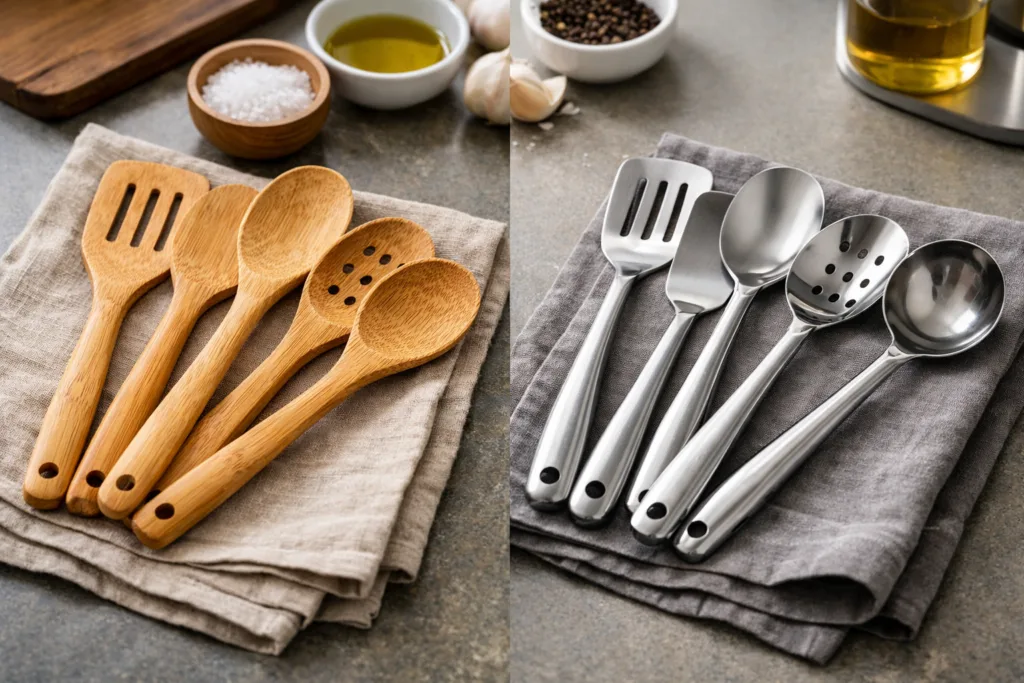
Bamboo spoons, spatulas, chopsticks, and steamer baskets are kitchen essentials for good reason. They allow you to handle hot food and liquids without the risk of burns or discomfort. Bamboo cutting boards and serving trays also stay comfortable to the touch, even when carrying a hot dish.
This same property is why bamboo is a perfect choice for kitchen tools that are gentle on non-stick pans—heat won’t quickly break down bamboo, and bamboo won’t scorch or melt the way some plastics do.
Construction Uses for Insulation
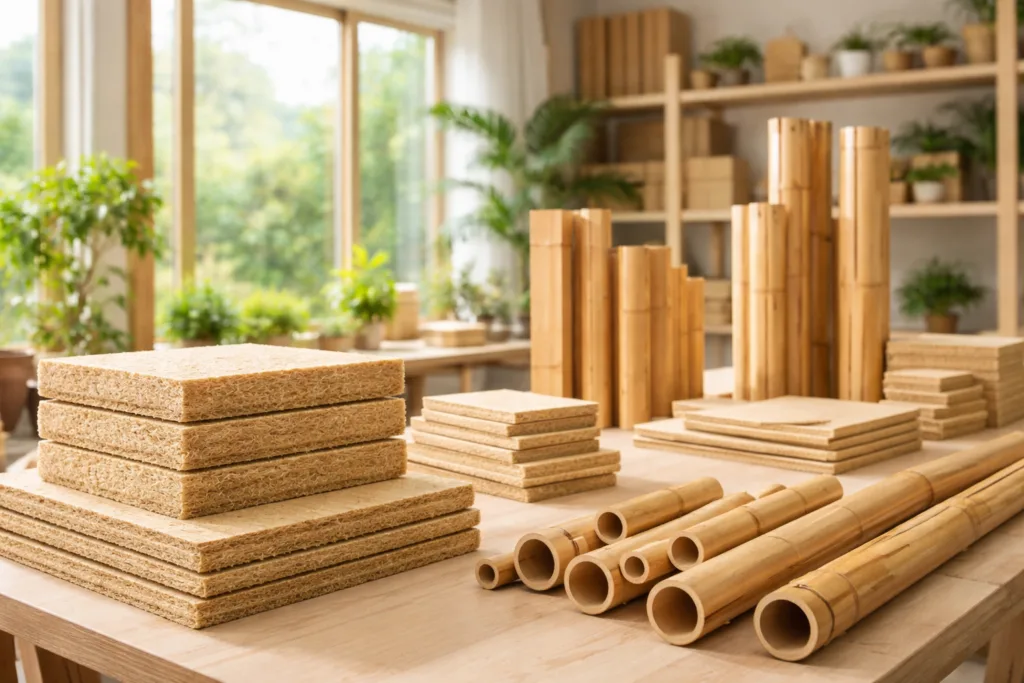
Builders historically use bamboo for walls, ceilings, and floors in tropical regions. The air-filled fibers of bamboo keep interiors cooler—important in hot climates—and reduce the need for costly artificial cooling. Compared to metal roofing, bamboo-based panels don’t heat up as quickly under the sun and can maintain more stable indoor temperatures.
Sustainability and Daily Benefits
Bamboo’s rapid regrowth and minimal processing requirements make it a renewable, low-carbon material for products like storage racks, baskets, and organizer trays, all benefitting from natural insulation. Choosing bamboo helps reduce single-use plastics and metals—making homes and workplaces safer and more sustainable, with the bonus of greater comfort in hot and cold weather.
How Bamboo’s Manufacturing Impacts Its Thermal Properties
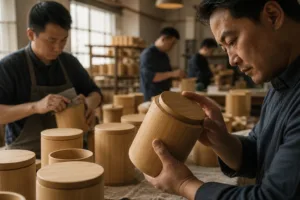
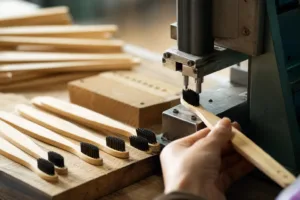
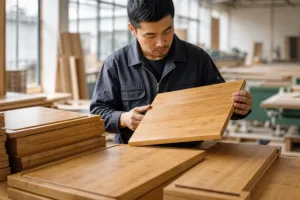
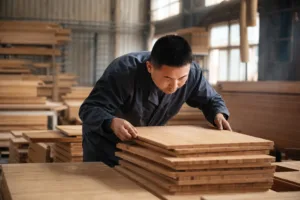
Industry insight reveals that the process of making bamboo products can influence their insulating characteristics. At Bamboo Wood Art, for example, we carefully control the age, drying, and grain orientation of raw bamboo. Younger bamboo—less dense and more porous—acts as a slightly better insulator than older, denser stock. Kiln drying is vital: over-drying can collapse air spaces, while under-drying can leave too much moisture, reducing performance and durability. Our factory team also selects between vertical and horizontal grain layouts depending on the intended product, as grain orientation subtly affects both heat transfer and strength. These details are crucial when crafting items meant for daily, hands-on use or food contact safety.
Why Bamboo Doesn’t Conduct Heat Like Metal
To summarize, bamboo’s cool-to-touch feature comes not from trickery but from the way nature designed it: porous, fiber-rich, and free of the fast-moving electrons that enable metals to get hot quickly. The natural architecture of bamboo, full of air gaps and insulated fibers, is exceptionally suited for keeping heat at bay. Contrast that with the rigid, unbroken structure of metals and their electron “superhighways,” and the choice for certain tasks becomes clear.
Conclusion
Bamboo does not conduct heat like metal due to its cellular structure, organic composition, and natural porosity. The difference between these materials isn’t just scientific—it’s practical, impacting everything from kitchen comfort to home insulation and product sustainability. For those seeking natural solutions for safety, energy savings, and eco-friendly living, bamboo delivers advantages metals simply can’t match. Next time you pick up a bamboo utensil or relax in a bamboo-furnished room, remember: science and nature truly work together to make your experience safer and more comfortable.
Frequently Asked Questions
Is bamboo a good thermal insulator for homes?
Yes, bamboo’s porous structure and air pockets make it an effective insulator, helping to keep buildings cooler in hot weather and warmer in the cold compared to metal or even some hardwoods.
Can bamboo products get hot in the sun?
Bamboo can warm up in direct sunlight, but it will always heat up more slowly and to a lower temperature than metals, staying safer to touch in most environments.
Are there any drawbacks to using bamboo over metal for kitchen utensils?
Bamboo utensils may wear out faster under heavy use or very high temperatures and aren’t ideal for cutting or scraping very hard surfaces, but they are much more comfortable to handle around heat than metal alternatives.
Does the way bamboo is processed impact its insulation?
Yes, processing steps like proper drying, selection of bamboo age, and careful grain orientation can enhance bamboo’s natural insulating qualities and durability for finished products.
How does bamboo’s heat resistance compare to plastic?
Bamboo resists heat better than most plastics, won’t melt at typical cooking temperatures, and doesn’t release potentially harmful chemicals when exposed to heat, unlike many synthetics.
Are bamboo utensils safe for use with non-stick cookware?
Absolutely! Bamboo is gentle on non-stick surfaces, won’t scratch coatings, and stays cool in use, making it an excellent choice for non-stick pans and pots.