Introduction
Welcome to this in-depth case study: developing a custom cutting board line. Customization has become a driving force in today’s kitchenware market, where customers want products that reflect their values and needs. With bamboo wood rising in popularity for eco-conscious consumers, more brands and entrepreneurs are exploring custom cutting boards as both a creative venture and a sustainable business opportunity. This case study unpacks each step of the journey from research to production, handling real-world challenges and key decisions along the way.
Market Research & Target Audience
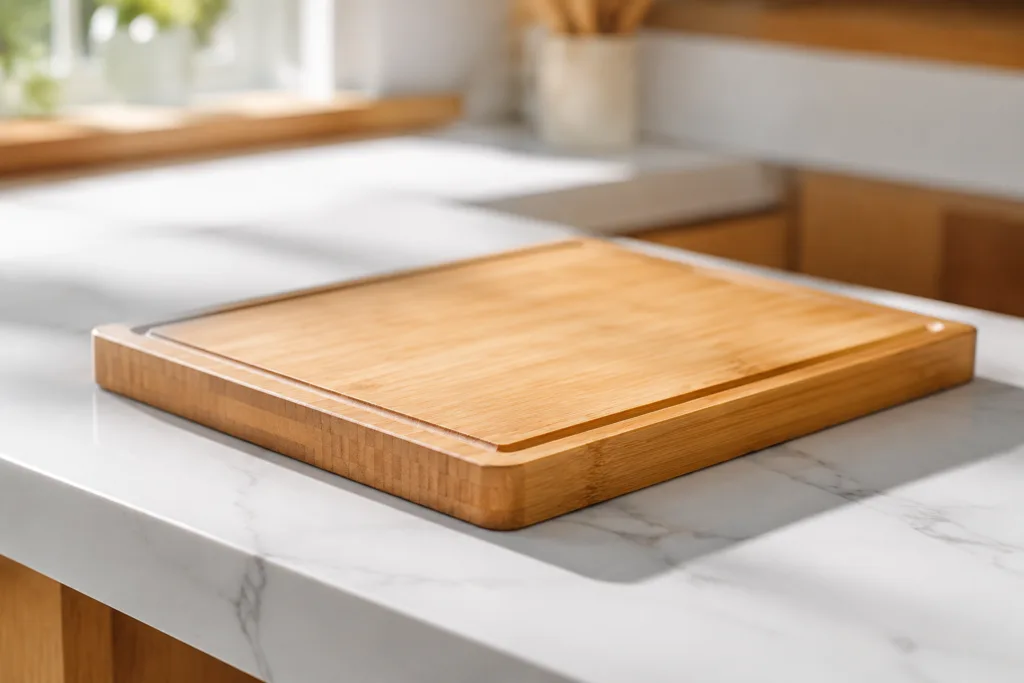
Any successful product starts with understanding what buyers want. Market research pointed toward several clear trends for cutting boards. Firstly, the modern consumer is not just looking for a functional item, but something stylish that enhances their kitchen’s aesthetic. Personalization, whether through engraved names or unique shapes, is gaining fast traction. Moreover, buyers are showing increased concern for the environmental impact of their purchases. This has pushed bamboo wood to the forefront—prized for its renewable nature and elegant look.
- Identifying Consumer Trends: Analysis of online reviews and retailer data shows rising interest in non-toxic, eco-friendly kitchen tools. Shoppers want boards that hybridize durability and a natural look.
- The Growing Demand for Bamboo Wood: Bamboo isn’t technically wood—it’s a grass. Still, it’s emerged as a strong and sustainable alternative to traditional hardwoods. Lightweight, antimicrobial, and fast-growing, bamboo appeals to environmentally aware buyers who don’t want to trade style for conscience.
- Environmental Sustainability: Sustainable harvesting and processing have become major selling points. Products made with responsibly sourced bamboo are frequently highlighted in campaigns, and customers reward transparency about where and how materials are harvested.
As a premium bamboo cutting board manufacturer, we offer tailored solutions so your brand can stand out with custom designs.
Design & Development Process
Designing a custom cutting board line is no small feat, combining creativity with engineering. The process begins by brainstorming distinctive features—think built-in juice grooves, handle options, size variations, and laser-engraved logos. Focus groups and competitor benchmarking guide these decisions to ensure practical appeal and market differentiation.
- Conceptualizing Unique Features: The design phase explores trends like reversible surfaces, integrated measuring guidelines, and multipurpose use (serving + prepping). User experience is front of mind. Customer surveys often highlight the importance of easy handling and maintenance.
- Material Selection: Advantages of Bamboo and Wood: Bamboo stands out for its strength, gentle effect on knives, and natural resistance to bacteria. Compared to hardwoods, it’s lighter and quicker to grow, supporting sustainability efforts. Careful grain orientation and kiln-drying manage warping risks, while food-safe adhesives and finishes meet health standards.
- Prototyping and Testing: Before entering full production, prototypes are stress-tested for durability, warping, and finish integrity. Feedback loops with chefs and home cooks help refine board thickness, edge smoothness, and anti-slip features. This stage ensures the final product is robust and user-friendly.
Production & Quality Assurance
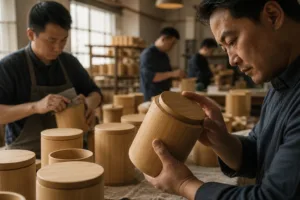
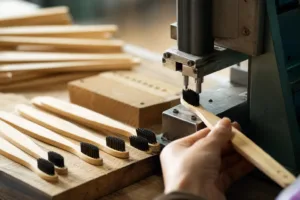
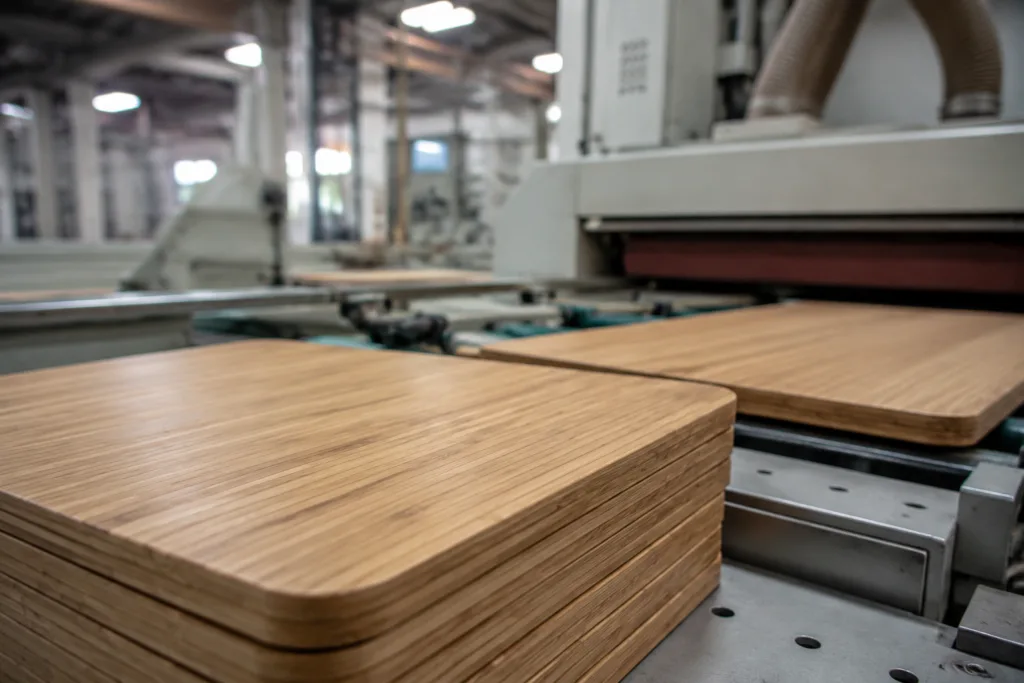
The leap from concept to finished product demands precision. Manufacturers with deep experience in bamboo fabrication, like those behind custom bamboo cutting boards, use specialized presses and CNC machinery to create uniform boards. Vertical integration—controlling bamboo sourcing and processing—improves quality and consistency.
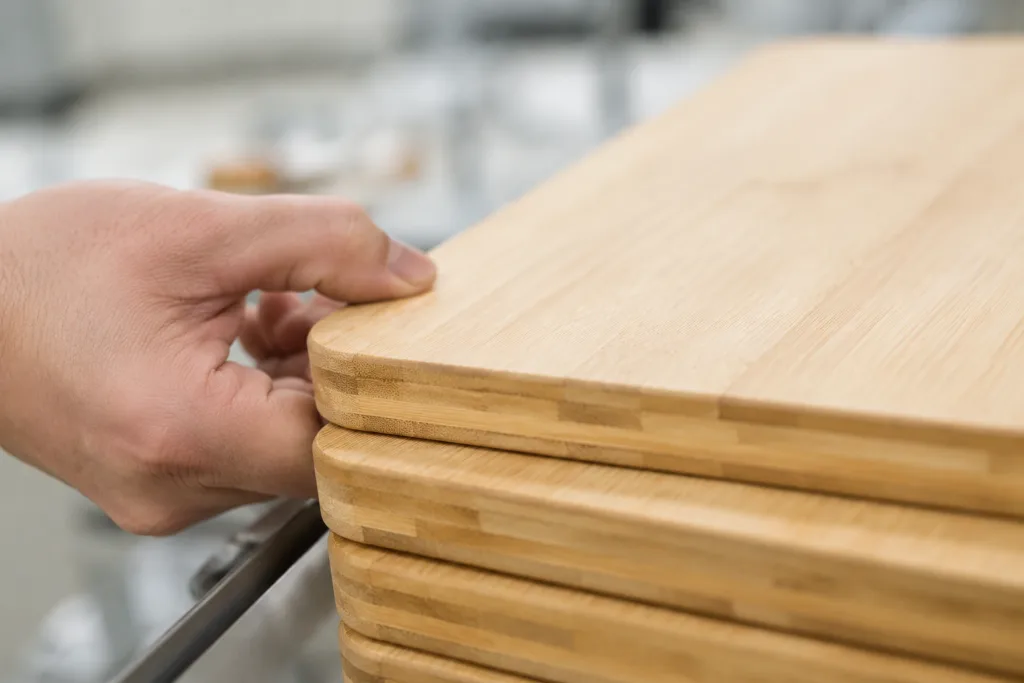
- Manufacturing Process for Bamboo Cutting Boards: Fresh bamboo stalks are cut, split, and carbonized to reduce starch. Each slice is pressed under high pressure and bonded with food-safe adhesives. After being shaped and sanded, boards receive several quality checks.
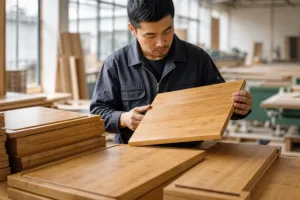
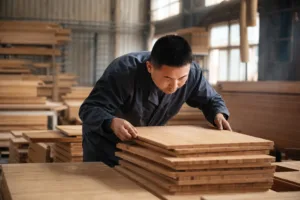
- Quality Control Measures: Quality assurance doesn’t end on the shop floor. Each board undergoes moisture content testing, adhesive inspection, and finish verification for food safety. Certifications (like FDA, LFGB, or SGS reports) reassure customers and help brands comply with retailer requirements. Regular process audits and staff training keep standards high.
Branding & Marketing Strategies
After building a product, shaping its story is critical. A compelling, eco-friendly brand image sets custom bamboo cutting boards apart. Many successful launches utilize storytelling—detailing the journey from bamboo forest to kitchen counter—to foster an emotional connection and convey transparency.
- Creating an Eco-Friendly Brand Image: Packaging and marketing materials stress non-toxic finishes, renewable sourcing, and plastic-free shipping. Consistent use of natural photography and earthy tones resonates with the audience.
- Storytelling: Bamboo’s Journey: Educate consumers about the fast growth and minimal environmental footprint of bamboo. Some brands highlight partnerships with sustainable forestry initiatives or investments in reforestation efforts, cementing their commitment to green practices.
- Marketing Channels: Effective outreach mixes social media, influencer campaigns, and trade show appearances. Digital product demonstrations and behind-the-scenes content introduce customers to the craftsmanship underlying each board. A good example can be seen in the process of prototyping bamboo samples for wholesale and retail buyers alike.
Challenges & Lessons Learned
No case study would be complete without facing—and overcoming—obstacles. One of the biggest has been sourcing truly sustainable bamboo. Verifying farm practices, ensuring proper drying to avoid mold, and tracking shipments adds complexity.
- Sourcing Sustainable Bamboo: Not all suppliers use best practices. Visiting farms, inspecting facilities, and asking for chain-of-custody documentation has become a requirement to ensure no shortcuts undermine the eco-friendly value proposition.
- Overcoming Production Hurdles: Warping, glue failures, and finish inconsistencies plague lower quality boards. Manufacturers like Bamboo Wood Art invest in multi-stage kiln drying and high-grit sanding to reduce quality complaints and maximize smoothness and longevity.
- Responding to Customer Feedback: Flexibility is critical. When early buyers noted minor scratching or residue issues, the team reworked sanding protocols and switched to higher-grade food-safe oils. This iterative approach strengthens reputation and product life cycle.
Case Study: Developing a Custom Cutting Board Line
This project stands as a model for blending creativity, sustainability, and practical business execution. By prioritizing market research, listening to user needs, and refusing to cut corners in production, the team brought a bamboo cutting board line to life that genuinely resonated with conscious buyers. Tools like adjustable sample prototyping and strategic brand storytelling made a measurable difference in buyer engagement and repeat orders.
Conclusion
Developing a custom cutting board line takes foresight, resilience, and a willingness to embrace feedback. The journey—starting from idea and scaling through careful research, design, and manufacturing—delivered a product range that’s both sustainable and desirable. The lessons learned, from bamboo resource verification to precise finish standards, will guide future launches and innovations in the homeware market longer-term. As eco-minded consumers grow in numbers, custom bamboo cutting boards are sure to remain a kitchen staple for years to come.
Frequently Asked Questions
What makes bamboo a good choice for cutting boards?
Bamboo is fast-growing, durable, and naturally antimicrobial. It doesn’t dull knives as quickly as some hardwoods and is a renewable resource ideal for eco-conscious buyers.
How do you ensure bamboo cutting boards are food safe?
Bamboo boards use food-grade adhesives and finishes. Quality producers obtain certifications from agencies like the FDA or LFGB, confirming safe standards.
What features can be customized in a bamboo cutting board line?
Common customizations include dimensions, thickness, handle style, juice grooves, branding via laser engraving, packaging, and unique shapes suited to specific customer groups.
How do manufacturers handle quality control for bamboo boards?
Consistent checks for moisture, bonding, sanding smoothness, and finish application help ensure boards don’t warp, crack, or become unsafe over time.
Can bamboo cutting boards be recycled or composted?
Most untreated bamboo boards can be composted at the end of their life, supporting circular sustainability. If finished, they may require careful processing before disposal.
What is the usual minimum order quantity (MOQ) for custom bamboo boards?
MOQs vary by manufacturer but generally start between 100 and 500 units, depending on the level of customization and packaging needs.