Introduction
Wooden combs and bamboo combs are more than just hair care tools—they’re investments in natural beauty and sustainability. Discovering how to oil your wooden comb for longevity is the first step toward maintaining your comb’s health and maximizing its life. With a few simple habits, you can keep your comb smooth, shiny, and resistant to wear, making every grooming session gentle and effective.
Why Oil Your Wooden/Bamboo Comb?
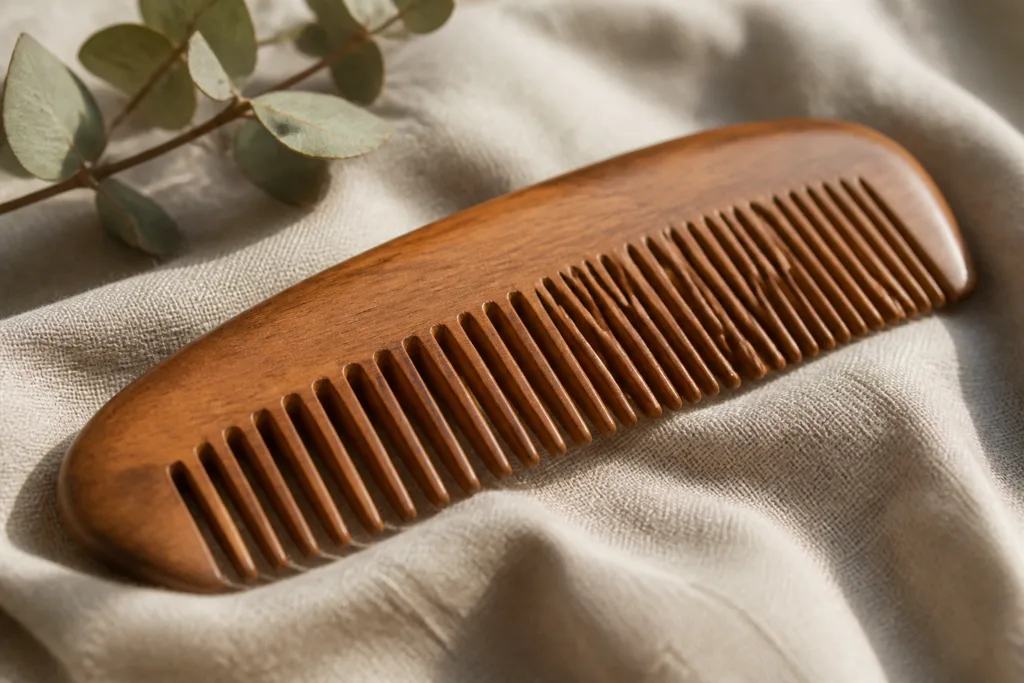
- Prevents dryness and cracking by replenishing lost oils.
- Enhances durability and strength, reducing the risk of splits and breakage.
- Maintains a smooth texture for gentle hair care, helping your comb glide with less friction.
- Helps preserve the natural beauty and color of both bamboo and wood-based combs.
Oiling your comb is essential for keeping the teeth free from splinters and ensuring a comfortable experience. It’s especially important for combs exposed to moisture or frequent cleaning, as water can strip away the protective finish. Over time, a well-oiled wooden comb is less likely to warp or bend compared with untreated combs.
If you’re seeking custom options or need wooden combs in bulk, consider exploring our manufacturer solutions for tailored sourcing and design.
Choosing the Right Oil for Your Comb
- Mineral Oil: Lightweight, odorless, food safe, suitable for most wood and bamboo combs.
- Coconut Oil: Adds moisture and a mild scent, but may require careful wiping due to residue.
- Jojoba Oil: Closely mimics natural wood oils, quickly absorbed, leaves a gentle shine.
- Linseed Oil: Deeply penetrates wood fibers, boosting durability.
- Walnut and Olive Oils: Both offer natural conditioning; olive oil should be wiped off thoroughly to avoid stickiness.
Avoid heavy oils (like castor) and chemical-based treatments, which can discolor wood or attract dust. Always stick to natural, food-safe options for combs used daily, especially for those with sensitive scalps.
If you’d like to learn more about how wooden combs help reduce static and frizz, visit our guide: How Wooden Combs Reduce Static and Frizz.
Step-by-Step Guide: How to Oil Your Comb
| Step | Description |
|---|---|
| Clean Your Comb | Wipe gently with a soft, dry or slightly damp cloth to remove dust and residue. Avoid soaking. |
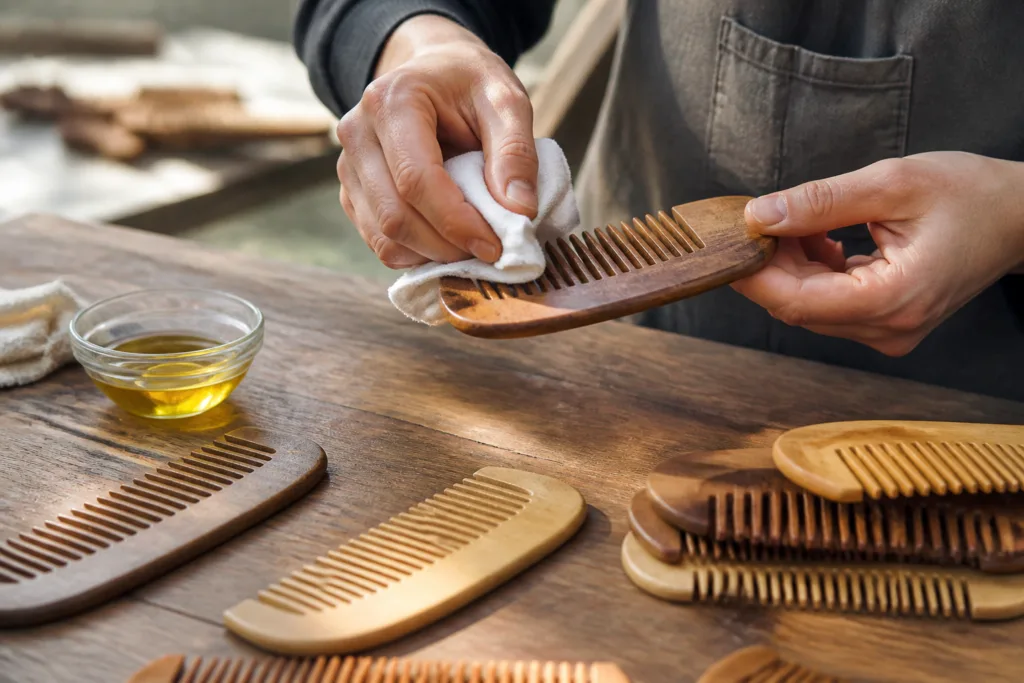
| Apply Oil | Use a cotton cloth or small brush to dab a small, even amount of oil onto the comb’s surface and teeth. |
| Massage Oil | Rub oil into the wood/bamboo grain, paying special attention to the teeth and handle. Ensure full coverage. |
| Wipe Off Excess | Buff away surplus oil with a clean, dry cloth, leaving a silky finish. |
| Dry and Settle | Let your comb sit in a dry, shaded area for at least 2–8 hours to let the oil cure. |
Repeat these steps every 1–2 months or whenever your comb looks dull or feels rough. For deep maintenance, gently sand any rough spots with fine-grit sandpaper before oiling.
Maintenance Tips for Wooden & Bamboo Combs
- Oil your comb every 1–2 months based on climate and usage.
- Store in a dry place, away from direct sunlight or closeness to heat sources.
- Never leave your comb soaking in water, and avoid using harsh soaps.
- Keep away from excessive moisture, such as bathrooms with poor ventilation.
- Inspect for rough edges or splinters—light sanding can restore smoothness before oiling.
Routine care prolongs the comb’s useful life and preserves both its performance and aesthetics. If you’re using a bamboo comb, remember that bamboo’s natural resilience benefits from manufacturers’ processes like kiln drying and precision sanding. Bamboo Wood Art often selects thicker bamboo stock and aligns vertical grain for added durability, supporting combs that withstand frequent washing and oiling.
Wondering how to properly clean your comb before oiling? Check out Cleaning Your Wooden Comb: Do’s and Don’ts for practical advice.
Common Mistakes to Avoid When Oiling Your Comb
- Using too much oil—always apply in small doses and wipe off fully.
- Applying oil to a dirty comb—the surface must be clean for proper absorption.
- Leaving oil unfinished—allow the oil to cure in a well-ventilated, dry area.
- Ignoring splinters—smooth out rough edges before oiling.
- Overusing heavy or scented oils—may disturb natural wood quality.
Benefits of Oiling: More Than Just Longevity
- Improved glide and comfort for hair and scalp.
- Smoother detangling with fewer snags.
- Helps maintain comb’s shine and color.
- Supports eco-friendly, sustainable hair care routines.
- Minimizes static in hair, especially during dry seasons.
A properly oiled bamboo or wooden comb does more than last—it becomes an integral part of a mindful grooming ritual.
How Often Should You Oil Your Comb?
The ideal frequency depends on climate, usage, and hair type. Most users should oil their wooden or bamboo comb every 1–2 months, or whenever the wood appears dry, loses shine, or the teeth feel rough. If your comb is regularly exposed to water or extreme humidity, a slightly higher frequency can help sustain its condition.
Choosing Between Bamboo and Wood Combs
| Material | Durability | Oiling Frequency | Benefits |
|---|---|---|---|
| Bamboo | High (natural anti-mold) | Every 2 months | Lightweight, sustainable |
| Wood | Medium-High | Monthly (varies by wood type) | Often richer grain, sturdy feel |
Both materials respond well to oiling, but bamboo’s unique cellular structure makes it slightly more moisture resistant, while wood often has softer, richer textures that need proactive oiling for longevity. Comparing bamboo and neem wood combs? See our breakdown at Bamboo vs. Neem Wood Combs: Which is Best for Scalp?.
Best Practices for Storing Oiled Wooden and Bamboo Combs
- Choose open or ventilated storage to avoid trapped humidity.
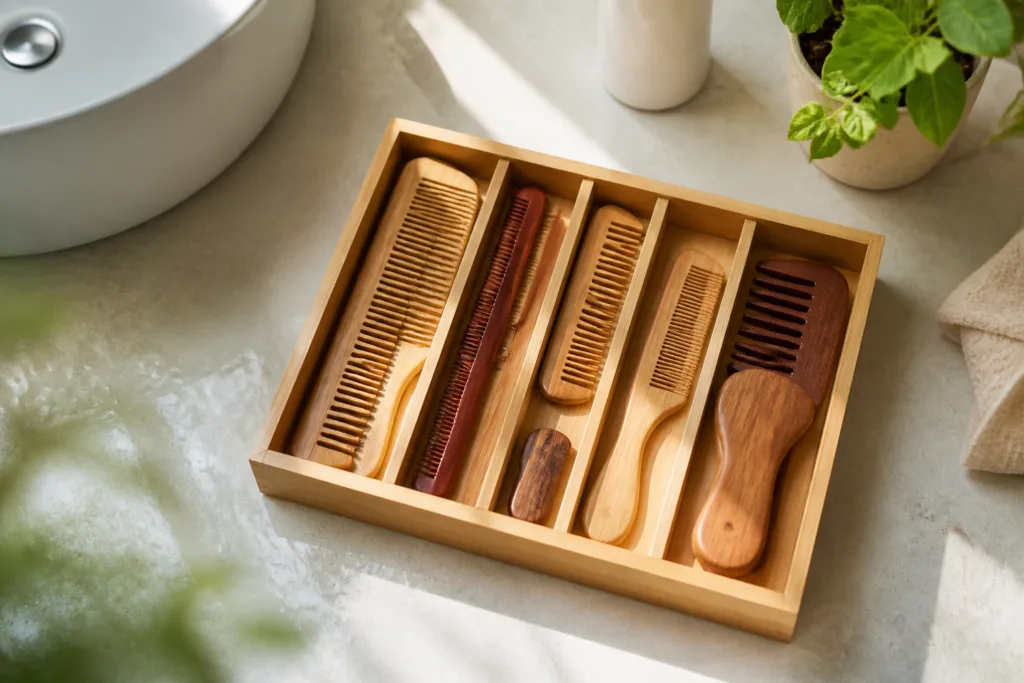
- Place in drawer organizers or travel cases for extra protection.
- Avoid proximity to fragrances or chemicals.
- Keep out of direct sunlight in summer to prevent fading or warping.
If you’re packing your comb for travel, consider a protective wooden comb case—find options in Wooden Travel Comb with Case.
How to Oil Your Wooden Comb for Longevity
This section brings together all the practical advice shared so far, highlighting the steps to keep your comb in mint condition for years.
- Regular oiling restores flexibility and shine.
- Pick oils with quick absorption and no lingering residue.
- Light sanding prior to oiling boosts surface smoothness.
- Gentle storage and handling prevent early damage.
- Choose bulk or custom combs if you’re managing teams or retail, using manufacturer standards for quality.
What Sets a Professionally Manufactured Comb Apart?
Combs made to manufacturer standards, like those from Bamboo Wood Art, often undergo kiln drying to stabilize moisture, precision sanding for splinter-free teeth, and application of food-safe adhesives. These steps prevent warping and ensure robust construction for daily oiling and care.
Rain Chen, with decades of manufacturing experience, recommends selecting combs where wood or bamboo grain runs “vertically”—this orientation adds tensile strength and reduces the risk of early splits. Extra value comes from finishing touches, such as carbonization or laser engraving (see Color Customization: Paints, Stains, and Carbonization), which enhance both sustainability and style.
How to Prevent Cracking, Warping, and Mold
- Consistent oiling creates a barrier against moisture.
- Store in dry rooms with circulating air.
- Wipe comb dry after each use, especially if used with wet hair.
- If your comb develops a rough patch, smooth it out and reoil promptly.
Signs Your Comb Needs Maintenance
- Dry, dull appearance
- Splinters or rough edges
- Reduced smoothness when combing
- Discoloration or mold spots
Repairing minor damage before oiling prevents major issues later on and extends comb lifespan.
How Oiling Wooden Combs Benefits Hair Health
- Cuts down static and frizz
- Gentle detangling minimizes hair breakage
- Even distribution of natural oils from scalp
Using a well-oiled comb can also stimulate blood flow and massage the scalp gently. Explore more in Scalp Stimulation: Using a Wide-Tooth Wood Comb.
Environmental Advantages of Choosing Oiled Wooden and Bamboo Combs
- Reduces reliance on plastic hair tools
- Bamboo combs: fast-growing, minimal pesticide use
- Wood combs: biodegradable and renewable—with proper care, last longer
Bamboo Wood Art selects eco-friendly raw materials and adheres to food-safe practices, ensuring combs are fit for sustainable routines.
Restoring an Old or Dull Comb
To revive a faded or rough wooden comb, clean thoroughly, sand gently, and reapply a food-safe oil. Repeat oiling until the wood regains its shine and smoothness. Sometimes multiple coats are needed—let each cure before applying the next. Avoid excessive sanding, which thins the comb.
Can You Oil Painted or Engraved Combs?
Oiling works best on natural-finish surfaces. For painted, stained, or laser-engraved combs, use thinner oils and avoid over-applying; these surfaces may not absorb as deeply. Always test a patch first. Learn more about custom finishes at Color Customization: Paints, Stains, and Carbonization.
How to Dispose or Recycle Old Wooden and Bamboo Combs
Wooden and bamboo combs can be composted if they have no synthetic finishes or coatings. Remove all paint, stains, or synthetic adhesives before placing in green waste. For upcycling ideas, read Composting Old Bamboo Kitchenware: A How-To.
Conclusion
Routine oiling is the secret to making your wooden or bamboo comb last for years. Whether you’re maintaining a cherished grooming tool or buying in bulk for business, natural oil treatments help preserve structure, shine, and eco-friendly value. Choose oils wisely, clean gently, and store your comb in dry spaces—a simple ritual for lasting beauty and sustainability. Invest the effort now, and your comb will reward you with smooth care and confidence every day.
Frequently Asked Questions
How do I know when to oil my wooden comb?
If your comb feels dry, loses sheen, or the teeth start feeling rough, it’s time for an oil treatment. Check monthly for signs of wear.
Which oil is safest for wooden or bamboo combs?
Mineral oil, coconut oil, and jojoba oil are safe and effective. Ensure oils are food-grade to avoid irritation or residue.
Can I use olive oil for wooden combs?
Olive oil works but may leave a sticky finish—wipe off excess oil thoroughly and avoid over-use to keep comb smooth.
How should I store my oiled comb?
Keep your comb in a dry, ventilated spot away from direct sunlight. Drawer organizers or travel cases help prevent damage.
Is it safe to oil painted or stained combs?
Use thinner oils, apply sparingly, and test on a small area first. Painted and stained surfaces absorb oil less efficiently.
Can wooden combs be composted when they break?
Natural-finish wooden or bamboo combs can be composted after removing paint or synthetic coatings. See our guide for details.