Introduction
Intellectual Property Protection in Manufacturing plays a vital role for businesses in the bamboo wood manufacturing industry. Intellectual property (IP) refers to the legal rights that protect creations of the mind like inventions, designs, trademarks, and trade secrets. For bamboo and wood product manufacturers, these rights help safeguard unique product features, technology, artwork, or even branding efforts. Securing IP ensures that time, resources, and creative energy invested in developing innovative products, such as customized bamboo trays or distinct carved wooden combs, are not lost to unauthorized use, imitation, or counterfeiting. In a highly globalized and competitive market, strong IP protection is not a luxury—it is a necessary line of defense for product-focused brands aiming for sustainable growth.
Types of Intellectual Property Relevant to Bamboo Wood Manufacturing
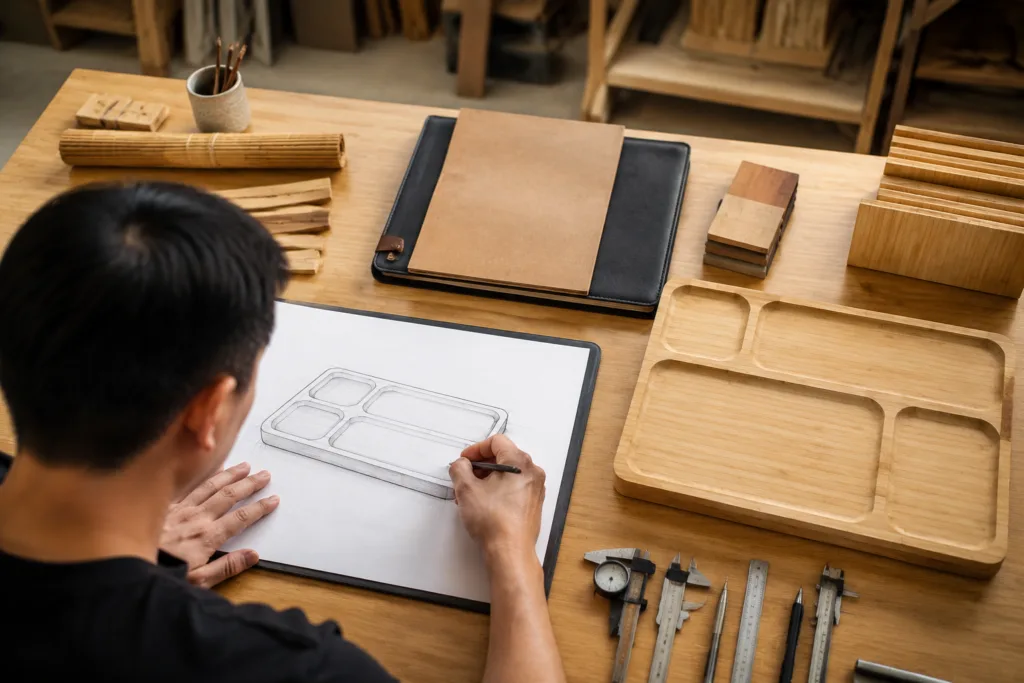
Manufacturers of bamboo wood products must navigate several areas of IP to comprehensively protect their creations. Four key categories are most relevant:
- Patents: These secure inventions, technical improvements, or unique processing methods. For example, if you engineer a new method for eco-friendly bamboo processing, obtaining a patent prevents others from copying this technique directly.
- Copyrights: Copyright law covers original artistic designs, surface patterns, and creative packaging artwork. If your bamboo storage bins feature a distinctive laser-engraved motif, copyright protection reduces the risk of your designs being reproduced without permission.
- Trademarks: Trademarks identify the origin and quality of goods. By registering a unique logo or product name for your bamboo kitchen accessories, you defend your brand identity in the marketplace, making it easier for customers to recognize and trust your products.
- Trade Secrets: These safeguard confidential business information, from unique joining methods to special finishing formulas. Manufacturers often protect trade secrets through internal protocols rather than registration, keeping sensitive know-how out of competitors’ hands.
As a dedicated manufacturer, Bamboo Wood Art offers custom manufacturing solutions to help secure your brand’s unique designs and innovations.
Challenges in IP Protection for Bamboo Wood Manufacturers
Protecting IP assets in bamboo wood manufacturing presents distinct challenges. Counterfeiting and imitation are widespread issues, with lookalike products often undercutting original brand value. Smaller manufacturers, especially, may find their signature shelf designs or utensil details copied abroad. The international scale of the supply chain makes IP enforcement across borders complicated—varying laws, limited cooperation, and costs for litigation increase the risk of infringement. Also, to apply for certain IP protections such as patents, technical disclosures are required, which may unintentionally reveal trade secrets if not managed prudently. Frequent technology updates and rapid prototyping amplify this risk. Thus, maintaining robust protective strategies is critical, especially for those competing on custom design, unique finish treatments, or specialized assembly methods.
Best Practices for Safeguarding IP
Effective IP protection requires multiple layers of action:
- Registration and Documentation: Always register copyrights, trademarks, and patents at national and key global markets. Keep accurate records of design iterations, samples, and production processes to establish clear ownership should disputes arise.
- IP Expert Partnerships: Collaborate with IP attorneys and specialized consultants. They provide guidance on crafting enforceable patents, navigating international filings, and responding to infringements efficiently.
- Employee Training: Build awareness within your team regarding the value and handling of trade secrets and proprietary knowledge. Implement confidentiality agreements and limit access to sensitive files and process areas.
- Internal Controls: Use access control measures and digital rights management tools to restrict use and transfer of confidential information.
Bamboo Wood Art, for example, routinely documents its mold and finishing processes, restricts workshop access, and marks prototype drawings to deter leaks. Such routine steps help increase readiness against internal and external IP threats.
Case Studies
Successful IP Protection in Bamboo Furniture Manufacturing
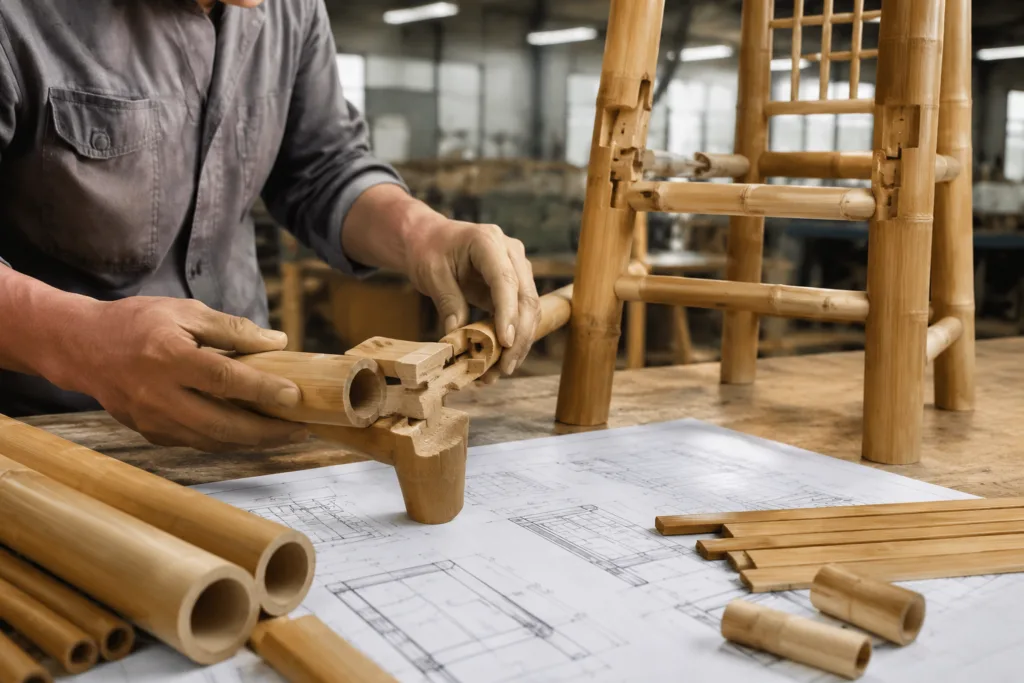
A large bamboo furniture company developed a proprietary joint system, which became central to their product strength and fast assembly time. They internationally patented the joint and trademarked their unique assembly branding. This allowed the firm to license their technology abroad and pursue legal action against imitating imports. As a result, they protected their margins and market share effectively.
Lessons Learnt from IP Disputes in Wood Product Industry
On the other hand, a wood products company lost a significant lawsuit due to unclear documentation and failure to register design copyrights before launching in overseas markets. Their flagship table pattern became a widely copied bestseller, leaving the original maker facing significant commercial loss. This case highlights that strong documentation, preventive registration, and quick internal education on IP awareness are just as vital as creative innovation itself.
Conclusion
Intellectual Property Protection in Manufacturing, particularly within bamboo and wood manufacturing, is more than a legal checkbox—it is a core foundation for value creation and brand trust. The strategic use of patents, copyrights, trademarks, and trade secrets, alongside robust registration and vigilant internal controls, enables manufacturers to safeguard their ground-breaking designs and processes. Ongoing vigilance is critical, as global threats adapt quickly. Firms who continually review IP strategy, educate employees, and invest in expert advice have the best chance of preserving their competitive edge in a dynamic market.
Frequently Asked Questions

What is Intellectual Property in the context of bamboo wood manufacturing?
It refers to legal rights protecting designs, processes, brands, and inventions unique to bamboo and wood product creation and distribution.
How can a bamboo manufacturer secure a patent?
They must document the innovation, submit an application clearly describing the invention, and seek approval from relevant national or global authorities.
Why are trademarks important for bamboo wood brands?
Trademarks help customers identify and trust products, prevent brand confusion, and offer legal recourse against counterfeits and imitators.
What steps can prevent design copying in bamboo products?
Registering designs under copyright, marking products, regular monitoring for copies, and working with lawyers to take down infringing listings are crucial strategies.
How do trade secrets differ from patents?
Trade secrets protect confidential internal methods that are not publicly disclosed, while patents involve public disclosure and formal legal recognition for new inventions.
What are the risks if IP protection is neglected?
The risks include lost sales, damaged reputation, and forfeiture of exclusive rights to innovative designs or efficient manufacturing processes.